Stunning Stamped Concrete Patterns for Every Outdoor Space
Breathtaking Stamped Concrete Artistry
Stamped concrete is a durable, decorative option for residential and commercial properties. This guide summarizes popular patterns, texture finishes, installation steps, color choices, maintenance and cost factors so you can plan with confidence.
Color, form and texture transform concrete, delivering both aesthetic and practical benefits.
Architectural Concrete: Color, Form, Texture & Aesthetic Finishes
The application of colour, form and texture to a concrete surface can transform the visual aspect of a structure. Such structural or non-structural elements possessing aesthetic finish exposed as an interior or exterior surface in the completed structure is usually termed as ‘Architectural Concrete’. Over the years, many designers are fabricating architectural concrete blocks of several textures, colour and outline to deliver a vast range of structural appearance options. Architectural concrete is suitable for both structural and veneer applications. Archi-structural units offer economic and environmental benefits from their systematic combination of structural load-bearing, elegance and surface finish properties.
Insights into the multifaceted applications of architectural concrete: A state-of-the-art review, SR Naganna, 2021
What Are the Most Popular Stamped Concrete Patterns?
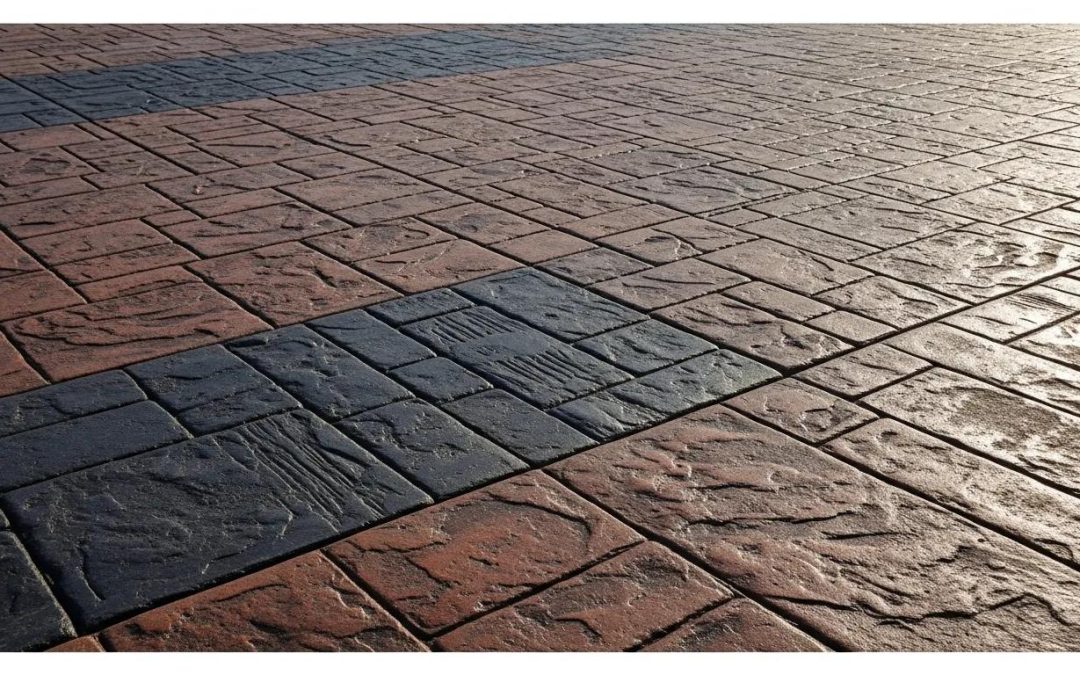
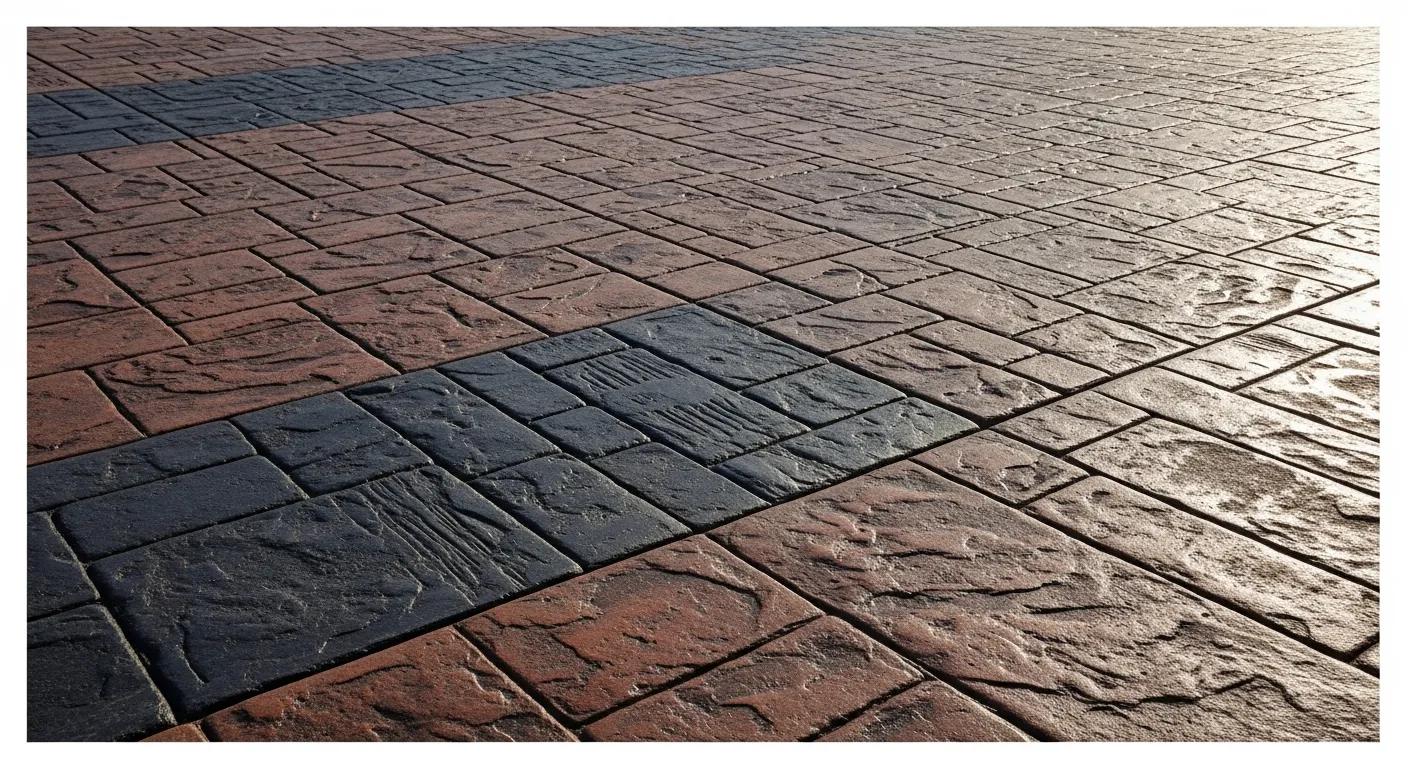
Common stamped patterns mimic natural materials at lower cost. Cobblestone, slate and brick are widely used because they provide clear aesthetic styles and suit driveways, patios and walkways.
For professional installation, Morici Bros Concrete supplies patterns and finishes to match different properties and budgets.
Cobblestone Pattern: Features and Applications
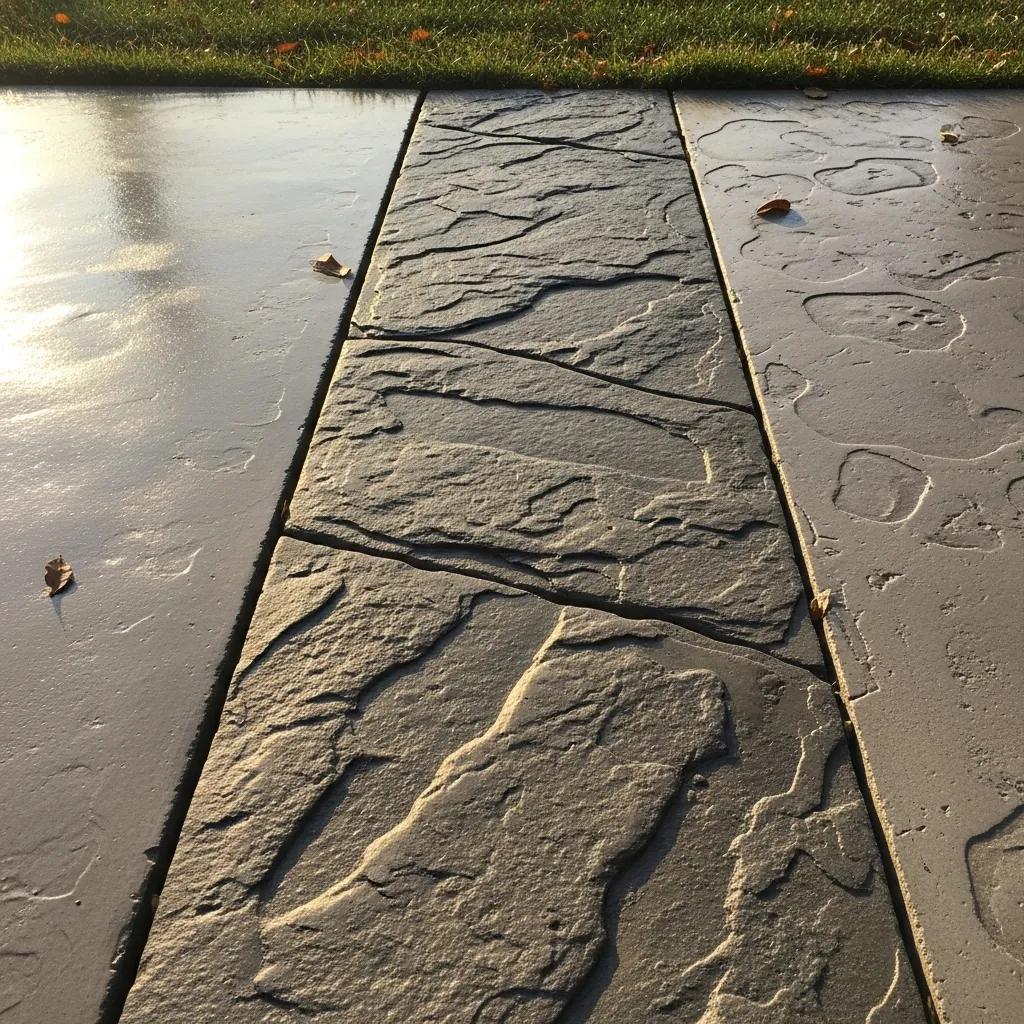
Cobblestone stamps form rounded, irregular shapes that add depth and a timeless look to driveways and walkways. The texture improves traction and holds up to foot traffic and weather when properly installed and sealed.
Slate and Brick Patterns: Design Benefits and Uses
Slate stamps emulate natural stone for patios and pool decks and can include slip-resistant textures. Brick patterns work well for driveways and walkways, offering a warm, traditional appearance. Both can be customized with color and finishes.
Which Texture Finishes Enhance Stamped Concrete Surfaces?
Texture affects appearance, safety and maintenance. Typical finishes are smooth, rough and leathered; pick the one that best fits the location and use.
Smooth, Rough, and Leathered Textures: Characteristics and Selection
Smooth finishes offer a clean, modern look and are easier to clean indoors. Rough textures give slip resistance for wet exterior areas. Leathered finishes add a tactile feel with modest upkeep; choose based on traffic and aesthetic goals.
How Texture Types Influence Concrete Durability and Aesthetics
Rougher textures generally resist wear better; smooth finishes show color and pattern more clearly but may need more maintenance. Match texture to expected traffic, exposure and the desired visual effect.
How Do Concrete Stamping Techniques Create Decorative Overlay Patterns?
Stamping uses molds, release agents and coloring to imprint patterns in fresh concrete, producing looks that range from stone to brick. Formliners and modern tools help reproduce consistent textures across large areas.
Stamped Concrete Formliners: Shaping & Texturing Decorative Overlays
Formliners, also known as stamped concrete, are one of the more established decorative concrete overlay technologies. A formliner is a custom-made precast mold, designed to shape and texture concrete structures, providing a wide range of aesthetic and functional benefits.
Use of decorative concrete overlay for transportation infrastructure design, 2013
Step-by-Step Installation Process for Stamped Concrete
A typical installation follows these core steps:
- Preparation: Excavate, form and install a compacted base.
- Base Layer: Pour and level concrete to the correct elevation.
- Color Application: Apply color hardeners and release agents where needed.
- Stamping: Press stamps into the fresh concrete to form the pattern.
- Sealing: After curing, apply a protective sealer to preserve color and durability.
Proper timing and weather planning help ensure crisp impressions and long-lasting results.
Advanced Stamping Tools and Eco-Friendly Materials in 2024
New tools increase precision for complex designs, while low‑VOC sealers and recycled aggregates lower environmental impact without sacrificing performance.
What Color Options Are Available for Stamped Concrete Designs?
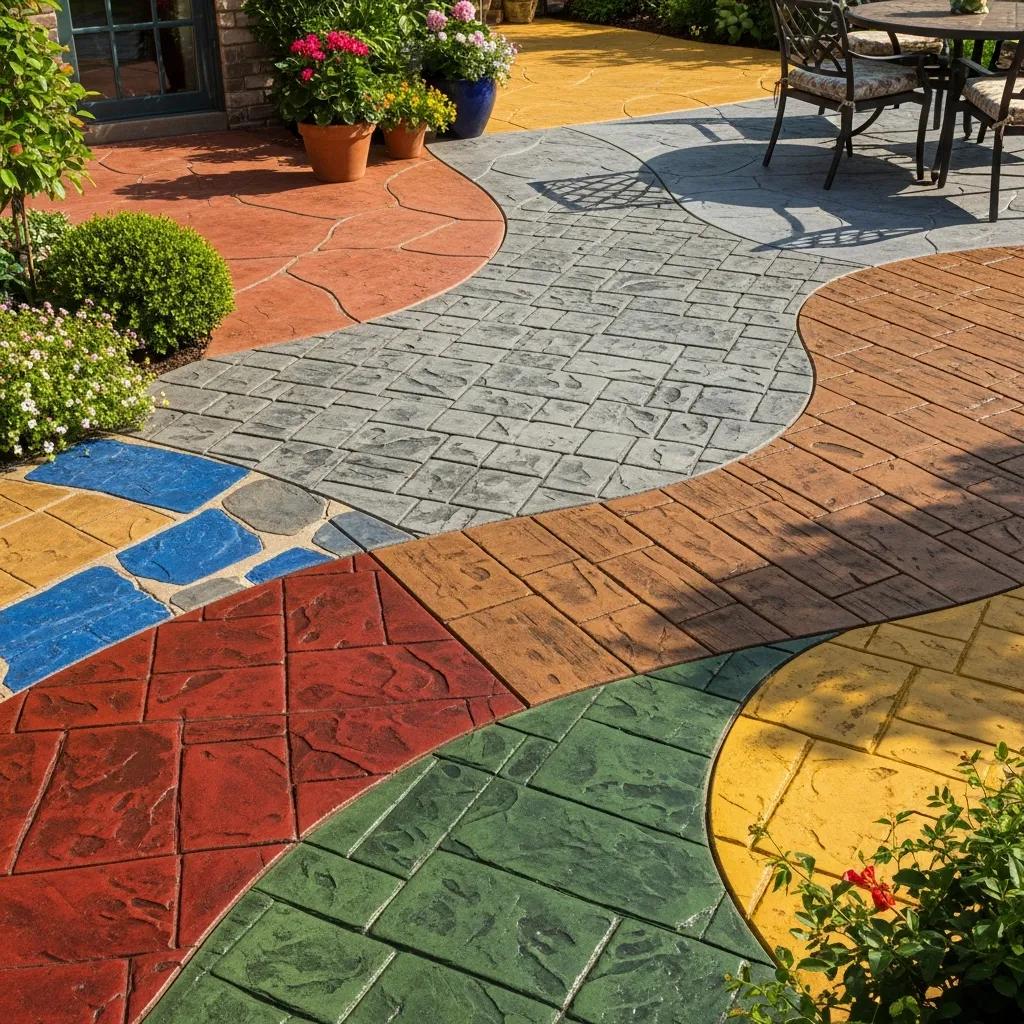
Coloring broadens design possibilities: earthy tones mimic stone, while brighter hues can highlight areas. Integral color, surface stains and color hardeners are common methods.
Used well, color reduces extra finishing and helps concrete blend with landscaping or architecture.
Decorative Concrete: Aesthetic Appearance & Color Finishes
For many years, concrete has been used as a simple, effective and low cost surface for all sorts of areasranging from car parks to driveways to commercial freight yards. However, the one factor you rarely hear beingpraised is its looks. When adding colour to the concrete , the concrete gets an aesthetic appearance and also further finishing works likes painting can be avoided.
Decorative concrete, 2016
Popular Color Palettes and Customization Techniques
Earthy browns and tans remain popular for stone-like looks. Layering colors or combining integral color with stains adds depth and variety.
How Color Choices Affect Overall Concrete Appearance
Lighter colors make spaces feel larger; darker tones add warmth. Finish (matte vs glossy) also influences how color reads in sun and shade.
How Should You Maintain and Care for Textured Concrete Surfaces?
Regular care preserves appearance and lifespan. Keep surfaces clean, repair cracks promptly, and reseal periodically.
Routine Cleaning and Sealing Tips for Longevity
Sweep regularly, use a pressure washer for deep cleaning when needed, and reapply sealer every 2–3 years depending on exposure.
Common Maintenance Challenges and Solutions
Stains, cracks and fading are typical. Use pH-neutral cleaners, patch cracks with compatible repair products, and reseal after repairs to protect the surface.
What Is the Cost Range for Stamped Concrete Installation?
Costs vary with pattern complexity, area size and site preparation; budgeting ahead helps avoid surprises.
Factors Influencing Installation Costs
Key cost drivers include:
- Design Complexity: More intricate patterns and colors raise costs.
- Area Size: Larger surfaces need more material and labor.
- Site Preparation: Grading, drainage or repairs add expense.
Coordinate design and site work to control the final price.
Comparing Stamped Concrete Costs to Other Decorative Finishes
Stamped concrete often costs less than natural stone or high-end pavers while offering comparable durability when well maintained.
This table highlights stamped concrete’s competitive cost and low maintenance compared with other decorative surfaces.
Frequently Asked Questions
What maintenance practices are essential for stamped concrete?
Keep surfaces swept and cleaned; use a pressure washer for deep cleaning. Repair cracks promptly and reseal every 2–3 years to protect color and durability.
Can I customize the color of my stamped concrete?
Yes. Use integral colors, surface stains or color hardeners, and layer techniques for depth so the finish complements landscaping and architecture.
What are the best applications for stamped concrete?
Stamped concrete suits driveways, patios, walkways and pool decks. It can mimic stone or brick, making it appropriate for both residential and commercial projects.
How does the curing process affect stamped concrete?
Curing is essential to achieve strength and durability. Keep the surface moist and protected from extreme temperatures and direct sun for several days so patterns set correctly.
What are the common mistakes to avoid during installation?
Avoid poor base preparation, incorrect stamping timing, and skipping release agents. Use experienced installers to ensure even surfaces and clear impressions.
Is stamped concrete suitable for cold climates?
Yes, with precautions: specify air-entrained mixes, apply proper sealing and maintain the surface to limit moisture infiltration and freeze–thaw damage.
What are the aesthetic advantages of stamped concrete over other materials?
Stamped concrete can convincingly mimic stone, brick or tile at lower cost, provides a seamless look without paver joints, and offers many patterns, textures and colors for customization.