
Boost Curb Appeal: Concrete Resurfacing Before and After
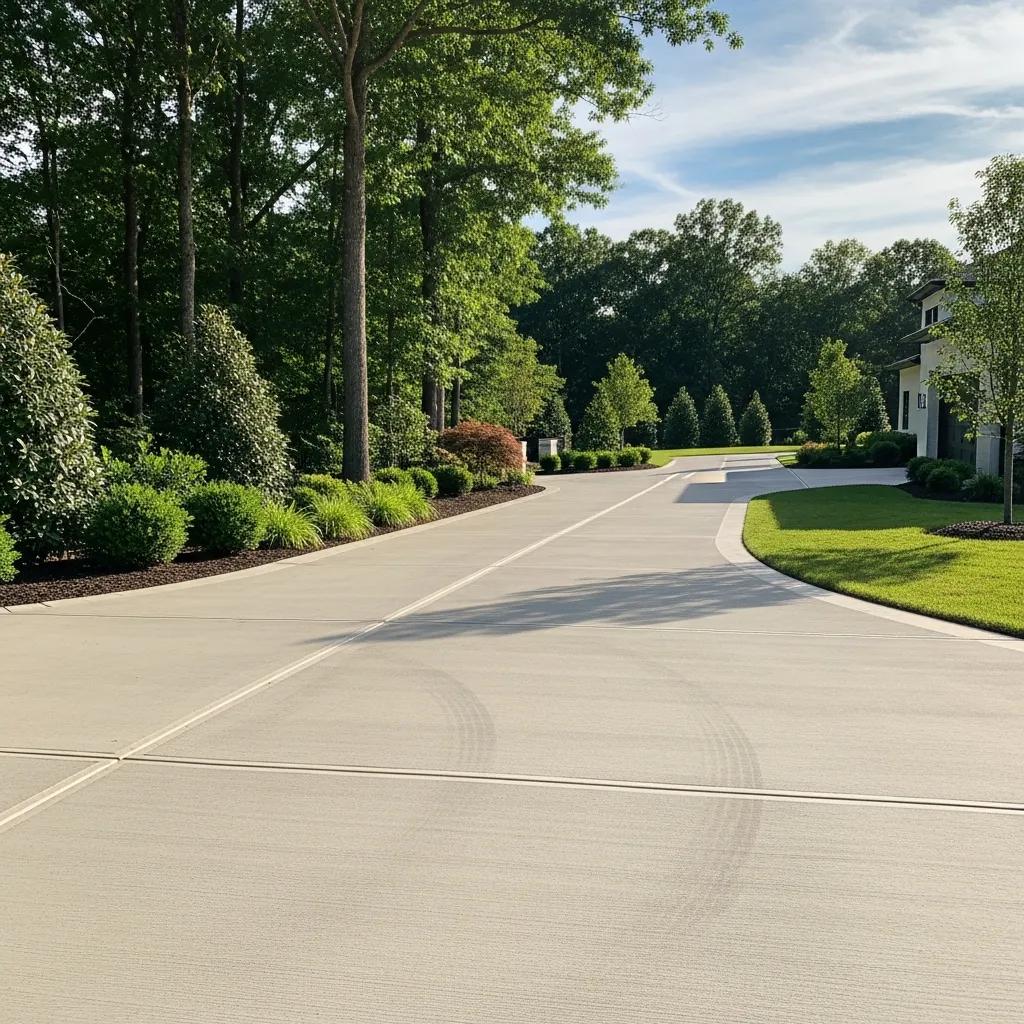
Freshly resurfaced concrete driveway showcasing smooth texture and aesthetic appeal, surrounded by lush greenery and landscaping.

Concrete Resurfacing: Comprehensive Guide to Costs, Products, and Professional Services

Concrete resurfacing is a transformative process that revitalizes worn-out concrete surfaces, enhancing both aesthetics and functionality. This guide delves into the various aspects of concrete resurfacing, including the best products available, cost considerations, preparation techniques, and tips for selecting professional services. Many homeowners face challenges with cracked or faded concrete, which can detract from the overall appeal of their property. Fortunately, concrete resurfacing offers a practical solution, restoring surfaces to their former glory. In this article, we will explore the top resurfacing products, analyze costs associated with driveway resurfacing, outline preparation steps, and provide guidance on choosing the right contractors.

The practice of concrete resurfacing has a rich history, evolving significantly over the past century to address various infrastructure needs.

History and Evolution of Bonded Concrete Resurfacing

Successful thin bonded resurfacing of concrete pavements dates back to 1913. Following World war II, the U.S. Air Force and the Navy resurfaced a number of airport pavements with bonded techniques in an effort to repair and increase load bearing capacity of older pavements. Due to the lack of high production cost effective equipment, little interest was seen for highway work. The development of slipform paving equipment and high speed milling machines in conjunction with the completion of the Interstate system and escalating asphalt prices created new interest in bonded resurfacings for the highway engineer.

Bonded Concrete Resurfacing, 1981

What Are the Best Concrete Resurfacing Products Available Today?
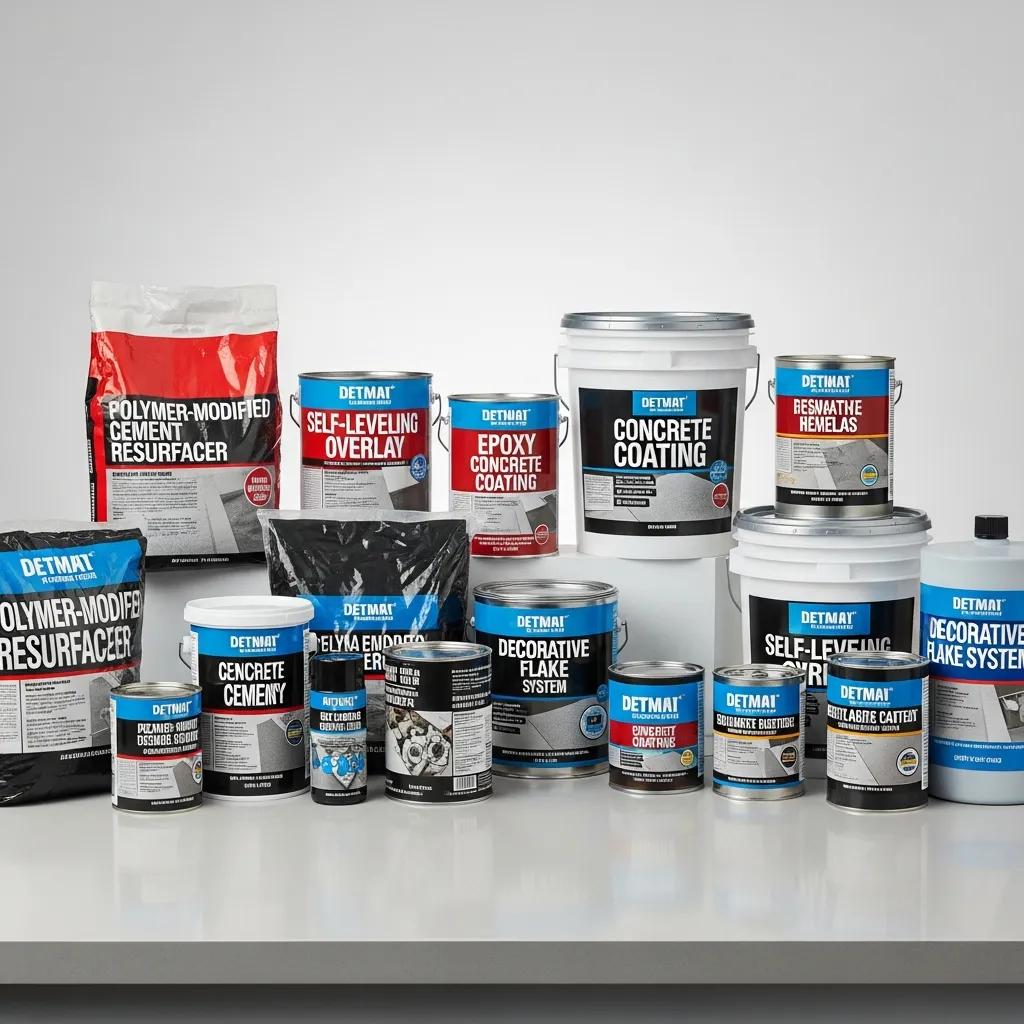
Variety of concrete resurfacing products including polymer-modified cements, epoxy coatings, and self-leveling overlays, displayed on a table for concrete restoration applications.

When considering concrete resurfacing, selecting the right product is crucial for achieving lasting results. Various options are available, each with unique properties and benefits. The most popular products include polymer-modified cements, epoxy coatings, and decorative overlays. These products not only enhance the appearance of concrete but also improve its durability and resistance to wear.

How Do Epoxy Coatings and Polymer-Modified Cements Compare?

Epoxy coatings and polymer-modified cements are two leading choices for concrete resurfacing. Epoxy coatings provide a robust, glossy finish that is highly resistant to stains and chemicals, making them ideal for garages and commercial spaces. In contrast, polymer-modified cements offer excellent adhesion and flexibility, making them suitable for a variety of surfaces, including driveways and patios. Both options have their advantages, with epoxy coatings typically being more expensive but offering superior durability and chemical resistance.

What Are the Benefits of Stamped and Decorative Concrete Overlays?

Stamped and decorative concrete overlays provide an aesthetic upgrade to plain concrete surfaces. These overlays can mimic the appearance of natural stone, brick, or tile, adding visual interest to patios, walkways, and driveways. The benefits include enhanced curb appeal, increased property value, and the ability to customize designs to match personal preferences. Additionally, decorative overlays can be applied over existing concrete, making them a cost-effective solution for homeowners looking to refresh their outdoor spaces.

How Much Does Driveway Resurfacing Cost?

The cost of driveway resurfacing can vary significantly based on several factors, including the size of the area, the condition of the existing concrete, and the type of resurfacing product used. On average, homeowners can expect to pay between $3 to $6 per square foot for resurfacing, depending on the complexity of the project and the materials chosen.

What Factors Influence Concrete Resurfacing Prices?

Several key factors influence the pricing of concrete resurfacing projects:

  1. Size of the Area: Larger driveways will naturally incur higher costs due to the increased amount of material and labor required.
  2. Condition of Existing Concrete: If the existing surface has significant damage, additional repairs may be necessary before resurfacing, which can increase costs.
  3. Type of Resurfacing Product Used: Different products come with varying price points, with high-end options like epoxy coatings typically costing more than standard polymer-modified cements.

How to Budget for Concrete Driveway Repair and Resurfacing Services?

Budgeting for concrete driveway resurfacing involves estimating total costs and setting aside funds for unexpected expenses. Homeowners should consider obtaining multiple quotes from contractors to compare prices and services. Additionally, it is wise to allocate a portion of the budget for potential repairs that may arise during the resurfacing process. Financing options may also be available for those looking to spread out the costs over time.

How to Prepare and Repair Concrete Surfaces Before Resurfacing?
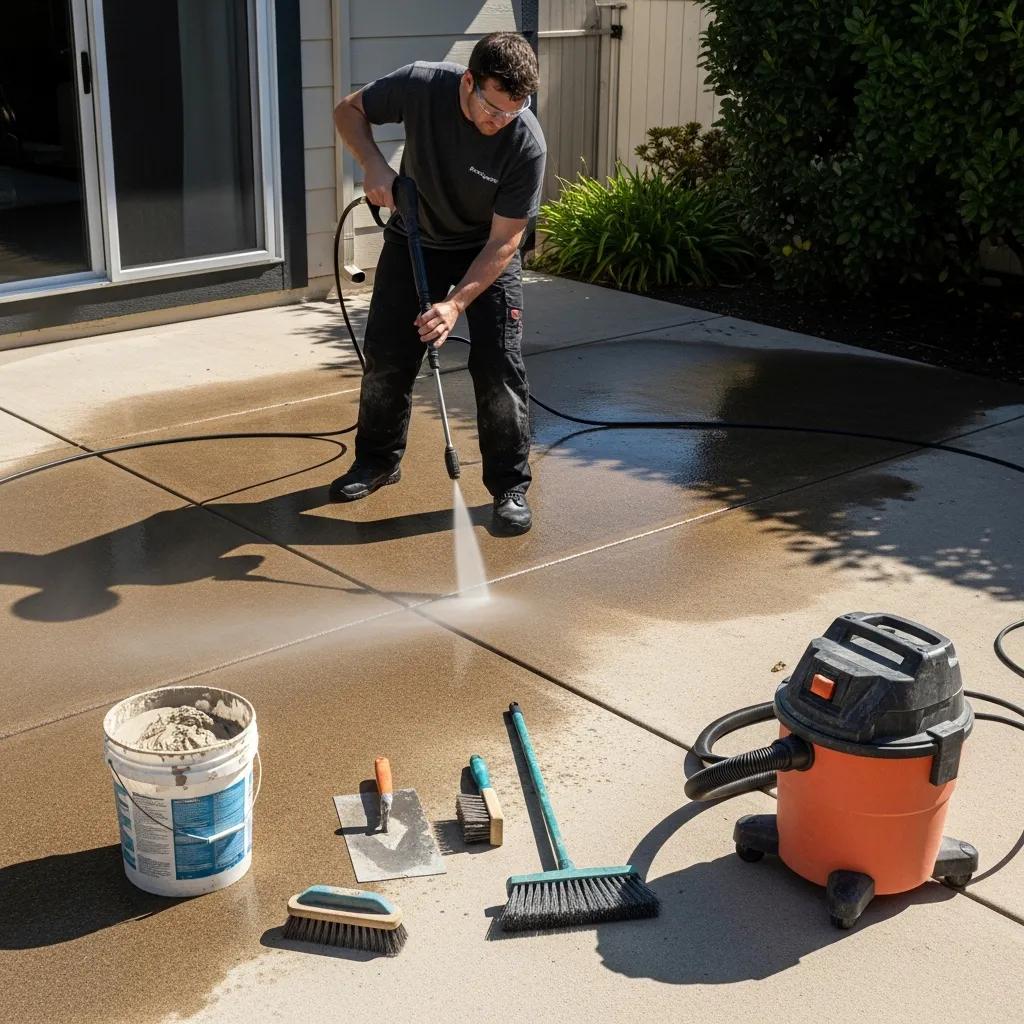
Person using a pressure washer to clean a concrete surface, surrounded by resurfacing tools like brushes and a bucket of concrete mix, highlighting preparation for concrete driveway resurfacing.

Proper preparation is essential for successful concrete resurfacing. This process ensures that the new surface adheres correctly and lasts for years to come. Key steps include cleaning the surface, repairing any cracks, and applying a primer if necessary.

Can You Resurface Cracked Concrete Steps and Driveways?

Yes, resurfacing can be performed on cracked concrete steps and driveways, provided the cracks are not too extensive. Hairline and minor cracks can be filled and repaired before the resurfacing process begins. However, if the concrete is severely damaged or has structural issues, replacement may be a more viable option.

What Are the Step-by-Step Surface Preparation Techniques?

To prepare concrete surfaces for resurfacing, follow these steps:

  1. Clean the Surface: Remove dirt, debris, and any existing coatings using a pressure washer or a stiff broom.
  2. Repair Minor Damages: Fill in cracks and holes with a suitable patching compound, ensuring a smooth surface.
  3. Apply Primer: If recommended by the resurfacing product, apply a primer to enhance adhesion.

The success of these preparation techniques is paramount, as the bond between old and new concrete is a critical factor in the structural integrity and longevity of the resurfaced area.

Critical Interface in Concrete Resurfacing & Repair

In reinforced concrete structures, the interface between old and new concrete is commonplace in precast splices, repairs, and construction joints, and is vital for structural integrity.

Shear performance of new-to-old concrete interface based on various surface preparation techniques and roughness, M Bai, 2024

How to Choose the Right Concrete Overlay Contractors Near Me?

Selecting the right contractor for concrete resurfacing is crucial for achieving satisfactory results. Homeowners should look for experienced professionals with a solid reputation in the industry.

What Credentials and Licenses Should Contractors Have?

When evaluating potential contractors, ensure they possess the necessary credentials and licenses. This includes state licensing, insurance, and bonding, which protect both the homeowner and the contractor during the project. Additionally, certifications from manufacturers can indicate a contractor’s expertise with specific products.

Proper licensing and adherence to state regulations are fundamental requirements for any reputable contractor undertaking concrete resurfacing projects.

Contractor Licensing for Concrete Resurfacing Projects

followed by the name of the state of incorporation, contractor’s license number issued by the Contractors Licensing Board, and the signature of an authorized officer of the corporation.

Project Manual HPER Track Resurfacing

How to Evaluate Contractor Reviews and Past Project Quality?

To assess contractor quality, homeowners should seek out reviews from previous clients. Look for feedback on the contractor’s workmanship, reliability, and communication. Online platforms and local business directories can provide valuable insights. Red flags to watch for include consistently negative reviews or a lack of detailed feedback.

Concrete Resurfacing Explained: Costs, Top Products & Expert Tips

Maintaining resurfaced concrete is essential for prolonging its lifespan and appearance. Regular maintenance practices can help prevent damage and keep surfaces looking new.

How to Extend the Life of Your Concrete Overlay?

To extend the life of a concrete overlay, consider the following maintenance tips:

  1. Regular Cleaning: Keep the surface clean by sweeping and washing it periodically to remove dirt and debris.
  2. Sealing Options: Apply a sealant as recommended to protect against moisture and stains.
  3. Avoid Heavy Loads: Limit the weight placed on resurfaced areas to prevent cracking and damage.

What Are the Latest Trends in Eco-Friendly Resurfacing Materials?

Eco-friendly resurfacing materials are gaining popularity as homeowners become more environmentally conscious. These materials often include recycled components and low-VOC (volatile organic compounds) options, which reduce environmental impact. Utilizing sustainable practices not only benefits the planet but can also enhance the aesthetic appeal of concrete surfaces.

Product TypeDescriptionCost Range
Polymer-Modified CementFlexible and durable, ideal for various surfaces$3 - $5 per sq. ft.
Epoxy CoatingsHigh-gloss finish, resistant to stains and chemicals$5 - $7 per sq. ft.
Decorative OverlaysCustomizable designs that mimic natural materials$4 - $6 per sq. ft.

This table summarizes the different types of concrete resurfacing products available, along with their descriptions and cost ranges, helping homeowners make informed decisions based on their needs and budget.