
Quick and Reliable Driveway Crack Repair Near Me
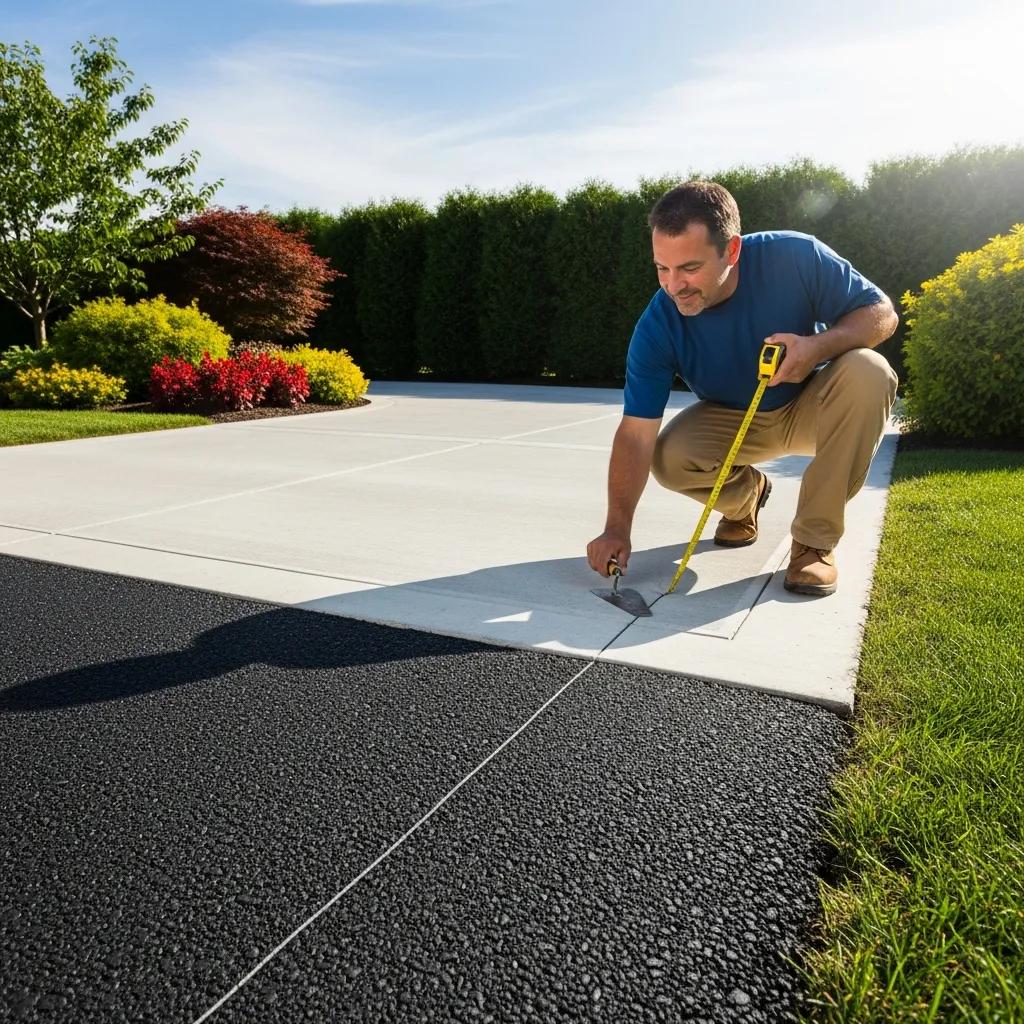
Contractor inspecting driveway surfaces with measuring tape, showcasing well-maintained concrete and asphalt, surrounded by greenery, relevant to driveway repair services in Milwaukee.

Driveway Repair Near Me: Comprehensive Guide to Local Repair Services and Costs

Finding reliable driveway repair services can be a daunting task, especially when faced with various options and costs. This guide aims to provide you with a comprehensive understanding of the types of driveway repair services available, their costs, and how to maintain your driveway effectively. Whether you have a concrete or asphalt driveway, knowing the right repair techniques and materials can save you time and money. In this article, we will explore common types of driveway repairs, cost factors, maintenance tips, and how to choose the right local contractors for your needs.

Local Driveway Repair Services & Costs: A Complete Homeowner Guide

Driveway repair services encompass a variety of techniques tailored to address specific issues. Common types include concrete driveway repair, asphalt driveway repair, and driveway crack filling. Each service targets different problems, ensuring that your driveway remains safe and functional.

How Does Concrete Driveway Repair Work?

Concrete driveway repair typically involves assessing the damage, which may include cracks, spalling, or uneven surfaces. The repair process generally includes cleaning the affected area, applying a bonding agent, and filling cracks with a suitable patching material. Once the repair is complete, the surface is smoothed out to ensure a seamless finish. This method not only restores the driveway’s appearance but also extends its lifespan by preventing further deterioration.

What Are Asphalt Driveway Repair and Resurfacing Options?
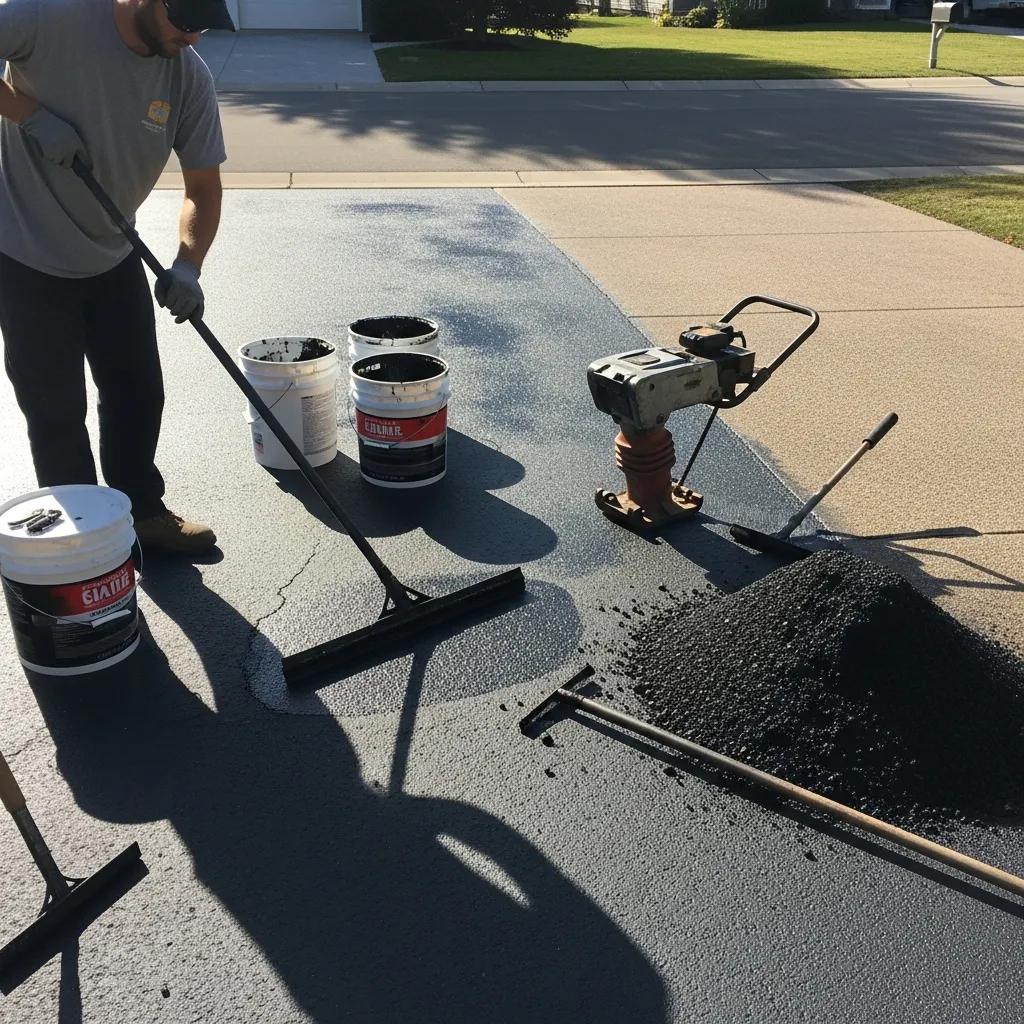
Contractor applying sealant on asphalt driveway repair, using tools and materials like buckets of sealant and a tamper, showcasing driveway maintenance techniques.

Asphalt driveway repair and resurfacing options include patching, sealcoating, and complete resurfacing. Patching involves filling in cracks and holes with hot or cold mix asphalt, while sealcoating provides a protective layer that enhances durability and appearance. Resurfacing is a more extensive process that involves applying a new layer of asphalt over the existing surface, effectively rejuvenating the driveway. Each method has its benefits, and the choice depends on the extent of the damage and budget considerations.

How Much Does Driveway Repair Cost Near Me?

The cost of driveway repair can vary significantly based on several factors, including the type of repair, materials used, and local labor rates. On average, homeowners can expect to pay between $300 and $1,500 for common repairs, depending on the severity of the damage and the chosen method.

What Factors Influence Driveway Resurfacing Cost?

Several factors influence the cost of driveway resurfacing, including:

  1. Material Costs: The type of material used for repairs, such as asphalt or concrete, can affect overall pricing.
  2. Labor Costs: Local labor rates vary, impacting the total cost of the project.
  3. Geographical Factors: Prices may differ based on the region and demand for services.

Understanding these factors can help you budget effectively for your driveway repair needs.

How Do Local Contractors Price Concrete Patching and Crack Filling?

Local contractors typically use a combination of factors to determine pricing for concrete patching and crack filling. Common pricing models include:

  1. Per Linear Foot or Per Crack: Crack filling is often priced per linear foot, typically ranging from $1 to $3 per linear foot, depending on crack width and depth.
  2. Per Square Foot: Patching larger damaged areas may be charged per square foot, generally between $3 and $6 per square foot.
  3. Flat Rate: Some contractors may offer a flat rate for specific services, such as crack filling or patching.
  4. Material and Labor Costs: The total price will also include the cost of materials and the time required for labor.

By comparing quotes from multiple contractors, homeowners can find the best value for their driveway repair projects.

Which Materials and Techniques Are Best for Driveway Crack Filling Near Me?

Selecting the right materials and techniques for driveway crack filling is crucial for effective repairs. Various products are available, each designed to address specific types of cracks and surfaces.

What Are the Benefits of Using Driveway Crack Filler Products?

Using driveway crack filler products offers several advantages:

  1. Durability: High-quality fillers can withstand weather conditions and prevent further cracking.
  2. Cost-Effectiveness: Properly filled cracks can extend the life of your driveway, reducing the need for more extensive repairs.
  3. Ease of Application: Many crack fillers are user-friendly, allowing homeowners to perform repairs without professional assistance.

While the benefits of crack filling are clear, research has also explored the long-term cost-effectiveness of this maintenance practice.

Cost-Effectiveness of Driveway Crack Sealing

The sealing and resealing of joints and cracks in PCC, HMA, and composite pavements is assumed to be an important component of pavement maintenance. Recently this practice has been challenged by research indicating that sealing may not be cost-effective. The primary objective of the research presented in this report is to investigate the cost-effectiveness of joint/crack sealing in relation to pavement performance.

Initial study for cost-effectiveness of joint/crack sealing, KA Galal, 2003

How Do Repair Methods Differ for Concrete, Cement, and Asphalt Driveways?

Repair methods vary significantly between concrete, cement, and asphalt driveways. Concrete repairs often involve patching and resurfacing, while asphalt repairs may include sealcoating and hot mix patching. Understanding these differences is essential for selecting the appropriate repair technique for your specific driveway type.

How Can I Maintain and Seal My Driveway to Prevent Future Repairs?

Regular maintenance and sealing are vital for prolonging the life of your driveway. Implementing a maintenance routine can help prevent costly repairs down the line.

What Are the Advantages of Professional Driveway Sealing Services?

Hiring professionals for driveway sealing offers several benefits:

  1. Quality of Work: Professionals have the expertise and equipment to ensure a thorough sealing process.
  2. Long-Term Savings: Proper sealing can prevent damage and extend the lifespan of your driveway, saving money on future repairs.
  3. Expertise and Equipment: Professionals use high-quality materials and techniques that may not be available to the average homeowner.

What Maintenance Tips Help Extend Driveway Lifespan?
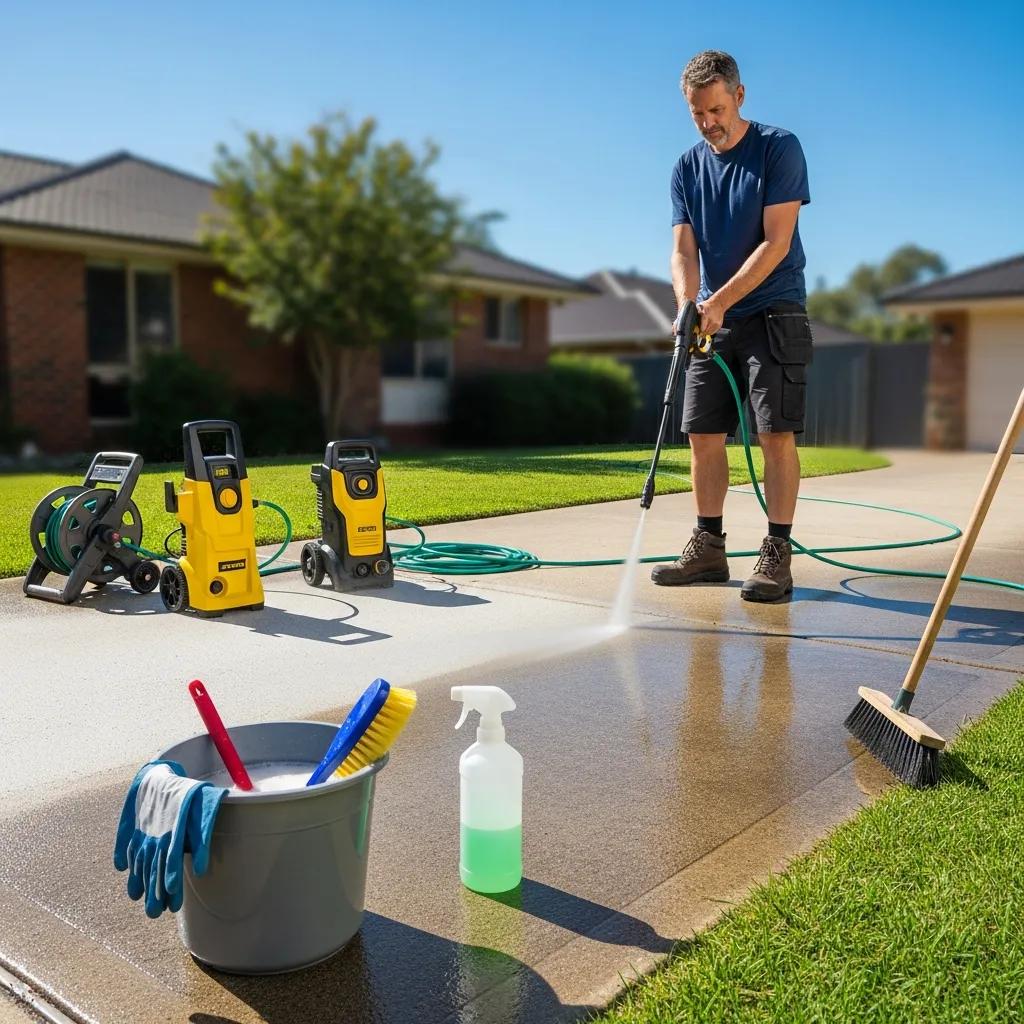
Homeowner using a pressure washer to clean driveway, surrounded by cleaning tools and equipment, emphasizing driveway maintenance and care.

To maintain your driveway effectively, consider the following tips:

  1. Regular Inspections: Check for cracks and damage at least twice a year.
  2. Cleaning: Remove debris and stains promptly to prevent deterioration.
  3. Sealing: Apply sealant every 2-3 years for asphalt driveways; concrete driveways may require sealing less frequently, depending on local climate conditions.

How Do I Find and Choose Reliable Local Driveway Repair Contractors?

Finding a trustworthy contractor is essential for ensuring quality repairs. Here are some tips to help you choose the right service provider.

What Should I Look for in a Local Driveway Repair Service Provider?

When selecting a local driveway repair service, consider the following attributes:

  1. Experience and Qualifications: Look for contractors with a proven track record in driveway repairs.
  2. Licensing and Insurance: Ensure the contractor is licensed and carries liability insurance to protect against potential damages.
  3. Customer Service: A responsive and professional contractor will provide better service and communication throughout the project.

How Can Customer Reviews and Certifications Guide My Contractor Selection?

Customer reviews and certifications can provide valuable insights into a contractor’s reliability and quality of work. Look for:

  1. Online Reviews: Check platforms like Google and Yelp for customer feedback.
  2. Certifications: Verify any industry certifications that demonstrate a contractor's commitment to quality and professionalism.
  3. References: Ask for references from previous clients to gauge their satisfaction with the contractor's work.