
Expert Driveway Installation Services Near You - Get A Quote
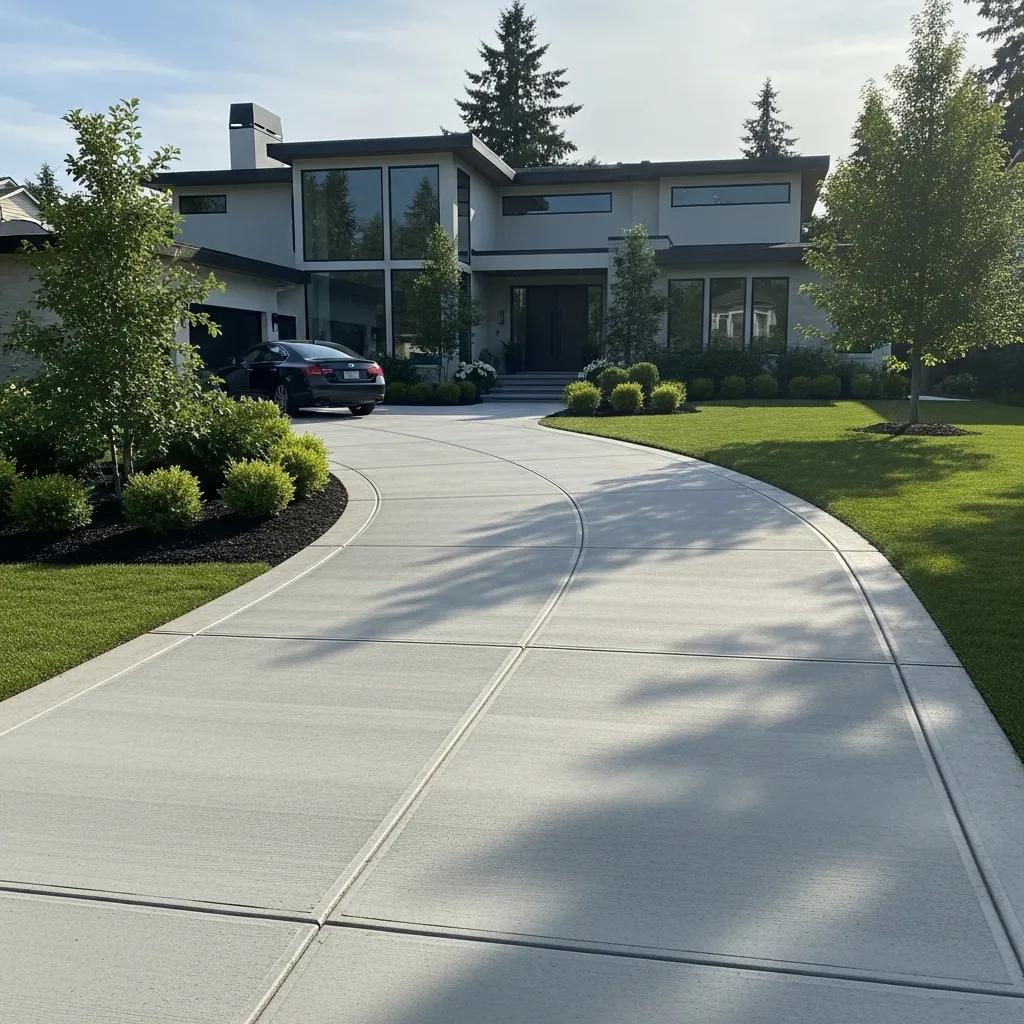
Newly installed concrete driveway enhancing home curb appeal, surrounded by lush greenery and modern architecture.

Driveway Installation Guide: Costs, Materials & Local Services

Driveway installation is a crucial aspect of home improvement that significantly enhances curb appeal and functionality. This guide delves into the various types of driveway installation services, focusing on concrete and asphalt options, their costs, and the installation process. Homeowners often face challenges in selecting the right materials and contractors, which can lead to confusion and potential overspending. By understanding the nuances of driveway installation, including the benefits of different materials and the typical installation process, homeowners can make informed decisions. This article will cover the main types of driveway services, cost factors, the installation process, tips for choosing contractors, maintenance considerations, and current trends in driveway installation.

What Are the Main Types of Driveway Installation Services?

Driveway installation services primarily include concrete and asphalt options, each with unique characteristics and benefits. Concrete driveways are known for their durability and aesthetic versatility, while asphalt driveways are favored for their cost-effectiveness and ease of installation. Understanding these options helps homeowners choose the best fit for their needs.

How Does Concrete Driveway Installation Work?

Concrete driveway installation involves several key steps. First, the site is prepared by clearing the area and ensuring proper drainage. Next, a concrete mix is poured into the designated area, followed by leveling and smoothing the surface. Finally, the concrete is cured to achieve optimal strength and durability. This process typically takes 24-48 hours before the driveway can be walked on, but full curing to handle vehicle weight usually requires about 7 days, depending on weather conditions.

What Are the Benefits of Asphalt Driveway Installation?

Family enjoying outdoor activities on a newly paved asphalt driveway, with children playing and drawing with chalk, surrounded by a landscaped yard and a basketball hoop.

Asphalt driveway installation offers several advantages. It is generally more cost-effective than concrete, making it an attractive option for budget-conscious homeowners. Additionally, asphalt provides a smooth surface that is easy to repair and maintain. Its flexibility allows it to withstand temperature fluctuations better than concrete, reducing the likelihood of cracking, making it a durable choice for various climates.

To ensure these benefits, particularly durability and reduced maintenance costs, the quality of the asphalt concrete mix design is paramount.

Quality Asphalt Concrete Mix Design for Durability

The best choice of aggregates for asphalt concrete production contributes significantly to road pavement stability, sustainability, and durability at its serviceability life- style. The use of critical design and analysis techniques for the production of asphalt concrete is one of the standard means of eradicating the defect of roads’ pavement deformation in the global construction industries. This study reveals the hidden knowledge about the standard formulation and mix design required for producing durable asphaltic concrete pavements.

Analyzing an efficient mix design for the production of quality asphalt concrete: A means of reducing roads’ maintenance cost, A Kilani, 2024

How Much Does Concrete Driveway Installation Cost?

The cost of concrete driveway installation can vary significantly based on several factors. On average, homeowners can expect to pay between $5 to $10 per square foot for installation, depending on the complexity of the project and local labor rates.

What Factors Influence Concrete Driveway Cost?

Several factors influence the cost of concrete driveway installation, including:

  1. Size of the Driveway: Larger driveways require more materials and labor, increasing overall costs.
  2. Material Quality: Higher-quality concrete mixes can raise the price but may offer better durability.
  3. Labor Costs: Local labor rates can vary, impacting the total installation cost.

How Do Asphalt and Concrete Costs Compare?

When comparing asphalt and concrete costs, asphalt is typically less expensive upfront, ranging from $2 to $5 per square foot. However, concrete may offer better long-term value due to its durability and lower maintenance needs. Homeowners should consider both initial costs and long-term investment when choosing between these materials.

What Is the Typical Driveway Installation Process?

The driveway installation process generally follows a systematic approach, ensuring that each step is completed efficiently and effectively. Understanding this process can help homeowners prepare for the project and set realistic expectations.

What Are the Key Steps in Installing a Concrete Driveway?

The key steps in installing a concrete driveway include:

  1. Site Preparation: Clearing the area and ensuring proper drainage.
  2. Formwork Installation: Setting up forms to contain the concrete.
  3. Pouring Concrete: Mixing and pouring the concrete into the forms.
  4. Finishing: Smoothing and leveling the surface before curing.

How Long Does Driveway Installation Usually Take?

The duration of driveway installation can vary based on several factors, including the size of the driveway and weather conditions. Typically, the installation process takes about 1-3 days, with an additional 7 days recommended for curing before heavy use.

How to Choose the Right Residential Driveway Contractor?

Selecting the right contractor for driveway installation is crucial for ensuring quality work and a satisfactory outcome. Homeowners should consider several factors when making their choice.

What Should You Look for in Driveway Repair Companies?

When evaluating driveway repair companies, homeowners should look for:

  1. Experience and Reputation: Established companies with positive reviews are more likely to deliver quality work.
  2. Customer Reviews: Feedback from previous clients can provide insight into the company's reliability and service quality.
  3. Licensing and Insurance: Ensure the contractor is licensed and insured to protect against potential liabilities.

How to Verify Local Driveway Paving Services Credentials?

To verify the credentials of local driveway paving services, homeowners can:

  1. Check Licenses: Confirm that the contractor holds the necessary licenses for their work.
  2. Review Past Work: Ask for examples of previous projects to assess quality.
  3. Contact References: Speak with past clients to gauge their satisfaction with the contractor's work.

What Are the Maintenance and Repair Considerations for Driveways?

Proper maintenance is essential for prolonging the life of driveways, whether they are made of concrete or asphalt. Homeowners should be aware of the best practices for maintaining their driveways.

How to Maintain Concrete and Asphalt Driveways Effectively?
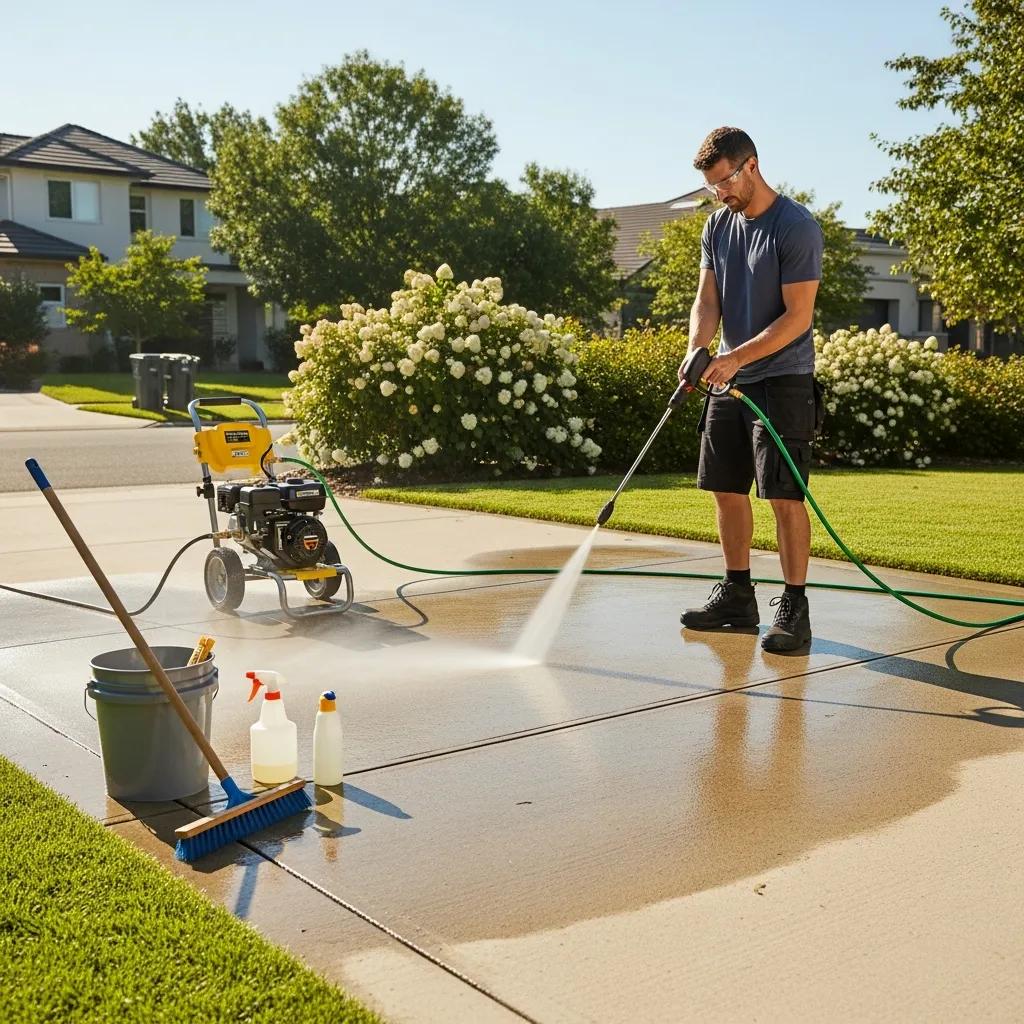
Homeowner using a pressure washer to clean a concrete driveway, surrounded by cleaning supplies like a bucket and spray bottles, emphasizing driveway maintenance practices.

Effective maintenance strategies for driveways include:

  1. Regular Cleaning: Remove debris and stains to prevent damage.
  2. Sealing: Apply sealant to protect the surface from moisture and wear. Asphalt driveways typically require sealing every 2-3 years, while concrete driveways may need sealing less frequently.
  3. Repairing Cracks: Address any cracks promptly to prevent further deterioration.

When Should You Contact Driveway Repair Companies?

Homeowners should consider contacting driveway repair companies when they notice:

  1. Severe Cracks: Large cracks can compromise the integrity of the driveway.
  2. Drainage Issues: Poor drainage can lead to water pooling and damage.
  3. Surface Damage: Significant wear or damage may require professional intervention.

What Are the Environmental and Advanced Installation Trends?

The driveway installation industry is evolving, with new trends focusing on sustainability and advanced materials. Homeowners should stay informed about these developments to make eco-friendly choices.

How Are Permeable Concrete Driveways Changing Installation Practices?

Permeable concrete driveways are gaining popularity due to their ability to manage stormwater effectively. This innovative material allows water to pass through, reducing runoff and promoting groundwater recharge. As environmental concerns grow, permeable driveways offer a sustainable solution for homeowners.

What Sustainable Materials and Drainage Solutions Are Available?

Several sustainable materials and drainage solutions are available for driveway installation, including:

  1. Recycled Asphalt: Utilizing recycled materials reduces waste and costs.
  2. Porous Pavers: These allow for natural drainage while providing a stable surface.
  3. Eco-Friendly Sealants: Non-toxic sealants protect driveways without harming the environment.
MaterialCost per Square FootBenefits
Concrete$5 - $10Durable, versatile
Asphalt$2 - $5Cost-effective, flexible
Permeable Concrete$7 - $15Eco-friendly, manages stormwater