
How to Choose the Best Concrete Contractor
Expert Tips to Vet & Hire the Best Local Concrete Contractor
Multi-Criteria Decision Making for Best Contractor Selection
Completing construction projects in time requires highly integrated contractor selection processes. Selecting the ‘best’ contractor is a multi-criteria and multi-group hard decision-making problem. The decision makers (DMs) usually do not have a joint interest in achieving agreement on choosing the best contractor.
Contractor selection for construction projects using consensus tools and big data, O Taylan, 2018
What Are the Key Qualifications of Licensed Concrete Contractors?
Key Criteria for Contractor Selection Process
Identification of relevant CSC is an important aspect of the contractor selection process. An initial list of 102 CSCs were selected based on the review of various literature regarding CSC
Contractor selection criteria: investigation of opinions of Singapore construction practitioners, D Singh, 2006
Which Certifications and Licenses Should You Verify?
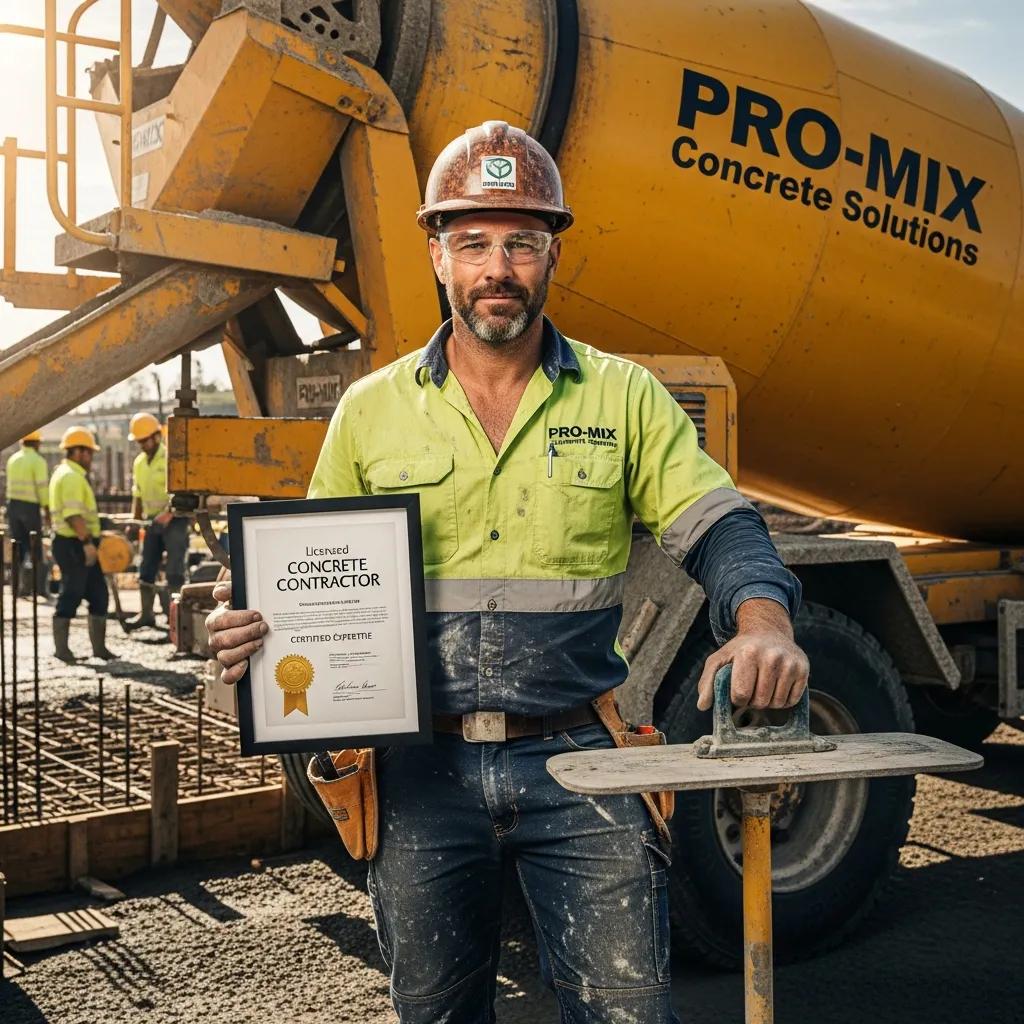
- State Licensing: Ensure the contractor holds a valid state license, which indicates they have met the necessary legal requirements to operate in your state or locality.
- Specialized Certifications: Look for certifications from recognized organizations, such as the American Concrete Institute (ACI), which demonstrate expertise in specific areas of concrete work.
- Safety Certifications: Verify that the contractor has safety certifications, such as OSHA (Occupational Safety and Health Administration) training, ensuring they adhere to industry safety standards.
Why Is Insurance Essential for Concrete Contractors?
- General Liability Insurance: This covers damages or injuries that may occur during the project, protecting you from financial loss.
- Workers' Compensation Insurance: This insurance protects you from liability if a worker is injured on your property while working on the project.
- Professional Liability Insurance (also known as Errors and Omissions Insurance): This covers any errors or omissions in the contractor's work, providing additional peace of mind. Note that not all concrete contractors carry this insurance, but it can be beneficial for design-build or consulting services.
How to Vet a Concrete Contractor: Essential Questions to Ask
What Should You Ask About Experience and Past Projects?
- How long have you been in business?: This helps gauge their level of experience in the industry.
- Can you provide references from past clients?: Speaking with previous clients can give you insight into the contractor's work quality and reliability.
- What types of projects have you completed?: Understanding their project history can help you determine if they have experience with similar projects to yours.
How to Assess Contractor Communication and Reliability?
- How do you prefer to communicate?: Understanding their communication style can help set expectations for updates and progress reports.
- What is your availability for meetings and site visits?: This will help you gauge their commitment to the project.
- How do you handle unexpected issues or changes?: Their response will indicate their problem-solving abilities and flexibility.
What Are the Typical Pricing Factors for Concrete Projects?
How to Understand Concrete Contractor Estimates and Contracts?
- Detailed Breakdown: Ensure the estimate includes a detailed breakdown of costs, including materials, labor, equipment, and any additional fees.
- Payment Terms: Understand the payment schedule and terms outlined in the contract to avoid any surprises.
- Timeline: Review the estimated timeline for project completion to ensure it aligns with your expectations.
What Influences the Cost of Residential vs. Commercial Concrete Services?
- Project Size: Commercial projects are often larger in scale, leading to higher overall costs.
- Complexity: Commercial projects may involve more complex designs, specifications, and finishing requirements, increasing labor and material costs.
- Regulatory Requirements: Commercial projects may be subject to stricter regulations, permits, and inspections, which can impact pricing.
How to Read and Use Concrete Contractor Reviews Effectively
Where to Find Trustworthy Customer Reviews and Testimonials?
- Online Review Platforms: Websites like Yelp, Angi (formerly Angie's List), and Google Reviews provide customer reviews and ratings for contractors.
- Social Media: Check the contractor's social media pages for client feedback and interactions.
- Word of Mouth: Ask friends, family, or colleagues for recommendations based on their experiences.
How to Verify References and Past Client Feedback?
- Ask Specific Questions: Inquire about the contractor's work quality, reliability, and communication skills.
- Request Project Details: Ask about the scope of the project and any challenges faced during the process.
- Follow Up: If possible, visit completed projects to see the quality of work firsthand.
Why Choose Local Concrete Contractors and Service Areas Matter

How Does Local Licensing and Compliance Impact Your Project?
What Are the Benefits of Hiring Contractors Familiar with Your Area?
- Local Knowledge: They understand the specific environmental conditions and challenges that may affect your project.
- Community Ties: Local contractors often have established relationships with suppliers and subcontractors, which can lead to better pricing and service.
- Accountability: A local contractor is more likely to be invested in their community and reputation, leading to higher accountability for their work.
| Factor | Description | Impact Level |
|---|---|---|
| Licensing | Ensures compliance with local regulations | High |
| Experience | Indicates ability to handle project complexities | High |
| Insurance | Protects against liabilities and risks | High |