
Transform Your Outdoors with an Exposed Aggregate Driveway
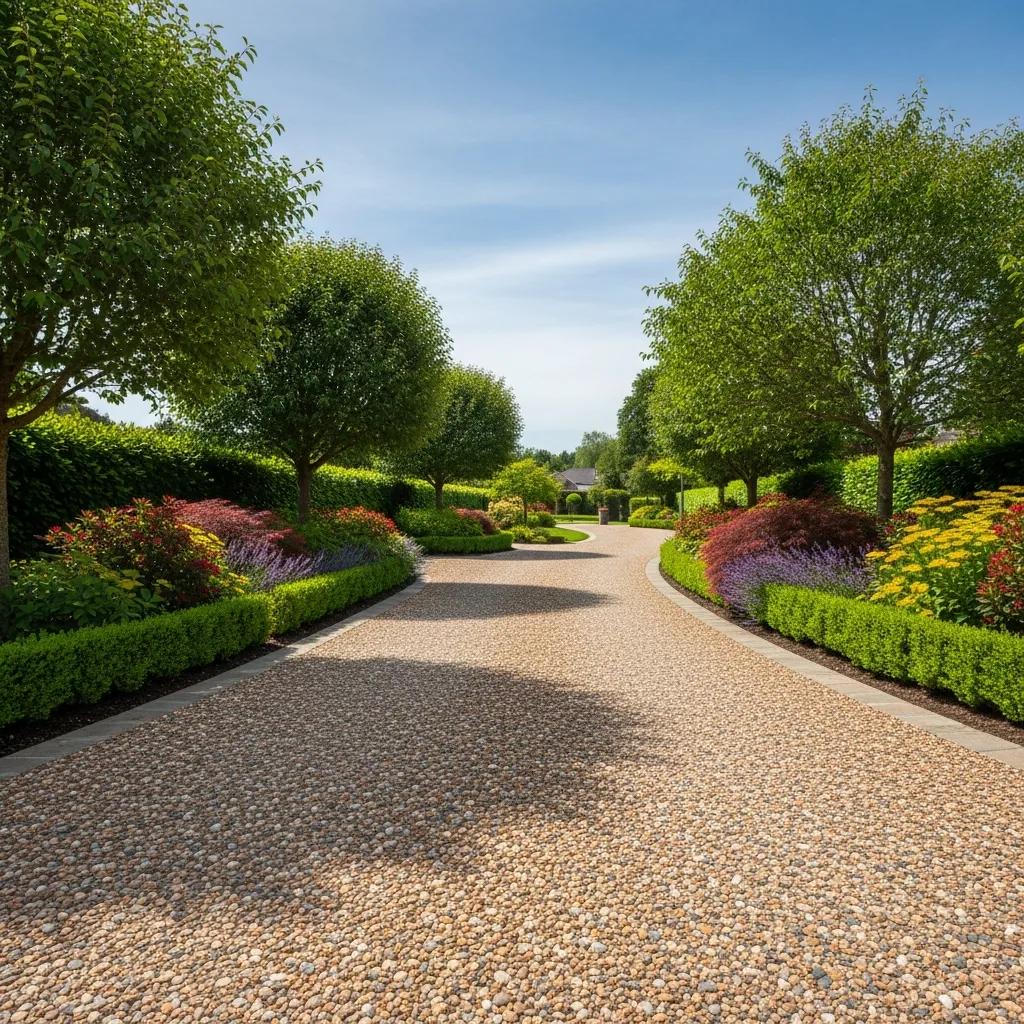
Exposed aggregate driveway winding through lush greenery and vibrant flower beds, showcasing durability and aesthetic appeal for outdoor transformation.

Complete Guide to Aggregate Driveway Repair and Maintenance: Fixing Cracks, Sealing, and Resurfacing

Aggregate driveways are a popular choice for homeowners due to their aesthetic appeal and durability. However, like any surface, they require regular maintenance to ensure longevity and functionality. This comprehensive guide will delve into the essential aspects of aggregate driveway repair and maintenance, focusing on identifying and fixing cracks, selecting the right sealers, resurfacing techniques, and cost considerations. Many homeowners face challenges with cracks and wear over time, which can lead to more significant issues if not addressed promptly. By understanding the repair processes and maintenance tips outlined in this article, you can keep your aggregate driveway in excellent condition for years to come. We will explore how to identify cracks, the best sealers for protection, effective resurfacing techniques, and essential maintenance tips to ensure your driveway remains durable.

How Do You Identify and Repair Cracks in Aggregate Driveways?

Identifying and repairing cracks in aggregate driveways is crucial for maintaining their integrity and appearance. Cracks can develop due to various factors, including temperature fluctuations, settling, and heavy loads. Understanding the types of cracks and the repair process can help homeowners take proactive measures to prevent further damage.

What Are the Common Types of Cracks in Aggregate Concrete?

There are several common types of cracks that can occur in aggregate concrete driveways:

  1. Shrinkage Cracks: These occur as the concrete dries and shrinks, often appearing as thin lines.
  2. Settlement Cracks: Resulting from ground movement or settling, these cracks can be wider and more pronounced.
  3. Surface Cracks: These are typically caused by wear and tear or freeze-thaw cycles, affecting the top layer of the driveway.

Recognizing these types of cracks early can help in determining the appropriate repair methods.

Further research highlights the ongoing efforts to mitigate shrinkage cracks, a common concern in cement-treated pavement layers.

Mitigating Shrinkage Cracks in Aggregate Driveways

However, shrinkage cracking associated with the hydration and curing of the cement-treated layers remains a concern, especially with regard to crack reflection through asphalt concrete surfacings and the related problems caused by water ingress. Considerable research has been undertaken on crack mitigation, and a range of measures related to improved mix designs and construction practices have been implemented by road agencies.

Pavement Recycling: Shrinkage Crack Mitigation in Cement-Treated Pavement Layers–Phase 1

Laboratory Testing, D Jones, 2016

What Is the Step-by-Step Process for Driveway Crack Repair?
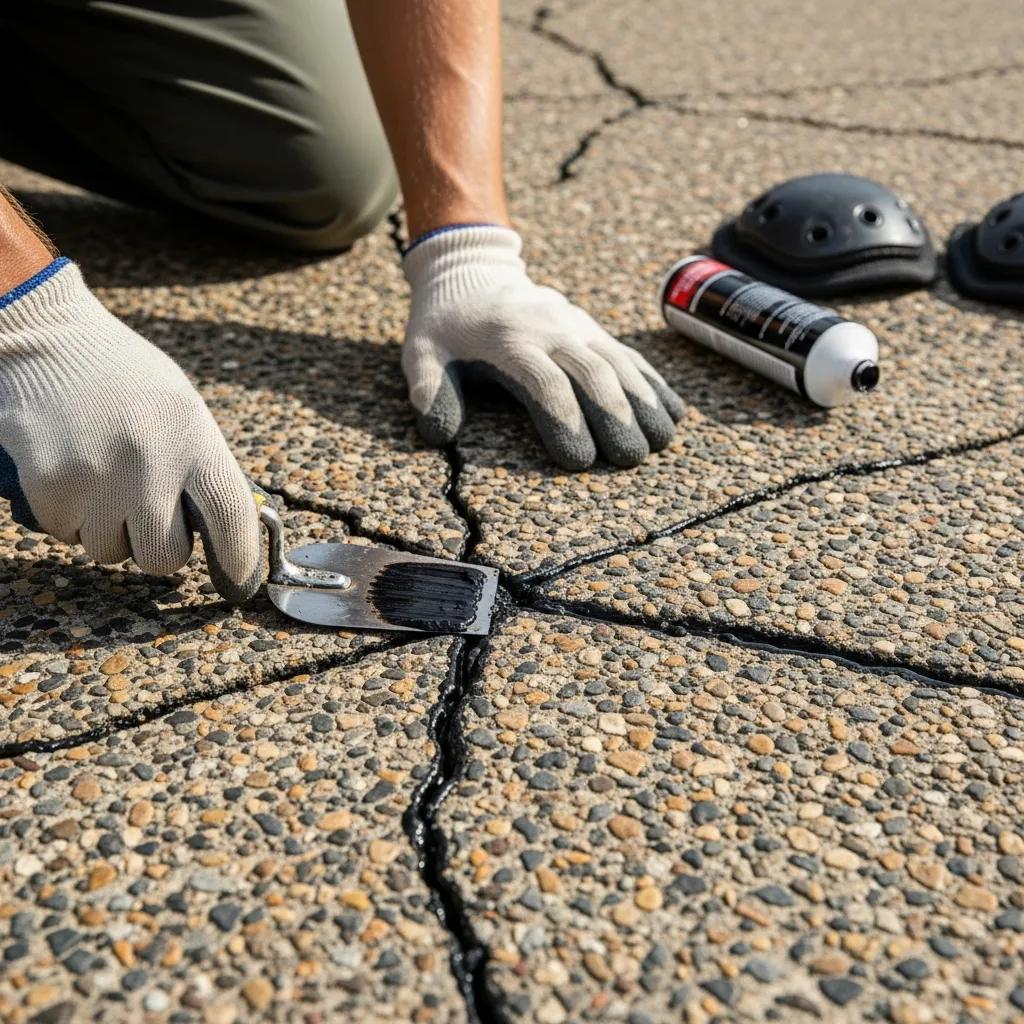
Homeowner applying crack filler to an aggregate driveway, demonstrating the repair process with tools and materials for effective driveway maintenance.

Repairing cracks in an aggregate driveway involves a systematic approach:

  1. Preparation of the Area: Clean the crack thoroughly, removing any debris or loose material.
  2. Application of Crack Filler: Use a suitable crack filler designed for concrete to fill the crack, ensuring it penetrates deeply.
  3. Finishing Touches: Smooth the surface with a trowel and allow it to cure as per the manufacturer's instructions.

By following these steps, homeowners can effectively repair cracks and extend the life of their aggregate driveways.

Which Sealers Are Best for Protecting Exposed Aggregate Surfaces?

Choosing the right sealer is essential for protecting exposed aggregate surfaces from moisture, stains, and UV damage. Sealers can enhance the appearance of the driveway while providing a protective barrier.

How to Choose the Right Sealer for Aggregate Driveways?

When selecting a sealer for aggregate driveways, consider the following factors:

  • Durability: Look for sealers that offer long-lasting protection against wear and tear.
  • Cost: Evaluate the price of sealers in relation to their performance and longevity.
  • Environmental Impact: Opt for eco-friendly sealers that are safe for pets and plants.

These criteria will help ensure that you choose a sealer that meets your driveway’s specific needs.

What Are the Benefits of Using Eco-Friendly Sealers?
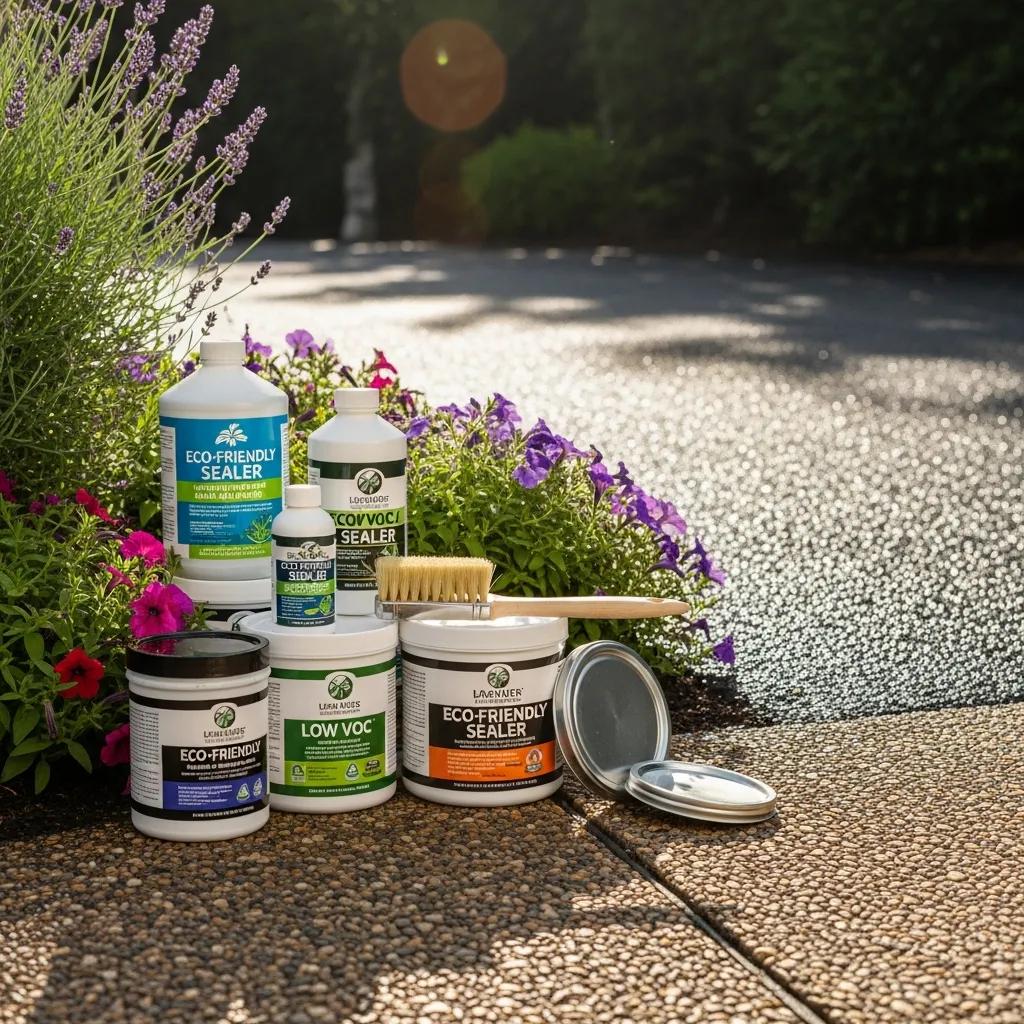
Eco-friendly sealers displayed next to a freshly sealed aggregate driveway, highlighting their benefits for the environment and enhancing driveway aesthetics.

Eco-friendly sealers provide several advantages:

  1. Reduced Environmental Impact: These sealers are formulated with fewer harmful chemicals, making them safer for the environment.
  2. Safety for Pets and Plants: They are less likely to cause harm to pets or landscaping.
  3. Long-Term Effectiveness: Many eco-friendly options offer comparable durability to traditional sealers, ensuring lasting protection.

Using eco-friendly sealers not only protects your driveway but also contributes to a healthier environment.

What Are Effective Techniques for Aggregate Driveway Resurfacing?

Resurfacing an aggregate driveway can restore its appearance and extend its lifespan. This process involves applying a new layer of material over the existing surface to repair damage and improve aesthetics.

How Does Resurfacing Extend the Life of Aggregate Concrete?

Resurfacing helps to:

  • Increase Durability: A new surface layer can protect against further cracking and wear.
  • Improve Appearance: Resurfacing can refresh the look of an aging driveway, making it more visually appealing.
  • Cost Savings Over Time: By addressing surface issues early, homeowners can avoid more extensive repairs in the future.

These benefits make resurfacing a worthwhile investment for maintaining aggregate driveways.

What Materials and Tools Are Needed for Resurfacing?

To successfully resurface an aggregate driveway, you will need:

  • Resurfacing Material: Choose a high-quality concrete mix designed for resurfacing or a specialized exposed aggregate resurfacer.
  • Tools: Essential tools include a trowel, squeegee, and a concrete mixer or mixing drill.
  • Safety Equipment: Always wear gloves, eye protection, and a mask to protect against dust and chemicals.

Having the right materials and tools will ensure a smooth resurfacing process.

How Much Does Aggregate Driveway Repair and Maintenance Cost?

Understanding the costs associated with aggregate driveway repair and maintenance can help homeowners budget effectively. Various factors influence these costs, including the extent of damage and the materials used.

What Are Typical Prices for Crack Repair and Sealing Services?

Typical prices for driveway repair services can vary widely based on location and service provider. On average, homeowners can expect to pay:

  • Crack Repair: $150 - $500 depending on the size and number of cracks.
  • Sealing Services: $0.75 - $2.00 per square foot, depending on the type of sealer used and the condition of the driveway.

These price ranges provide a general idea of what to expect when budgeting for repairs.

How to Compare Repair Products and Materials by Cost and Durability?

When evaluating repair products, consider the following:

Product TypeCost RangeDurability Rating
Crack Filler$10 - $40Moderate (2-5 years)
Sealers$50 - $200High (3-5 years)
Resurfacing Material$150 - $400High (5-10 years)

This comparison helps homeowners make informed decisions based on their budget and the expected longevity of the products.

Complete Guide to Exposed Aggregate Driveway Repair and Maintenance

Regular maintenance is key to prolonging the life of aggregate driveways. Implementing a few simple practices can prevent costly repairs down the line.

How Often Should You Seal and Inspect Your Aggregate Driveway?

It is recommended to seal your aggregate driveway every 2-4 years and conduct inspections annually. Regular inspections can help identify issues early, allowing for timely repairs.

What Cleaning Methods Preserve the Exposed Aggregate Finish?

To maintain the exposed aggregate finish, consider the following cleaning methods:

  1. Pressure Washing: Use a pressure washer with a fan tip at moderate pressure to remove dirt and debris without damaging the surface.
  2. Mild Detergents: Apply mild, pH-neutral detergents to eliminate stains without harming the aggregate.
  3. Avoid Harsh Chemicals: Steer clear of acidic, alkaline, or abrasive cleaners that can damage the surface.

These cleaning methods will help preserve the aesthetic and functional qualities of your aggregate driveway.