
Concrete Staining vs. Dyeing: What's the Difference?
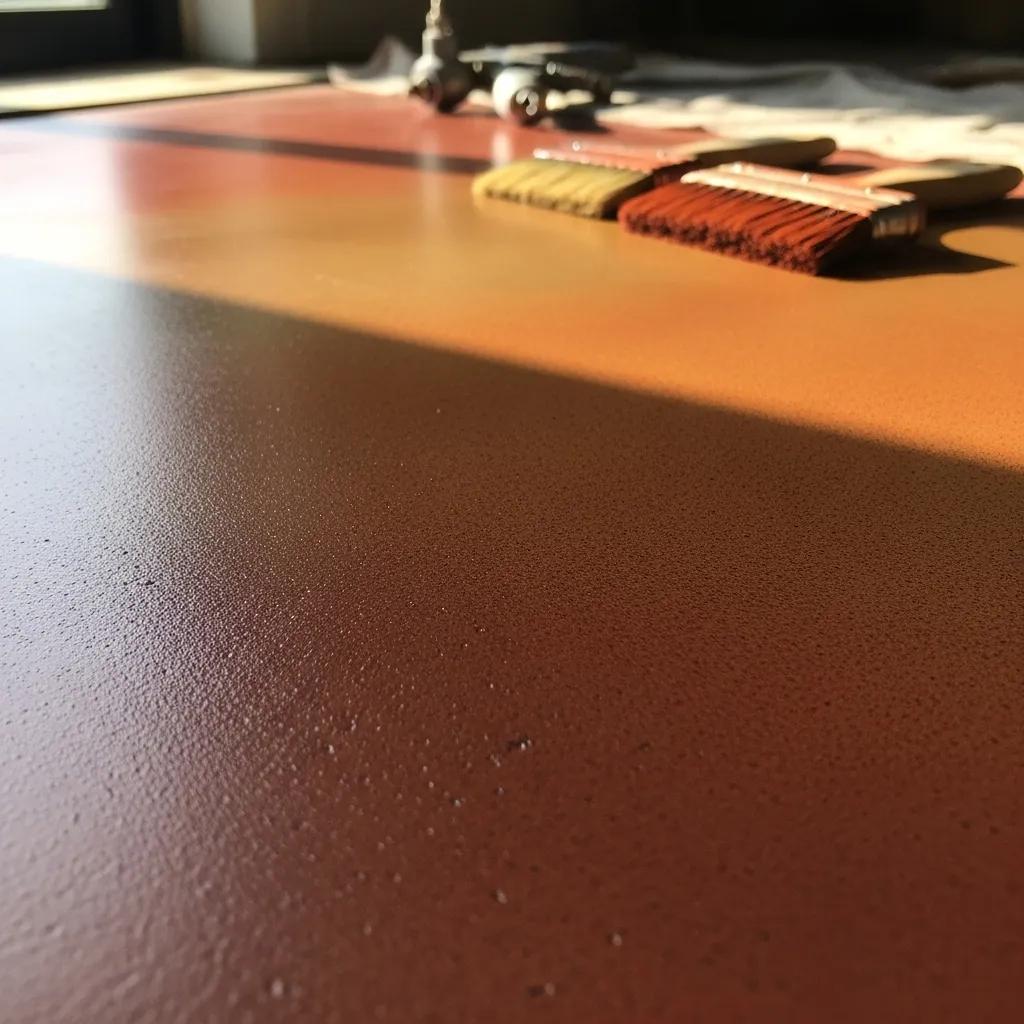
Stained concrete surface showcasing rich earthy tones and textures with paintbrushes, illustrating techniques for concrete coloring methods.

Concrete Staining vs. Dyeing: Understanding Key Differences and Choosing the Best Concrete Coloring Method

Concrete is a versatile material that can be enhanced through various coloring techniques, notably staining and dyeing. Understanding the differences between these two methods is crucial for homeowners and contractors looking to achieve specific aesthetic results. This article will explore the core distinctions between concrete staining and dyeing, including their definitions, application techniques, durability, and maintenance requirements. By the end, readers will be equipped to make informed decisions about which method best suits their concrete finishing needs.

Indeed, the ability of these methods to transform ordinary surfaces is a key reason for their popularity.

Concrete Stains & Dyes: Aesthetic Transformation

Concrete stains and dyes allow customers to transform ordinary gray concrete into an aesthetic finish. Upgrading aesthetics with concrete staining has become more attainable and is no longer just for the rich.

Transforming Concrete with Creativity and Staining Technology., 2015

Concrete Staining vs Dyeing: Key Differences & Best Coloring Method

Concrete staining and dyeing are two popular methods for adding color to concrete surfaces, each with unique characteristics and applications.

Concrete staining involves the use of acid or water-based solutions that penetrate the surface of the concrete, creating a translucent color effect. This method enhances the natural texture and variations of the concrete, resulting in a rich, variegated appearance. The chemical reaction between the acid stain and the concrete creates a permanent bond, ensuring long-lasting color.

This chemical interaction is fundamental to how acid stains achieve their lasting effect.

Acid Stains: Chemical Reaction for Durable Concrete Color

Despite their durability, acid-stains were primarily utilized as a decorative finish. Unlike paints, acid-stains color the concrete via chemical reaction with the minerals in the concrete and bond with the substrate.

Recreating Acid Stains on Historic Concrete, 2016

In contrast, concrete dyeing utilizes pigments that are dissolved in a solvent to create vibrant, often more uniform color. Dyes can provide a broader range of colors compared to acid stains and are often used for more uniform color applications. Unlike acid stains, dyes do not chemically bond with the concrete, which can affect their longevity and maintenance requirements.

How Does Concrete Staining Work Using Acid and Water-Based Stains?

Concrete staining works through a chemical reaction, particularly with acid stains. When applied, the acid reacts with the minerals in the concrete, producing a permanent color change. This method is ideal for achieving earthy tones and a natural look. Water-based stains, on the other hand, use pigments suspended in a water solution. They penetrate the surface but do not react chemically, allowing for a wider range of colors and easier application.

What Are Concrete Dyes and How Do They Provide Vibrant Colors?

Concrete dyes are composed of synthetic pigments that dissolve in a solvent, allowing for a more vibrant and diverse color palette. The dye penetrates the concrete surface, providing a more uniform color than acid stains. Dyes are particularly effective for achieving bright, bold colors and can be used in combination with stains for unique effects. However, because they do not chemically bond with the concrete, they may require more frequent maintenance to maintain their appearance.

Which Concrete Coloring Methods Offer Better Durability and Longevity?
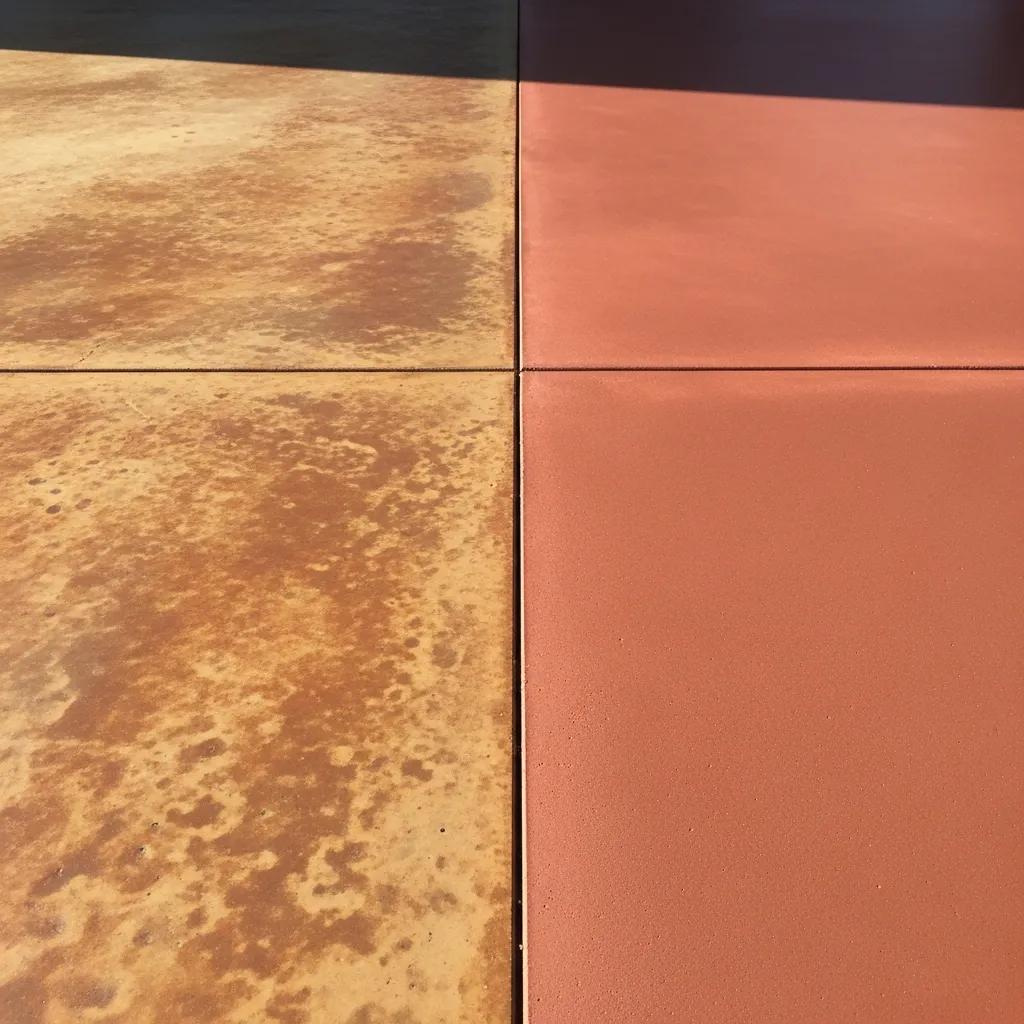
Comparison of stained concrete with earthy tones on the left and dyed concrete in a vibrant red hue on the right, highlighting differences in texture and color.

When considering durability and longevity, both staining and dyeing have their advantages and disadvantages.

How Long Do Acid Stains Last Compared to Concrete Dyes?

Acid stains are known for their durability, often lasting for many years without significant fading. The chemical reaction that occurs during staining creates a bond with the concrete, making it resistant to wear and tear. In contrast, concrete dyes may fade more quickly, especially in high-traffic areas or when exposed to direct sunlight and harsh weather conditions. While dyes can provide vibrant colors, they typically require reapplication every 1 to 3 years to maintain their appearance, depending on exposure and use.

Further emphasizing their longevity, research confirms that acid stains create a deeply embedded, permanent color.

Acid Stain Durability: Permanent Color Through Concrete Penetration

This finish was integral to the lodge’s aesthetic and to the overall design. Acid stains penetrate the concrete matrix, creating a permanent, durable color that depends on the composition of the concrete substrate, not on the properties of the stain itself.

Performance Testing of Acid Stains on Historic Concrete, F Matero, 2018

What Maintenance Is Required for Stained vs. Dyed Concrete Surfaces?

Maintenance requirements differ significantly between stained and dyed concrete surfaces. Stained concrete generally requires less upkeep, as the color is embedded within the concrete. Regular cleaning and periodic resealing can help preserve its appearance. Conversely, dyed concrete may need more frequent maintenance, including reapplication of the dye to restore its vibrancy. Additionally, protective sealers are recommended for both methods to enhance durability and prevent damage.

What Are the Different Types of Concrete Stains and Dyes Available?

There are various types of concrete stains and dyes available, each offering unique characteristics and aesthetic options.

What Are the Characteristics of Acid Stains and Water-Based Dyes?

Acid stains are typically limited to earthy tones, such as browns, greens, blues, and terra cottas, due to their chemical composition. They create a mottled, variegated effect that enhances the natural beauty of the concrete. Water-based dyes, however, offer a broader spectrum of colors, including bright and bold hues. They can be mixed to create custom shades, making them versatile for various design applications.

How Do Decorative Concrete Finishes Vary by Stain and Dye Types?

Decorative concrete finishes can vary significantly based on the type of stain or dye used. Acid stains often result in a more natural, stone-like appearance, while water-based dyes can achieve a more uniform and vibrant look. Additionally, the application technique can influence the final finish, with options for stenciling, stamping, or layering colors to create unique designs.

How Do Application Techniques Differ Between Concrete Staining and Dyeing?
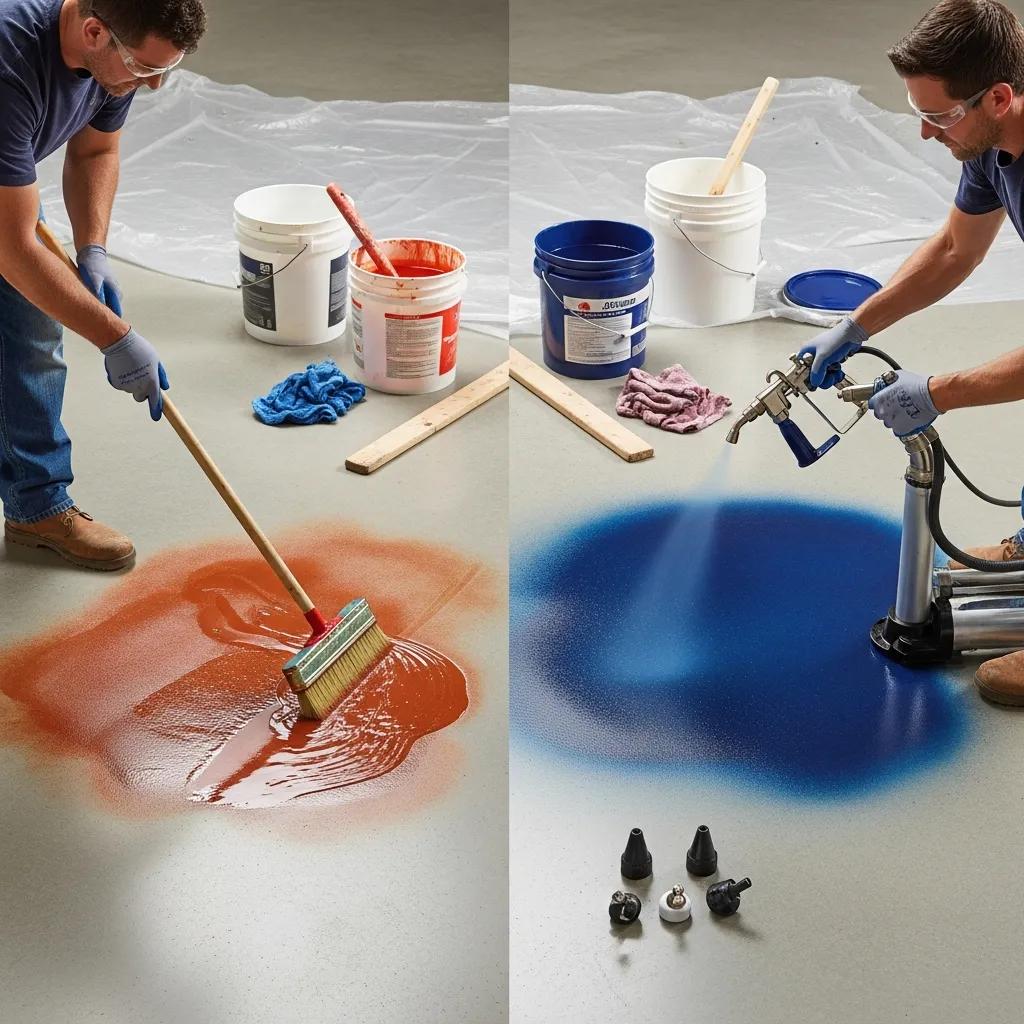
Person applying concrete stain with a brush on the left and spraying water-based dye on the right, showcasing different application techniques for decorative concrete finishes.

The application techniques for staining and dyeing differ in several key aspects.

What Surface Preparation Steps Are Essential for Staining and Dyeing?

Proper surface preparation is crucial for both staining and dyeing. For staining, the concrete surface must be clean, free of debris, and ideally, slightly porous to allow for better penetration. This may involve cleaning with a degreaser and rinsing thoroughly. For dyeing, the surface should also be clean, but it may require a more thorough grinding or polishing to ensure the dye adheres properly.

What Are the Step-by-Step Application Methods for Each Coloring Technique?

The application methods for staining and dyeing involve distinct steps. For staining, the process typically includes:

  1. Surface Preparation: Clean and prepare the concrete.
  2. Application: Apply the stain using a sprayer or brush, ensuring even coverage.
  3. Reaction Time: Allow the stain to react with the concrete for the recommended time.
  4. Rinsing: Rinse the surface to remove any excess stain.
  5. Sealing: Apply a sealer to protect the finish.

For dyeing, the steps include:

  1. Surface Preparation: Clean and prepare the concrete, possibly grinding for better adhesion.
  2. Mixing the Dye: Combine the dye with the appropriate solvent.
  3. Application: Apply the dye evenly across the surface.
  4. Drying Time: Allow the dye to dry completely.
  5. Sealing: Seal the surface to protect the color.

How Do Cost and Environmental Considerations Influence the Choice Between Staining and Dyeing?

Cost and environmental factors can significantly influence the decision between staining and dyeing.

What Are the Typical Costs Associated with Concrete Staining vs. Dyeing?

The costs associated with concrete staining and dyeing can vary based on several factors, including the size of the area, the complexity of the design, and the materials used. Generally, staining tends to be more cost-effective, with prices ranging from $2 to $5 per square foot, while dyeing can range from $3 to $7 per square foot due to the additional materials and labor involved.

What Are the Environmental Impacts of Acid Stains and Water-Based Dyes?

Environmental considerations are increasingly important in the choice of concrete coloring methods. Acid stains contain chemicals that require careful handling and disposal to avoid environmental harm. In contrast, water-based dyes are typically more eco-friendly, with lower levels of volatile organic compounds (VOCs). Choosing environmentally responsible products and following proper application and disposal guidelines can help minimize the ecological impact of concrete finishing projects.

Where Can You Find Professional Concrete Staining and Dyeing Services?

For those looking to enhance their concrete surfaces, professional services can provide expertise and quality results.

How Does Morici Bros Concrete Provide Expert Staining and Dyeing Solutions?

Morici Bros Concrete specializes in decorative concrete solutions, including both staining and dyeing services. Their team of professionals is trained in the latest techniques and uses high-quality materials to ensure durable and aesthetically pleasing results. Whether you are a homeowner or a contractor, Morici Bros Concrete can help you achieve the desired look for your concrete surfaces.

How to Request a Concrete Staining or Dyeing Quote and Service Area Information?

To request a quote for concrete staining or dyeing services, interested parties can contact Morici Bros Concrete directly. They provide detailed information about their service areas and can guide you through the process of selecting the best options for your project. Reach out to their team for personalized assistance and to discuss your specific needs.

GDPR compliance logo on blue background, indicating privacy and cookie management for Morici Bros Concrete website.
Privacy Overview

This website uses cookies so that we can provide you with the best user experience possible. Cookie information is stored in your browser and performs functions such as recognising you when you return to our website and helping our team to understand which sections of the website you find most interesting and useful.