Best Practices for Cleaning Concrete Surfaces
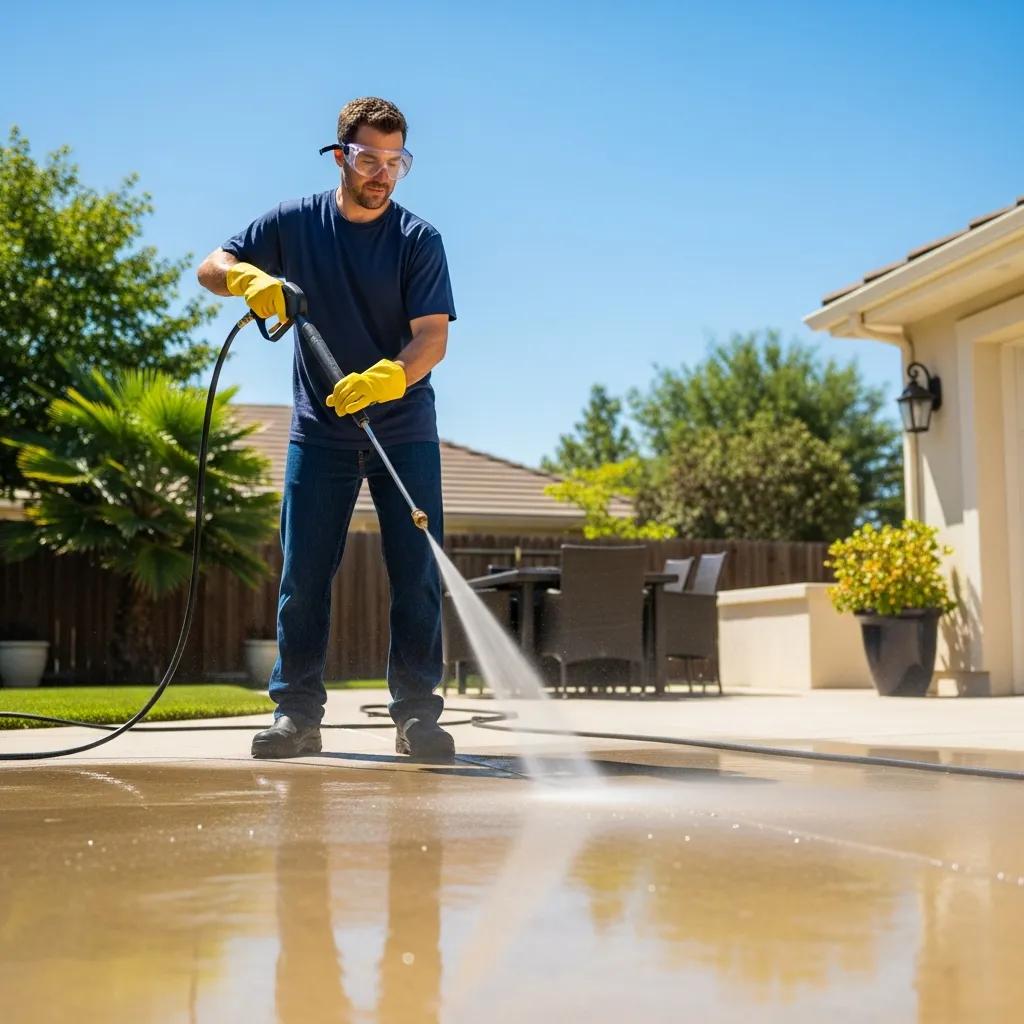
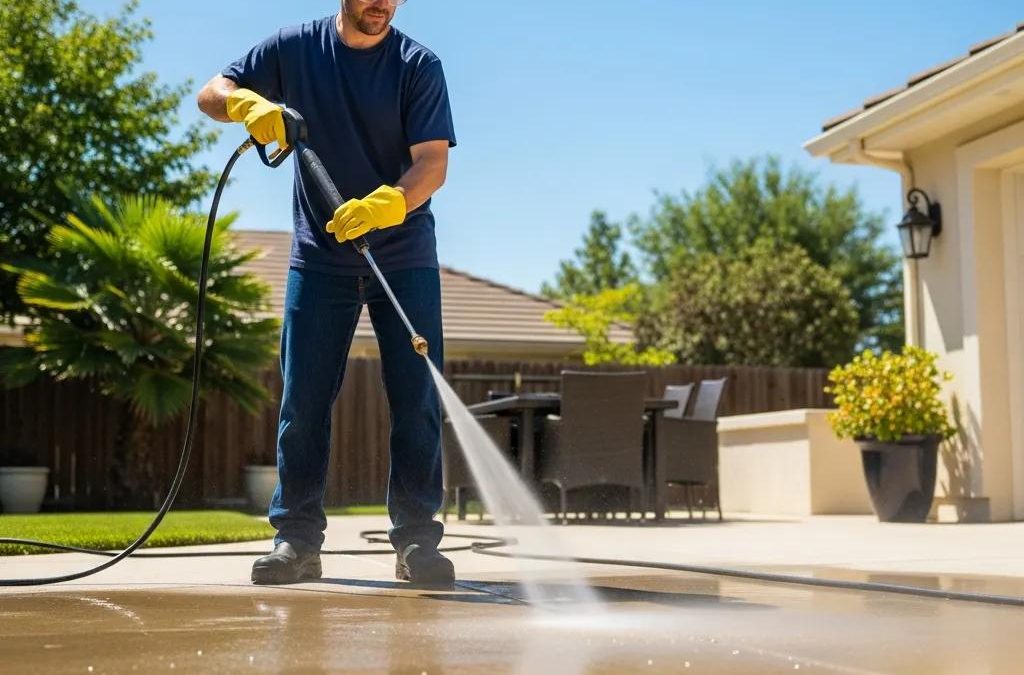
Person cleaning concrete surface with pressure washer on a sunny day, demonstrating best practices for maintaining concrete surfaces.

Top Concrete Cleaning Methods and Maintenance Tips

Cleaning concrete surfaces is essential for maintaining their appearance and longevity. Whether it’s a driveway, patio, or commercial space, effective cleaning methods can enhance the aesthetic appeal and durability of concrete. This article will explore the best practices for cleaning concrete surfaces, focusing on various methods, stain removal techniques, recommended products, and maintenance tips. Many property owners struggle with stubborn stains and the upkeep of their concrete surfaces, but with the right knowledge and tools, these challenges can be easily addressed. We will cover effective cleaning methods, how to remove common stains, recommended cleaning products, maintenance practices, and safety considerations.

What Are the Most Effective Concrete Surface Cleaning Methods?

When it comes to cleaning concrete surfaces, several methods can be employed to achieve optimal results. The choice of method often depends on the type of stain, the surface condition, and the desired outcome.

How Does Pressure Washing Clean Concrete Surfaces Safely?

Pressure washing is one of the most effective methods for cleaning concrete surfaces. This technique uses high-pressure water jets to remove dirt, grime, and stains without damaging the concrete when used properly. The process involves adjusting the pressure settings to suit the surface type, maintaining a safe distance from the surface to prevent etching or surface damage, and using appropriate safety gear to protect the operator. Pressure washing not only cleans but also revitalizes the surface, making it look refreshed.

What Are Alternative Cleaning Techniques for Concrete?

In addition to pressure washing, there are several alternative cleaning techniques for concrete surfaces. These include scrubbing with brushes, using chemical cleaners, and eco-friendly options like vinegar and baking soda. Each method has its pros and cons. For instance, scrubbing can be labor-intensive but is effective for localized stains, while chemical cleaners can provide quick results but may have environmental impacts. Understanding these alternatives allows property owners to choose the best method for their specific needs.

How Can You Remove Common Concrete Stains Like Oil, Rust, and Mold?

Concrete surfaces are prone to various stains, including oil, rust, and mold. Knowing how to effectively remove these stains is crucial for maintaining the integrity and appearance of the surface.

What Are the Best Techniques for Oil Stain Removal on Concrete?
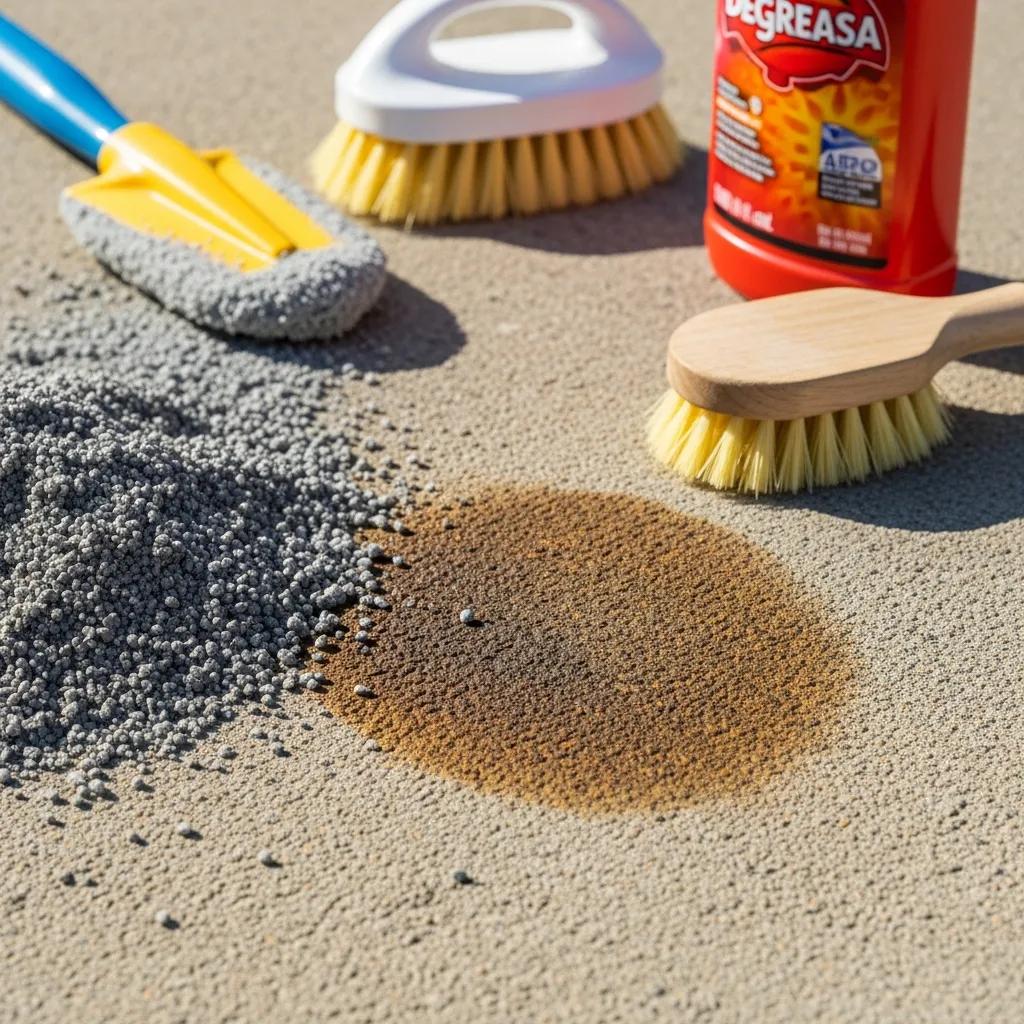
Tools and materials for oil stain removal on concrete surface, including a bottle of degreaser, two brushes, and absorbent granules, with a visible oil stain on the concrete.

Oil stains can be particularly stubborn on concrete. The best techniques for removal include using absorbent materials like cat litter or sawdust to soak up excess oil, followed by scrubbing with a degreaser or a mixture of dish soap and hot water. For tougher stains, a commercial concrete cleaner or a poultice made from baking soda or powdered detergent may be necessary. Applying these methods promptly can prevent the stain from setting and becoming more difficult to remove.

Further innovative approaches to tackling stubborn concrete stains involve advanced masking and degradation methods.

Concrete Stain Removal: Masking & Degradation Methods

Methods, compositions and kits for masking and subsequent removal of oil, grease, rust and other stains from a variety of rough solid surfaces, including, but not limited to stone, concrete, asphalt, stucco brick, and ceramic. The methods include coating the stains with an opaque or translucent thin film of a composition that makes the stain practically indistinguishable against the background, exposing the coated stain to the elements, such as, sunlight, air, moisture, resulting in spontaneous transformation, degradation and subsequent removal of the stains from the solid surfaces. The compositions include a photocatalyst by itself or the photocatalyst combined with at least one of, a sensitizer, a dopant, a mediator, a co-reagent, a pigment and a binder. The role of a photocatalyst is to produce highly reactive species or radicals and initiate the degradation of a stain upon exposure to elements, such as, sunlight, air and ambient humidity.

A Method for Masking and Removing Oil Stains from Rugged Solid Surfaces, N Muradov, 2008

How to Effectively Treat Rust and Mold Stains on Concrete Surfaces?

Rust and mold stains require specific treatment methods. For rust, using a mixture of lemon juice or white vinegar and water or a commercial rust remover can be effective. Baking soda and water paste can also help lift rust stains. Mold stains can be treated with a solution of diluted bleach (typically 1 part bleach to 10 parts water), ensuring proper ventilation and safety precautions are taken. Regular maintenance and prompt treatment of these stains can help keep concrete surfaces looking their best.

Which Cleaning Products and Equipment Are Recommended for Concrete Surfaces?

Choosing the right cleaning products and equipment is essential for effective concrete maintenance. Various options are available, each designed to tackle specific cleaning challenges.

What Are the Top Eco-Friendly Concrete Cleaning Products?

Selection of eco-friendly concrete cleaning products including biodegradable degreasers, vinegar-based cleaners, and natural enzyme cleaners on a wooden table with green plants in the background.

Eco-friendly concrete cleaning products are gaining popularity due to their effectiveness and reduced environmental impact. Some recommended products include biodegradable degreasers, vinegar-based cleaners, and natural enzyme cleaners. These products not only clean effectively but also minimize harm to the environment, making them a great choice for conscientious property owners.

How to Choose and Use Pressure Washers for Concrete Cleaning?

When selecting a pressure washer for concrete cleaning, consider factors such as PSI ratings, nozzle types, and maintenance requirements. A pressure washer with a PSI between 2500 and 4000 is generally ideal for concrete surfaces. It’s important to use the correct nozzle (usually a 25-degree or 40-degree nozzle) to avoid damaging the surface and to follow the manufacturer’s instructions for safe operation. Regular maintenance of the pressure washer ensures its longevity and effectiveness.

How Should You Maintain and Seal Concrete Surfaces After Cleaning?

Proper maintenance and sealing of concrete surfaces after cleaning are crucial for prolonging their lifespan and appearance.

Why Is Concrete Sealing Important Post-Cleaning?

Concrete sealing is essential after cleaning as it protects the surface from stains, moisture, and wear. Sealing creates a barrier that prevents dirt and grime from penetrating the concrete, making future cleaning easier. Additionally, it enhances the surface’s appearance by providing a protective finish and can help prevent cracking and spalling.

What Are the Best Practices for Ongoing Concrete Surface Maintenance?

Ongoing maintenance practices for concrete surfaces include regular cleaning, inspections for cracks or damage, and resealing as needed. A maintenance schedule should be established, typically involving cleaning every few months and resealing every 1 to 3 years, depending on the surface’s exposure to elements and traffic. This proactive approach helps maintain the integrity and appearance of concrete surfaces over time.

What Safety and Environmental Considerations Should You Follow When Cleaning Concrete?

Safety and environmental considerations are paramount when cleaning concrete surfaces to protect both the operator and the environment.

How to Ensure Safe Pressure Washing Practices on Concrete?

To ensure safe pressure washing practices, operators should wear appropriate personal protective equipment (PPE), including goggles, gloves, and non-slip footwear. It’s also important to prepare the site by removing obstacles and ensuring proper drainage to prevent water pooling. Following manufacturer guidelines for equipment use and maintenance further enhances safety during the cleaning process.

What Are the Environmental Impacts of Concrete Cleaning and How to Minimize Them?

Concrete cleaning can have environmental impacts, particularly when using chemical cleaners. To minimize these effects, opt for eco-friendly cleaning products, avoid overuse of water, and ensure proper disposal of wastewater. Implementing sustainable practices not only protects the environment but also promotes responsible property management.

Cleaning MethodDescriptionEffectivenessEnvironmental Impact
Pressure WashingHigh-pressure water jets remove dirt and stainsHighModerate (depends on water usage and runoff management)
ScrubbingManual cleaning with brushes and cleanersModerateLow (if eco-friendly products used)
Chemical CleanersFast-acting solutions for tough stainsHighHigh (potential runoff and chemical contamination)

Concrete surfaces require regular cleaning and maintenance to ensure their longevity and aesthetic appeal. By employing effective cleaning methods, utilizing the right products, and following best practices for maintenance, property owners can keep their concrete surfaces looking their best for years to come. Morici Bros Concrete specializes in providing high-quality concrete solutions, including cleaning, installation, and maintenance, ensuring that your concrete surfaces remain in optimal condition.

GDPR compliance logo on blue background, indicating privacy and cookie management for Morici Bros Concrete website.
Privacy Overview

This website uses cookies so that we can provide you with the best user experience possible. Cookie information is stored in your browser and performs functions such as recognising you when you return to our website and helping our team to understand which sections of the website you find most interesting and useful.