
Why & How to Seal Your Concrete
Why and How to Seal Your Concrete for Lasting Surface Protection
What Are the Benefits of Concrete Surface Protection?
How Does Sealing Prevent Concrete Cracks and Damage?
Why Is Concrete Waterproofing Essential in Syracuse, NY?
Which Types of Concrete Sealants Are Best for Your Needs?

Penetrating Sealers: Concrete Protection & Service Life Extension
Crystal penetrating sealer materials (PSMs) are commonly used on the surface of concrete to protect the surface from damage and thereby extend its service life. Such materials penetrate into existing pores or cracks and form crystals, which block potential paths through which unknown materials could enter and degrade the concrete.
Evaluation of penetration depth and protective effectiveness of concrete-penetrating sealer materials, 2016
What Are the Differences Between Penetrating and Topical Sealants?
| Sealant Type | Characteristics | Best Use Cases |
|---|---|---|
| Penetrating Sealers | Infiltrate concrete, create a chemical barrier | Ideal for driveways, patios, and sidewalks |
| Topical Sealers | Form a protective layer on the surface | Best for decorative concrete and floors |
How to Choose the Best Concrete Sealers for Driveways, Patios, and Commercial Floors?
- Surface Type: Determine whether your concrete is exposed to heavy traffic, chemicals, or moisture.
- Desired Finish: Decide if you want a glossy or matte finish, as this will influence your choice of topical sealers.
- Environmental Conditions: Consider the local climate and how it may affect the performance of the sealant.
How to Apply Concrete Sealants: Step-by-Step Guide

What Are the Recommended Application Methods: Spray, Brush, or Roll?
- Spray Application: Ideal for large areas, providing an even coat without brush marks.
- Brush Application: Best for detailed work and edges, ensuring thorough coverage.
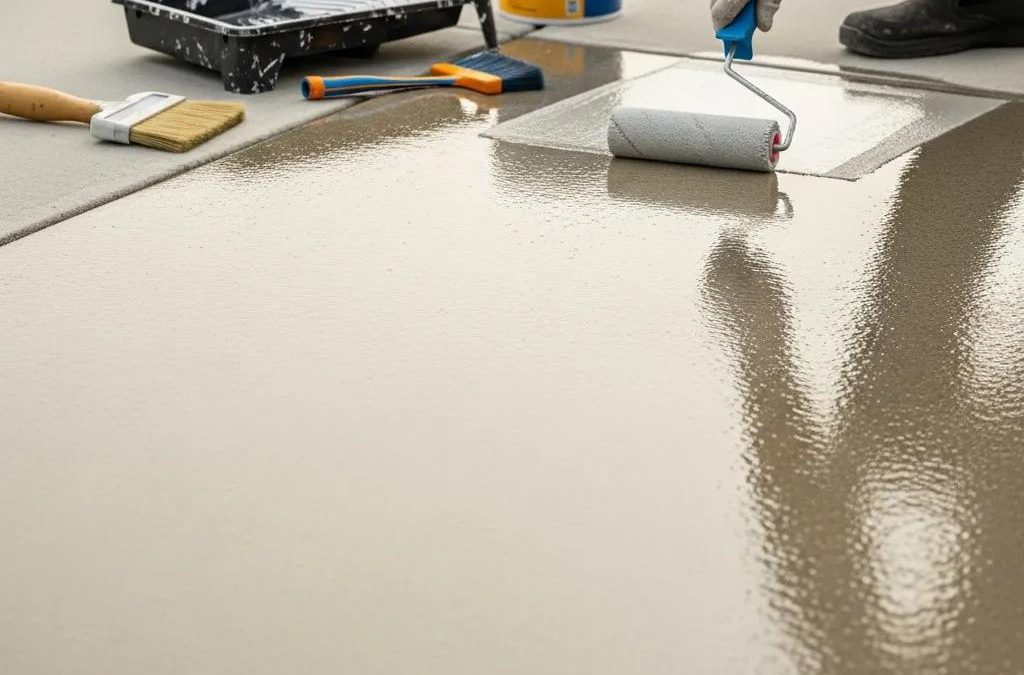
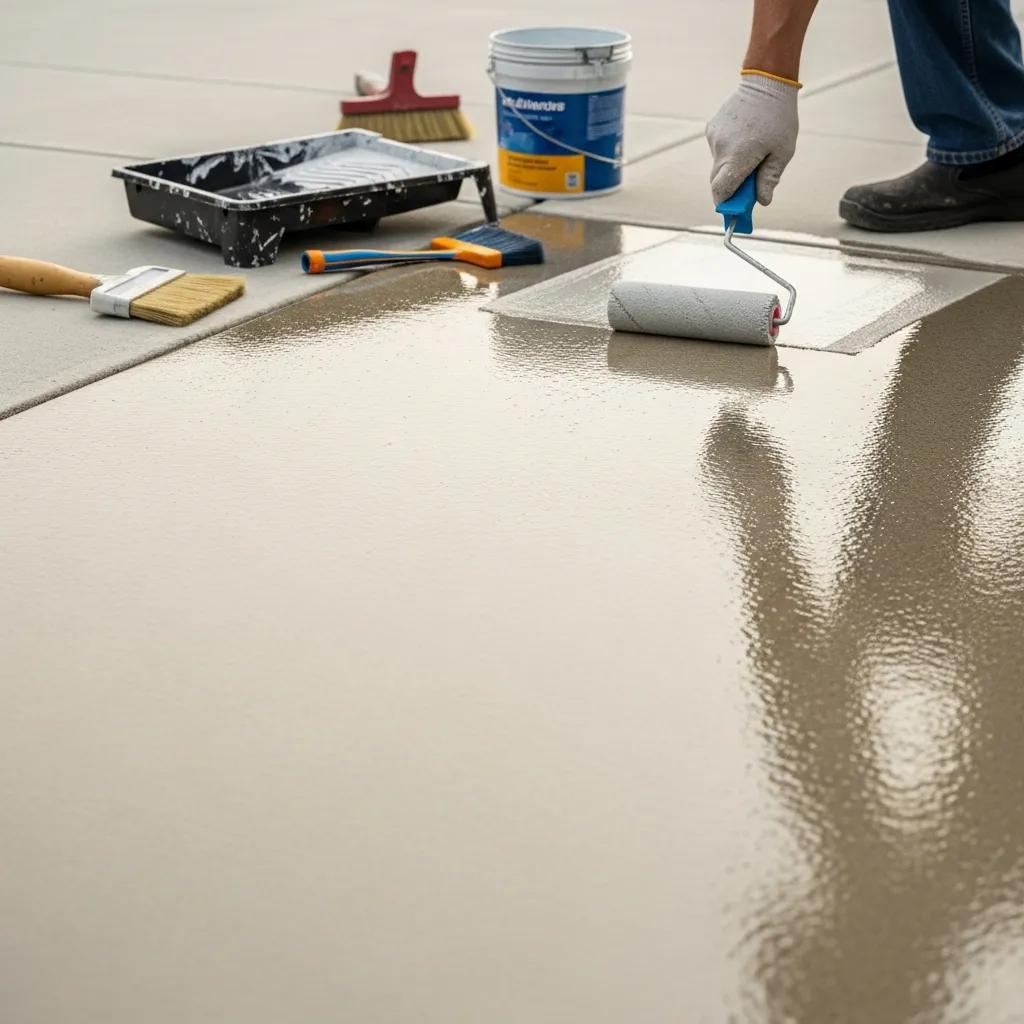
- Roller Application: Effective for flat surfaces, allowing for quick and uniform application.
How to Prepare Concrete Surfaces Before Sealing?
- Clean the Surface: Remove dirt, oil, and debris using a pressure washer or a suitable cleaner.
- Repair Cracks: Fill any cracks or holes with a concrete patching compound to ensure a smooth surface.
- Allow to Dry: Ensure the surface is completely dry before applying the sealant.
How Often Should You Seal Concrete and Maintain Its Durability?
What Maintenance Tips Extend the Life of Sealed Concrete?
- Regular Cleaning: Sweep and wash the surface regularly to remove dirt and debris.
- Inspect for Damage: Check for signs of wear or damage and address them promptly.
- Reapply Sealant: Depending on the type of sealant used, reapply every 2-5 years to maintain protection.
How Long Does Concrete Sealing Last Under Syracuse Climate Conditions?
What Are the Costs and ROI of Concrete Sealing in Syracuse, NY?
How Does Concrete Sealing Prevent Costly Repairs?
What Are Typical Pricing Factors for Concrete Sealing Services?
- Surface Area: Larger areas will typically cost more to seal.
- Type of Sealant: Different sealants have varying price points, with penetrating sealers often being more affordable than high-end topical options.
- Labor Costs: Professional application may incur additional labor costs, depending on the complexity of the job.
What Are the Environmental Benefits of Modern Concrete Sealants?
How Do Sealants Contribute to Sustainable Concrete Protection?
What Recent Industry Data Supports Sealant Effectiveness?
| Sealant Type | Environmental Impact | Longevity | Effectiveness |
|---|---|---|---|
| Eco-Friendly Sealers | Low VOC emissions | 3-5 years | High |
| Traditional Sealers | Higher VOC emissions | 1-3 years | Moderate |