
Understanding the Differences

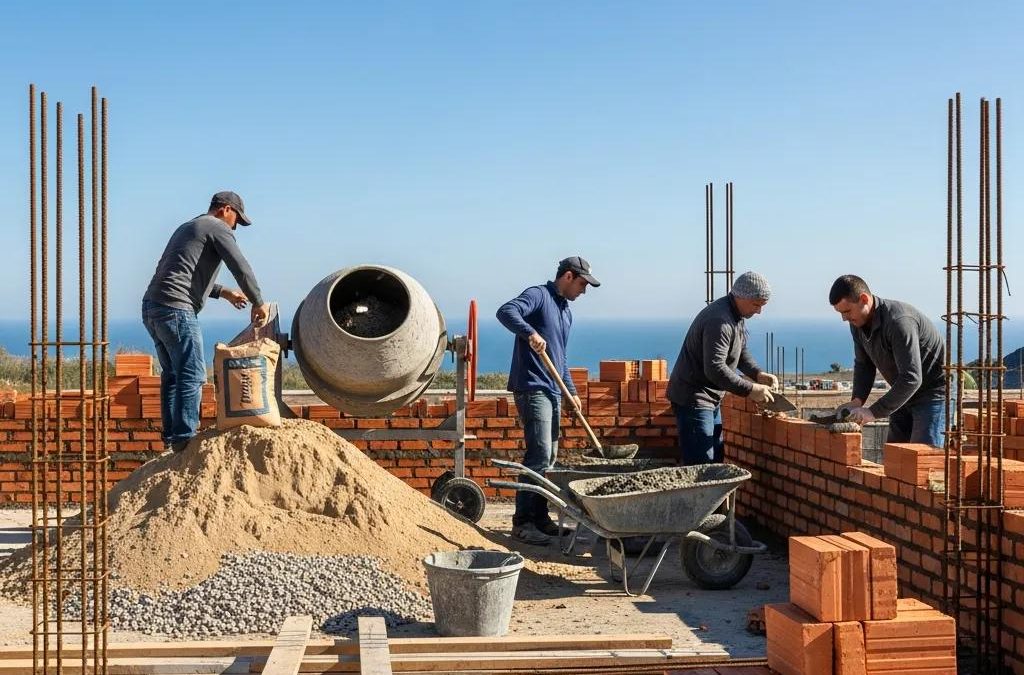
Construction site with workers using concrete, cement, and mortar materials to build walls, showcasing a concrete mixer, sand, gravel, and brick stacks.

Understanding the Differences Between Concrete, Cement, and Mortar: A Comprehensive Guide for Building Materials and Construction Services

Concrete, cement, and mortar are fundamental materials in construction, each serving distinct purposes and possessing unique properties. Understanding these differences is crucial for homeowners and property managers when planning construction or renovation projects. This comprehensive guide will delve into the composition, types, and applications of concrete, cement, and mortar, providing clarity on their roles in building and construction services. Many individuals face confusion regarding which material to use for specific applications, leading to potential project delays and increased costs. By exploring the characteristics and uses of these materials, readers will be better equipped to make informed decisions. The article will cover the following sections: what concrete is, the types of cement, the various mortar types, how to choose the right building materials, and the concrete installation and repair services offered in Syracuse, NY.

What Is Concrete: Composition, Types, and Common Uses

Concrete is a composite material made from a mixture of cement, water, aggregates, and sometimes additives. This combination results in a strong, durable substance that is widely used in construction for various applications, including foundations, pavements, and structural components. The key components of concrete work together to provide strength and longevity, making it a preferred choice for many construction projects. The versatility of concrete allows it to be molded into different shapes and sizes, catering to a wide range of construction needs.

How Is Concrete Made and What Are Its Key Components?

Concrete is made by mixing cement, water, and aggregates, which can include sand, gravel, or crushed stone. The cement acts as a binding agent, while the aggregates provide bulk and strength. The mixing process involves combining these ingredients in specific proportions to achieve the desired consistency and strength. Quality materials are essential, as they directly impact the durability and performance of the final product. Proper mixing techniques ensure that the components are evenly distributed, resulting in a uniform and robust concrete mix.

What Are the Different Types of Concrete Mixes and Their Applications?
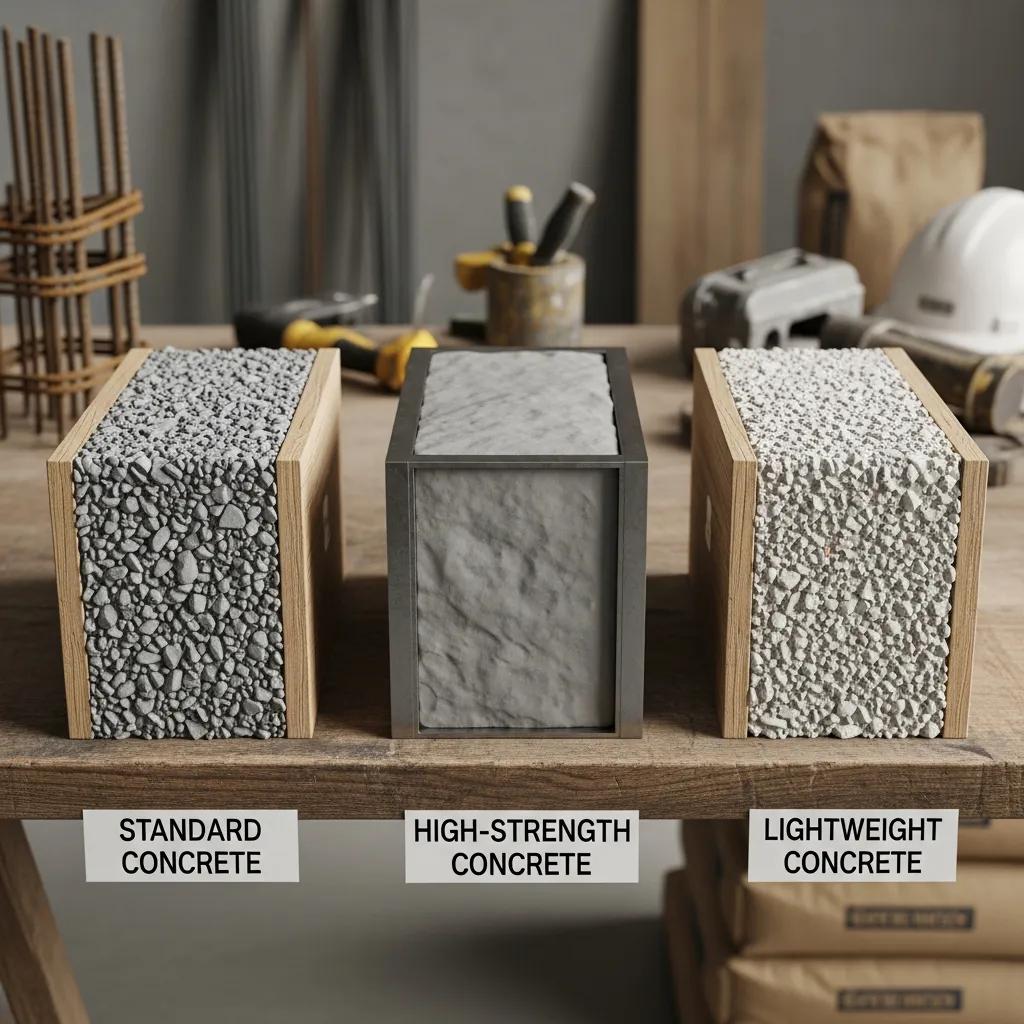
Samples of standard concrete, high-strength concrete, and lightweight concrete displayed on a workbench in a construction environment, illustrating different types of concrete mixes relevant for various applications.

There are several types of concrete mixes, each designed for specific applications. Common types include standard concrete, high-strength concrete, and lightweight concrete. Standard concrete is typically used for general construction purposes, while high-strength concrete is formulated for structures requiring enhanced load-bearing capacity. Lightweight concrete, on the other hand, is used in applications where reduced weight is essential, such as in precast panels and blocks. Understanding the different types of concrete mixes and their applications helps builders select the most suitable option for their projects.

What Is Cement: Types, Properties, and Construction Uses

Cement is a fine powder that acts as a binding agent in concrete and mortar. It is produced by heating limestone and clay in a kiln, resulting in a substance that hardens when mixed with water. The properties of cement, including its strength and setting time, vary depending on its type. Common types of cement include Portland cement, which is widely used in construction, and specialized cements like white cement and rapid-hardening cement. Each type serves specific purposes, making it essential to choose the right one for a given application.

What Are the Main Types of Cement Used in Construction?

The main types of cement used in construction include Portland cement, which is the most common, and other specialized varieties such as white cement, which is used for aesthetic purposes, and rapid-hardening cement, ideal for quick repairs. Each type has unique properties that make it suitable for different applications. For instance, Portland cement is known for its strength and durability, making it ideal for structural applications, while white cement is often used in decorative concrete work.

How Does Cement Function as a Binding Material in Building Projects?

Cement functions as a binding material by undergoing a chemical reaction called hydration when mixed with water. This process causes the cement particles to bond with each other and with the aggregates, forming a solid mass. The strength of the bond is crucial for the overall integrity of concrete and mortar. Understanding how cement works as a binding agent helps builders appreciate its importance in construction and the need for proper mixing and curing techniques to achieve optimal results.

What Are Mortar Types and Their Roles in Construction Projects?

Mortar is a mixture of cement, water, and fine aggregates, primarily used to bind bricks and stones in masonry construction. Unlike concrete, which is used for structural purposes, mortar serves as a filler and adhesive in masonry applications. There are several types of mortar, including masonry mortar, which is used for laying bricks, and thin-set mortar, which is used for tile installations. Each type of mortar has specific properties that make it suitable for different applications, ensuring the stability and durability of masonry structures.

Exploring the composition and performance of cement mortar, particularly with sustainable materials, reveals insights into its durability and potential for innovative construction practices.

Sustainable Cement Mortar: Composition, Performance, and Durability

The current study examined the viability of using three specific forms of C&D waste derived from masonry structures as substitutes for river sand in cement mortar production. Cement mortar was made and tested, each with varying C&D waste composition levels of 25, 50, and 75% as sand replacement. The examination included the assessment of physical, mechanical, and durability characteristics. The results suggest that the cement mortar with C&D had better dry and wet compressive strength and equivalent flexural and impact strength to the control mortar.

Performance of sustainable cement mortar containing different types of masonry construction and demolition wastes, N Sathiparan, 2024

How Does Mortar Differ from Concrete and Cement?

Mortar differs from concrete and cement in its composition and purpose. While cement is a binding agent, mortar is a mixture that includes cement, water, and fine aggregates, designed specifically for bonding masonry units. Concrete, on the other hand, is a composite material used for structural applications. Understanding these differences is essential for selecting the right material for specific construction needs, as using the wrong material can lead to structural issues and increased costs.

Which Mortar Types Are Best for Specific Masonry Applications?

Mason applying mortar between bricks in a masonry construction project, with wheelbarrow of mortar and tools visible, highlighting different types of mortar for various applications.

The best mortar type for specific masonry applications depends on factors such as the materials being used, the environmental conditions, and the desired strength. For example, Type N mortar is commonly used for general masonry work, while Type S mortar is preferred for load-bearing walls due to its higher strength. Additionally, Type M mortar is suitable for below-grade applications, where moisture resistance and high compressive strength are crucial. Selecting the appropriate mortar type ensures the longevity and stability of masonry structures.

Concrete vs. Cement vs. Mortar: Key Differences Explained

Choosing the right building materials is critical for the success of any construction project. Factors influencing material selection include the specific application, environmental conditions, and budget constraints. Understanding the properties and uses of concrete, cement, and mortar helps builders make informed decisions that align with their project requirements.

What Factors Influence the Selection of Concrete, Cement, or Mortar?

Several factors influence the selection of concrete, cement, or mortar, including the intended use, environmental conditions, and structural requirements. For instance, projects exposed to harsh weather may require high-strength concrete or specialized cement to ensure durability. Additionally, budget considerations play a significant role in material selection, as different materials come with varying costs. Evaluating these factors helps builders choose the most suitable materials for their projects.

How Do Material Properties Affect Durability and Cost in Construction?

The properties of building materials significantly impact their durability and cost. For example, high-strength concrete may have a higher initial cost but can lead to long-term savings due to its durability and reduced maintenance needs. Similarly, using specialized cements can enhance the longevity of structures in challenging environments. Understanding the relationship between material properties, durability, and cost is essential for making informed decisions that balance performance and budget.

What Are Concrete Installation and Repair Services Offered in Syracuse, NY?

In Syracuse, NY, professional concrete installation and repair services are essential for ensuring quality and longevity in construction projects. These services encompass a range of offerings, including new concrete installations, resurfacing, and repairs for existing concrete structures. Engaging experienced contractors ensures that projects are completed to high standards, minimizing the risk of future issues.

How Does Professional Concrete Installation Ensure Quality and Longevity?

Professional concrete installation involves meticulous planning, quality materials, and skilled workmanship. Contractors assess site conditions, prepare the ground, and use appropriate mixing techniques to ensure the concrete achieves optimal strength. Quality control measures, such as proper curing and finishing techniques, further enhance the durability of the installation. By investing in professional services, property owners can ensure that their concrete structures will withstand the test of time.

When Is Concrete Repair Necessary and What Methods Are Used?

Concrete repair becomes necessary when signs of damage, such as cracks or spalling, appear. Common repair methods include patching, resurfacing, and slab jacking, each suited for different types of damage. Timely repairs are crucial to prevent further deterioration and maintain the structural integrity of concrete surfaces. Understanding when and how to repair concrete helps property owners address issues promptly, ensuring the longevity of their investments.

Further research highlights various materials and techniques employed in concrete repair, addressing deterioration and ensuring structural integrity.

Concrete Repair Materials & Techniques: Cement Grout, Mortar, Concrete

In this paper, causes of deterioration of concrete as well as repairing by using cement grout, mortar, concrete, sprayed concrete or shotcrete, epoxy, ferrocement with mortar, Fiber Reinforced Polymer (FRP) Sprayed Fiber Reinforced Polymer (SFRP) and the techniques of applying of these materials and also some resin based materials for bonding agent between interface of old concrete and newconcrete are reported.

A review of the repair of reinforced concrete beams, MH Kabir, 2006

Material TypeCompositionCommon Uses
ConcreteCement, water, aggregatesFoundations, pavements, structural components
CementFine powder, binding agentConcrete and mortar production
MortarCement, water, fine aggregatesBinding bricks and stones in masonry

This table illustrates the distinct compositions and common uses of concrete, cement, and mortar, highlighting their unique roles in construction.

Concrete, cement, and mortar are essential materials in the construction industry, each serving specific purposes and possessing unique properties. Understanding their differences is crucial for making informed decisions in building projects. By engaging professional services for concrete installation and repair, property owners in Syracuse, NY, can ensure quality workmanship and long-lasting results.