
Integrating Concrete into Landscape Design
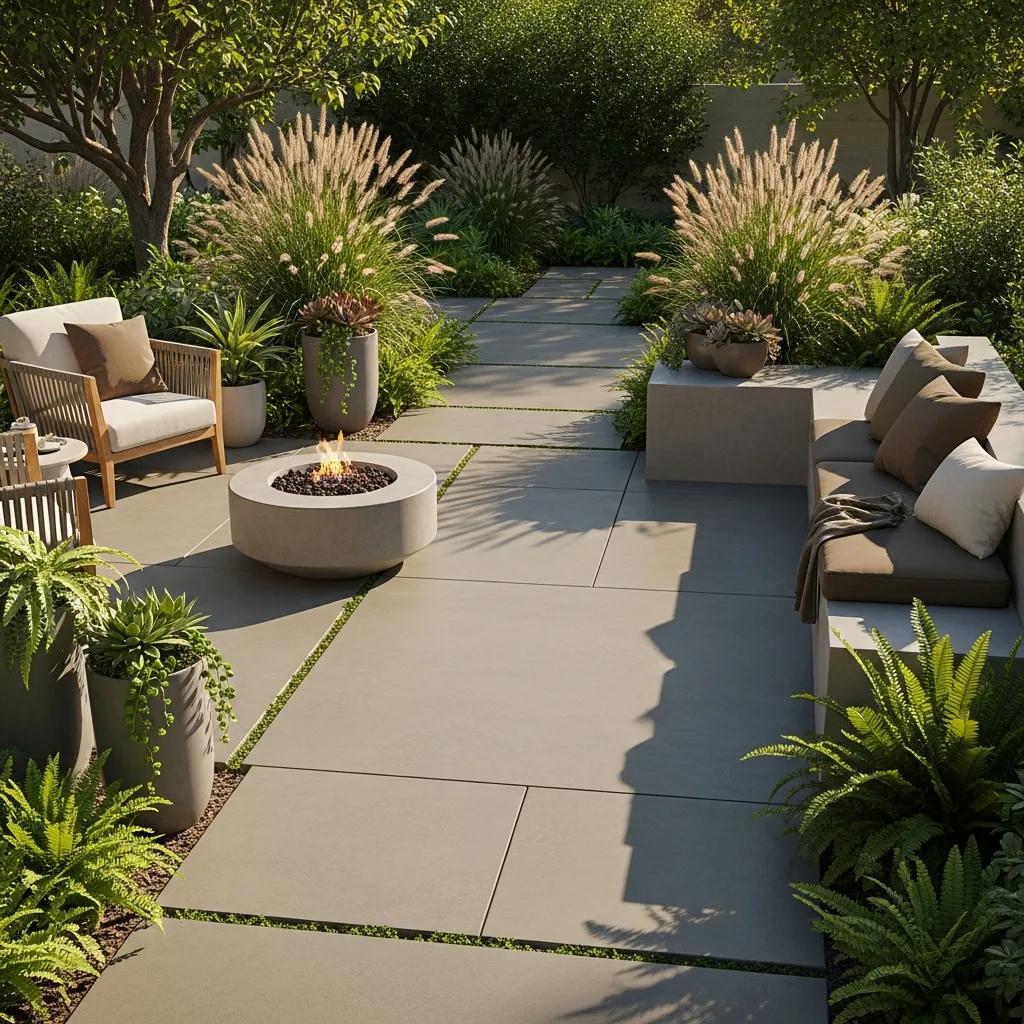
Modern concrete patio design featuring a fire pit, surrounded by lush greenery and decorative plants, showcasing outdoor landscape integration.

Decorative Concrete Patio Designs for Outdoor Spaces

Integrating concrete into landscape design offers a unique blend of functionality and aesthetic appeal, transforming outdoor spaces into inviting environments. This article explores the various benefits of using concrete in landscaping, including its durability, versatility, and customization options. Readers will learn how concrete can enhance outdoor living spaces, from patios to garden paths, and discover innovative design ideas that align with current trends. As homeowners seek to create beautiful and functional outdoor areas, understanding the role of concrete becomes essential. This guide will cover the benefits of concrete in landscape design, installation techniques for patios and walkways, decorative options, the use of retaining walls, and best practices for maintenance and repair.

What Are the Benefits of Using Concrete in Landscape Design?

Concrete is a popular choice in landscape design due to its numerous advantages. It offers exceptional durability and longevity, making it ideal for outdoor applications that withstand various weather conditions. Additionally, concrete can be customized to fit any design aesthetic, allowing homeowners to create unique outdoor spaces that reflect their personal style. The aesthetic appeal of concrete is further enhanced by its ability to mimic natural materials, providing a sophisticated look without compromising on functionality.

This perspective is reinforced by research highlighting concrete’s role as an essential landscape material.

Concrete Walls & Paving: Essential Landscape Materials

In particular we discuss how materials selection is crucial for landscape vegetation and hard materials. There are specifications for some landscape materials including concrete walls and paving, which are essential for creating durable and aesthetically pleasing outdoor spaces.

Resources: the raw materials of landscape, 2007

How Does Concrete Enhance Outdoor Living Spaces?

Concrete enhances outdoor living spaces by providing a solid foundation for various features such as patios, walkways, and outdoor kitchens. Its versatility allows for seamless integration with landscaping elements, creating a cohesive look. For instance, a concrete patio can serve as a gathering space for family and friends, while concrete pathways can guide visitors through gardens and yards. The functional benefits of concrete, including its resistance to wear and tear, make it an excellent choice for high-traffic areas.

Why Choose Durable and Customizable Concrete Features?

Choosing durable and customizable concrete features ensures that outdoor spaces remain attractive and functional for years to come. Concrete’s longevity means less frequent repairs and replacements, saving homeowners time and money. Moreover, the variety of design options available, such as stamped patterns and colored finishes, allows for personalization that can enhance the overall aesthetic of a property. Case studies of customized concrete projects demonstrate how homeowners can achieve their desired look while benefiting from the material’s inherent strength.

How to Design and Install Concrete Patios and Walkways?

Designing and installing concrete patios and walkways involves several key steps that ensure a successful project. First, careful planning is essential to determine the layout and dimensions of the space. Homeowners should consider factors such as traffic flow, accessibility, and the overall design theme of their landscape. Once the design is finalized, the installation process can begin, which includes preparing the site, pouring the concrete, and finishing the surface.

What Are Popular Concrete Patio Design Ideas and Styles?
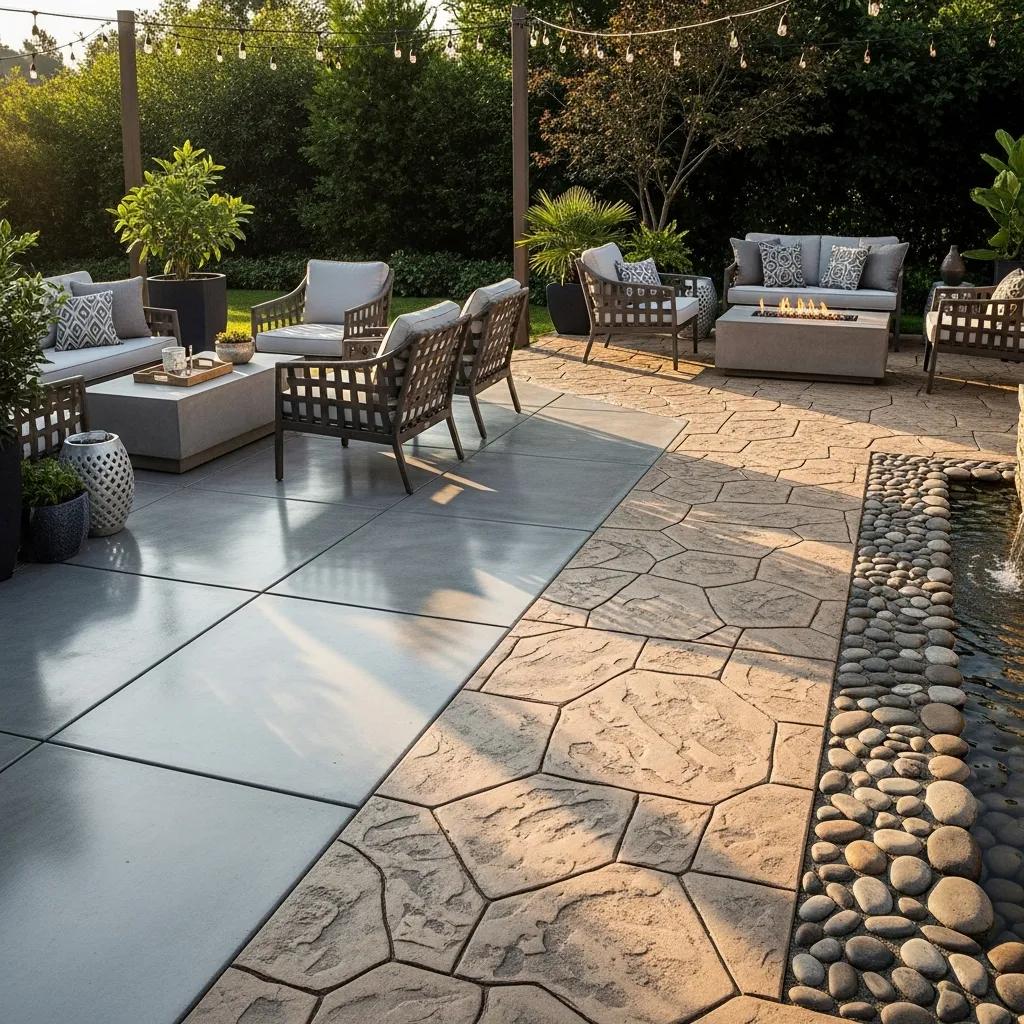
Diverse concrete patio design featuring stylish stamped patterns, modern outdoor furniture, and a decorative water feature, ideal for enhancing landscape aesthetics.

Popular concrete patio design ideas for 2023-2025 include modern minimalist styles, rustic stamped patterns, and eco-friendly permeable options. Homeowners can choose from a range of finishes, such as polished, brushed, or exposed aggregate, to achieve the desired look. Integrating these design elements with surrounding landscaping can create a harmonious outdoor environment that enhances the overall appeal of the property.

Further emphasizing sustainable choices, research points to the growing importance of eco-friendly paving solutions in modern landscape design.

Eco-Friendly Concrete Paving for Sustainable Landscape Design

eco-friendly paving solutions offers a more sustainable approach. Permeable pavers and pervious concrete are examples of such solutions. These eco-friendly materials come in a variety of styles and colors, allowing for diverse aesthetic choices in landscape design.

ECO-FRIENDLY PAVING SOLUTIONS IN LANDSCAPE DESIGN

What Are the Steps for Concrete Walkway Installation?

The installation of concrete walkways involves several critical steps:

  1. Preparation: Clear the area of debris and vegetation, and mark the walkway's outline.
  2. Excavation: Dig to the required depth, ensuring a stable base for the concrete.
  3. Formwork: Set up forms to contain the concrete during pouring.
  4. Pouring: Mix and pour the concrete, ensuring even distribution.
  5. Finishing: Smooth the surface and add any desired textures or patterns.

Following these steps will result in a durable and visually appealing walkway that complements the landscape.

What Decorative Concrete Options and Stamped Patterns Are Available?

Decorative concrete options and stamped patterns provide homeowners with the ability to enhance their outdoor spaces creatively. Stamped concrete can mimic the appearance of natural stone, brick, or tile, offering a cost-effective alternative to traditional materials. This versatility allows for unique designs that can be tailored to fit any landscape theme.

How Do Stamped Concrete Patterns Integrate with Natural Landscaping?

Stamped concrete patterns integrate seamlessly with natural landscaping by providing a cohesive look that enhances the overall aesthetic. For example, a stamped concrete patio can complement stone garden walls or natural plantings, creating a harmonious outdoor environment. The visual appeal of stamped patterns adds depth and character to outdoor spaces, making them more inviting.

What Are Trending Decorative Concrete Ideas for 2023-2025?
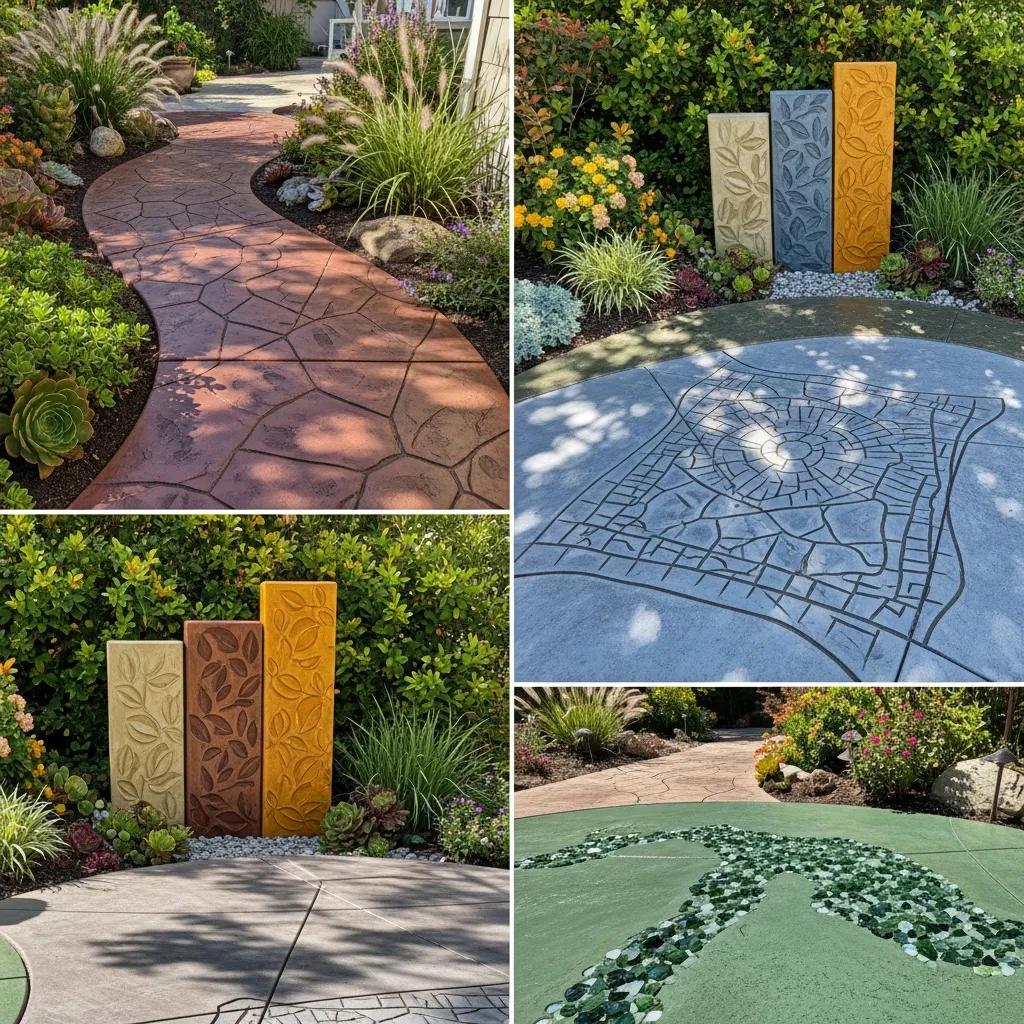
Decorative concrete walkway with stamped patterns, bold colors, and intricate designs in a garden setting, featuring leaf-patterned concrete panels and lush landscaping.

Trending decorative concrete ideas for 2023-2025 include the use of bold colors, intricate patterns, and sustainable materials. Homeowners are increasingly opting for eco-friendly concrete mixes that reduce environmental impact while maintaining durability. Additionally, incorporating lighting elements into concrete features can enhance nighttime aesthetics, creating a magical atmosphere in outdoor spaces.

This trend towards sustainability is further supported by research exploring the integration of waste recycling into the production of sustainable concrete for landscape elements.

Sustainable Concrete & Waste Recycling in Landscape Design

This paper explores the topic of sustainable landscaping with a focus on using demolition and construction waste into hardscape-like benches. Where waste materials are held for profitable use, particularly in manufacturing sustainable concrete for landscape elements. We aim to support sustainable methods in landscape design by reusing resources such as broken ceramics, recycled aggregates, and granite powder.

Sustainable approaches to landscape design through diverse environmental waste recycling practices, AS Mohamed, 2024

How Can Concrete Retaining Walls Improve Landscape Function and Aesthetics?

Concrete retaining walls serve both functional and aesthetic purposes in landscape design. They help manage soil erosion, create level areas for planting, and provide structural support for sloped landscapes. Beyond their practical benefits, retaining walls can also enhance the visual appeal of a property by adding dimension and texture to the landscape.

What Are the Design Considerations for Concrete Retaining Walls?

When designing concrete retaining walls, several factors must be considered, including height, drainage, and materials. Proper drainage is crucial to prevent water buildup behind the wall, which can lead to structural issues. Additionally, aesthetic choices such as color, texture, and landscaping around the wall can significantly impact the overall look of the property.

How Do Retaining Walls Support Sustainable Landscape Designs?

Retaining walls can support sustainable landscape designs by creating terraced gardens that maximize space and improve water management. By controlling erosion and promoting healthy drainage, these walls contribute to a more sustainable environment. Furthermore, incorporating native plants and permeable materials can enhance the ecological benefits of retaining walls, making them a valuable addition to any landscape.

What Are Best Practices for Concrete Repair and Maintenance in Landscaping?

Maintaining concrete features in landscaping is essential to ensure their longevity and appearance. Regular inspections and timely repairs can prevent minor issues from becoming significant problems. Homeowners should be aware of common signs of wear, such as cracks or discoloration, and take appropriate action to address these issues.

How to Identify When Concrete Landscaping Needs Repair?

Identifying when concrete landscaping needs repair involves looking for specific signs, including:

  1. Cracks: Small cracks can indicate underlying issues that need attention.
  2. Surface Wear: Discoloration or rough patches may signal the need for resurfacing.
  3. Settling: Uneven surfaces can affect safety and aesthetics.

Regular monitoring of these indicators can help maintain the integrity of concrete features.

What Are Effective Maintenance Tips for Outdoor Concrete Features?

Effective maintenance tips for outdoor concrete features include:

  • Regular Cleaning: Use a pressure washer or mild detergent to remove dirt and stains.
  • Sealing: Apply a concrete sealer every 2-3 years to protect against moisture and stains.
  • Prompt Repairs: Address cracks and surface damage immediately to prevent further deterioration.

Implementing these maintenance practices will help preserve the beauty and functionality of concrete landscaping elements.

FeatureBenefitMaintenance Frequency
Concrete PatiosDurable outdoor living spaceClean annually, seal every 2-3 years
WalkwaysSafe and accessible pathsInspect bi-annually, repair as needed
Retaining WallsErosion control and aestheticsCheck for cracks annually, maintain drainage

This table summarizes the benefits and maintenance needs of various concrete features, highlighting the importance of regular care to ensure their longevity.

In conclusion, integrating concrete into landscape design offers numerous benefits, from enhancing outdoor living spaces to providing functional solutions for erosion control. By understanding the various applications and maintenance practices, homeowners can create beautiful and sustainable outdoor environments that stand the test of time.