Steps to Become a Concrete Contractor

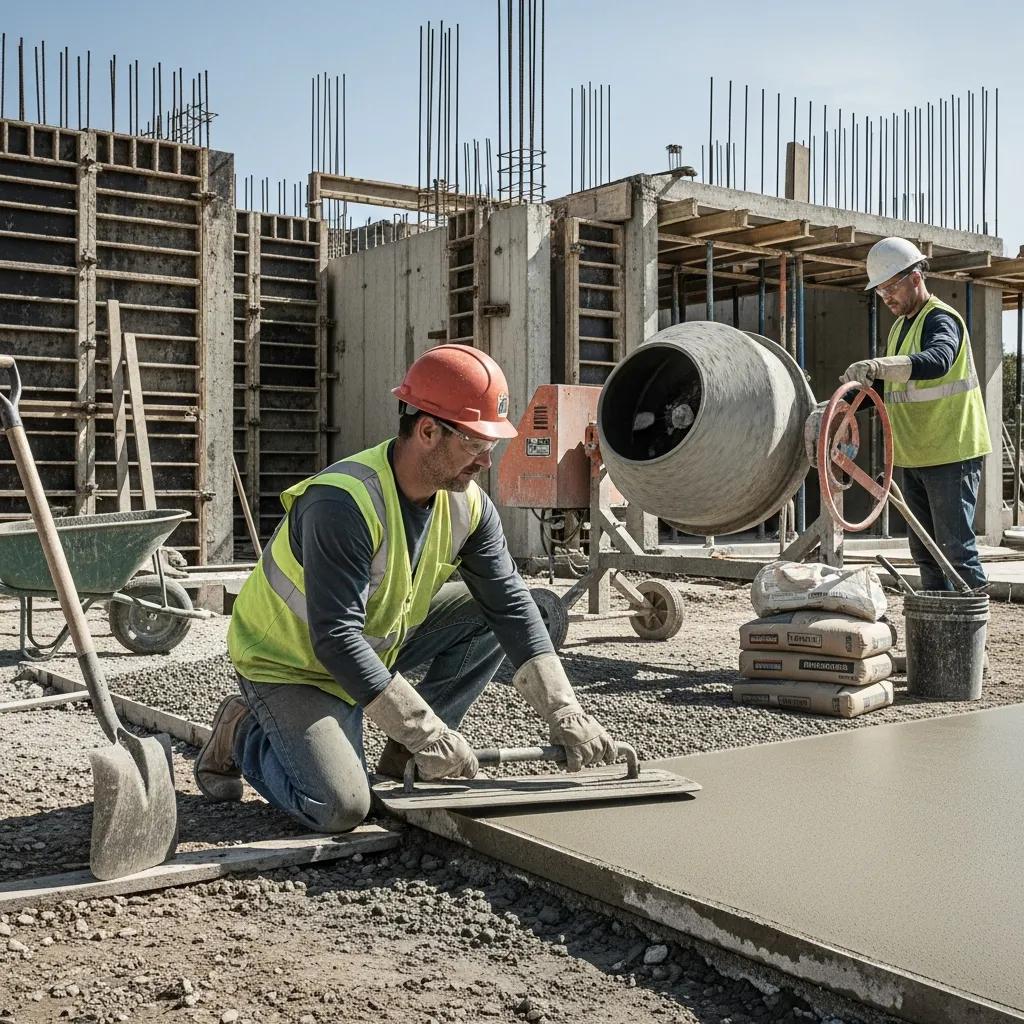
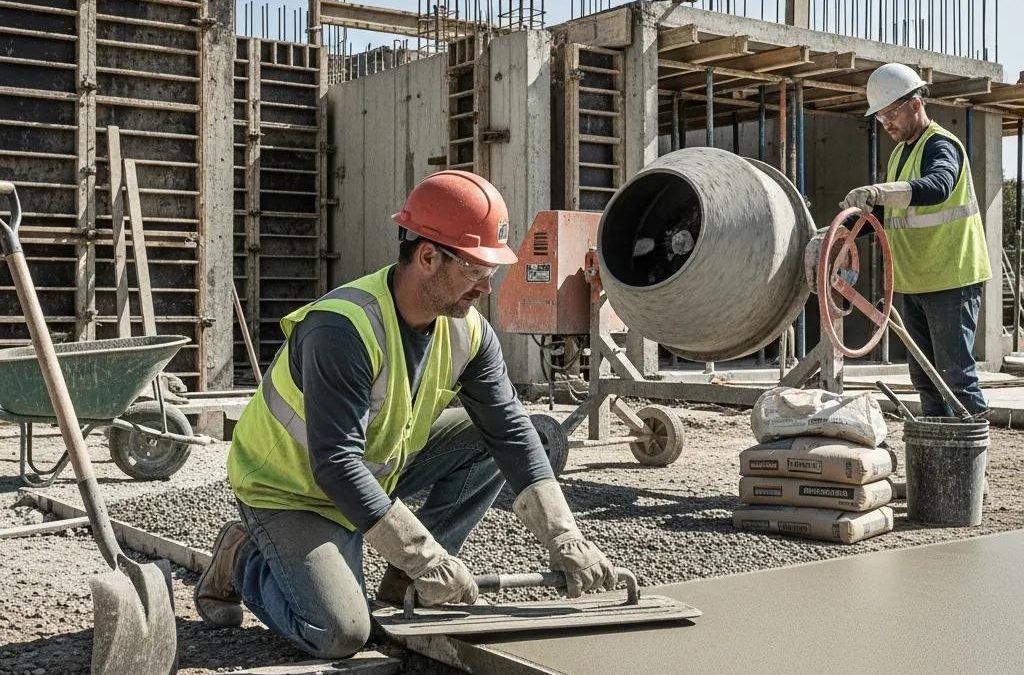
Concrete contractor working on a construction site, using tools and safety gear, with a concrete mixer and materials in the background, illustrating essential skills for aspiring concrete contractors.

Steps to Become a Licensed Concrete Contractor in New York

Becoming a licensed concrete contractor is a rewarding career path that offers numerous opportunities in the construction industry. This comprehensive guide will walk you through the essential steps and requirements needed to obtain your concrete contractor license in New York. You will learn about the licensing process, training programs, insurance requirements, and the skills necessary for success in this field. Many aspiring contractors face challenges in navigating the complex licensing landscape and understanding the necessary qualifications. This guide provides clear solutions and actionable steps to help you achieve your goal of becoming a licensed concrete contractor. We will cover the licensing requirements, available training programs, the importance of insurance, essential skills and tools, and how to effectively set up and market your concrete contracting business.

What Are the Licensing Requirements for Concrete Contractors in New York?

To become a licensed concrete contractor in New York, you must meet specific legal requirements set forth by the state or local jurisdictions. New York State does not have a statewide license specifically for concrete contractors; however, licensing requirements vary by city and county. For example, New York City requires a Home Improvement Contractor License for certain types of work, and other localities may require a general contractor’s license or registration. Understanding these local requirements is crucial for anyone looking to enter the concrete contracting field.

Which legal steps must you complete to get a concrete contractor license?

The process of obtaining a concrete contractor license in New York depends on the local jurisdiction. Generally, you must complete an application form, which typically requires personal information, business details, and proof of relevant experience. You may need to provide documentation such as proof of insurance and any necessary certifications. Some localities require passing a licensing exam that tests your knowledge of construction work and safety regulations. Once your application is approved, you will receive your license or registration, allowing you to operate legally as a concrete contractor in that jurisdiction.

How does the NY Department of State regulate concrete contractor licensing?

The New York Department of State does not directly regulate concrete contractor licensing. Instead, licensing and regulation of contractors are primarily managed at the local level by city or county agencies. The Department of State oversees business registrations and professional licensing for certain professions but does not issue specific licenses for concrete contractors statewide. Contractors should check with their local municipality or county clerk’s office for specific licensing requirements and regulations.

What Concrete Contractor Training Programs and Apprenticeships Are Available?

Students participating in a concrete contractor training program, observing a trainer demonstrating concrete mixing techniques in a classroom setting, with various tools and materials on tables.

Training programs and apprenticeships are crucial for aspiring concrete contractors, as they provide the necessary skills and knowledge to succeed in the industry. These programs often combine classroom instruction with hands-on experience, allowing students to learn the trade effectively.

Where can you find accredited concrete contractor training in Syracuse NY?

In Syracuse, NY, several accredited institutions offer concrete contractor training programs. These programs typically cover essential topics such as concrete mixing, pouring, finishing, and safety practices. Local community colleges and vocational schools, such as Onondaga Community College, often provide these courses, which may also include certifications upon completion. Additionally, some organizations offer online training options, making it easier for individuals to access quality education regardless of their location.

How do apprenticeship programs develop essential concrete skills?

Apprenticeship programs are an excellent way for aspiring concrete contractors to gain hands-on experience while learning from seasoned professionals. These programs typically last several years and involve working under the guidance of experienced contractors. Apprentices learn various skills, including concrete placement, finishing techniques, and safety protocols. This practical experience is invaluable, as it allows apprentices to apply their knowledge in real-world situations, ultimately preparing them for a successful career in concrete contracting.

Indeed, the value of apprenticeships in bridging skill gaps within the construction industry is widely recognized.

Construction Apprenticeships: Skills & Training

Apprenticeship programmes are designed to provide young trainees with essential broad-based skills. Through apprenticeships, different sectors that are underpopulated can fill up their skills gaps. Apprenticeships are particularly useful to the construction secto

Apprenticeship for craftspeople in the construction industry: a state-of-the-art review, EI Daniel, 2020

Why Is Insurance and Bonding Important for Concrete Contractors?

Insurance and bonding are critical components of running a successful concrete contracting business. They protect both the contractor and the client from potential risks and liabilities associated with construction work.

What types of insurance are required for concrete contractors?

Concrete contractors are typically required to carry several types of insurance to protect their business and clients. The most common types include general liability insurance, which covers damages or injuries that may occur during a project, and workers’ compensation insurance, which provides coverage for employees injured on the job. Additionally, some contractors may choose to obtain professional liability insurance, which protects against claims of negligence or inadequate work. Having the appropriate insurance not only safeguards the contractor but also instills confidence in clients.

How does bonding protect your concrete contracting business?

Bonding is another essential aspect of operating a concrete contracting business. A surety bond serves as a guarantee that the contractor will fulfill their contractual obligations. If the contractor fails to complete the work or meet the agreed-upon standards, the bond can provide financial compensation to the client. This protection is crucial for building trust with clients and ensuring that projects are completed to satisfaction. Additionally, being bonded can enhance a contractor’s credibility and competitiveness in the market.

What Essential Skills and Tools Do Concrete Contractors Need?

Successful concrete contractors possess a unique set of skills and tools that enable them to perform their work effectively. Understanding these essentials is vital for anyone looking to excel in the field.

Which concrete tools are necessary for professional installation and repair?

Concrete contractors require a variety of tools to complete their projects efficiently. Essential tools include concrete mixers for mixing materials, trowels for finishing surfaces, and screeds for leveling concrete. Additionally, contractors often use power tools such as concrete saws and drills to facilitate installation and repair work. Having the right tools not only improves the quality of the work but also enhances productivity on the job site.

What skills improve quality workmanship in concrete contracting?

In addition to the necessary tools, concrete contractors must develop specific skills to ensure high-quality workmanship. Key skills include attention to detail, which is crucial for achieving precise measurements and finishes, and problem-solving abilities to address any issues that may arise during a project. Furthermore, strong communication skills are essential for collaborating with clients and team members effectively. Continuous learning and staying updated on industry trends and techniques also contribute to a contractor’s success.

How Do You Set Up and Market a Concrete Contracting Business?

Man working at a desk in a modern office, focused on laptops displaying marketing strategies, with construction materials and a hard hat on the table, emphasizing business planning for concrete contracting.

Establishing and marketing a concrete contracting business involves several strategic steps. Understanding these steps can help new contractors navigate the complexities of starting their own business.

What are the key steps to start a concrete contractor business in Syracuse?

Starting a concrete contracting business in Syracuse requires careful planning and execution. First, you must register your business with the appropriate state and local authorities, ensuring compliance with all regulations. Next, obtaining the necessary licenses and permits is crucial for legal operation, which may include a general contractor’s license or home improvement license depending on the scope of work. Additionally, creating a solid business plan that outlines your services, target market, and financial projections will help guide your business decisions. Finally, establishing a reliable network of suppliers and subcontractors can enhance your operational efficiency.

Morici Bros Concrete, a leading concrete contracting company based in Syracuse, NY, specializes in concrete installation and repair services for both residential and commercial clients. Their expertise in the field can provide valuable insights for new contractors looking to establish their businesses.

How can marketing strategies attract residential and commercial clients?

Effective marketing strategies are essential for attracting clients to your concrete contracting business. Utilizing online platforms, such as social media and a professional website, can help showcase your work and reach a broader audience. Additionally, networking within the local community and attending industry events can create valuable connections. Offering promotions or discounts for first-time clients can also incentivize potential customers to choose your services. Building a strong reputation through quality work and customer satisfaction will ultimately lead to repeat business and referrals.

What Are the Common Questions About Becoming a Concrete Contractor?

As you embark on your journey to becoming a concrete contractor, you may have several questions regarding the process and requirements. Addressing these common inquiries can provide clarity and guidance.

How long does it take to become a licensed concrete contractor?

The timeframe for becoming a licensed concrete contractor can vary based on individual circumstances and local licensing requirements. Generally, the process can take anywhere from a few months to a year, depending on how quickly you complete the necessary training, gather documentation, and pass any required licensing exams. Factors such as prior experience and the availability of training programs can also influence the timeline.

What are the costs associated with concrete contractor certification?

The costs associated with obtaining a concrete contractor certification or license can vary widely depending on the local jurisdiction. Expenses may include application fees, training program costs, and examination fees. Additionally, contractors should budget for insurance and bonding, which are essential for legal operation. Overall, prospective contractors should prepare for an investment that can range from a few hundred to several thousand dollars, depending on the specific requirements and resources needed to achieve certification or licensing.

GDPR compliance logo on blue background, indicating privacy and cookie management for Morici Bros Concrete website.
Privacy Overview

This website uses cookies so that we can provide you with the best user experience possible. Cookie information is stored in your browser and performs functions such as recognising you when you return to our website and helping our team to understand which sections of the website you find most interesting and useful.