
Essential Tools for DIY Concrete Repair
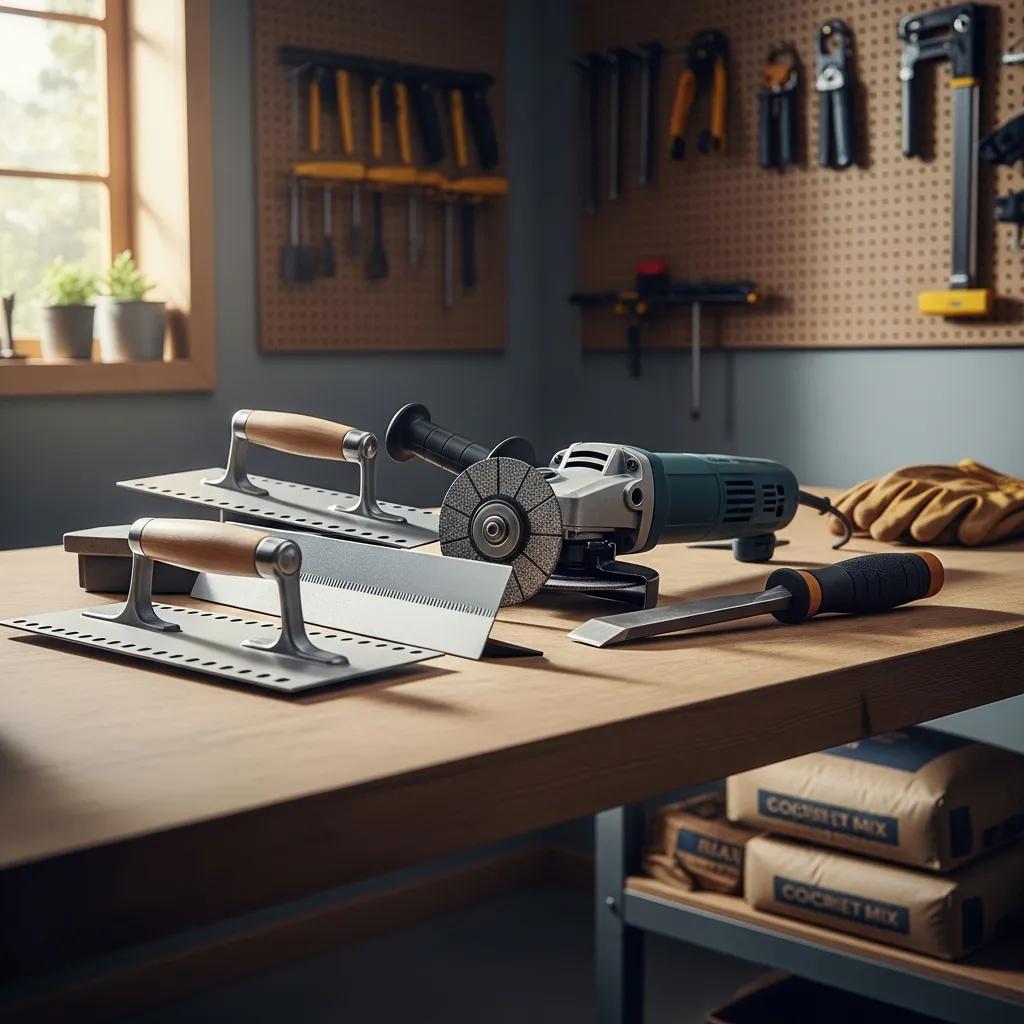
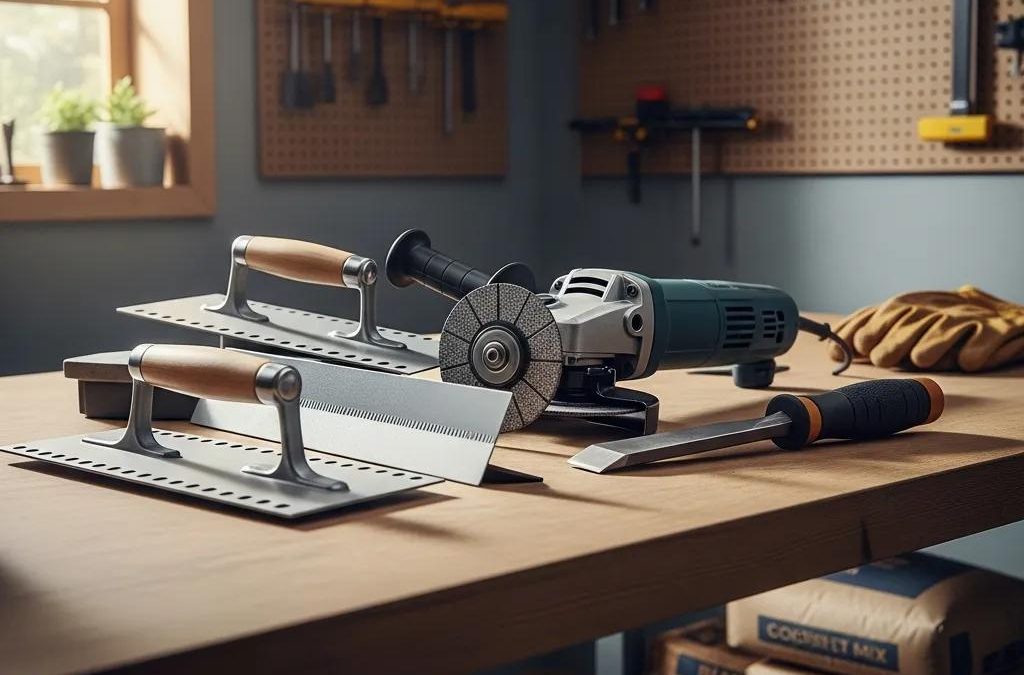
Essential DIY concrete repair tools on a workbench, including trowels, a grinder, and a chisel, emphasizing the importance of having the right equipment for effective concrete repairs.

Must-Have Tools for DIY Concrete Repair Projects

When it comes to DIY concrete repair, having the right tools is essential for achieving professional results. This comprehensive guide will walk you through the must-have tools, materials, and safety equipment necessary for effective concrete crack repair. Homeowners and property managers alike can benefit from understanding the tools that will make their repair projects easier and more efficient. Many individuals struggle with concrete repairs due to a lack of knowledge about the right tools and techniques. This guide aims to provide solutions by detailing the essential tools and materials needed for successful repairs. We will cover the must-have tools, the best materials and kits, surface preparation tools, safety equipment, and a step-by-step process for performing DIY concrete repairs.

What Are the Must-Have Concrete Crack Repair Tools?

To effectively repair concrete cracks, certain tools are indispensable. These tools not only facilitate the repair process but also ensure that the repairs are durable and long-lasting. The essential tools for concrete crack repair include trowels, floats, grinders, and chisels. Each of these tools plays a specific role in preparing and applying repair materials, making them crucial for any DIY project.

How Do Trowels and Floats Help in Concrete Crack Repair?
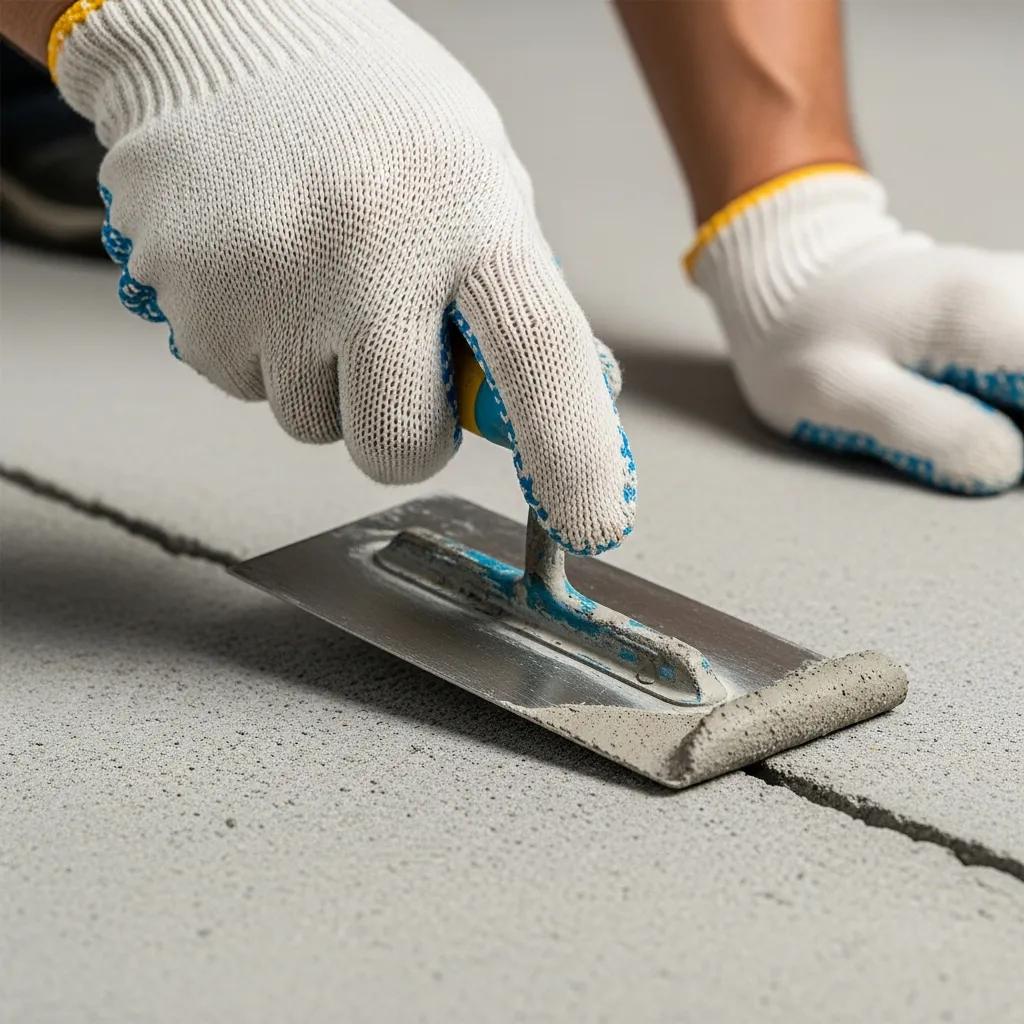
Person using a trowel to apply concrete repair material to a crack, demonstrating essential DIY concrete repair techniques.

Trowels and floats are fundamental tools in concrete repair. Trowels, which come in various shapes and sizes, are used to apply and smooth repair materials. They help in achieving a flat and even surface, which is critical for the longevity of the repair. Floats, on the other hand, are used to finish the surface of the concrete, ensuring that it is smooth and free of imperfections. Using the right type of trowel and float can significantly enhance the quality of the repair, making it look professional.

Which Grinders and Chisels Are Best for Preparing Cracks?

Before applying any repair material, it is essential to prepare the cracks properly. Grinders and chisels are the best tools for this task. Grinders can effectively remove loose concrete and create a clean edge around the crack, which is vital for proper adhesion of the repair material. Chisels are useful for widening cracks to ensure that the repair material can fill them adequately. Recommended models include angle grinders for their versatility and cold chisels with a sharp edge for precise work. Always remember to follow safety tips when using these tools to prevent accidents.

Which Concrete Repair Materials and Kits Should You Use?

Choosing the right materials for concrete repair is just as important as having the right tools. Various repair materials and kits are available, each designed for specific types of repairs. Understanding the benefits of these materials can help you make informed decisions for your DIY projects.

For effective repairs, consider using epoxy and bonding agents. These materials provide strong adhesion and durability, making them ideal for filling cracks and restoring the integrity of the concrete. Epoxy kits are particularly beneficial as they offer a comprehensive solution for various repair needs.

Research further emphasizes the diverse range of materials and techniques available for concrete repair, highlighting the importance of selecting the right solution for specific deterioration.

Comprehensive Concrete Repair Materials & Techniques

Several types of materials and techniques are available for repairing of exiting deteriorated reinforced concrete beams. In this paper, causes of deterioration of concrete as well as repairing by using cement grout, mortar, concrete, sprayed concrete or shotcrete, epoxy, ferrocement with mortar, Fiber Reinforced Polymer (FRP) Sprayed Fiber Reinforced Polymer (SFRP) and the techniques of applying of these materials and also some resin based materials for bonding agent between interface of old concrete and newconcrete are reported.

A review of the repair of reinforced concrete beams, MH Kabir, 2006

What Are the Benefits of Epoxy and Bonding Agents in Repairs?
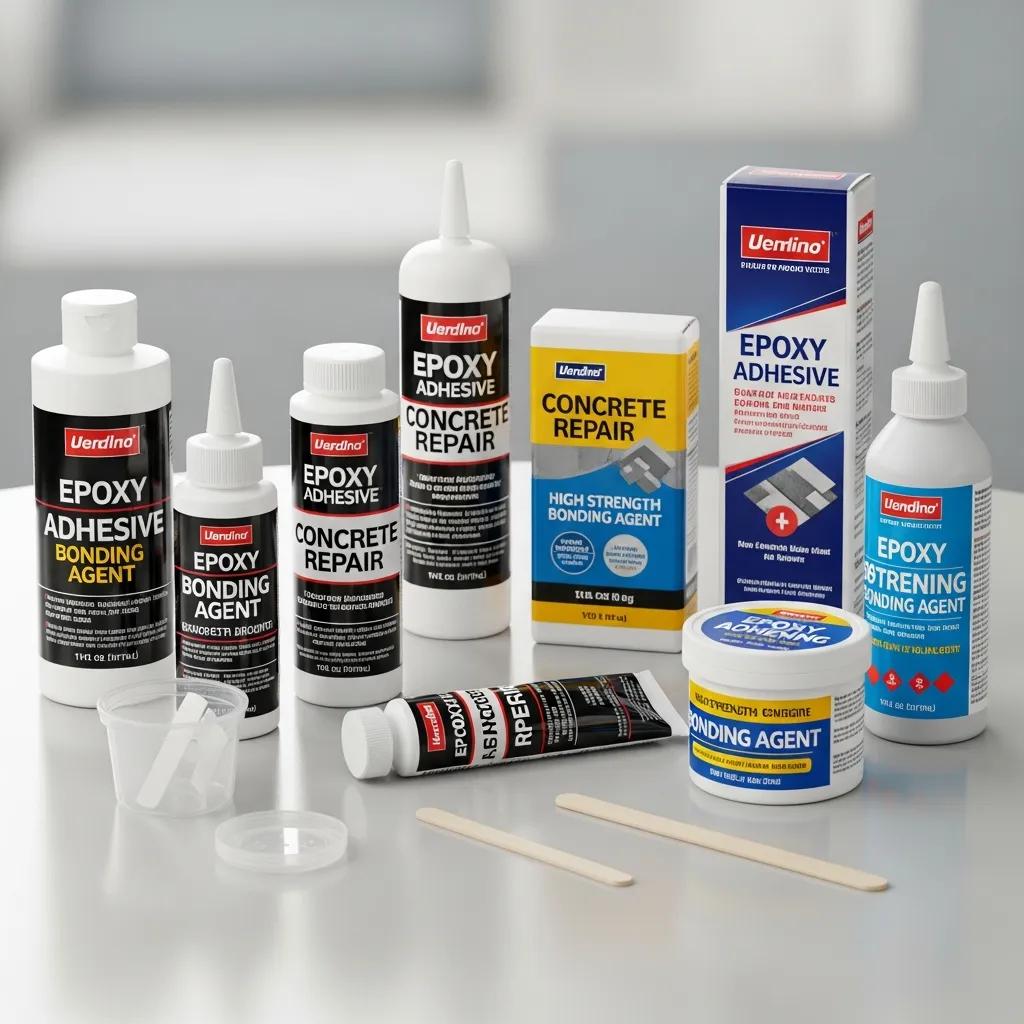
Epoxy and bonding agents for concrete repair displayed with various adhesive containers, including epoxy adhesive, concrete repair kits, and mixing tools, emphasizing their importance in creating strong bonds for effective repairs.

Epoxy and bonding agents are essential for ensuring that repairs last. They create a strong bond between the existing concrete and the repair material, which is crucial for preventing future cracking. The chemical properties of epoxy allow it to fill gaps and voids effectively, providing a seamless repair. Additionally, these materials are resistant to moisture and many chemicals, enhancing the longevity of the repair.

How to Choose the Right Concrete Patching Materials and Kits?

When selecting concrete patching materials, consider factors such as the size of the crack, the location of the repair, and the environmental conditions. A checklist for choosing the right materials includes:

  1. Type of Crack: Determine if the crack is structural or non-structural (cosmetic).
  2. Material Compatibility: Ensure the patching material is compatible with existing concrete.
  3. Weather Resistance: Choose materials that can withstand local weather conditions.

Avoid common mistakes such as using the wrong type of material or neglecting surface preparation, as these can lead to premature failure of the repair.

What Surface Preparation Tools Are Essential for Durable Repairs?

Proper surface preparation is critical for achieving durable concrete repairs. The right tools can make this process easier and more effective. Essential surface preparation tools include pressure washers, scrapers, wire brushes, and grinders.

Why Is Proper Surface Cleaning Important Before Repair?

Cleaning the surface before applying repair materials is vital for ensuring good adhesion. Dirt, dust, and debris can prevent the repair material from bonding effectively, leading to failure. Using a pressure washer can remove stubborn stains and contaminants, while scrapers and wire brushes can help in clearing smaller areas. The impact of poor cleaning can result in cracks reappearing shortly after repair, wasting time and resources.

Which Tools Help in Resurfacing and Smoothing Concrete?

Resurfacing tools are essential for achieving a smooth finish on repaired areas. Tools such as concrete resurfacing machines, floats, and trowels are commonly used. These tools help in leveling the surface and ensuring that it matches the surrounding concrete. Best practices include using a float to smooth out the surface after applying the repair material and ensuring that the area is free of imperfections before it sets.

What Safety Equipment Is Necessary for DIY Concrete Repair?

Safety should always be a priority when undertaking DIY concrete repair projects. Using the right safety equipment can protect you from potential hazards associated with concrete work.

How to Protect Yourself Using Gloves, Masks, and Eye Protection?

Wearing gloves, masks, and eye protection is essential when working with concrete. Gloves protect your hands from cuts, abrasions, and chemical burns, while masks prevent inhalation of dust and harmful particles. Eye protection is crucial to shield your eyes from flying debris and splashes of repair materials. Always choose high-quality safety gear that meets industry standards for maximum protection.

What Are Best Practices for Safe Handling of Repair Materials?

When handling repair materials, follow these best practices:

  1. Read Labels: Always read the safety data sheets for materials to understand hazards.
  2. Use Proper Tools: Utilize tools designed for handling heavy materials to prevent strain.
  3. Store Safely: Keep materials in a cool, dry place away from direct sunlight.

Implementing these practices can significantly reduce the risk of accidents and injuries during your repair projects.

How to Perform Step-by-Step DIY Concrete Repair Using Essential Tools?

Performing concrete repairs can be straightforward if you follow a systematic approach. Understanding the steps involved will help ensure that your repairs are effective and long-lasting.

What Are the Key Steps in Repairing Concrete Cracks at Home?

  1. Assess the Damage: Identify the type and extent of the cracks.
  2. Prepare the Surface: Clean the area thoroughly and remove any loose debris.
  3. Apply Repair Material: Use a trowel to apply the repair material, ensuring it fills the crack completely.
  4. Finish the Surface: Use a float to smooth the surface and blend it with the surrounding concrete.
  5. Cure the Repair: Allow the repair to cure as per the manufacturer's instructions for optimal results.

How to Use Tools and Materials Effectively for Long-Lasting Repairs?

To ensure long-lasting repairs, it is crucial to use tools and materials correctly. Follow the manufacturer’s guidelines for mixing and applying repair materials. Additionally, ensure that you are using the right tools for each step of the process. For instance, using a grinder to prepare cracks before applying epoxy will enhance adhesion and durability. Avoid rushing through the process, as taking the time to do each step properly will yield the best results.

ToolPurposeRecommended Use
TrowelApply and smooth repair materialUse for filling cracks and leveling surfaces
FloatFinish the surfaceSmooth out the surface after applying repair material
GrinderPrepare cracksRemove loose concrete and create clean edges
Epoxy KitFill and bond cracksUse for strong adhesion and durability

This table summarizes the essential tools and their recommended uses, ensuring that you have the right equipment for your DIY concrete repair projects.

Different concrete repair kits offer various features and benefits, making it essential to choose the right one for your needs.

Repair KitTypeKey Features
Epoxy KitStructuralHigh strength, moisture-resistant
Patching CompoundCosmeticQuick-setting, easy to apply
Concrete ResurfacerSurfaceSmooth finish, blends with existing concrete

This comparison highlights the different types of repair kits available, helping you make an informed choice based on your specific repair needs.

By understanding the essential tools, materials, and safety equipment required for DIY concrete repair, homeowners and property managers can tackle their repair projects with confidence. With the right preparation and techniques, achieving professional-quality repairs is within reach.

GDPR compliance logo on blue background, indicating privacy and cookie management for Morici Bros Concrete website.
Privacy Overview

This website uses cookies so that we can provide you with the best user experience possible. Cookie information is stored in your browser and performs functions such as recognising you when you return to our website and helping our team to understand which sections of the website you find most interesting and useful.