

Training & Education in Concrete Trades

Comprehensive Training & Education in Concrete Trades: Concrete Apprenticeship Programs and Skills Development
What Are Concrete Apprenticeship Programs and How Do They Work?
What Skills Are Taught in Concrete Apprenticeships?
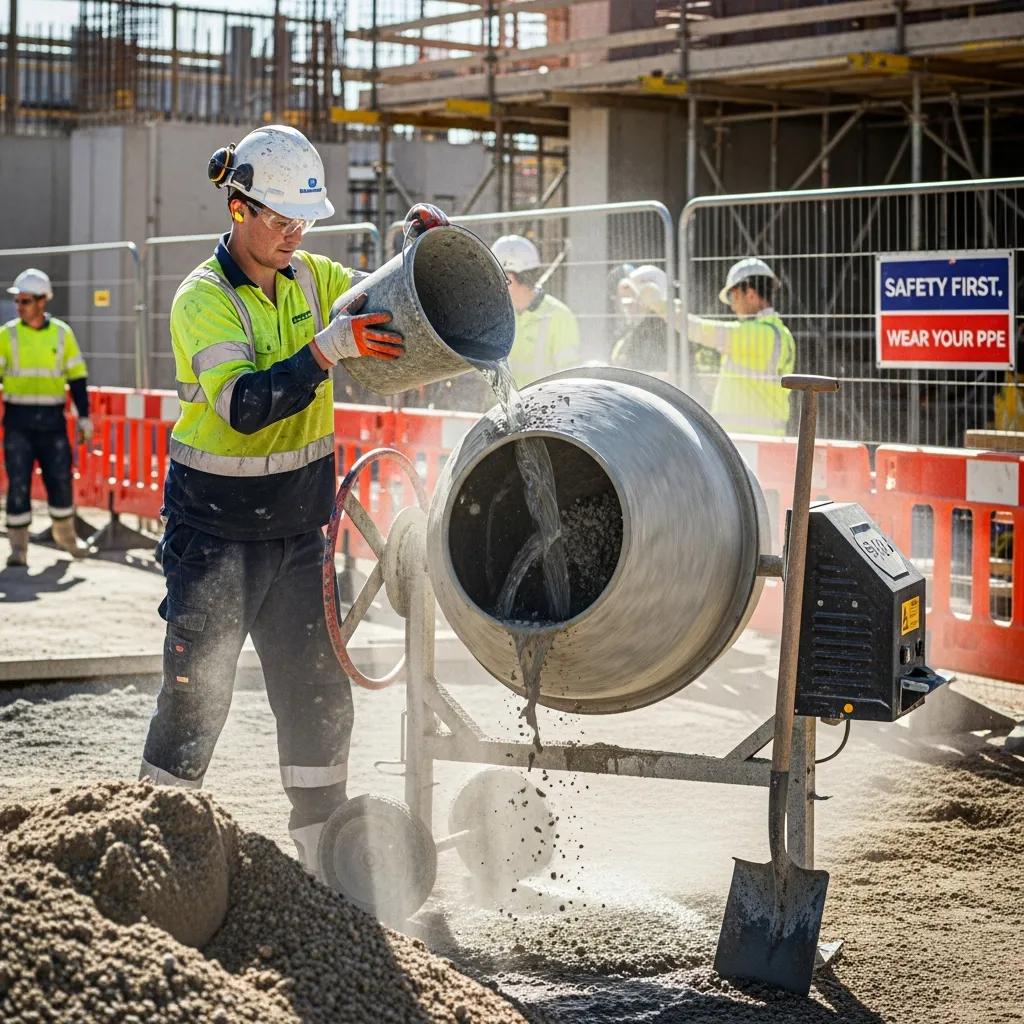
- Technical Skills: Apprentices learn how to mix, pour, and finish concrete, as well as how to operate various tools and machinery used in concrete work.
- Safety Practices: Understanding safety protocols is crucial in the concrete trades. Apprentices are trained in OSHA standards and best practices to ensure a safe working environment.
- Hands-On Experience: Practical training allows apprentices to apply their knowledge in real-world scenarios, enhancing their problem-solving abilities and technical proficiency.
How Long Does a Typical Concrete Apprenticeship Last?
- Program Structure: Some programs may offer accelerated paths for individuals with prior experience or education in related fields.
- Completion Requirements: Apprentices must complete a certain number of hours in both classroom instruction and hands-on training to graduate.
- State Regulations: Licensing requirements may also dictate the length of the apprenticeship.
Which Concrete Trade Certification and Licensing Are Required?
What Are the Certification Bodies for Concrete Trades?
- National Center for Construction Education and Research (NCCER): Offers a range of certifications for various construction trades, including concrete.
- American Concrete Institute (ACI): Provides certifications specifically focused on concrete testing and inspection.
- State Licensing Boards: Many states require concrete contractors to obtain specific licenses to operate legally.
How to Meet Licensing Requirements for Concrete Contractors?
- Complete an Approved Training Program: Many states require completion of an accredited apprenticeship or training program.
- Pass Required Examinations: Candidates must often pass written and practical exams to demonstrate their knowledge and skills.
- Submit Documentation: Applicants must provide proof of training, experience, and any other required documentation to the licensing board.
Concrete Apprenticeship Programs: Comprehensive Training and Skills
What Are Key Concrete Installation Techniques Taught?
- Formwork Construction: Learning how to build and set forms for pouring concrete is fundamental to achieving the desired shape and finish.
- Mix Design: Understanding the properties of different concrete mixes and how to create them for specific applications is crucial for quality work.
- Finishing Techniques: Apprentices learn various finishing methods, such as troweling and stamping, to achieve aesthetic and functional results.
Which Repair and Maintenance Skills Are Essential for Concrete Trades?
- Crack Repair: Learning how to identify and repair cracks in concrete surfaces to prevent further damage.
- Surface Preparation: Understanding how to prepare surfaces for repairs or overlays to ensure proper adhesion and longevity.
- Sealing and Coating: Training on the application of sealers and coatings to protect concrete from environmental damage.
What Safety and Compliance Training Is Needed in Concrete Trades?
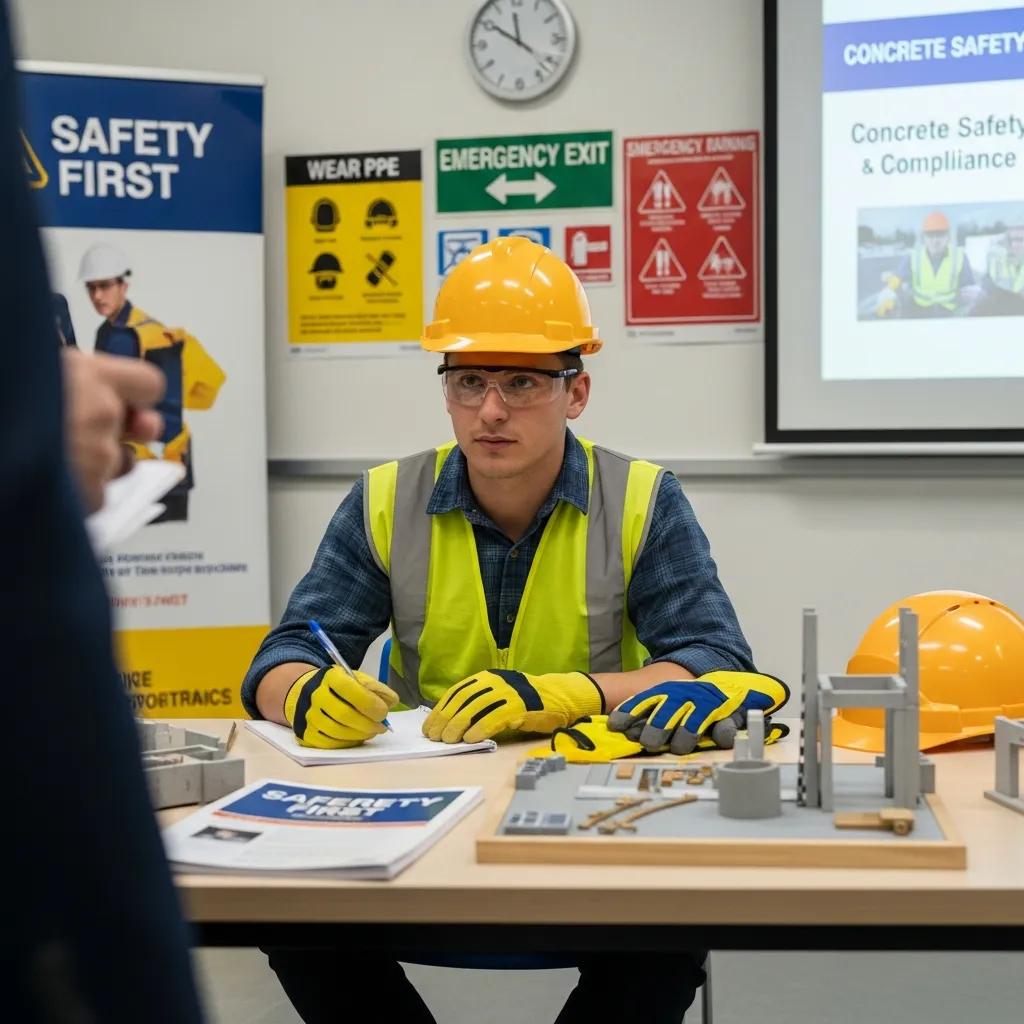
Which Safety Standards Are Critical for Concrete Apprentices?
- OSHA Regulations: Compliance with Occupational Safety and Health Administration (OSHA) standards is mandatory for all construction workers.
- Personal Protective Equipment (PPE): Understanding the importance of PPE, such as hard hats, gloves, and safety glasses, is essential for personal safety.
- Hazard Communication: Training on how to identify and communicate potential hazards on the job site is crucial for maintaining a safe working environment.
How Does Compliance Impact Concrete Trade Certification?
- Loss of Certification: Non-compliance may lead to revocation of certifications, making it difficult to find employment.
- Legal Consequences: Contractors who do not comply with safety regulations may face fines or legal action.
- Increased Liability: Non-compliance can increase liability for contractors, leading to higher insurance costs and potential lawsuits.
What Career Pathways and Advancement Opportunities Exist in Concrete Trades?
How Does Apprenticeship Lead to Concrete Contractor Certification?
- Gaining Experience: Apprentices accumulate valuable on-the-job experience that prepares them for the challenges of contracting.
- Meeting Educational Requirements: Many certification programs require a combination of education and experience, which apprentices fulfill during their training.
- Passing Certification Exams: After completing their apprenticeship, individuals can take certification exams to validate their skills and knowledge.
What Are Growth Prospects for Skilled Concrete Workers?
- Increased Construction Activity: As urban areas expand, the need for concrete installation and repair services rises.
- Aging Infrastructure: Many existing concrete structures require maintenance and repair, creating additional job opportunities.
- Technological Advancements: Innovations in concrete technology and construction methods are leading to new roles and specialties within the industry.
| Certification Body | Requirements | Benefits |
|---|---|---|
| NCCER | Completion of accredited training program and passing exams | Nationally recognized certification |
| ACI | Passing specific concrete-related exams | Validation of concrete expertise |
| State Licensing Boards | Completion of apprenticeship and submission of documentation | Legal ability to operate as a contractor |