
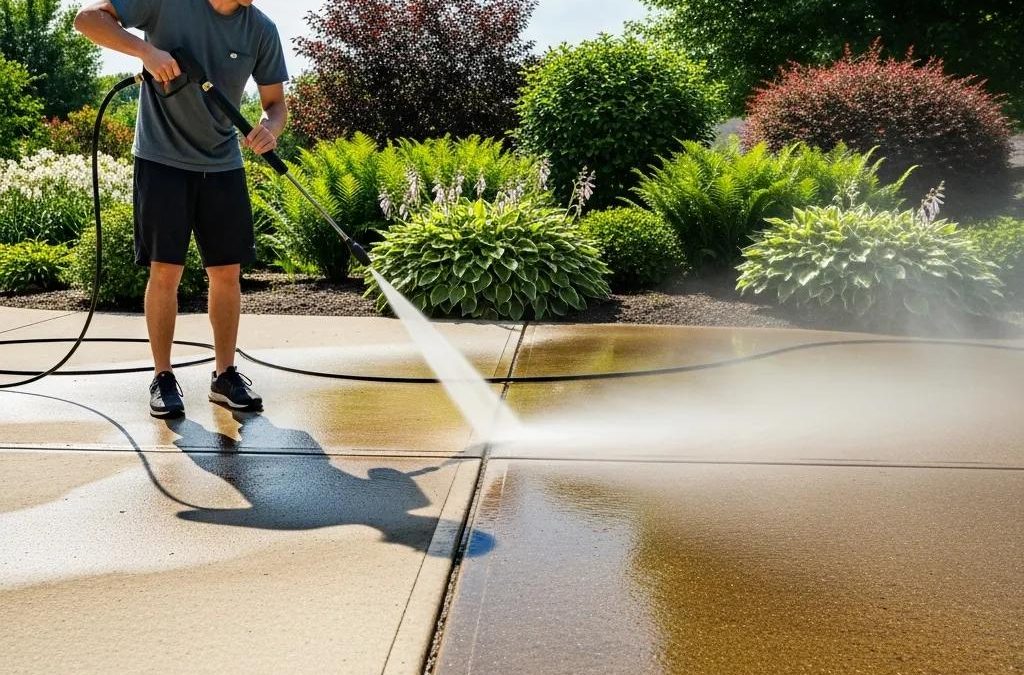
Best Practices for Cleaning Concrete
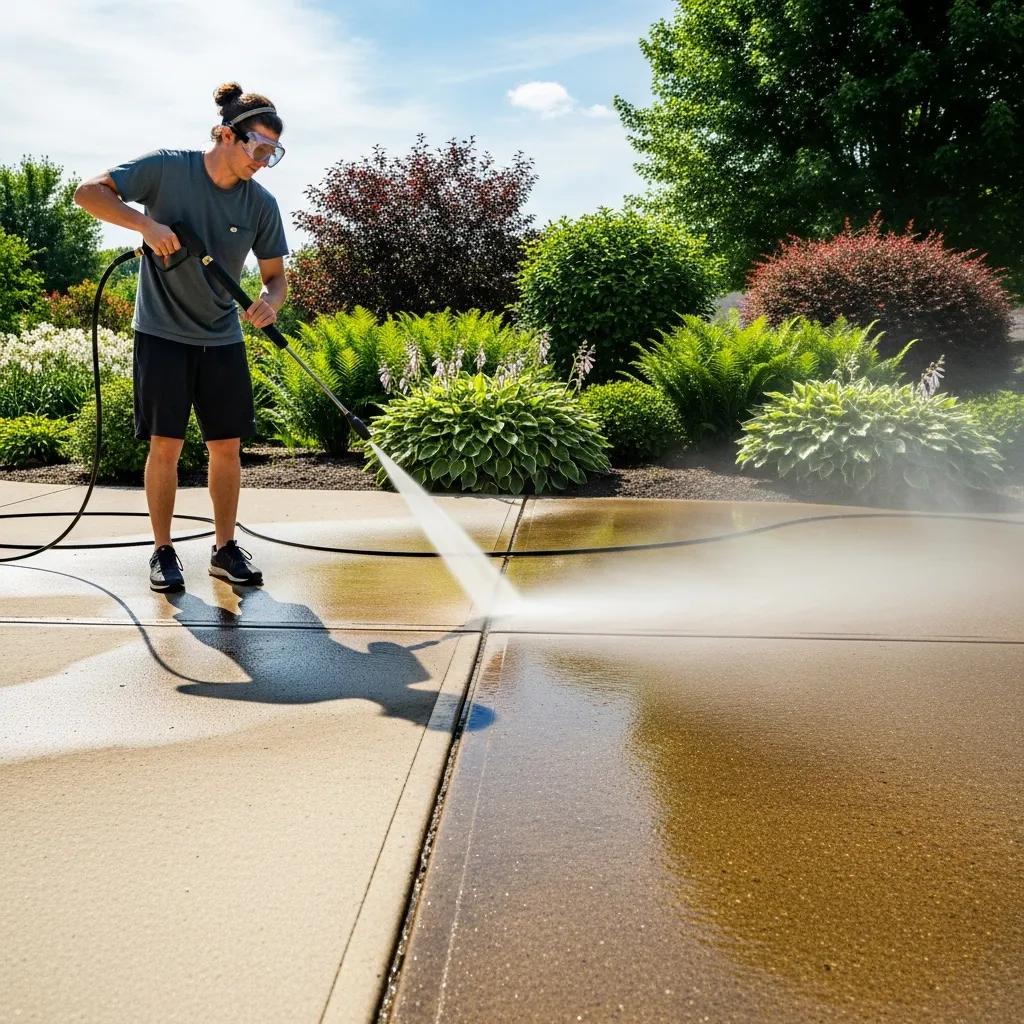
Concrete Surface Cleaning: Best Practices & Effective Solutions
What Are the Most Effective Concrete Pressure Washing Techniques?
How to Choose the Right Pressure Washer for Concrete Cleaning
- PSI and GPM Considerations: Look for a pressure washer with a minimum of 2500 PSI and a flow rate of at least 2.5 GPM for effective cleaning.
- Types of Pressure Washers: Electric pressure washers are suitable for light to medium cleaning, while gas-powered models are better for heavy-duty tasks.
- Brand Recommendations: Popular brands like Simpson and Kärcher offer reliable options for both residential and commercial use.
Step-by-Step Guide to Safe and Efficient Pressure Washing
- Preparation Steps: Clear the area of furniture and debris, and cover nearby plants to protect them from water and cleaning agents.
- Safety Gear: Wear protective eyewear and gloves to safeguard against debris and high-pressure water.
- Technique Tips: Start with a lower pressure setting and gradually increase it as needed. Maintain a consistent distance from the surface to avoid damage.
How Can You Identify and Remove Common Concrete Stains?
What Are the Best Methods for Removing Oil, Rust, and Mold Stains?
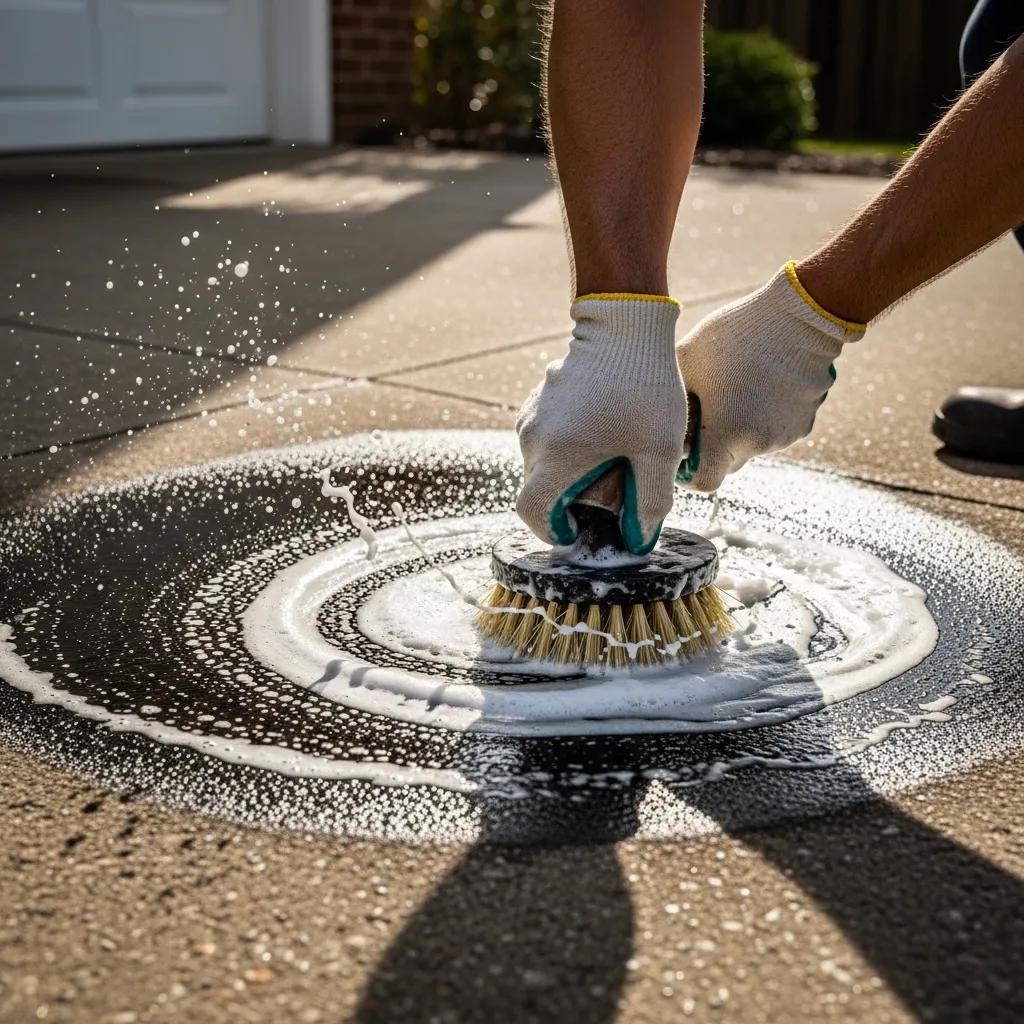
- Oil Stain Removal Methods: Use a degreaser or a mixture of baking soda and water to absorb the oil. Scrub the area with a stiff brush and rinse thoroughly.
- Rust Stain Removal Methods: Apply a rust remover or a mixture of lemon juice and water. Let it sit for a few minutes before scrubbing and rinsing.
- Mold Stain Removal Methods: Use a mixture of bleach and water (typically 1 part bleach to 10 parts water) to kill mold spores. Scrub the area and rinse well to prevent regrowth.
Which Cleaning Agents Are Most Effective for Specific Stain Types?
| Stain Type | Recommended Cleaning Agent | Application Method |
|---|---|---|
| Oil | Degreaser | Apply, scrub, rinse |
| Rust | Rust remover or lemon juice | Apply, scrub, rinse |
| Mold | Bleach solution | Apply, scrub, rinse |
What Are the Best Eco-Friendly Concrete Cleaning Solutions?

How Do Eco-Friendly Products Compare to Traditional Cleaners?
What Safety Precautions Should Be Taken When Using Green Cleaning Agents?
- Personal Protective Equipment: Wear gloves and goggles to protect your skin and eyes.
- Handling and Storage Tips: Store cleaning agents in a cool, dry place away from direct sunlight.
- Disposal Guidelines: Follow local regulations for disposing of cleaning agents to minimize environmental impact.
How Does Applying Concrete Sealers Protect and Extend Surface Life?
What Types of Concrete Sealers Are Recommended for Different Surfaces?
| Surface Type | Recommended Sealer | Application Method |
|---|---|---|
| Driveways | Acrylic sealer | Spray or roll on |
| Patios | Penetrating sealer | Apply with a brush or roller |
| Indoor floors | Epoxy sealer | Roll on |
How to Properly Apply Sealers for Maximum Protection
- Preparation Steps: Clean the surface thoroughly and allow it to dry completely.
- Application Techniques: Use a roller or sprayer for even coverage, ensuring no areas are missed.
- Curing Time Considerations: Allow the sealer to cure as per the manufacturer's instructions before using the surface.
What Routine Maintenance Practices Ensure Long-Term Concrete Cleanliness?
How Often Should Concrete Surfaces Be Cleaned and Inspected?
What Preventative Care Tips Help Avoid Stains and Surface Damage?
- Preventative Cleaning Methods: Regularly sweep and wash surfaces to remove debris and prevent buildup.
- Protective Coatings: Apply sealers and coatings to enhance resistance to stains and moisture.
- Regular Inspections: Check for cracks or damage and address them promptly to prevent further deterioration.