
Transform Your Home: The Benefits of Poured Foundation Walls
The Complete Guide to Poured Foundation Walls: Benefits and Techniques
Poured foundation walls are a popular choice in modern construction due to their strength, durability, and versatility. This comprehensive guide will explore the benefits of poured foundation walls, the construction techniques involved, and insights into repair and maintenance. Homeowners and builders alike often face challenges when selecting the right foundation type, and understanding the advantages of poured walls can lead to better decision-making. Throughout this article, we will delve into the construction process, waterproofing methods, common issues, and cost considerations, providing a thorough overview of poured foundation walls.
What Are Poured Concrete Foundation Walls and Their Key Benefits?
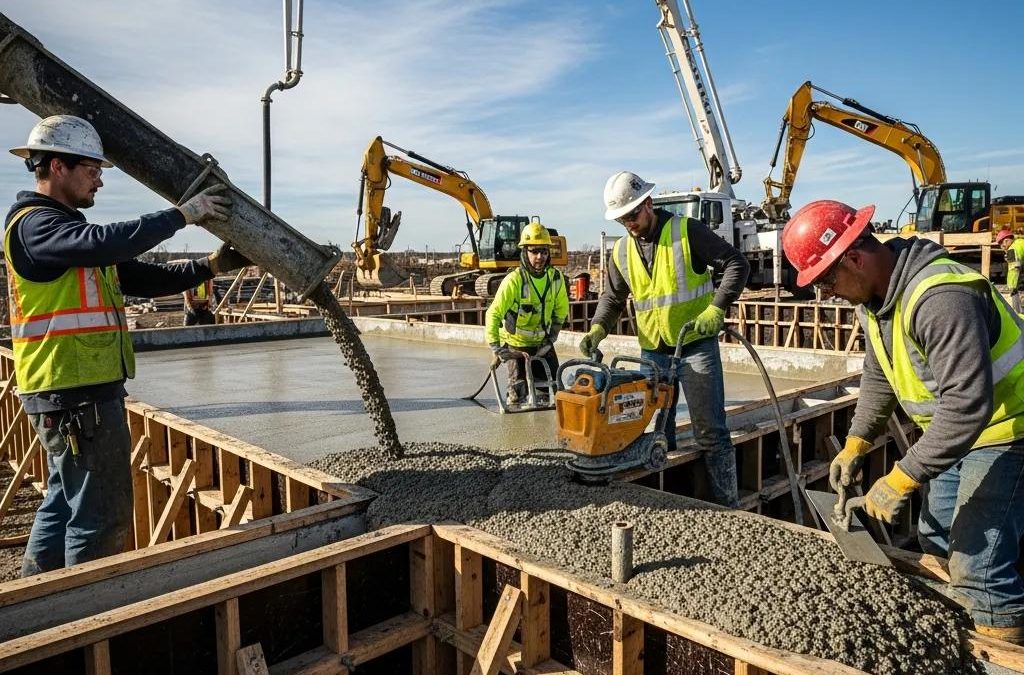
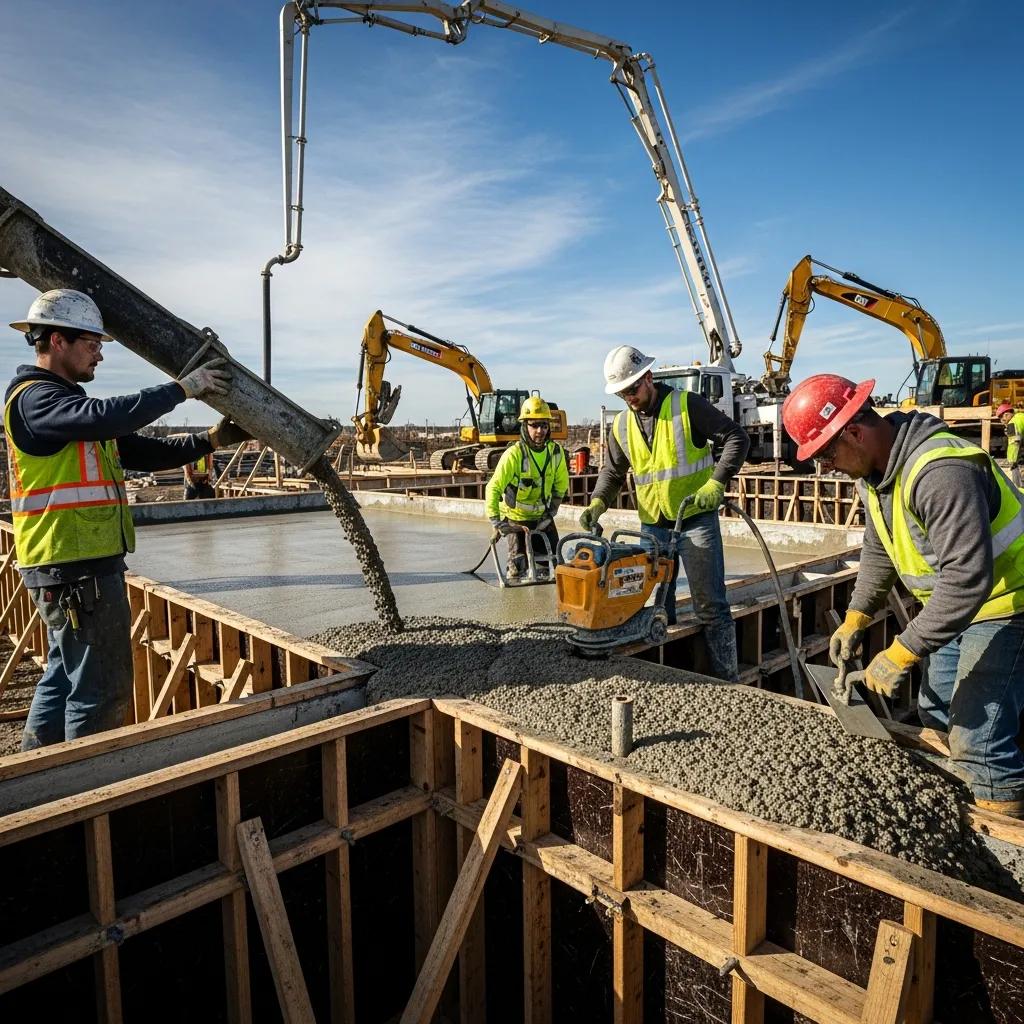
Poured concrete foundation walls are constructed by pouring concrete into forms, creating a solid and continuous structure. This method offers several advantages over traditional block foundations, including enhanced strength and resistance to water infiltration. The seamless nature of poured walls minimizes the risk of cracks and leaks, making them a reliable choice for various climates. Additionally, poured walls can be easily insulated, improving energy efficiency in homes.
How Do Poured Foundation Walls Compare to Other Foundation Wall Types?
When comparing poured foundation walls to other types, such as concrete block or stone foundations, several factors come into play. Poured walls typically provide superior structural integrity due to their monolithic design, which reduces the likelihood of weak points. In contrast, block foundations may require additional reinforcement and are more susceptible to water damage. Furthermore, poured walls can be formed to accommodate various architectural designs, offering greater flexibility in construction.
What Structural and Durability Advantages Do Concrete Foundation Walls Offer?
Concrete foundation walls are renowned for their durability and strength. They can withstand significant loads and resist environmental factors such as moisture and temperature fluctuations. Studies have shown that poured concrete walls can last for decades with proper maintenance, making them a cost-effective long-term investment. Their resistance to pests and mold also contributes to a healthier living environment, further enhancing their appeal.
Indeed, the inherent strength of poured concrete is quantified by its impressive compressive strength, a key factor in its long-term performance.
Poured Foundation Wall Compressive Strength
the method used to compact the concrete after pouring; the compressive strength in the range of 25 to 35 MPa for footings, foundation walls, and slabs.
Insights into concrete forming, reinforcing, and pouring in building construction, M Safiuddin, 2022
Step-by-Step Construction of Poured Foundation Walls
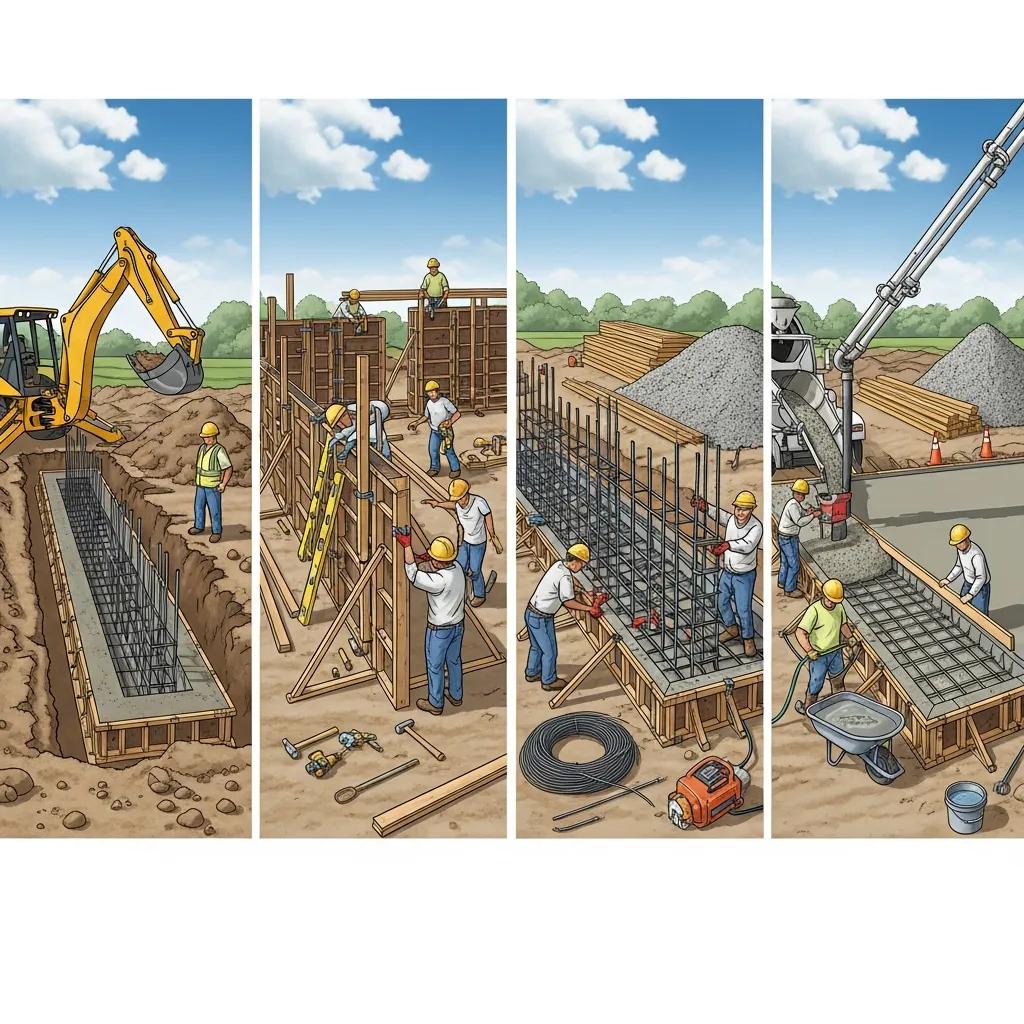
The construction of poured foundation walls involves several critical steps to ensure a strong and durable structure. First, excavation is performed to create a trench for the foundation. Next, formwork is set up to shape the walls, followed by the placement of reinforcement bars to enhance strength. Finally, concrete is poured into the forms, and once cured, the forms are removed, revealing a solid foundation.
What Role Does Formwork Play in Foundation Wall Construction?
Formwork is essential in the construction of poured foundation walls, as it shapes the concrete during the curing process. Various types of formwork, including wood, metal, and plastic, can be used depending on the project requirements. Properly designed formwork ensures that the walls maintain their shape and structural integrity while the concrete sets. Additionally, high-quality formwork can reduce the risk of defects in the finished wall.
How Are Reinforcement Bars Placed and Concrete Poured for Optimal Strength?
Reinforcement bars, or rebar, are strategically placed within the formwork to provide additional strength to the poured walls. The placement of rebar is crucial, as it helps the concrete withstand tensile forces that could lead to cracking. Once the rebar is in position, concrete is poured into the forms, ensuring that it fully encapsulates the reinforcement. The curing process is vital, as it allows the concrete to gain strength and durability over time.
Which Waterproofing and Insulation Methods Enhance Poured Foundation Wall Performance?
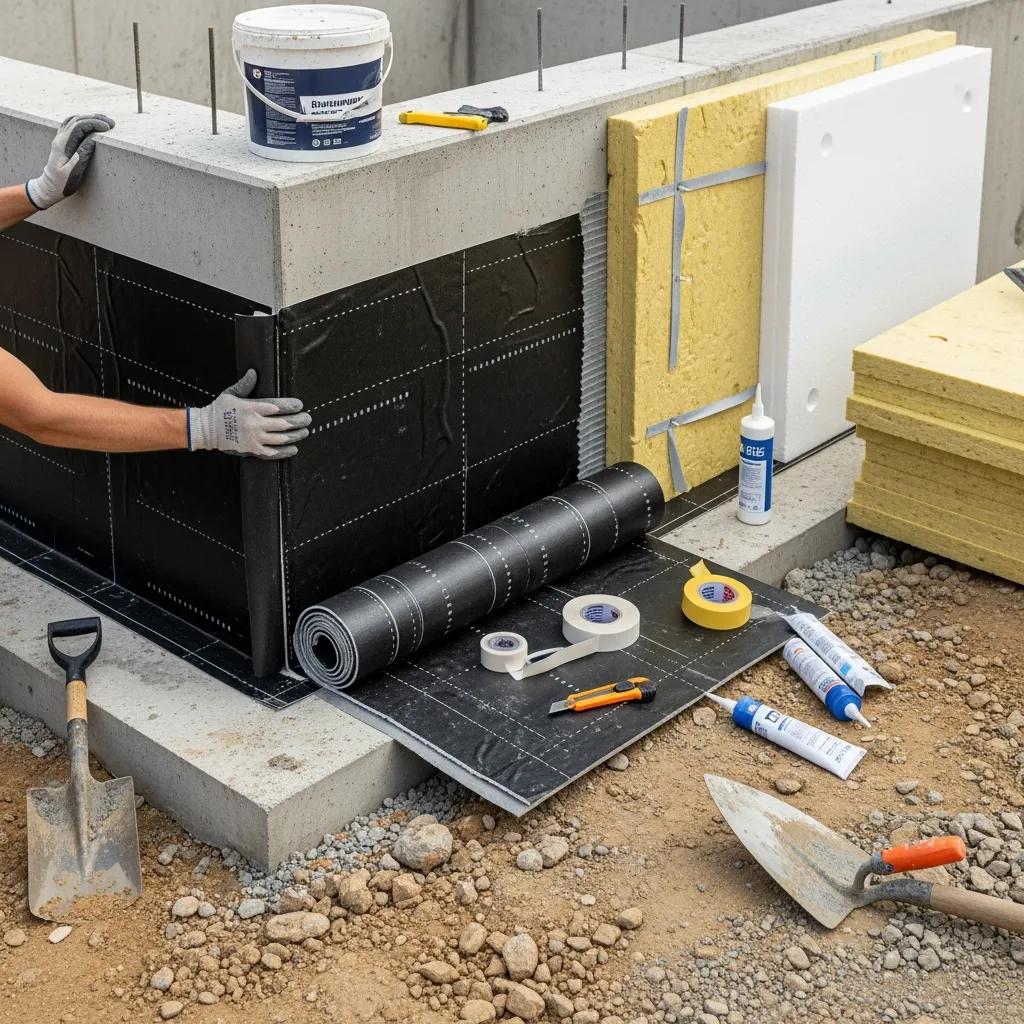
Waterproofing and insulation are critical components in maximizing the performance of poured foundation walls. Effective waterproofing prevents moisture infiltration, which can lead to structural damage and mold growth. Various methods, such as applying waterproof membranes or coatings, can be employed to protect the foundation. Additionally, insulation can be added to the exterior of the walls to improve energy efficiency and reduce heating and cooling costs.
What Advanced Waterproofing Techniques Are Used for Concrete Foundation Walls?
Advanced waterproofing techniques include the use of liquid-applied membranes, which create a seamless barrier against water intrusion. These membranes can be applied directly to the concrete surface, providing excellent adhesion and flexibility. Other methods, such as drainage boards and French drains, can be integrated into the foundation design to manage water flow effectively. These techniques ensure that poured foundation walls remain dry and structurally sound over time.
Further research highlights innovative approaches, such as pre-applied membranes, that enhance the waterproofing process.
Pre-Applied Waterproofing for Poured Concrete Foundations
membranes in a pre-application process. The waterproofing membranes are installed before concrete is poured fresh concrete, thus forming an adhesive and waterproof bond.
Pre-applied bonded waterproofing membranes: A review of the history and state-of-the-art in Europe and North America, KC Thienel, 2021
How Does Insulation Improve Energy Efficiency in Poured Foundation Walls?
Insulation plays a vital role in enhancing the energy efficiency of poured foundation walls. By reducing heat transfer, insulation helps maintain a consistent indoor temperature, leading to lower energy bills. Various insulation materials, such as rigid foam boards or spray foam, can be used to achieve optimal thermal performance. Studies indicate that well-insulated foundation walls can significantly reduce energy consumption, making them an environmentally friendly choice.
What Are Common Issues with Poured Foundation Walls and How Are Repairs Performed?
While poured foundation walls are durable, they can still experience issues such as cracking or settling. Identifying these problems early is crucial to prevent further damage. Common repair methods include epoxy injections for cracks and underpinning techniques for settling issues. Regular maintenance practices can also extend the lifespan of foundation walls, ensuring they remain in good condition.
Can Poured Concrete Foundation Walls Crack and How Are Cracks Repaired?
Cracking in poured concrete foundation walls can occur due to various factors, including temperature changes and soil movement. When cracks are detected, they should be addressed promptly to prevent water infiltration and structural damage. Repair methods such as epoxy injections can effectively seal cracks and restore the wall’s integrity. Additionally, preventative measures, such as proper drainage and soil management, can help minimize the risk of future cracking.
What Maintenance Practices Extend the Lifespan of Foundation Walls?
Regular maintenance is essential for prolonging the lifespan of poured foundation walls. Homeowners should inspect their foundation for signs of damage, such as cracks or water stains, and address any issues immediately. Maintaining proper drainage around the foundation and ensuring that gutters and downspouts direct water away from the walls can also prevent moisture-related problems. Implementing these practices can significantly enhance the durability and performance of poured foundation walls.
How Much Do Poured Foundation Walls Cost and How to Select the Right Contractor?
The cost of poured foundation walls can vary based on several factors, including material prices, labor costs, and site preparation requirements. Understanding these factors can help homeowners budget effectively for their projects. Selecting an experienced contractor is crucial to ensure quality workmanship and adherence to building codes.
What Factors Influence the Cost of Poured Concrete Foundation Walls?
Several factors influence the cost of poured concrete foundation walls, including:
- Material Costs: The price of concrete and reinforcement materials can vary based on market conditions.
- Labor Costs: Skilled labor is essential for proper installation, and labor rates can differ by region. Labor costs typically range from $50 to $100 per hour.
- Site Preparation Costs: Excavation and grading work may be necessary before construction begins, impacting overall costs. This can range from $1,200 to $5,000 depending on site conditions.
How to Choose Experienced Foundation Wall Contractors for Your Project?
Choosing the right contractor for poured foundation wall construction involves several key considerations:
- Experience and Qualifications: Look for contractors with a proven track record in foundation work.
- Questions to Ask: Inquire about their methods, materials, and past projects to gauge their expertise.
- Red Flags to Avoid: Be cautious of contractors who provide vague estimates or lack proper licensing and insurance.
By following these guidelines, homeowners can select a qualified contractor who will deliver high-quality results for their foundation project.