
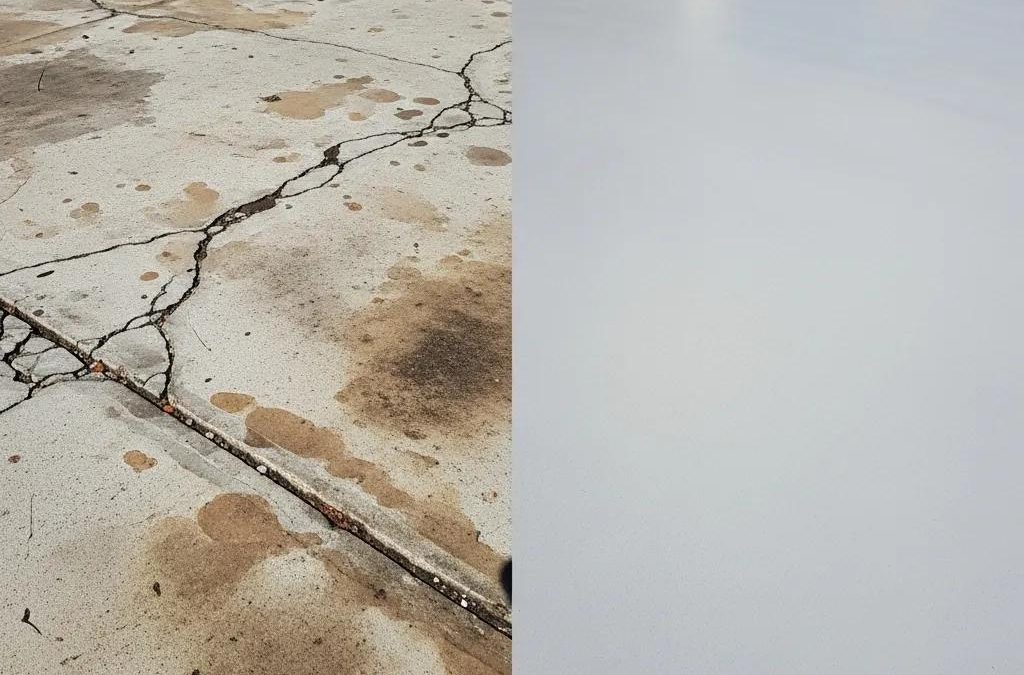
Find Top Concrete Restoration Contractors Near You Today
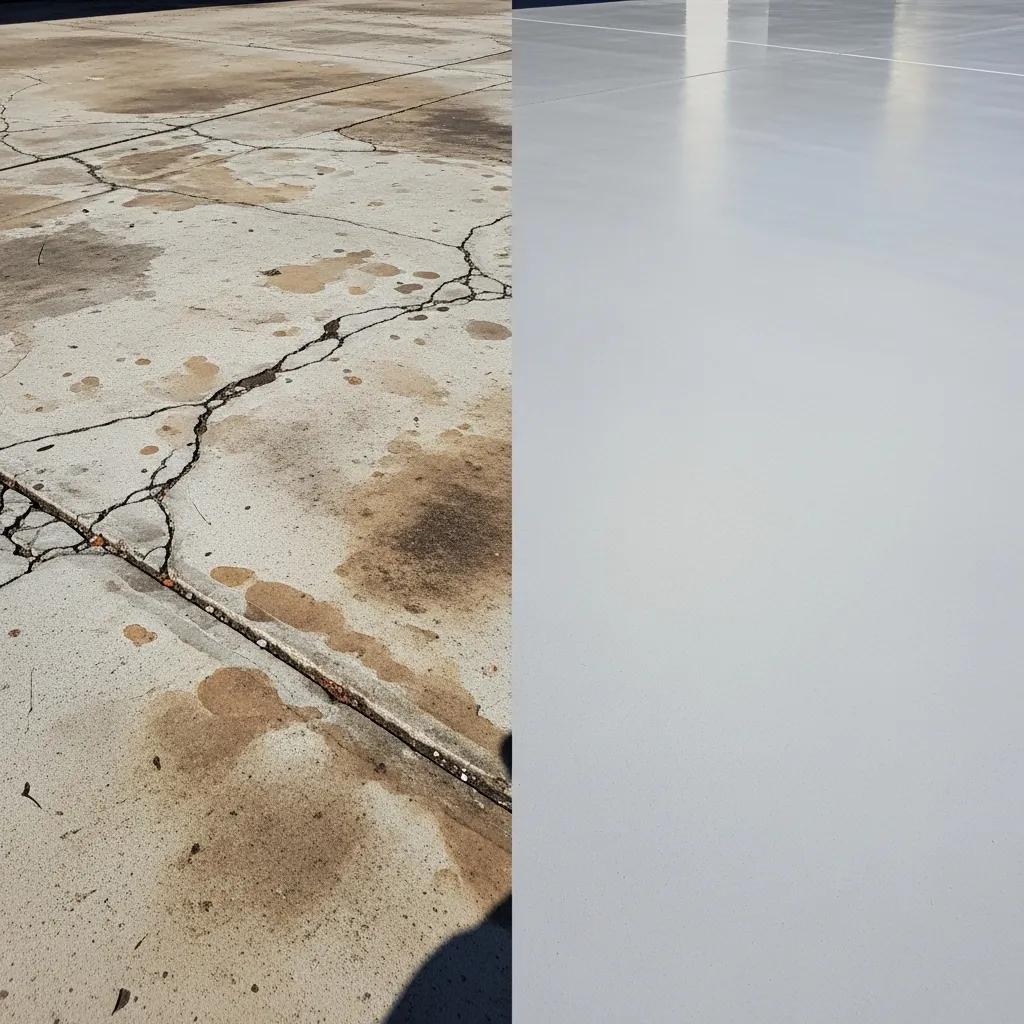
The Complete Guide to Concrete Restoration: Transforming Deteriorated Surfaces
Concrete surfaces can deteriorate over time due to various environmental factors, wear and tear, and improper installation. This comprehensive guide explores the techniques, benefits, and best practices for concrete restoration, providing valuable insights for homeowners and contractors alike. Readers will learn about the causes of concrete deterioration, effective restoration methods, and how to maintain restored surfaces for longevity. By understanding these concepts, individuals can make informed decisions about restoring their concrete surfaces, ensuring they remain functional and aesthetically pleasing. This article will cover essential topics, including techniques used in concrete restoration, expected outcomes, common causes of deterioration, maintenance practices, and how to choose reliable contractors for restoration projects.
Techniques Used in Concrete Restoration
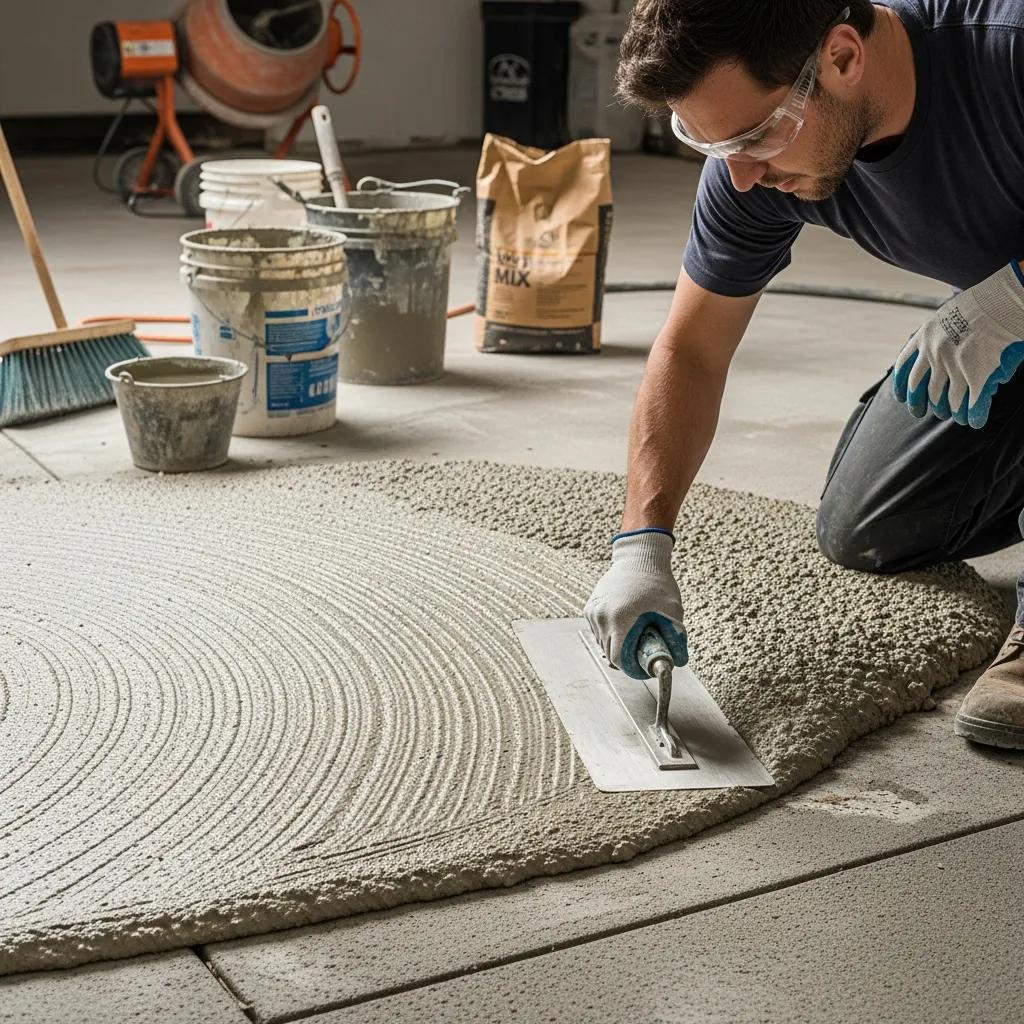
Concrete restoration involves various techniques designed to repair and rejuvenate deteriorated surfaces. These methods can range from simple patching to more complex processes like resurfacing and sealing. Selecting the right technique is crucial for achieving optimal results, as each method addresses specific types of damage and surface conditions. Common techniques include crack repair, surface sealing, and slab jacking, each offering unique benefits and applications.
Concrete Restoration Guide: Techniques to Revive Deteriorated Surfaces
The benefits of concrete restoration are significant and can greatly enhance the longevity and appearance of surfaces. Key outcomes include:
- Enhanced Durability: Restored concrete surfaces are more resistant to future damage, extending their lifespan.
- Improved Aesthetic Appeal: Restoration can revitalize the look of concrete, making it more visually appealing.
- Cost-Effectiveness: Investing in restoration can be more economical than complete replacement, saving money in the long run.
For those interested in concrete restoration services, requesting a free estimate can provide clarity on potential costs and options available.
What Causes Concrete Surface Deterioration and How Can It Be Identified?
Concrete surfaces can deteriorate due to a variety of factors, including environmental conditions, improper installation, and natural wear over time. Identifying these causes early can help in implementing effective restoration strategies.
Common Causes of Concrete Surface Deterioration
Several environmental and installation factors contribute to concrete deterioration:
- Environmental Conditions: Exposure to moisture, freeze-thaw cycles, and chemical spills can weaken concrete.
- Improper Installation: Poor mixing, inadequate curing, and insufficient reinforcement can lead to early failure.
- Wear Over Time: Regular use and traffic can cause surface wear, leading to cracks and surface damage.
Signs of Damage
Recognizing the signs of concrete damage is essential for timely intervention. Common indicators include:
- Types of Cracks: Hairline fractures, large cracks, and settlement cracks can signal underlying issues.
- Surface Damage Indicators: Pitting, scaling, and spalling are visible signs of deterioration.
- Discoloration Signs: Stains and discoloration can indicate moisture intrusion or chemical exposure.
Assessment Techniques
Assessing the condition of concrete surfaces involves various methods:
- Visual Inspection Methods: Regular visual checks can help identify obvious signs of damage.
- Measurement Techniques: Tools like moisture meters can provide quantitative data on surface conditions.
- Professional Evaluations: Engaging experts can ensure a thorough assessment and appropriate recommendations.
Common Repair Methods
Several methods are commonly used for concrete repair, each with its pros and cons:
- Patching Techniques: Quick and effective for small cracks and surface imperfections.
- Resurfacing Options: Ideal for larger areas, resurfacing can restore the entire surface.
- Epoxy Injection Methods: Used for structural repairs, epoxy injections can bond and seal cracks effectively.
For a deeper dive into industry-standard practices for both assessing concrete condition and executing effective repairs, consider the comprehensive guidance provided by leading organizations.
Industry Guidance for Concrete Repair & Assessment
1. This Special Publication SP introduces a brief overview of concrete repair guidance offered by the American Concrete Institute ACI International, the International Concrete Repair Institute ICRI, the American Concrete Pavement Association ACPA, the Aberdeen Group, the Portland Cement Association PCA, and work by authors considered experts in the field of concrete repair. The publication is divided into two parts Part I, Condition Assessment, and Part II, Concrete Repair. Part I details condition survey, concrete evaluation, evaluation of structures, and additional surface evaluation Part II introduces concrete removal, surface preparation, repair materials, placement methods, curing, quality control, and repair guidance.
Overview Of Industry Guidance On Concrete Condition Assessment and Concrete Repair For Use Prior To Coating, 2000
Maintenance Practices
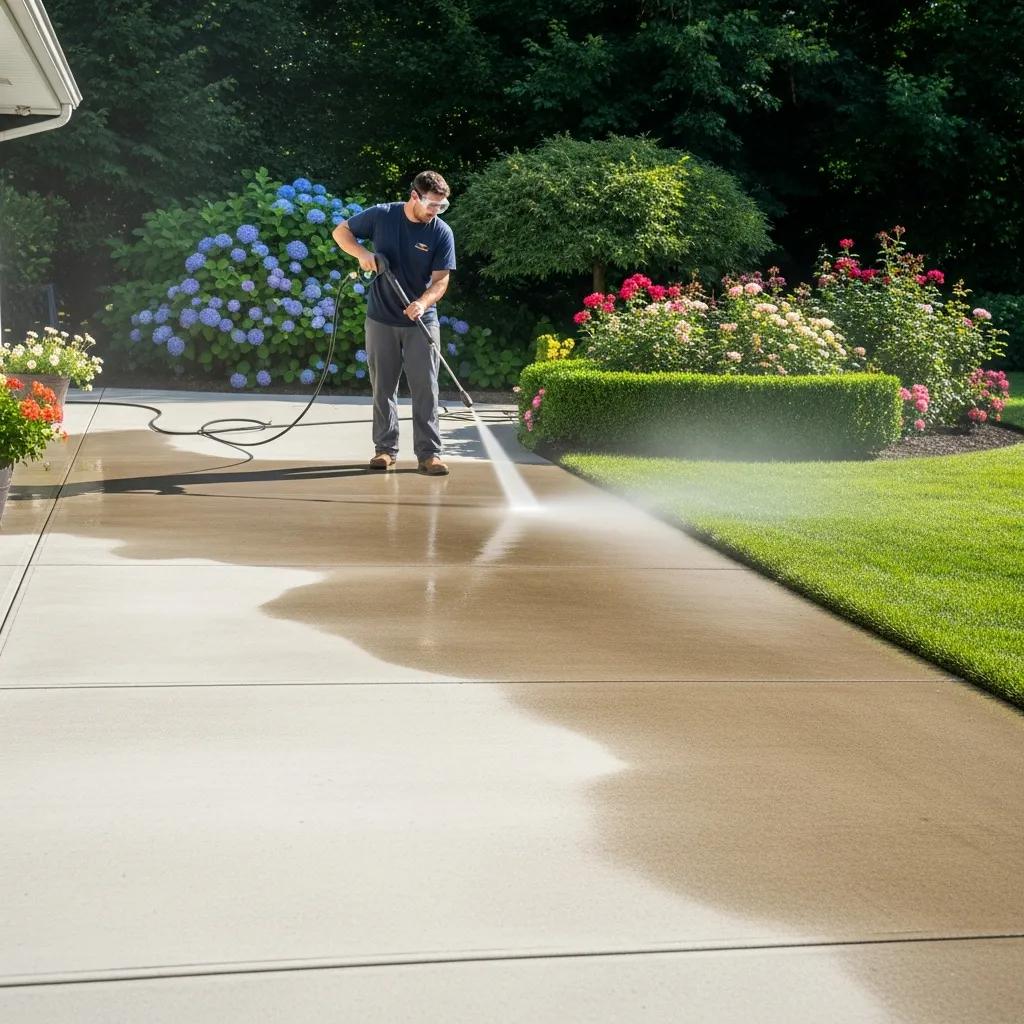
Maintaining restored concrete surfaces is crucial for ensuring their longevity. Best practices include:
- Regular Cleaning: Keeping surfaces clean prevents the buildup of dirt and debris that can cause damage.
- Prompt Repairs: Addressing minor issues quickly can prevent them from escalating into major problems.
- Sealing Recommendations: Applying sealants can protect surfaces from moisture and stains.
Common Signs and Types of Concrete Damage
Understanding the various types of concrete damage is essential for effective restoration. Common types include:
- Cracks: These can vary in size and severity, indicating different underlying issues.
- Surface Damage: Pitting and scaling can affect the surface’s integrity and appearance.
- Discoloration: Stains can result from various sources, including chemicals and moisture.
Impact of Structural Integrity on Concrete Longevity
The structural integrity of concrete plays a significant role in its longevity. Key factors include:
- Importance of Curing: Proper curing techniques ensure that concrete achieves its intended strength and durability.
- Role of Reinforcement: Adequate reinforcement helps prevent cracking and structural failure.
- Material Quality Impact: Using high-quality materials can significantly enhance the lifespan of concrete surfaces.
Emphasizing the importance of extending the lifespan of existing structures, industry initiatives highlight the need for durable and effective concrete repair strategies.
Durable Concrete Repair for Extended Structure Life
1. There are considerable pressures, including considerations of environmental sustainability, for the life of existing buildings and infrastructure to be extended. This will require industry to deliver more durable and effective measures for the protection and repair of concrete structures. A thematic network on the performance-based remediation of reinforced concrete structures was established to help address these issues.
CONREPNET: Performance-based approach to the remediation of reinforced concrete structures: Achieving durable repaired concrete structures, 2007
Which Concrete Restoration Techniques Effectively Repair and Resurface Surfaces?
Several effective restoration techniques can repair and resurface concrete, each with its unique benefits. Understanding these methods can help in selecting the right approach for specific needs.
Step-by-Step Concrete Crack Repair Methods
Repairing cracks involves a systematic approach:
- Preparation Steps: Clean the crack and surrounding area to ensure proper adhesion.
- Application Techniques: Use appropriate materials, such as epoxy or polymer-modified cement, for filling.
- Post-Repair Care: Allow adequate curing time and protect the area from traffic until fully set.
For a detailed exploration of various concrete crack repair methods, particularly those applicable to vertical surfaces in commercial and strata buildings, further insights are available.
Concrete Crack Repair Methods for Vertical Surfaces
1. Strata and commercial buildings, like any other structures, bear the weight of time, elements, and everyday wear. One common manifestation of this wear is cracks in concrete on vertical surfaces, ranging from mere cosmetic annoyances to serious structural concerns, concrete crack repair is an essential step in fortifying vertical surfaces for strata andcommercial buildings. Repairing these areas isn’t just about a quick fix, but understanding the depth and nature of the issue. There’s a spectrum of solutions: from the good, the better, to the best. This article will delve into each of these methods, equipping you with the knowledge to determine which approach is ideal for any given scenario. Whether you’re a building owner, a contractor, or simply curious aboutbuilding maintenance, we’ve got the insights to guide you through the maze of concrete crack repair solutions.
Concrete Crack Repair for Vertical Surfaces: Good,
Better, Best, 2023
Benefits of Concrete Resurfacing and Sealing
Concrete resurfacing and sealing offer numerous advantages, including:
- Improved Durability: Sealing protects against moisture and stains, enhancing surface longevity.
- Aesthetic Enhancement: Resurfacing can restore the original look of concrete, making it more attractive.
- Cost-Effectiveness: These methods can be more affordable than complete replacement, providing significant savings.
What Materials Are Best Suited for Durable Concrete Restoration?
Choosing the right materials is critical for successful concrete restoration. Common materials include:
- Epoxy Resins: Ideal for crack repairs and bonding, offering strong adhesion and durability.
- Sealants: Protect surfaces from moisture and stains, extending their lifespan.
- Repair Materials: Various patching compounds are available, each suited for specific types of damage.
How to Choose Reliable Concrete Sealing Contractors for Your Restoration Project?
Selecting the right contractor for concrete sealing is essential for achieving quality results. Key considerations include:
Key Qualifications
When evaluating contractors, look for:
- Licensing Requirements: Ensure the contractor is properly licensed to perform concrete work.
- Insurance Coverage: Verify that they have liability insurance to protect against potential damages.
- Certifications: Check for any relevant certifications that demonstrate expertise in concrete restoration.
Important Questions to Ask
Before hiring a contractor, consider asking:
- Experience Inquiries: How long have they been in the concrete restoration business?
- Communication Preferences: What is their preferred method of communication during the project?
- Project Details: Can they provide a detailed plan and timeline for the restoration work?
Factors to Consider
When choosing a contractor, consider:
- Local Knowledge Benefits: A contractor familiar with local conditions can provide better solutions.
- Reputation Assessment: Research reviews and testimonials to gauge their reliability.
- Past Work Quality: Request examples of previous projects to assess their workmanship.
Key Credentials and Experience to Look For in Contractors
When hiring concrete repair professionals, it’s essential to consider their credentials and experience. Look for:
- Licensing and Insurance: Ensure they are licensed and insured to protect against liabilities.
- Certifications: Relevant certifications can indicate a higher level of expertise.
- Experience Level: A contractor with extensive experience is likely to deliver better results.
Questions to Ask Before Hiring Concrete Repair Professionals
Before making a hiring decision, ask potential contractors the following questions:
- Qualifications Inquiries: What qualifications do they have in concrete restoration?
- Experience Verification: Can they provide references from previous clients?
- Project Management Skills: How do they handle project timelines and unexpected issues?
What Are the Cost Considerations and Maintenance Practices for Concrete Restoration?
Understanding the costs associated with concrete restoration is crucial for budgeting. Key considerations include:
Estimating Commercial Concrete Restoration Costs
Several factors can affect the cost of restoration, including:
- Factors Affecting Costs: The extent of damage, materials used, and labor costs can all influence pricing.
- Average Cost Ranges: Restoration costs can vary widely, so obtaining multiple estimates is advisable.
- Budgeting Tips: Plan for unexpected expenses by setting aside a contingency fund.
Best Practices for Long-Term Maintenance and Surface Protection
To ensure the longevity of restored concrete, consider these maintenance practices:
- Regular Cleaning: Keep surfaces clean to prevent damage from dirt and debris.
- Prompt Repairs: Address any issues as soon as they arise to prevent further deterioration.
- Sealing Recommendations: Regularly apply sealants to protect against moisture and stains.