Explore Key Municipal Concrete Infrastructure Types
Municipal Concrete Projects: What Types of Concrete Work Are Included in Infrastructure Construction?
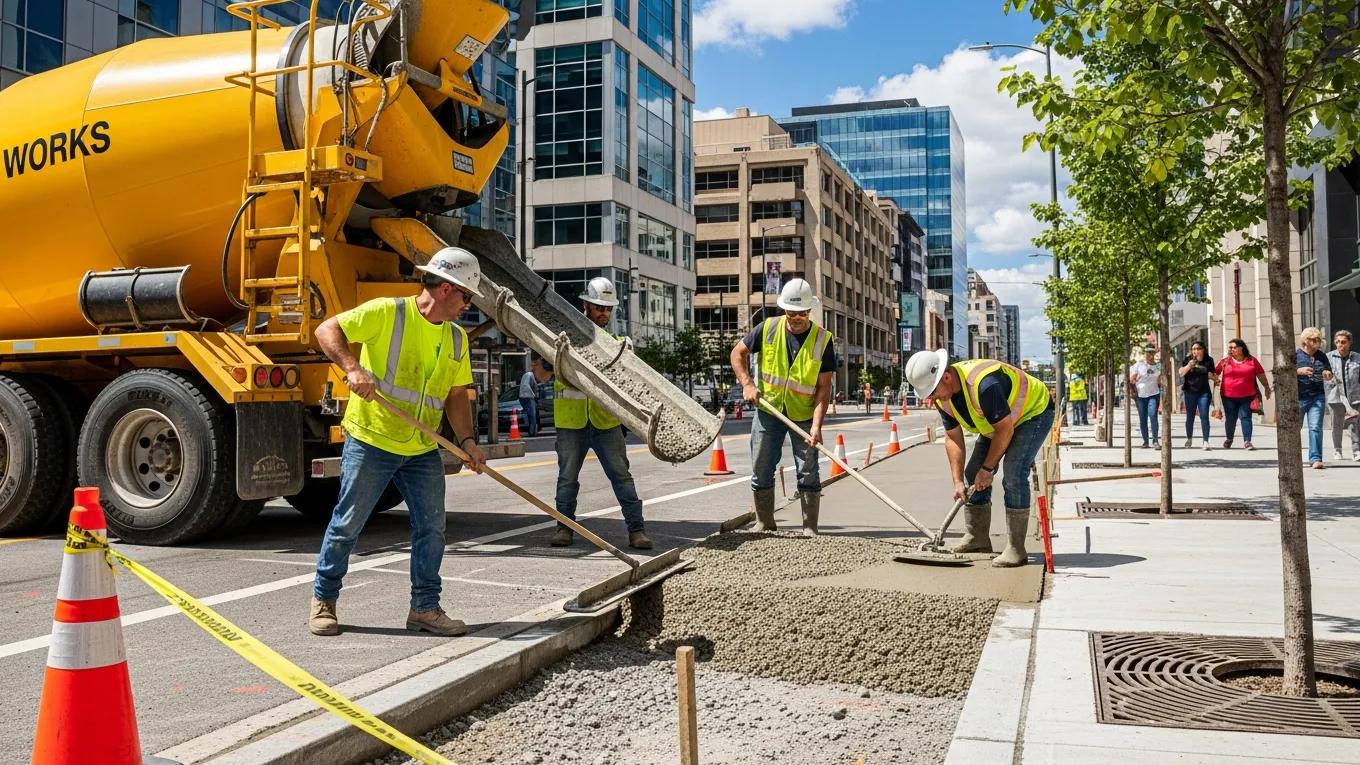
Municipal infrastructure projects cover many concrete services that keep public spaces safe and functional. This article summarizes common municipal concrete work—sidewalks, curbs, gutters, utility vaults—and the standards, benefits, and contractor selection considerations municipalities should weigh. For municipalities needing assistance, contact us to connect with experienced concrete contractors.
Which Concrete Infrastructure Types Are Common in Municipal Projects?
Municipal projects include several concrete elements that support circulation, amenities, and vehicle traffic. Common types include:
- Sidewalks and Walking Trails: Provide safe pedestrian access and community connectivity.
- Concrete Pads for Shelters: Foundations for bus stops, picnic shelters, and outdoor amenities.
- Flatwork for Roadways and Intersections: Durable surfaces designed to withstand traffic loads.
These components support safety and accessibility across urban and suburban areas.
What Sidewalk Concrete Services Are Provided for Public Infrastructure?
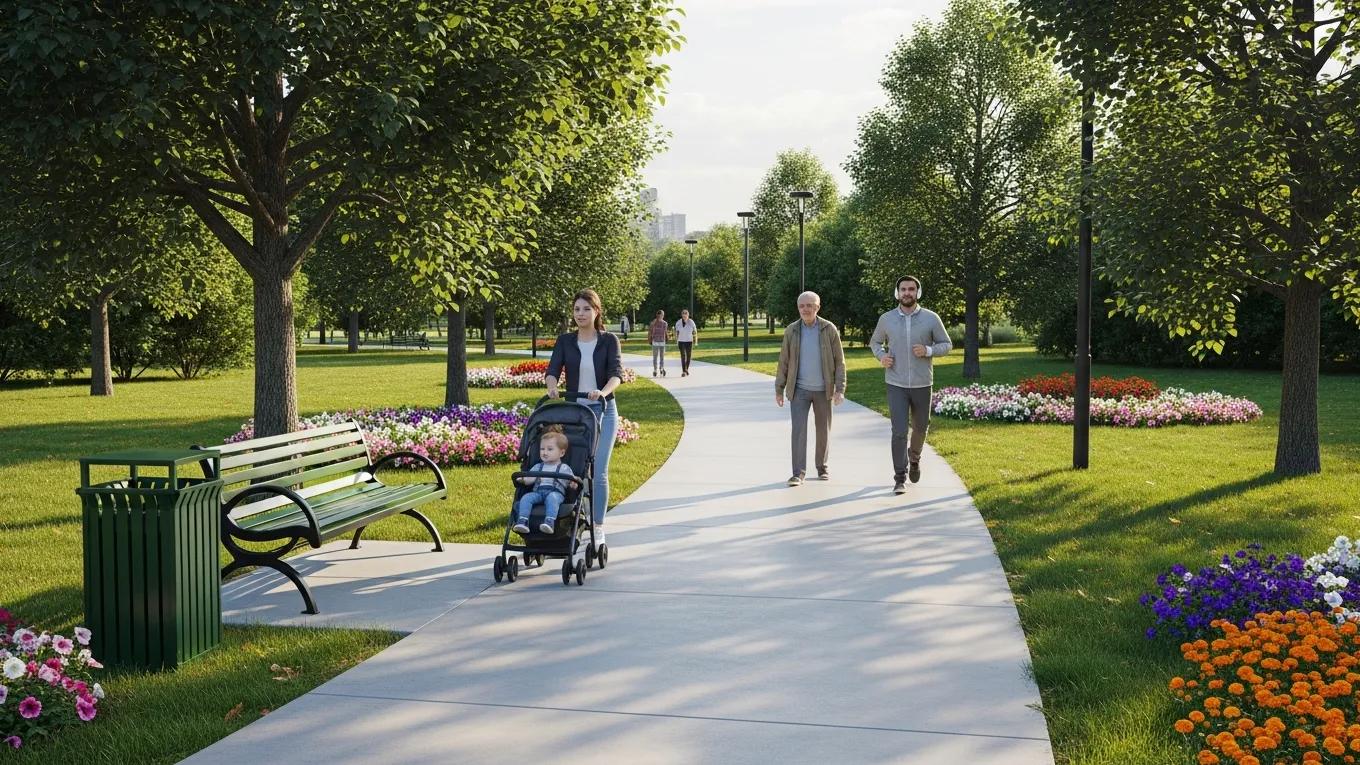
Sidewalk services keep pedestrian routes safe and ADA-compliant. Typical offerings include:
- New Concrete Sidewalk Installation: Constructing new walkways to improve access.
- Replacement of Damaged Sidewalks: Repairing or replacing hazardous, deteriorated panels.
- ADA Compliance Considerations: Designing slopes, widths, and tactile surfaces to meet accessibility standards.
Well-maintained sidewalks reduce liability and improve walkability. Learn more about our service areas.
How Are Curbs and Gutters Installed in Municipal Concrete Work?
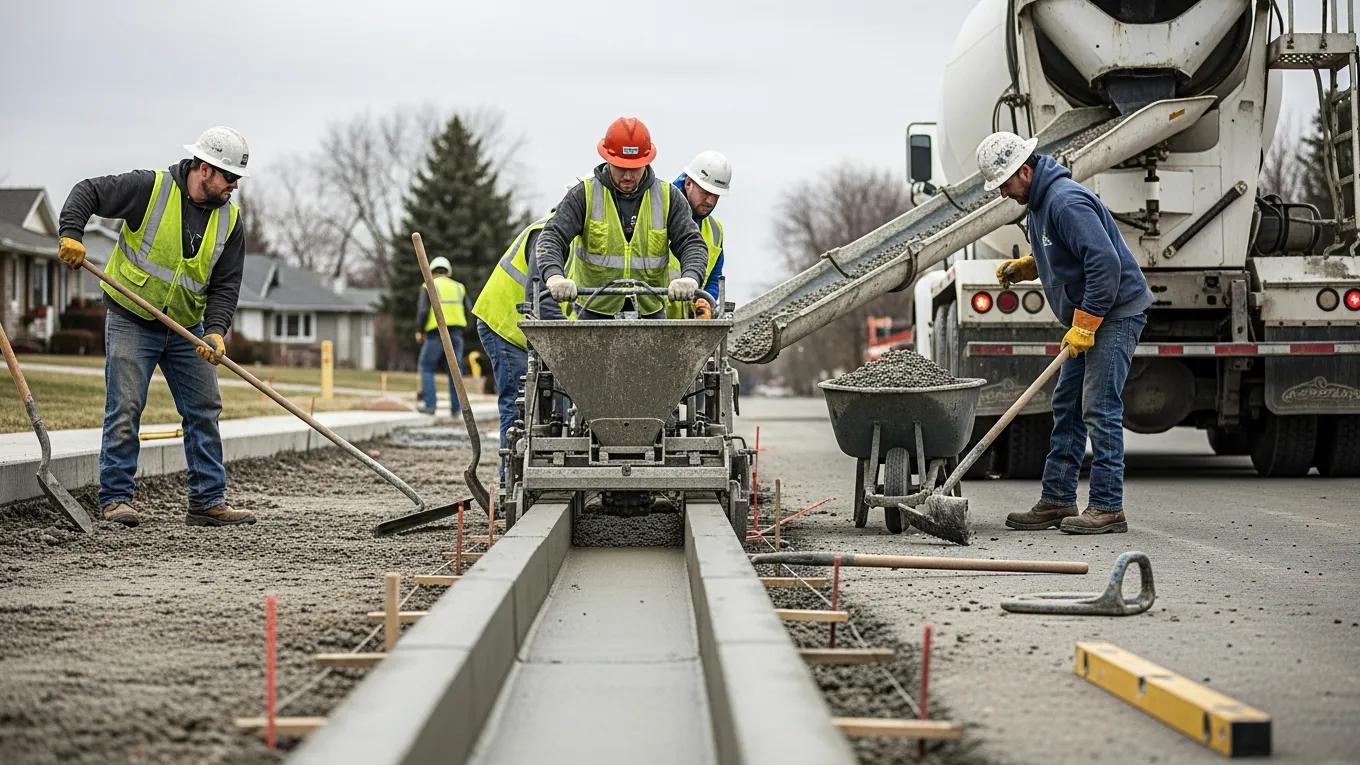
Curbs and gutters control stormwater and define roadway edges. Typical installation steps include site preparation, controlled concrete placement, and proper finishing and curing.
- Preparation of the Site: Clearing, grading, and correcting alignment for drainage.
- Concrete Pouring Techniques: Placing and shaping concrete to achieve design profiles.
- Finishing and Curing Processes: Surface finishing and curing to develop required strength.
Following these steps creates durable drainage systems that protect roadways and adjacent properties.
What Are the Standards and Benefits of Concrete Work for Municipal Infrastructure?
Municipal concrete must meet standards that ensure safety and long service life. Key benefits of quality concrete work include:
- Durability and Longevity: Proper installation extends service life and reduces repairs.
- Cost-Effectiveness Over Time: Higher upfront quality lowers long‑term maintenance costs.
- Compliance with Local Regulations: Meeting codes ensures legal and functional acceptance.
High-quality materials, testing, and workmanship together deliver long-lasting infrastructure.
Adherence to standards improves performance and reduces lifecycle costs.
Which Durability and Compliance Standards Govern Municipal Concrete Projects?
Projects follow local building codes and engineering specifications. Important considerations include proper curing, material selection, and adapting designs to local weather and soils.
- Local Regulations and Building Codes: Specify acceptable materials and methods.
- Importance of Proper Curing Techniques: Curing to achieve designed strength and durability.
- Environmental Considerations: Addressing freeze-thaw, drainage, and soil behavior.
Designs and schedules should reflect these standards to ensure long-term performance.
What Are the Advantages of Professional Concrete Services for Municipalities?
Professional contractors bring experience, quality controls, and efficient execution. Benefits include:
- Quality Assurance and Expertise: Skilled crews and tested methods.
- Long-Term Cost Savings: Reduced repairs and extended service life.
- Community Impact and Aesthetics: Neat, consistent finishes that improve public spaces.
Choosing experienced contractors helps municipalities meet budgets and performance goals.
How Does Concrete Work Support Public Works and Utility Infrastructure?
Concrete supports parks, roadways, and buried utility structures, providing durable surfaces and protective housings for infrastructure.
- Role of Concrete in Public Parks: Paths and hardscapes that withstand heavy use.
- Importance of Durable Roadways: Resilient pavements that manage traffic loads.
- Integration with Utility Systems: Vaults and pads that protect water, sewer, and electrical components.
Appropriate concrete designs extend service life of public assets.
What Role Do Storm Drains and Pavements Play in Municipal Concrete Construction?
Storm drains and pavements work together to channel runoff and protect road structures from water damage.
- Management of Surface Water Runoff: Directing flow away from structures.
- Prevention of Flooding: Systems sized and placed to minimize accumulation.
- Impact on Roadway Integrity: Proper drainage preserves pavement subgrades and surface layers.
Well‑designed drainage prolongs pavement life and reduces maintenance.
How Is Utility Vault Concrete Constructed and Maintained in Municipal Projects?
Utility vaults use reinforced concrete and controlled construction techniques to protect buried systems. Maintenance focuses on inspections and timely repairs.
- Construction Techniques for Utility Vaults: Reinforcement, formwork, and concrete mixes matched to loads.
- Maintenance Practices: Regular inspections, sealing, and repairs to prevent infiltration.
- Importance of Compliance with Standards: Following codes to ensure safety and access.
Durable vaults reduce service interruptions and protect utilities.
How Can Municipalities Choose Reliable Concrete Contractors in Milwaukee?
Selecting qualified contractors is essential. Municipalities should evaluate experience, licensing, and insurance, and review past projects.
- Criteria for Contractor Selection: Experience, proper licensing, and insurance coverage.
- Evaluation Methods: Check references and project portfolios.
- Recommendations for Local Contractors: Seek referrals from peers and public agencies.
Documented performance and local knowledge are strong selection indicators.
What Criteria Ensure Quality and Trust in Municipal Concrete Services?
Quality and trust rest on credentials, track record, and community accountability.
- Importance of Licensing and Insurance: Protects the municipality and public.
- Experience and Reputation: Demonstrated project success and references.
- Community Ties and Accountability: Local engagement supports responsiveness and oversight.
Verify qualifications and request documentation before awarding work.
How Does Local Expertise Impact Concrete Infrastructure Project Success?
Local firms often understand regional codes, weather, and soils, which improves project outcomes.
- Familiarity with Local Regulations: Faster approvals and fewer design conflicts.
- Understanding of Environmental Conditions: Designs matched to freeze‑thaw and drainage demands.
- Building Community Relationships: Easier coordination and public communication.
Local knowledge helps deliver durable, cost‑effective infrastructure.
Frequently Asked Questions
What are the environmental considerations for municipal concrete projects?
Consider local climate, soil types, and runoff impacts; use appropriate mixes and drainage to limit environmental effects and extend service life.
How do municipalities ensure ADA compliance in concrete work?
Follow ADA guidelines for slopes, widths, and tactile surfaces, and verify designs through inspections and accessibility reviews.
What maintenance practices are essential for concrete infrastructure?
Perform routine inspections, clean surfaces, seal joints, and make timely repairs to prevent small defects from becoming major failures.
What role does community feedback play in municipal concrete projects?
Community input helps align designs with local needs, improves acceptance, and identifies site-specific concerns early in planning.
How can municipalities assess the quality of concrete work?
Use visual inspections, material testing (such as compressive strength), and adherence checks to codes and contract specifications.
What innovations are emerging in municipal concrete construction?
Advances include high‑performance mixes, 3D printing for specialized components, and smart materials that monitor structural health.
How do municipalities handle emergency repairs for concrete infrastructure?
Establish a rapid response plan to assess hazards, implement temporary protections, and prioritize permanent repairs by safety and traffic impact.