
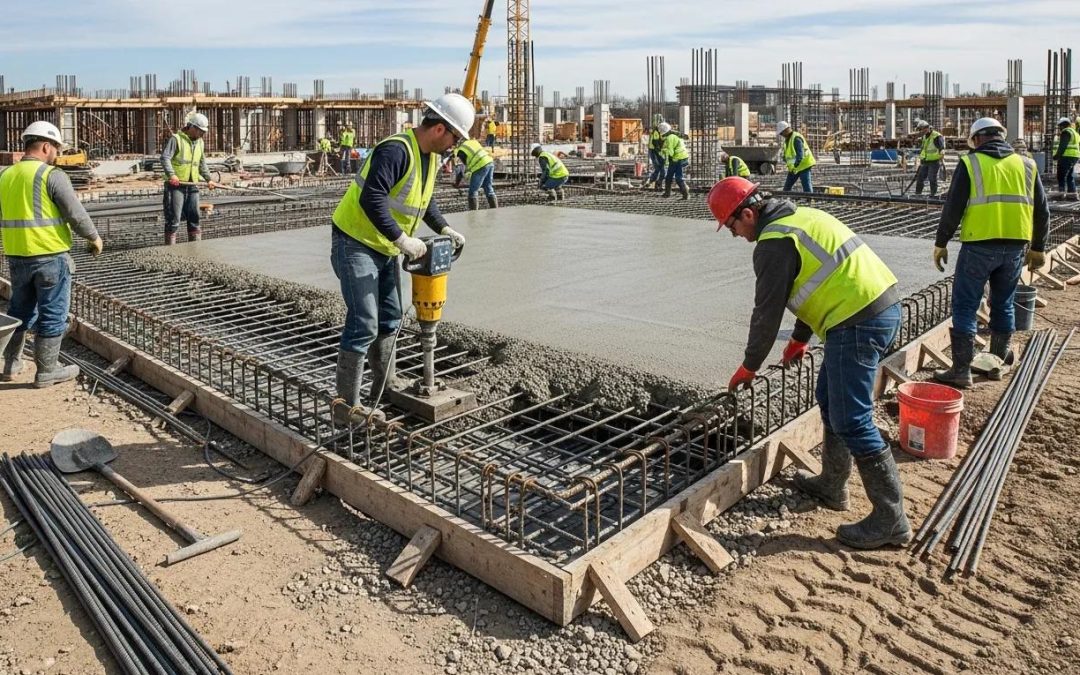
How to Reinforce Concrete for Heavy Traffic Performance
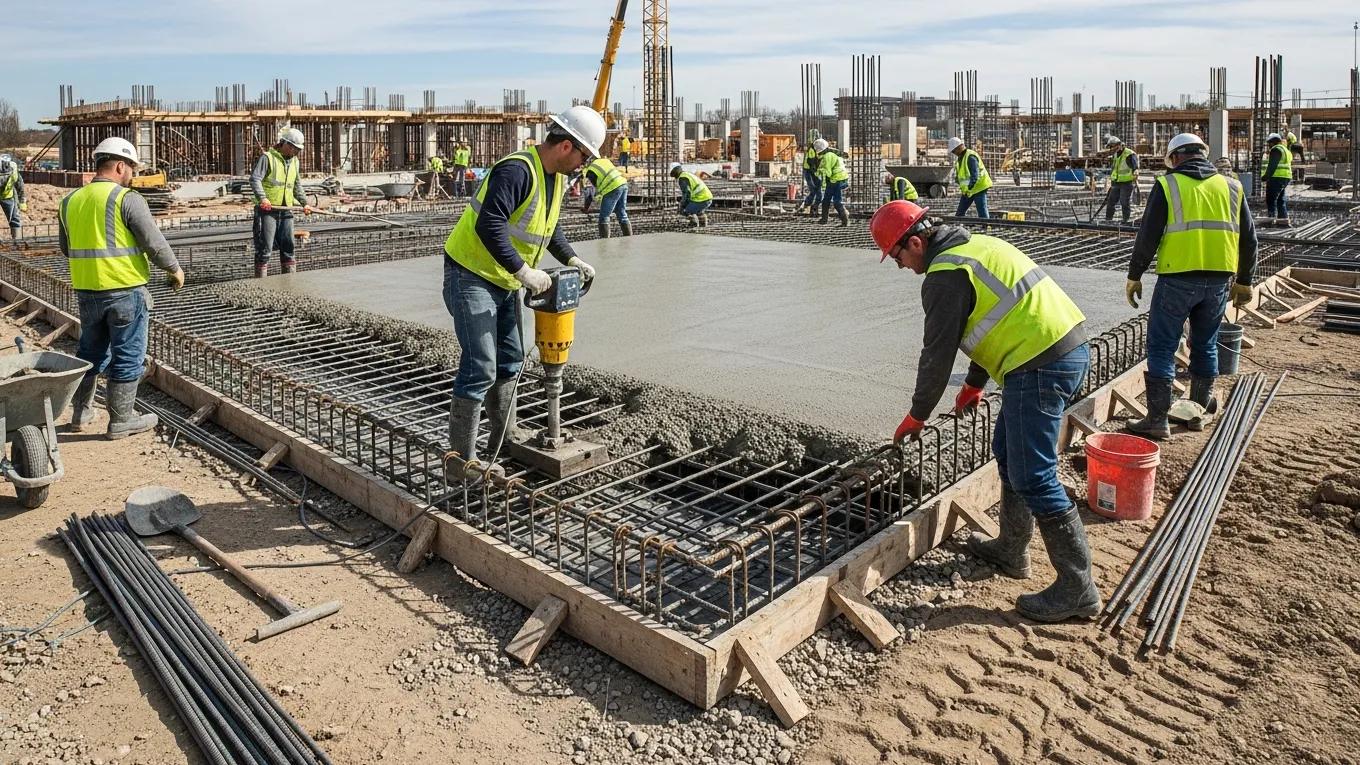
How Commercial Concrete Is Reinforced to Handle Heavy Traffic: Effective Methods for Durable and Reliable Slab Design
Commercial concrete is used in parking lots, roadways, and industrial facilities that must endure heavy traffic. Reinforcement improves strength and durability so slabs resist vehicle loads and cracking. This article summarizes reinforcement options, suitable concrete mixes, key design and curing practices, and basic maintenance to help owners and contractors make practical choices for long-lasting slabs.
Reinforcement Techniques
Reinforcement is essential where traffic loads are high. Common approaches—steel rebar, fiber reinforcement, and post-tensioning—boost load capacity and control cracking. Correct placement and construction practices are required to realize the intended performance and service life.
What Are the Primary Reinforcement Techniques for Commercial Concrete?
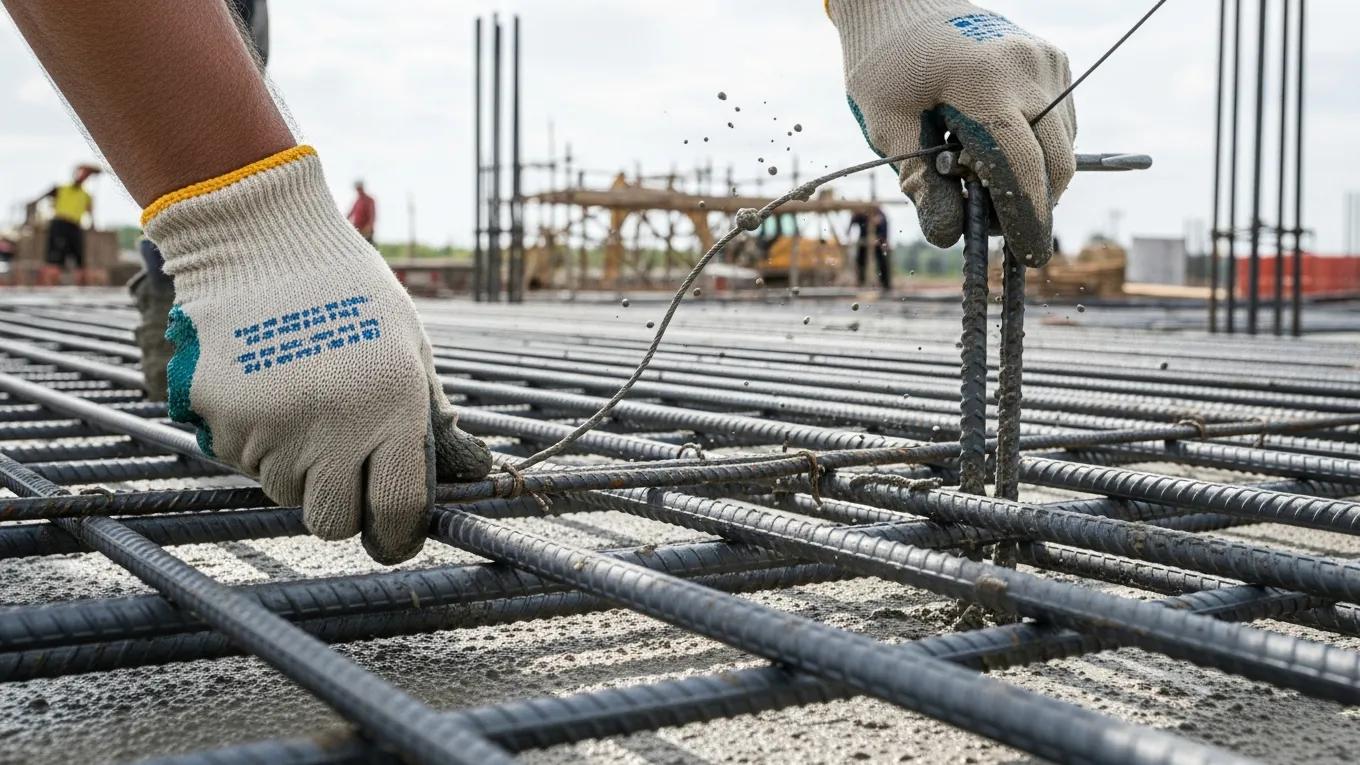
The primary reinforcement techniques for commercial concrete include:
- Steel Reinforcement: This involves embedding steel rebar within the concrete to provide tensile strength, which is critical for load-bearing applications.
- Fiber Reinforcement: Incorporating fibers, such as polypropylene or steel fibers, into the concrete mix enhances its resistance to cracking and improves overall durability.
- Post-Tensioning: This technique involves tensioning steel tendons within the concrete after it has cured, allowing for greater control over cracking and deflection.
These methods are often used together or selected based on slab thickness, expected loads, and maintenance plans to produce durable surfaces under heavy traffic.
How Does Steel Rebar Enhance Concrete Strength and Durability?
Steel rebar supplies tensile support that concrete lacks, helping distribute loads and limiting crack widths. Combined with concrete’s compressive strength, rebar creates a reliable composite able to carry heavy vehicular loads. It is widely available and economical for most commercial projects.
What Benefits Does Fiber Reinforced Concrete Provide for Heavy Traffic Areas?
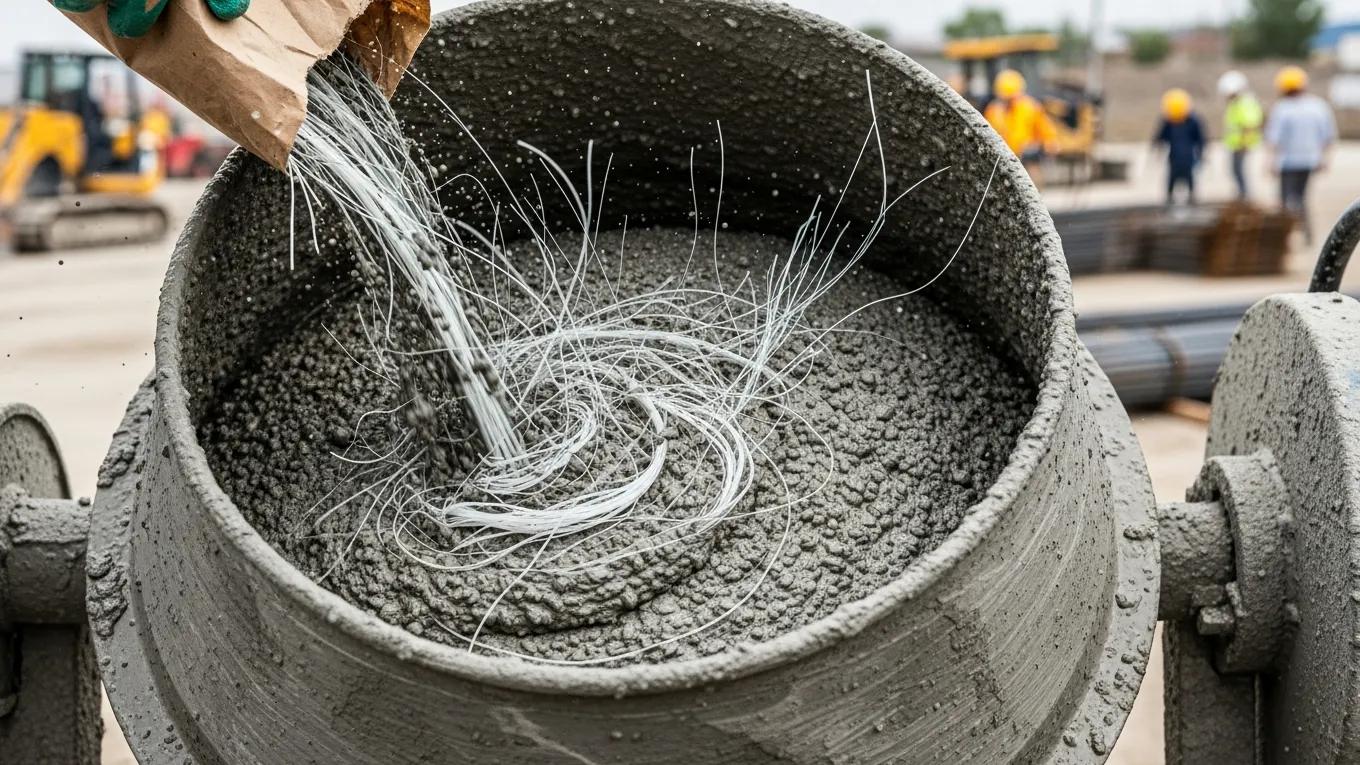
Fiber reinforced concrete offers several advantages for heavy traffic areas, including:
- Crack Resistance: The inclusion of fibers helps control cracking by distributing stress more evenly throughout the concrete.
- Increased Durability: Fiber reinforcement enhances the overall durability of the concrete, making it more resistant to wear and tear from heavy loads.
- Longevity: Structures built with fiber reinforced concrete tend to have a longer lifespan due to their improved resistance to environmental factors and mechanical stresses.
For many pavements and industrial slabs, fibers reduce early-age shrinkage cracking and supplement conventional reinforcement.
Top Reinforcement Techniques for Heavy-Traffic Concrete Slabs
Mix selection should match load, exposure, and durability needs. Higher-strength mixes, appropriate aggregate gradation, and admixtures for workability or freeze-thaw resistance are common choices for heavy-traffic slabs.
Design Considerations
Key design factors include slab thickness, joint layout, reinforcement placement, and a stable sub-base. Drainage and edge support are also important to prevent water-related weakening and edge failures.
Curing Practices
Proper curing—maintaining moisture and appropriate temperature—allows concrete to develop intended strength and reduces surface cracking. Follow manufacturer and code guidance for curing duration appropriate to the mix and site conditions.
Maintenance Strategies
Routine maintenance extends slab life. Effective strategies include regular inspection, timely repairs, and protective sealers.
- Regular Inspections: Conducting routine checks for cracks, spalling, and other signs of wear can help identify issues early.
- Prompt Repairs: Addressing any damage immediately prevents further deterioration and maintains structural integrity.
- Sealing and Cleaning: Applying sealants and keeping the surface clean can protect against moisture infiltration and chemical damage.
Professional maintenance services can help prioritize repairs and preservation measures. Morici Bros Concrete LLC provides commercial concrete services and free estimates to assess reinforcement and maintenance needs.
Expert Installation
Professional installation ensures quality control, compliance with codes, and correct placement of reinforcement and joints. Skilled contractors reduce the likelihood of construction defects and improve long-term slab performance. Contact professionals such as Morici Bros Concrete LLC for reliable commercial work.
This table highlights common reinforcement options and their typical uses for commercial concrete.
In summary, selecting appropriate reinforcement, mixes, and construction practices—plus consistent maintenance—helps ensure commercial concrete slabs perform reliably under heavy traffic.
Frequently Asked Questions
What factors influence the choice of concrete mix for heavy traffic areas?
Choose a mix based on expected load, exposure conditions (freeze-thaw, chemicals), and durability needs. Higher compressive strength, proper aggregates, and admixtures for workability or durability are typical decisions made with a concrete specialist.
How does proper curing affect the performance of commercial concrete?
Curing preserves moisture and temperature so hydration proceeds fully. Adequate curing reduces surface cracking and improves strength and durability; follow supplier and code guidance on duration for the specific mix and site conditions.
What maintenance practices are recommended for reinforced concrete slabs?
Inspect regularly, repair cracks and spalling promptly, and apply sealers where appropriate. Cleaning and targeted repairs prevent small issues from becoming structural problems and extend service life.
What role does joint placement play in concrete slab design?
Joints control where concrete can crack and accommodate movements from temperature and loads. Properly placed contraction, expansion, and construction joints reduce uncontrolled cracking and protect slab integrity.
How can environmental factors affect the durability of commercial concrete?
Temperature swings, moisture, freeze-thaw cycles, and chemical exposure (de-icing salts, industrial chemicals) can accelerate deterioration. Design for local exposures and use protective treatments and maintenance to mitigate risks.
What is the importance of professional installation for reinforced concrete?
Professional contractors ensure correct material selection, reinforcement placement, jointing, and curing. Good workmanship reduces construction defects and delivers the durable performance needed for heavy-traffic applications.