
Eco-Friendly Permeable Concrete Driveway Solutions
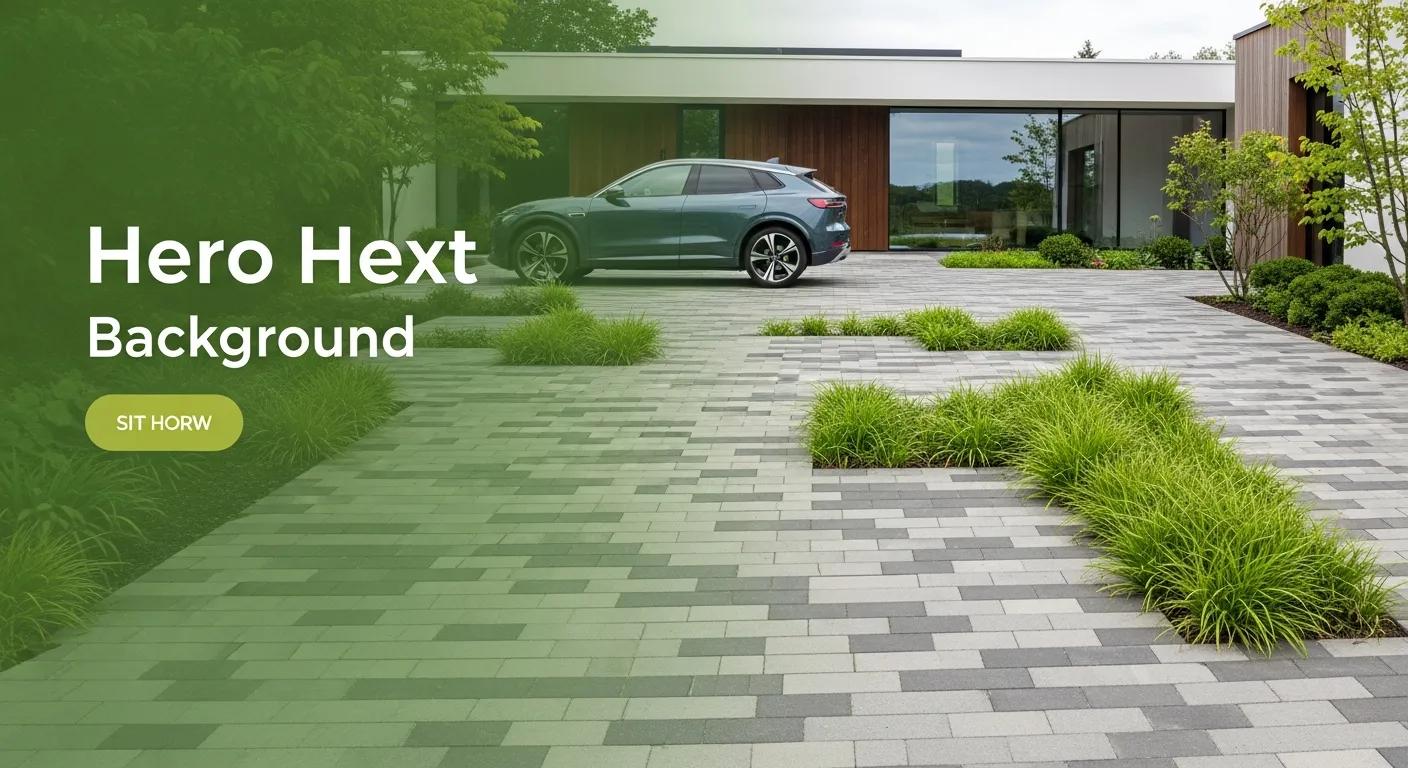
Eco-Friendly Driveway Innovations
Permeable concrete driveways are increasingly chosen for sustainable curb appeal and effective stormwater management. This article outlines key benefits, installation basics, regulatory fit, and cost and maintenance considerations, with brief project highlights and customer feedback.
What Are the Key Benefits of Permeable Concrete Driveways?
Permeable concrete combines stormwater control, environmental gains, and adaptable aesthetics.
- Improved Stormwater Management: Allows infiltration to reduce runoff and lower flood risk.
- Environmental Sustainability: Supports groundwater recharge and can use recycled content to cut lifecycle impacts.
- Aesthetic Appeal: Available in various colors and textures to suit home styles.
Morici Bros Concrete installs durable permeable driveways intended to manage stormwater reliably.
How Does Porous Concrete Improve Stormwater Runoff Control?
Porous concrete routes precipitation into a prepared base where runoff volume falls and pollutants are filtered before recharge, improving local water quality versus impervious pavements.
Multiple studies support permeable pavements as an effective runoff-reduction approach in appropriate settings.
Permeable Pavement for Stormwater Management
This paper presents a review of the use permeable pavement for different purposes. The paper focuses on drainage systems and stormwater runoff.
Permeable pavement and stormwater management systems: a review, HM Imran, 2013
What Environmental Advantages Do Sustainable Concrete Solutions Offer?
Sustainable mixes, including permeable options, can lower lifecycle impacts through material selection, reduced drainage infrastructure, and longer service life. Recycled aggregate and optimized mixes further cut resource use and emissions.
How Is Permeable Driveway Installation Performed?
Installation follows a staged process to secure permeability and structural strength.
- Site Preparation: Excavate and form a stable, well-graded base for infiltration.
- Material Selection: Select a pervious concrete or porous aggregate mix matched to expected traffic and climate.
- Installation Techniques: Place and finish to preserve porosity while meeting load needs.
What Materials and Techniques Are Used in Eco-Friendly Driveway Construction?
Typical materials are pervious concrete, porous asphalt, and layered aggregate bases; proper layer design supports traffic and promotes drainage.
How Long Does Installation Take and What Is the Warranty?
Most standard driveways install in two to four days depending on size and site conditions. Morici Bros Concrete provides workmanship and materials warranties; terms vary by project.
How Does Stormwater Management Benefit from Permeable Concrete?
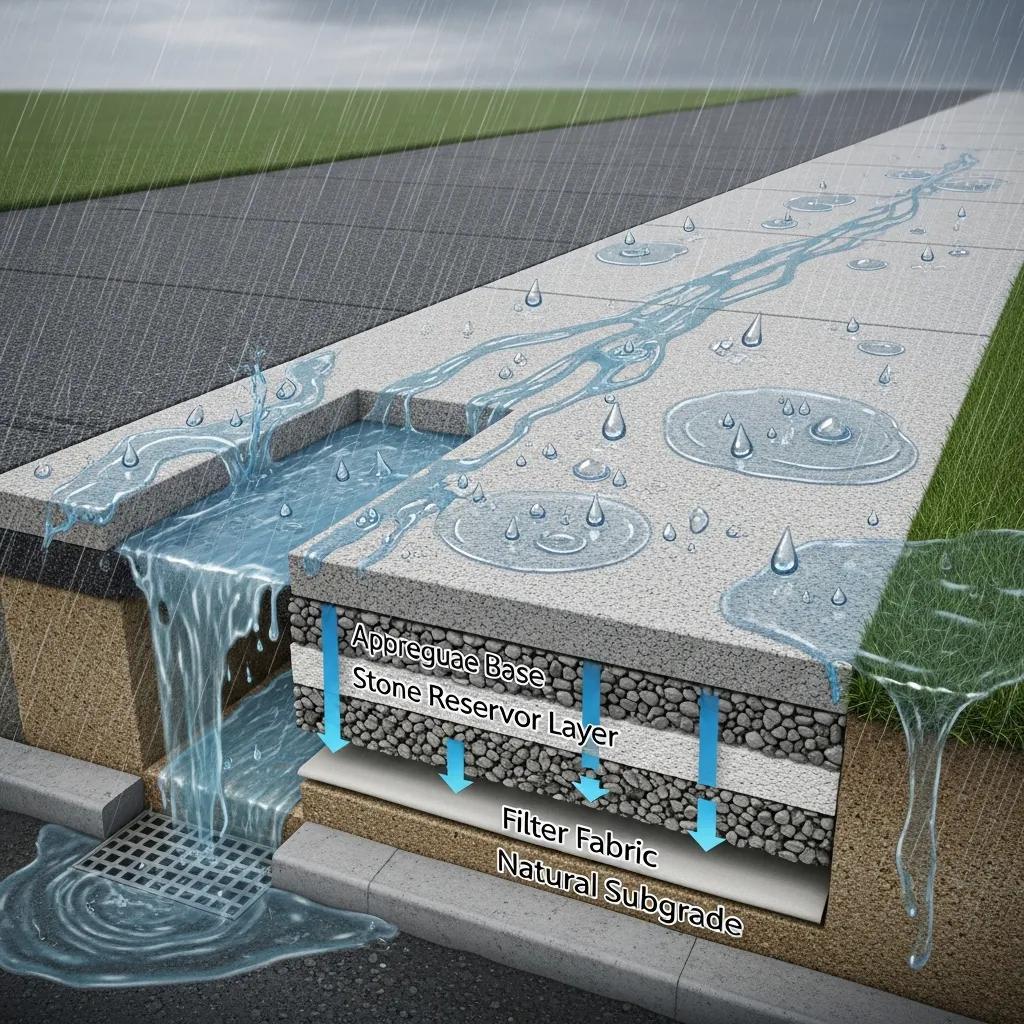
Permeable concrete reduces runoff, eases demand on storm systems, and aids groundwater recharge for homeowners and municipalities.
- Role in Urban Planning: Integrates with designs to lower surface flow without sacrificing appearance.
- Impact on Local Ecosystems: Recharging groundwater supports nearby habitats and biodiversity.
- Regulatory Compliance: Often helps meet local stormwater rules and can qualify for incentives.
What Role Does Permeable Concrete Play in Reducing Runoff and Flooding?
By passing water into the subsurface, permeable pavements cut the runoff volume reaching drains, reduce flood peaks, and improve downstream water quality. Case studies show measurable local flood reductions where these systems are applied.
Ongoing research refines design for different climates and load conditions.
Permeable Pavement Design, Performance & Stormwater Benefits
This paper reviews the current status of permeable pavement research and limitations of its applicability. This discusses the influence of design factors such as permeable pavement type, mix design of porous concrete/asphalt, aggregate materials, particle size and distribution, sub-base depth, and layer setting on hydraulic, structural, and environmental performances of the pavement. Findings of this review demonstrate that the uptake of permeable pavement systems as a stormwater best management practice is relatively limited and slow due to lack of in-depth scientific understanding and economic uncertainties.
Permeable pavement as a stormwater best management practice: a review and discussion, U Kuruppu, 2019
How Does This Align with Local Environmental Regulations?
Many jurisdictions encourage or require permeable surfaces to control stormwater. Installing a permeable driveway can help homeowners meet regulations and may make them eligible for rebates or incentives.
Permeable Driveway Cost & Maintenance Considerations
Consider upfront costs alongside lifecycle savings when evaluating permeable driveways.
- Cost Comparison with Traditional Driveway Materials: Initial costs tend to be higher than standard asphalt or concrete but may be offset by reduced drainage infrastructure and upkeep.
- Maintenance Requirements: Periodic cleaning and inspection prevent clogging and protect infiltration.
- Long-Term Savings: Lower flood risk and reduced maintenance can yield lifecycle benefits.
How Does the Cost Compare to Traditional Driveway Materials?
Permeable concrete typically costs more upfront (illustratively $12–$18/sq ft) than standard finishes, though lifecycle benefits and lower stormwater infrastructure needs can improve value for many projects.
Life-cycle cost studies help compare options for specific sites.
Life-Cycle Cost Comparison of Permeable Pavements
to analyze and compare the life-cycle costs of analysis period, portland cement concrete is the most economical followed by porous asphalt, hot-mix asphalt, and then pervious concrete.
Life-cycle cost analysis for traditional and permeable pavements, 2018
What Maintenance Is Required to Preserve Porous Concrete Benefits?
Routine care keeps permeable surfaces functioning:
- Regular Cleaning: Remove debris and sediment to keep flow paths open.
- Inspection: Monitor for clogging, settlement, or damage and repair early.
- Weed Control: Prevent vegetation from blocking pores.
Consistent attention preserves infiltration performance and extends service life.
What Do Case Studies and Customer Testimonials Reveal About Permeable Concrete Driveways?

Projects and customer feedback commonly report reduced standing water, improved water quality, good durability, and pleasing appearance.
- Recent Projects Demonstrating Sustainable Concrete Success: Installations have reduced local flooding and performed well in residential settings.
- Customer Feedback on Eco-Friendly Driveway Solutions: Homeowners cite improved aesthetics, lower maintenance, and environmental benefits.
Which Recent Projects Demonstrate Sustainable Concrete Success?
Selected residential and community installations used permeable driveways to reduce runoff and improve nearby water quality, showing practical benefits in urban and suburban contexts.
What Feedback Do Customers Provide on Eco-Friendly Driveway Solutions?
Customers note attractive finishes, reduced maintenance, and fewer drainage problems after installation.
This table summarizes typical cost and maintenance differences between traditional driveways and permeable concrete.
In summary, permeable concrete driveways provide effective stormwater control, environmental advantages, and appealing aesthetics when properly installed and maintained.
Frequently Asked Questions
How do permeable driveways contribute to local wildlife and ecosystems?
They help recharge groundwater, maintain the natural water cycle, supply moisture to plants, and reduce pollutant-laden runoff entering waterways, supporting aquatic life and biodiversity.
What are the potential drawbacks of installing a permeable driveway?
Drawbacks include higher initial cost and the need for regular maintenance; poor site conditions (like heavy clay) or improper installation can reduce effectiveness.
Can permeable driveways be installed in existing driveways?
Yes. Retrofits usually require removing the existing surface, evaluating the base for drainage, and installing suitable permeable materials; professional assessment is recommended.
What maintenance practices are essential for ensuring the longevity of permeable driveways?
Keep surfaces clear of debris, perform periodic inspections, manage vegetation, and address any damage promptly to maintain infiltration and extend service life.
Are there any incentives for installing permeable driveways?
Some local governments and agencies offer incentives such as rebates or reduced fees; homeowners should check local programs and eligibility.
How do permeable driveways perform in winter conditions?
They can perform well with appropriate freeze-thaw–resistant materials and proper drainage; regular snow removal and careful de-icing practices help preserve permeability.