
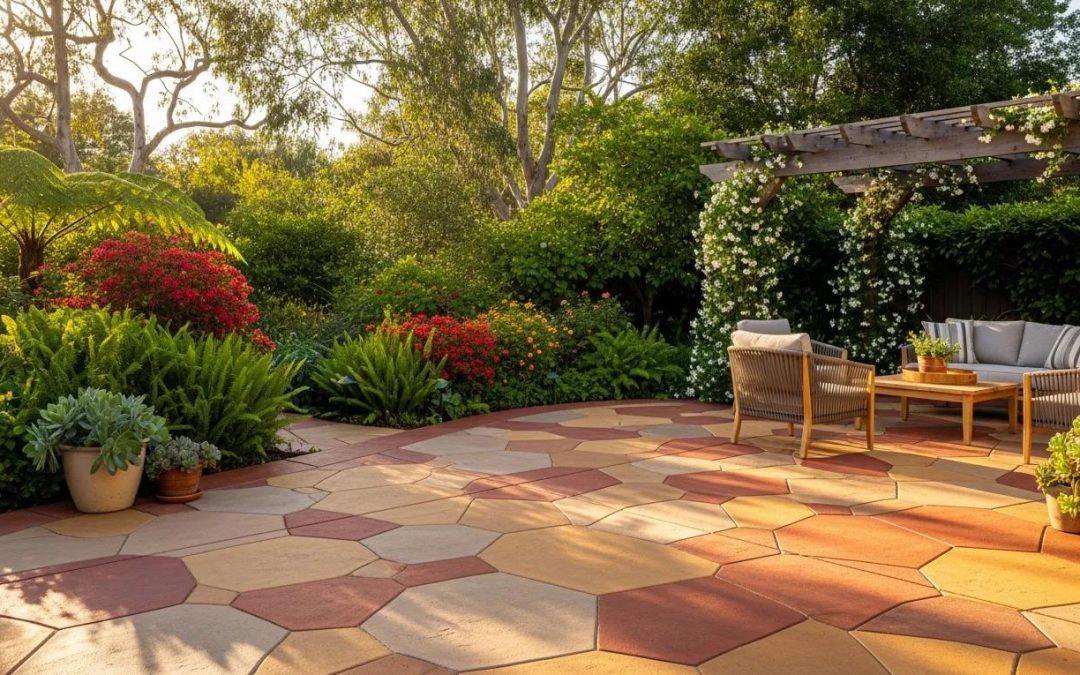
The Complete Guide to Colored Concrete for Residential Properties
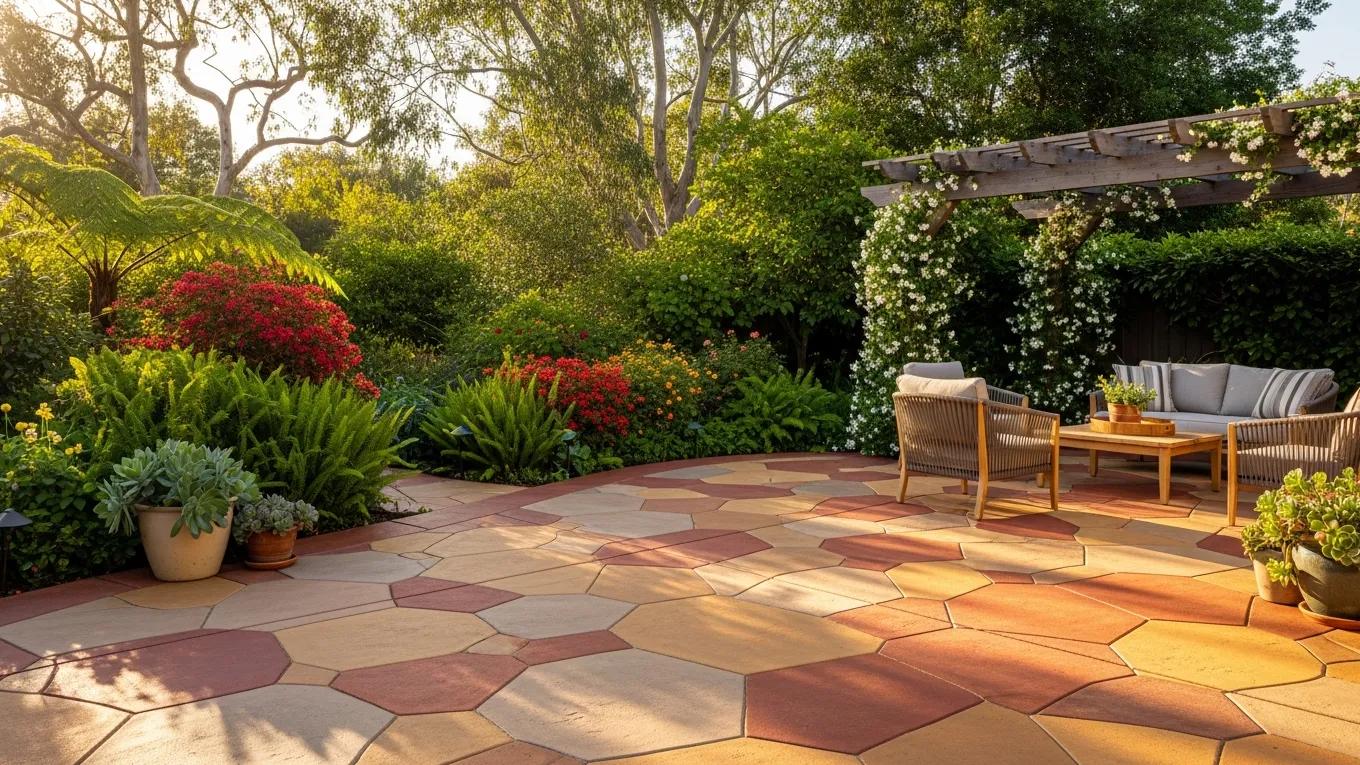
Colored Concrete Guide: Expert Techniques and Durable Solutions
By Steve Morici, Morici Bros Concrete LLC | Milwaukee’s Top
Colored concrete is a versatile option for homeowners who want durable, attractive surfaces. This guide summarizes the main types of colored concrete, their benefits, practical application techniques, and straightforward maintenance. It also outlines cost considerations and typical local pricing in Milwaukee to help you plan a residential project with realistic expectations.
What Are the Key Types of Colored Concrete for Residential Use?
Colored concrete is available in several forms, each suited to different uses and aesthetics. The primary types include:
- Pigmented Concrete: Pigments are added to the concrete mix so the color is integral and consistent throughout; ideal for driveways, patios, and walkways.
- Dyes: Dyes penetrate cured concrete for translucent, variegated effects that let texture show through; commonly used for decorative interior and exterior surfaces.
- Stains: Chemical stains react with concrete to produce long-lasting color variations, from subtle earth tones to richer hues, suitable for many settings.
Choosing between these depends on the desired look, durability needs, and whether you want a uniform or variegated finish.
What Are the General Benefits of Colored Concrete?
Colored concrete delivers several homeowner-friendly benefits:
- Aesthetic Appeal: It enhances outdoor and interior spaces with custom colors and patterns.
- Durability: Properly installed colored concrete resists wear, weather, and heavy use.
- Low Maintenance: Routine cleaning and periodic sealing keep colors vibrant with minimal effort.
For installation and decorative options, Morici Bros Concrete LLC provides residential and light commercial services.
What Are the Best Application Techniques for Colored Concrete?
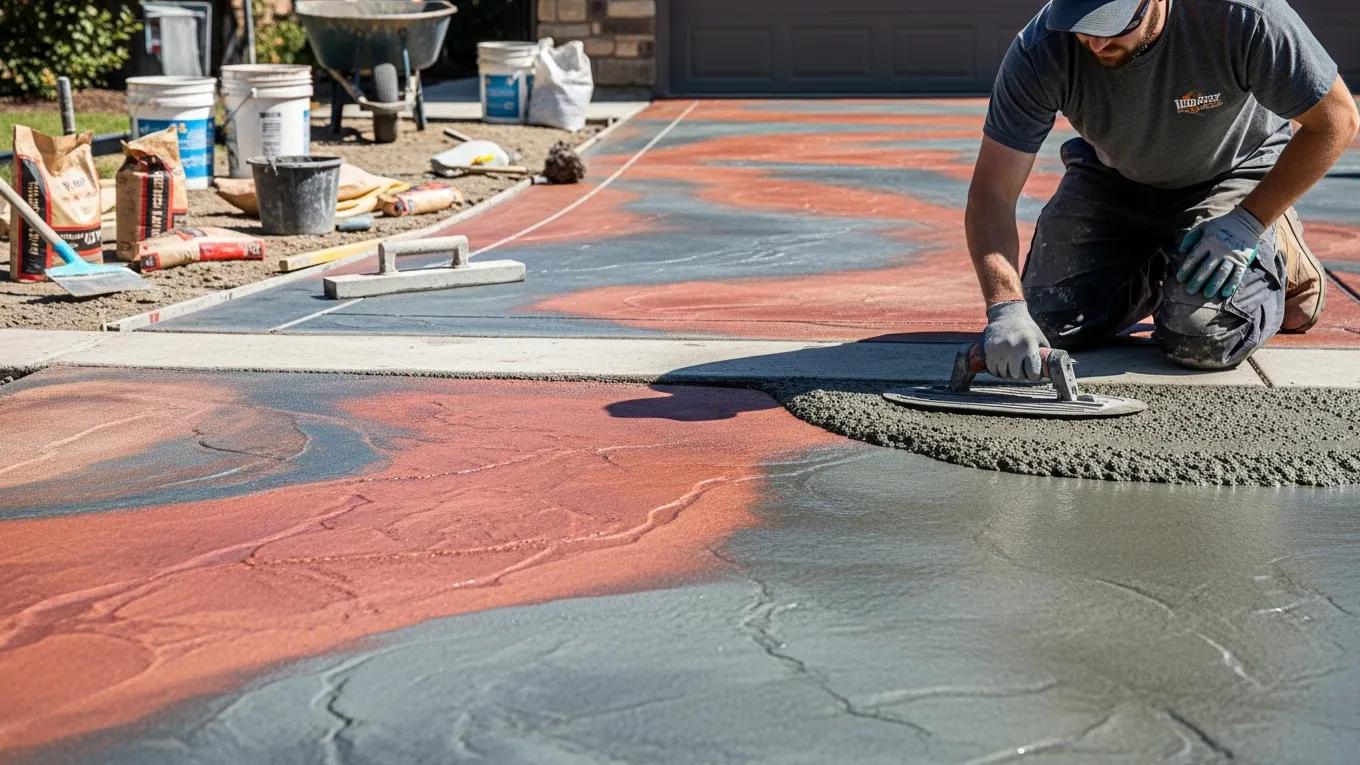
Good results depend on three core steps:
- Surface Preparation: Clean, level, and repair substrates to ensure adhesion and uniform color.
- Mixing Techniques: Blend pigments thoroughly into batches to avoid color inconsistencies.
- Sealing Methods: Apply an appropriate sealer after curing to protect color and surface performance.
Following these methods helps ensure color consistency and long-term performance.
How Can Homeowners Maintain and Protect Colored Concrete Surfaces?
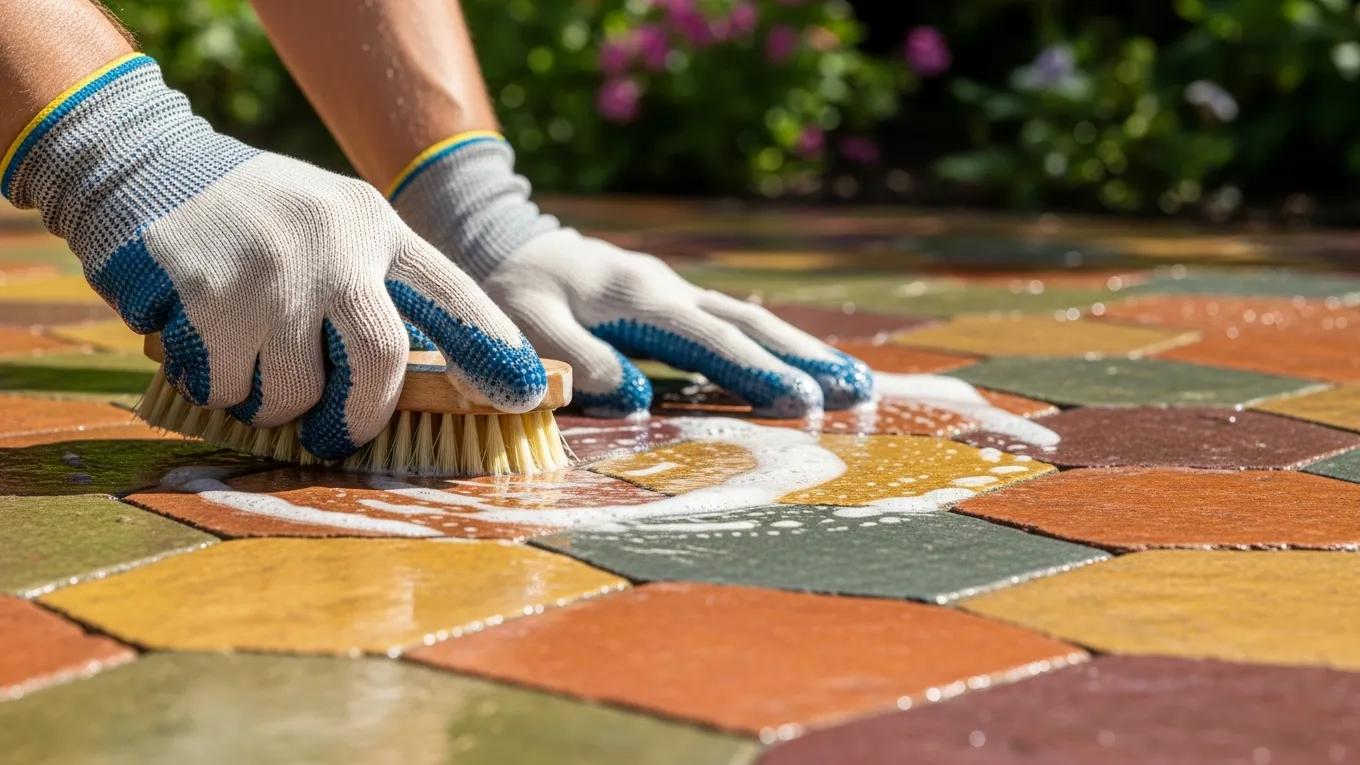
Basic maintenance keeps colored concrete looking its best:
- Regular Cleaning: Wash with mild detergent and water; avoid strong solvents that may dull color.
- Sealing Options: Reapply sealers every few years or as recommended for your sealer and climate.
- Preventative Measures: Use mats where needed and avoid de-icing salts that can damage the surface.
Consistent care reduces fading and surface wear over time.
What Are the Recommended Sealing Methods for Color Preservation?
Common sealers for colored concrete:
- Acrylic Sealers: Easy to apply, enhance color, and give a glossy look for interior or exterior use.
- Epoxy Sealers: Durable, protective coatings suited to high-traffic areas; may require professional application.
- Polyurethane Sealers: Offer strong UV and chemical resistance for outdoor, sun-exposed surfaces.
Select a sealer based on UV exposure, traffic, and the desired sheen to maximize color life.
How Should Colored Concrete Be Cleaned and Maintained Over Time?
Maintain color and integrity with these routine steps:
- Regular Inspections: Watch for fading, cracks, or chips and repair early.
- Cleaning Frequency: Clean at least twice yearly, more often in high-traffic or dirty areas.
- Repairing Damage: Patch cracks promptly with compatible materials and reseal as needed.
Timely upkeep prevents small issues from becoming costly repairs.
What Are the Cost Factors and Budget Considerations for Colored Concrete?
Key cost drivers include:
- Material Prices: Pigments, dyes, and sealers vary in cost and longevity.
- Labor Costs: Professional installation affects quality and final price—get multiple quotes.
- Maintenance Expenses: Factor in periodic sealing and potential repairs when budgeting.
Balancing initial cost with expected lifespan helps set realistic budgets.
How Do Pigment Types and Application Methods Affect Pricing?
Factors that influence price:
- Pigment Quality: Higher-grade pigments hold color longer and may cost more upfront.
- Application Complexity: Techniques like staining, overlays, or multi-step finishes increase labor and time.
- Customization: Custom colors or patterns require extra materials and skilled labor, raising costs.
Consider long-term value when choosing materials and methods.
What Are Typical Local Costs for Residential Colored Concrete in Milwaukee?
Milwaukee pricing varies by project scope and materials. Typical ranges include:
- Pigmented Concrete: Approximately $6 to $10 per square foot, depending on complexity.
- Dyes and Stains: Roughly $3 to $8 per square foot; intricate designs cost more.
- Sealing: About $1 to $2 per square foot, depending on sealer type.
These estimates are a starting point; visit their service areas page for local details and quotes.
Frequently Asked Questions
What factors should I consider when choosing colored concrete for my home?
Consider pigment or dye type, the surface use (driveway, patio, interior), local climate, desired aesthetic, and maintenance needs to match color performance with expectations and budget.
Can I apply colored concrete myself, or should I hire a professional?
DIY is possible for small, simple projects, but professionals ensure proper preparation, mixing, and finishing for consistent, long-lasting results.
How does weather affect the application of colored concrete?
Avoid extreme temperatures and rain during pouring and curing. Ideal conditions help ensure uniform curing and consistent color.
What are the environmental impacts of using colored concrete?
Colored concrete can reduce the need for paints and coatings, but concrete production has a carbon footprint; choose eco-friendlier pigments and practices when possible.
Are there any specific safety precautions to take when working with colored concrete?
Wear gloves, eye protection, and a mask to avoid dust and chemical exposure; follow manufacturer instructions and ensure good ventilation for indoor work.
How can I enhance the color of my existing concrete surfaces?
Use stains or dyes after cleaning and testing a small area; follow with an appropriate sealer to maintain the renewed color.
What maintenance practices can extend the life of colored concrete?
Regular cleaning, periodic sealing, prompt repairs for cracks or chips, and protective measures in high-traffic areas will prolong appearance and performance.