
Affordable Concrete Driveway Repair for Lasting Results
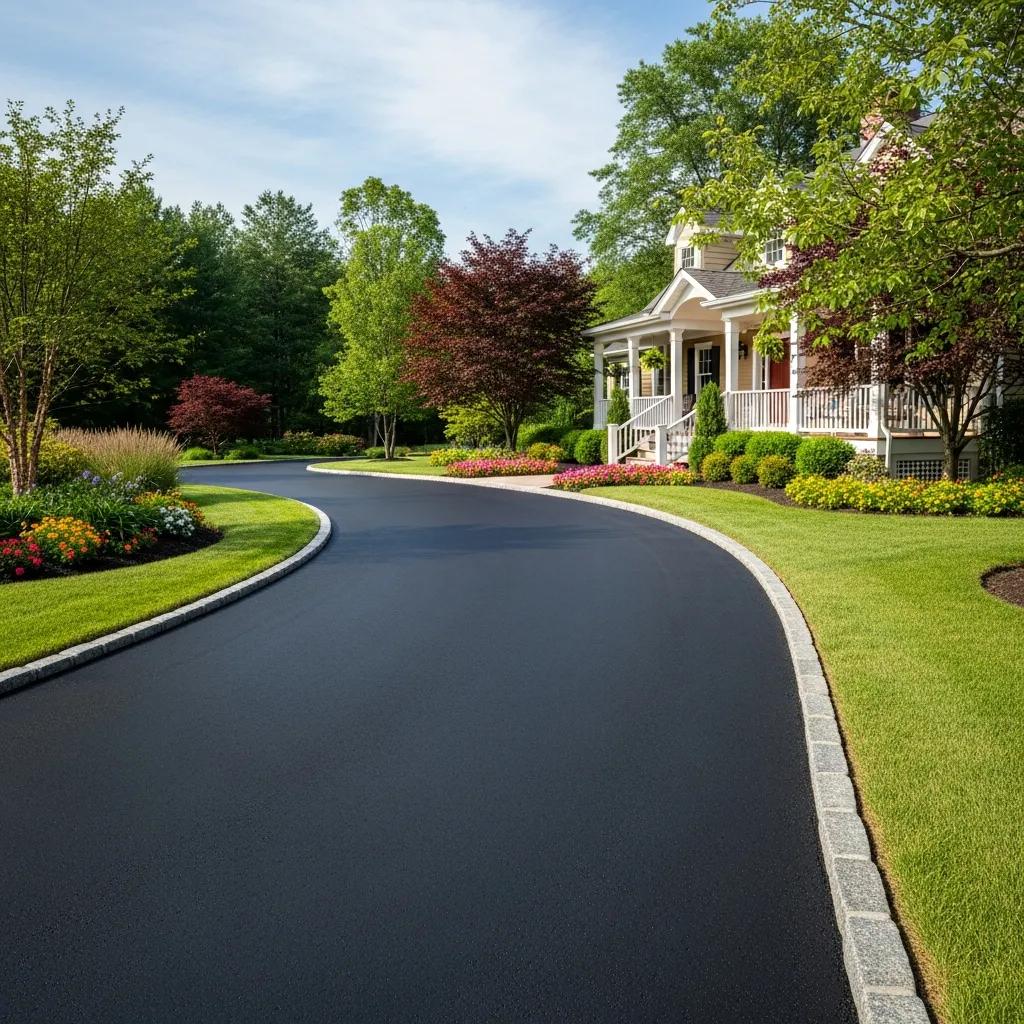
Well-maintained asphalt driveway enhancing home curb appeal, surrounded by lush landscaping and vibrant flowers, leading to a charming residential property.

Driveway Repair: Complete Guide to Asphalt, Concrete & Sealing

Driveway repair is an essential aspect of home maintenance that ensures the longevity and functionality of your property. Homeowners often face challenges with various types of driveways, including asphalt and concrete, each requiring specific repair techniques. This comprehensive guide will delve into the common types of driveway materials, their repair needs, and effective methods for addressing issues like cracks and surface damage. By understanding these aspects, you can make informed decisions about maintaining your driveway and enhancing your property’s curb appeal. We will explore topics such as driveway resurfacing, sealing services, and whether to opt for DIY repairs or hire professionals.

What Are the Common Types of Driveway Materials and Their Repair Needs?

Driveways are typically constructed from a variety of materials, each with unique characteristics and repair requirements. The most common types include asphalt, concrete, and gravel. Asphalt driveways are known for their flexibility and ease of installation, while concrete driveways offer durability and a longer lifespan. Gravel driveways, although less common, provide a cost-effective solution but require regular maintenance to prevent erosion and displacement.

How Do Asphalt and Concrete Driveways Differ in Repair Requirements?
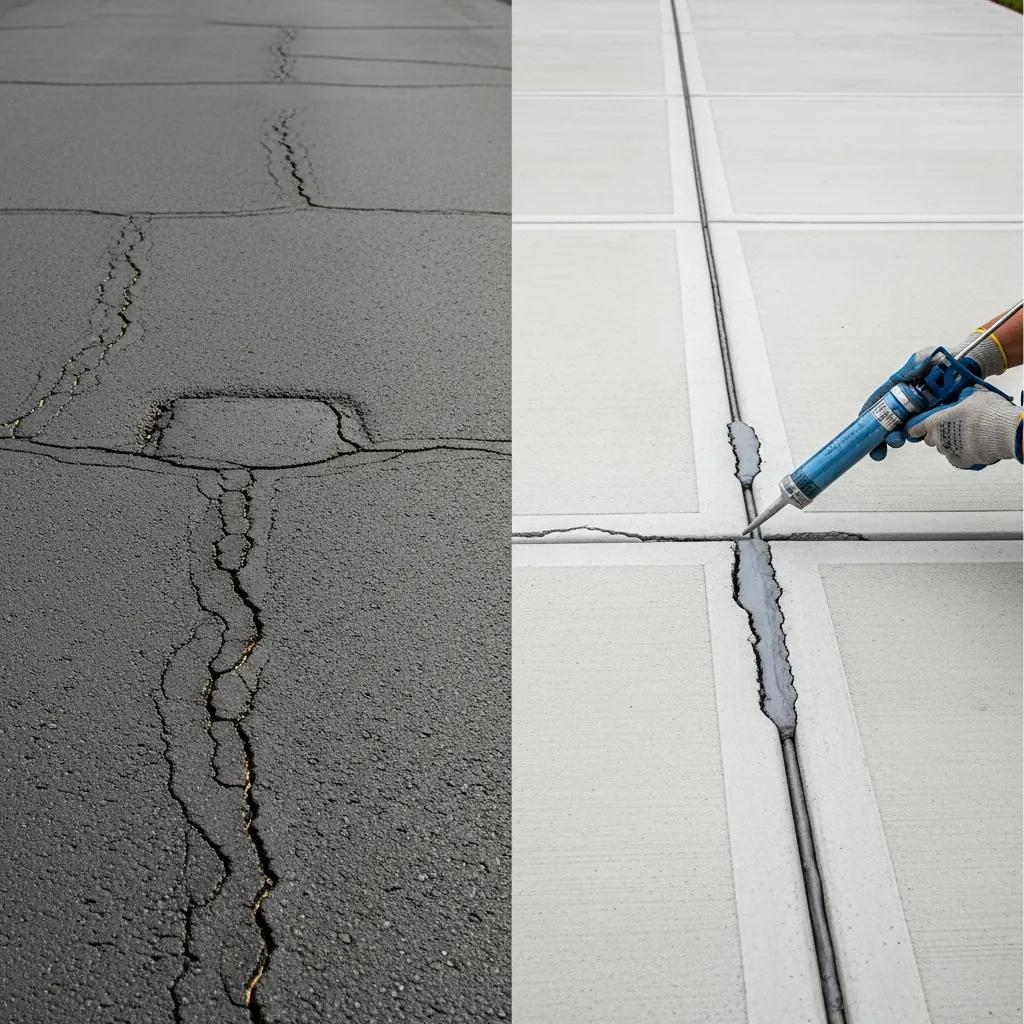
Comparison of cracked asphalt driveway on the left and a worker repairing a concrete driveway with sealant on the right, illustrating different repair techniques for driveway maintenance.

Asphalt and concrete driveways differ significantly in their repair needs due to their material properties. Asphalt is more flexible, which allows it to expand and contract with temperature changes, making it less prone to cracking compared to concrete. However, asphalt can develop surface ruts and wear over time, necessitating regular sealing and patching. In contrast, concrete driveways are more rigid and can suffer from cracking due to settling or freeze-thaw cycles. Repairing concrete often involves filling cracks with specialized compounds and may require resurfacing or replacement for extensive damage.

What Are Typical Issues Like Cracks and Surface Damage in Driveways?

Common issues faced by driveways include cracks, surface damage, and potholes. Cracks can develop due to various factors, including weather conditions, heavy vehicle traffic, and improper installation. Surface damage may manifest as fading, discoloration, or the formation of potholes, which can pose safety hazards. Addressing these issues promptly is crucial to prevent further deterioration and costly repairs down the line.

How to Effectively Repair Driveway Cracks Using Crack Fillers and Patching Techniques?

Repairing driveway cracks is a straightforward process that can significantly extend the life of your driveway. Utilizing crack fillers and patching techniques can restore the surface and prevent water infiltration, which can lead to more severe damage.

What Are the Best Driveway Crack Filler Products and Application Methods?

Several effective crack filler products are available on the market, including asphalt crack fillers and concrete repair compounds. For asphalt driveways, products like liquid crack filler are ideal for small cracks, while larger cracks may require a more robust patching compound. When applying these products, ensure the surface is clean and dry, and follow the manufacturer’s instructions for optimal results.

Which Driveway Patching Techniques Ensure Long-Lasting Repairs?

Long-lasting repairs often involve a combination of techniques. For asphalt driveways, hot asphalt patching is recommended for larger areas of damage, while cold patching can be used for smaller repairs. Concrete driveways may benefit from epoxy-based patching compounds that bond well with existing surfaces. Regardless of the method, proper surface preparation and application are key to achieving durable results.

The importance of using high-quality, durable materials for these repairs is further highlighted by research into pavement maintenance.

High-Performance Pavement Repair Materials

The Ohio Department of Transportation has identified the need to specify durable, more permanent high performing pavement and bridge deck patching materials. These materials need to allow for expedited pavement and bridge deck wearing surface repair for worker and user safety. Currently, either temporary or generally specified in-kind or like materials are being used to perform pavement patching. Usually, the Department provides generically specified cementitious or cold mix asphalt materials for patching wearing surfaces with varied performance characteristics.

Selection of high performance repair materials for pavements and bridge decks, 2014

What Does Driveway Resurfacing Involve and How Much Does It Cost?

Driveway resurfacing is a process that involves applying a new layer of material over the existing surface to restore its appearance and functionality. This method is particularly beneficial for driveways with extensive wear and tear.

How Is Driveway Resurfacing Performed on Asphalt and Concrete Surfaces?

Resurfacing asphalt driveways typically involves cleaning the surface, filling any cracks, and applying a new layer of asphalt or an asphalt overlay. For concrete driveways, the process may include cleaning, repairing cracks, and applying a concrete overlay or microtopping. Both methods require careful preparation to ensure proper adhesion and longevity of the new surface.

What Are the Current Cost Estimates and Factors Affecting Driveway Resurfacing?

The cost of driveway resurfacing can vary widely based on several factors, including the size of the driveway, the type of material used, and local labor rates. On average, homeowners can expect to pay between $1.50 to $3.00 per square foot for asphalt resurfacing and $3.00 to $6.00 per square foot for concrete resurfacing. Additional costs may arise from necessary repairs or preparation work.

Why Are Driveway Sealing Services Important and How Are They Done?
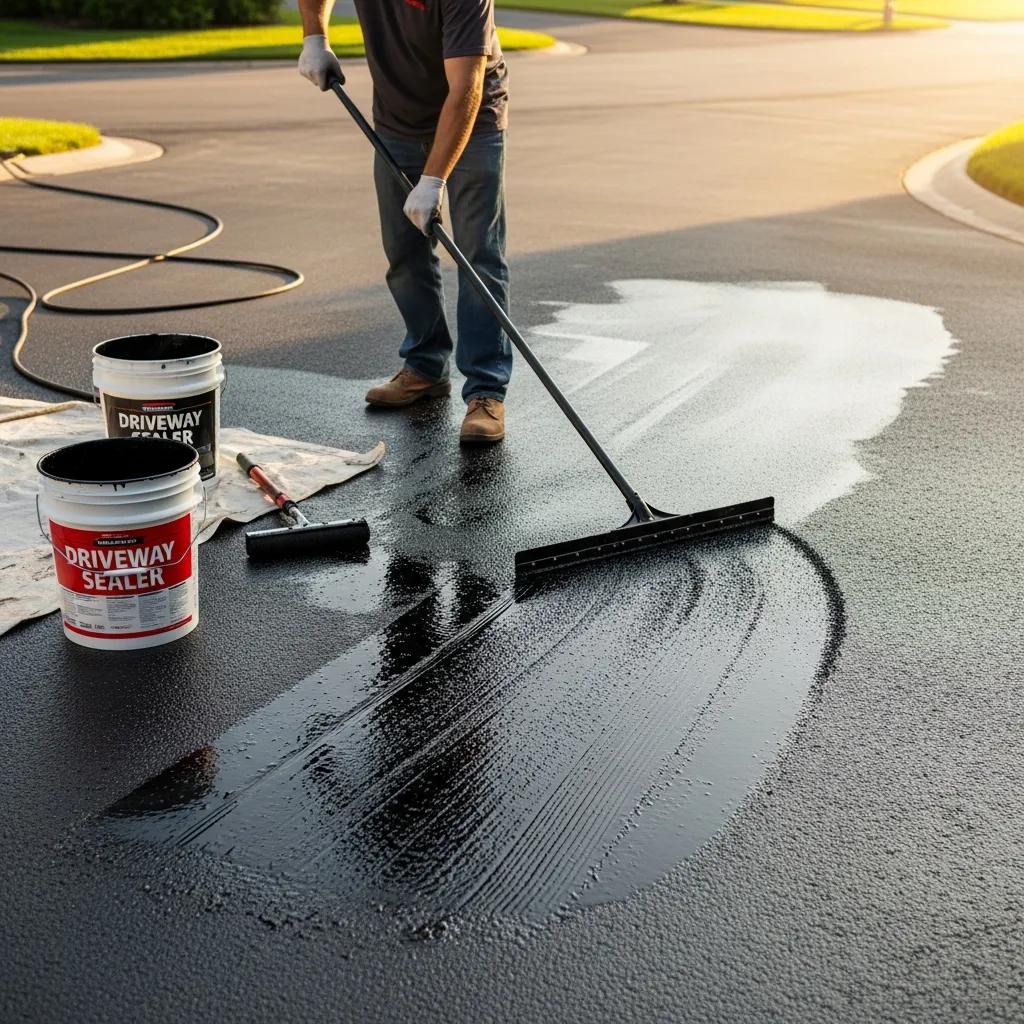
Professional applying driveway sealer to asphalt surface, showcasing maintenance process for driveway longevity and protection.

Driveway sealing is a crucial maintenance step that protects the surface from damage caused by weather, oil spills, and UV rays. Sealing helps to extend the lifespan of both asphalt and concrete driveways.

What Types of Sealants Are Used for Asphalt and Concrete Driveways?

For asphalt driveways, coal tar sealants and asphalt-based sealers are commonly used. These sealants provide a protective layer that enhances the driveway’s appearance and prevents damage. Concrete driveways, on the other hand, may utilize acrylic, epoxy, or penetrating sealers that offer similar protective benefits while allowing for color enhancement.

How Does Sealing Extend Driveway Lifespan and Prevent Damage?

Sealing a driveway creates a barrier against moisture and harmful substances, significantly reducing the risk of cracks and surface damage. Regular sealing can extend the lifespan of a driveway by several years, making it a worthwhile investment for homeowners looking to maintain their property.

Should You Choose DIY or Professional Driveway Repair Services?

When it comes to driveway repair, homeowners often face the decision of whether to tackle the project themselves or hire professionals. Each option has its advantages and disadvantages.

What Are the Pros and Cons of DIY Driveway Crack Filling and Patching?

DIY driveway repair can save money and provide a sense of accomplishment. However, it requires time, effort, and a certain level of skill to achieve satisfactory results. Common challenges include selecting the right materials and ensuring proper application techniques. Mistakes can lead to further damage, making it essential to weigh the pros and cons carefully.

When Is It Best to Hire Professional Contractors for Driveway Repair?

Hiring professional contractors is advisable for extensive repairs or resurfacing projects. Professionals have the experience and equipment necessary to ensure high-quality results. Additionally, they can provide warranties for their work, offering peace of mind for homeowners. If you’re unsure about the extent of the damage or the best repair methods, consulting with a professional can be beneficial.

How to Maintain Your Driveway to Prevent Future Repairs?

Regular maintenance is key to preventing costly repairs and extending the life of your driveway. Simple tasks can make a significant difference in the overall condition of your driveway.

What Are Essential Driveway Maintenance Tips for Asphalt and Concrete?

Essential maintenance tips include regular cleaning to remove debris and stains, inspecting for cracks or damage, and applying sealant as needed. For asphalt driveways, it’s also important to avoid parking heavy vehicles in the same spot for extended periods, as this can lead to ruts and surface damage. Concrete driveways should be kept free of ice and snow to prevent cracking during freeze-thaw cycles.

How Often Should You Schedule Sealing and Inspections?

Homeowners should schedule sealing every 2-3 years for asphalt driveways and every 3-5 years for concrete driveways. Regular inspections should be conducted at least once a year to identify any potential issues early on. Addressing minor repairs promptly can prevent more significant problems down the line.

GDPR compliance logo on blue background, indicating privacy and cookie management for Morici Bros Concrete website.
Privacy Overview

This website uses cookies so that we can provide you with the best user experience possible. Cookie information is stored in your browser and performs functions such as recognising you when you return to our website and helping our team to understand which sections of the website you find most interesting and useful.