
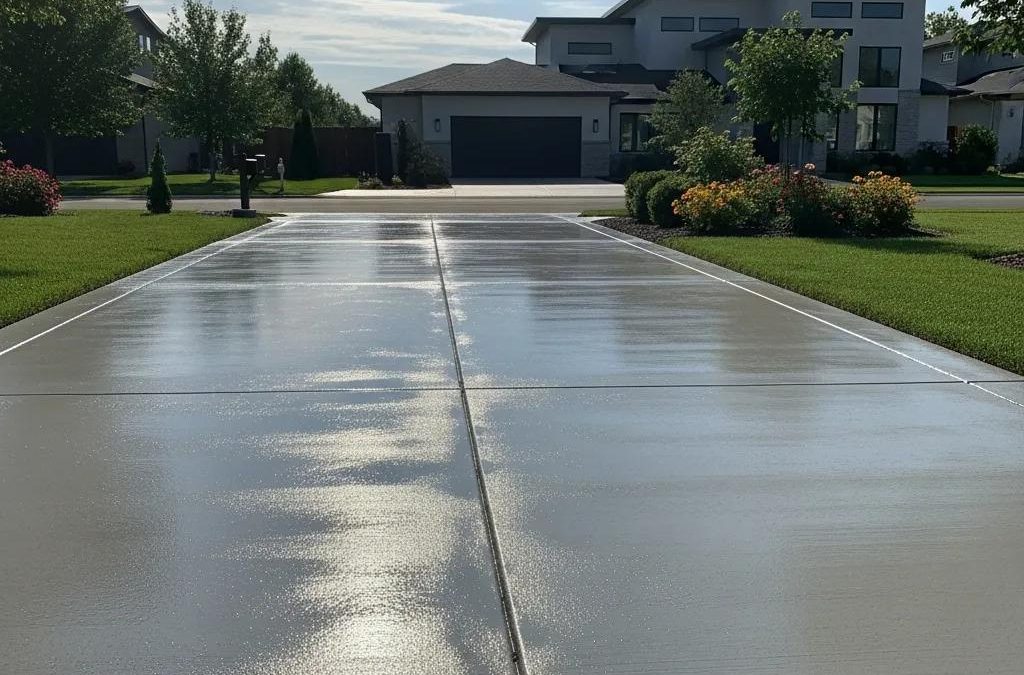
Benefits of Sealing Your Concrete Surfaces
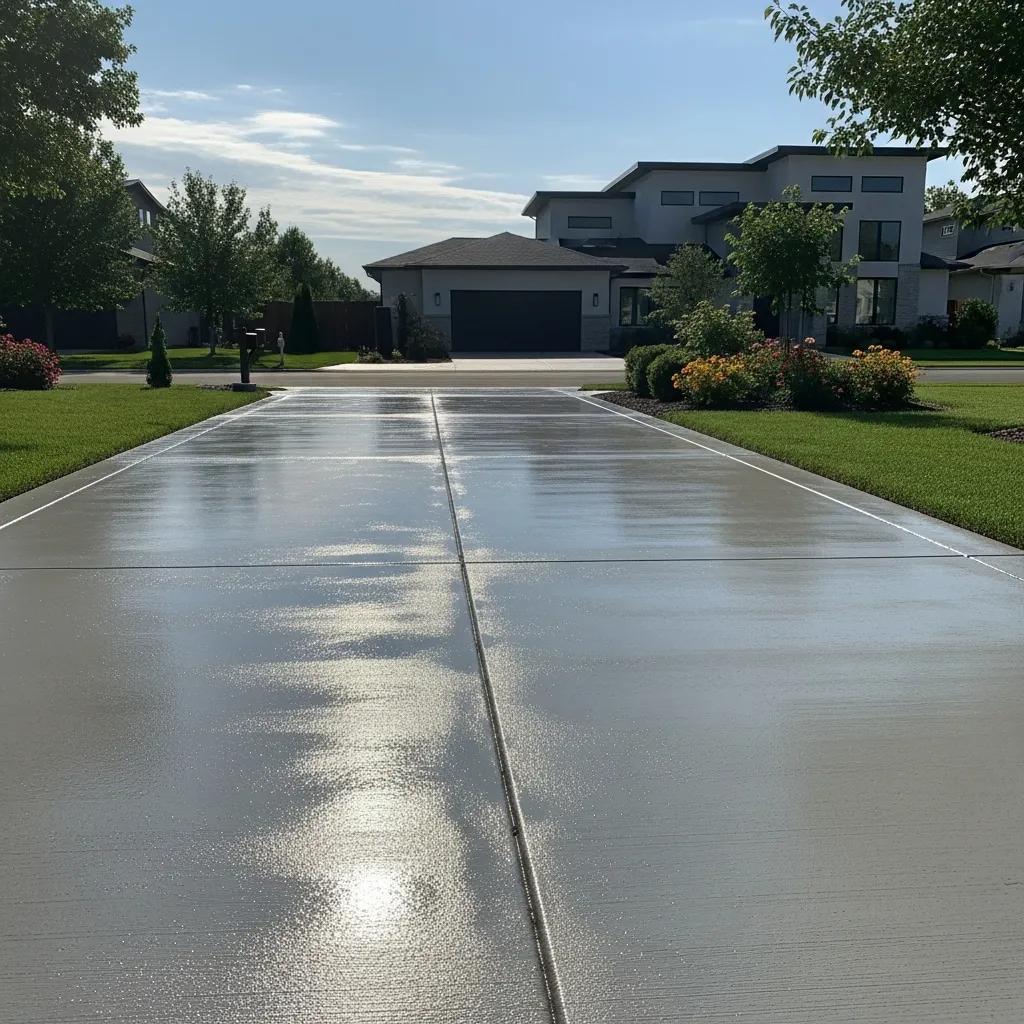
Freshly sealed concrete driveway showcasing protective benefits and aesthetic appeal, surrounded by well-maintained landscaping and modern home architecture.

Benefits of Sealing Your Concrete Surfaces: Protect, Maintain, and Extend Lifespan

Sealing your concrete surfaces is a crucial step in maintaining their integrity and appearance. This article explores the numerous benefits of sealing, including how it protects against moisture and chemical damage, extends the lifespan of concrete, and enhances overall durability. Many homeowners and businesses face challenges with concrete surfaces that deteriorate over time due to environmental factors. Sealing provides a reliable solution to these issues, ensuring that your concrete remains in optimal condition for years to come. We will delve into the key benefits of concrete surface protection, the types of sealants available, proper sealing techniques, maintenance tips, and the advantages of professional sealing services.

What Are the Key Benefits of Concrete Surface Protection?

Concrete surface protection through sealing offers several significant advantages that enhance the longevity and functionality of your surfaces. Sealing acts as a barrier against moisture, chemicals, and wear, which can lead to costly repairs and replacements. By applying a sealant, you can effectively prevent damage caused by water infiltration, which can lead to cracking and spalling. Additionally, sealing helps maintain the aesthetic appeal of your concrete surfaces, keeping them looking new and vibrant.

How Does Sealing Prevent Moisture and Chemical Damage?

Sealing concrete surfaces is essential for preventing moisture and chemical damage. Moisture can seep into unsealed concrete, leading to issues such as freeze-thaw damage, which occurs when water trapped in the concrete expands and contracts with temperature changes. This can cause cracks and surface flaking. Furthermore, chemicals from de-icing agents, oils, and other substances can penetrate unsealed concrete, leading to deterioration. A quality sealant creates a protective layer that repels water and chemicals, significantly reducing the risk of damage and extending the life of the concrete.

In What Ways Does Sealing Extend Concrete Durability?

Sealing not only protects concrete from immediate damage but also contributes to its long-term durability. Sealed concrete is less susceptible to wear and tear from foot traffic, heavy machinery, and environmental factors. Studies indicate that sealed concrete can last longer than unsealed surfaces, often extending its lifespan by reducing deterioration. By investing in sealing, property owners can save on maintenance costs and ensure their concrete surfaces remain functional and visually appealing for many years.

Which Types of Concrete Sealants Are Best for Your Surfaces?
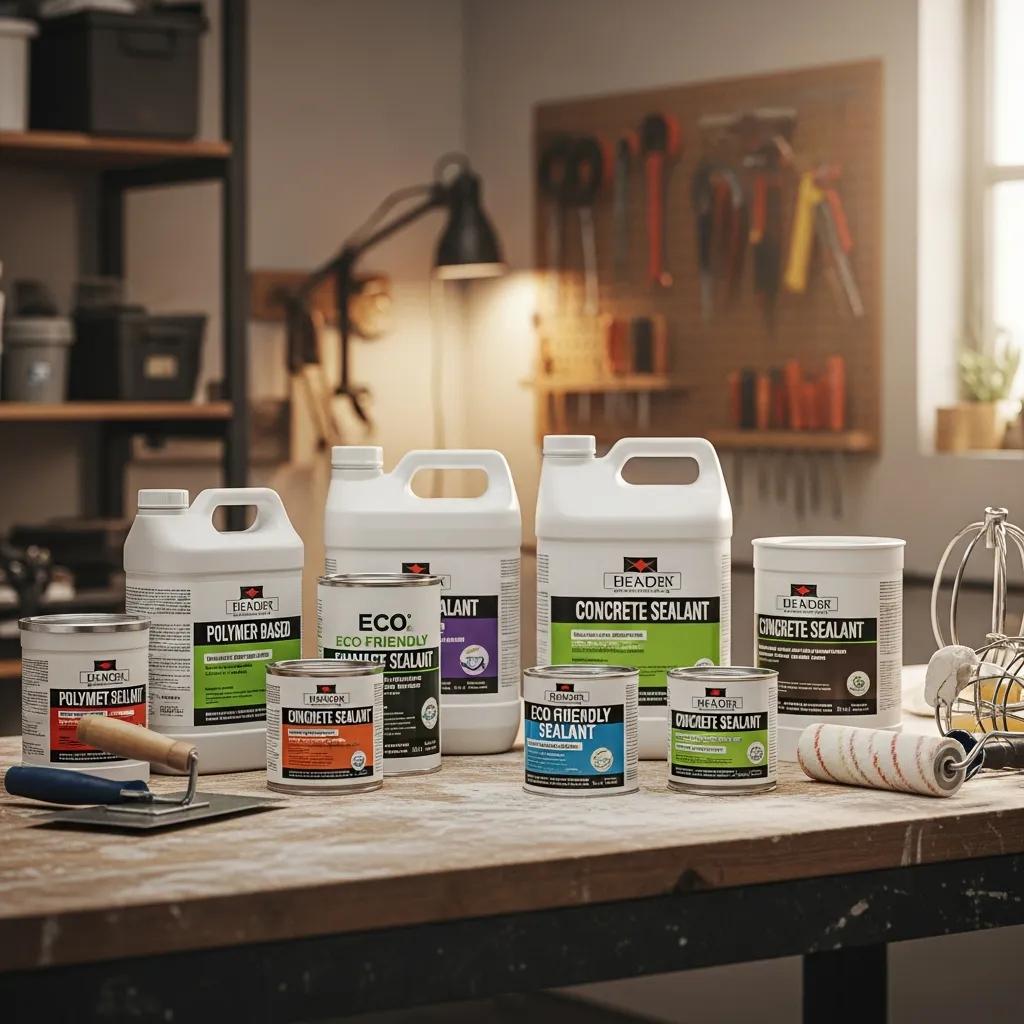
Different types of concrete sealants displayed in a workshop setting, including polymer-based and eco-friendly options, highlighting their applications for protecting and maintaining concrete surfaces.

Choosing the right type of concrete sealant is crucial for achieving optimal protection and longevity. Various sealants are available, each with unique properties and applications. Understanding these options can help you make an informed decision based on your specific needs.

What Are the Advantages of Polymer-Based and Eco-Friendly Sealants?

Polymer-based sealants are popular for their durability and flexibility. They provide excellent resistance to moisture and chemicals, making them ideal for both residential and commercial applications. Eco-friendly sealants, on the other hand, are gaining traction due to their low environmental impact. These sealants often use natural ingredients or water-based formulas and emit fewer volatile organic compounds (VOCs), making them safer for indoor use. Both types of sealants offer unique benefits, allowing property owners to choose based on their priorities, whether it be performance or environmental considerations.

Research further supports the exceptional durability and resistance of polymer-based sealants under various challenging conditions.

Polymer-Based Cement Sealants: Enhancing Concrete Durability & Resistance

To promote the engineering application of polymer-based cement joint sealant (PCJS), the durability of PCJS was studied by testing the bonding, tensile and shear properties of PCJS under different service conditions. The results show that PCJS has excellent water resistance, acid/alkali corrosions resistance, UV aging resistance and low temperature resistance. The retention rate of bonding property of PCJS can achieve 85%.

Durability and microstructure of polymer-based cement joint sealant, 2025

Moreover, advancements in sustainable materials are leading to innovative eco-friendly sealants capable of addressing specific concrete issues like micro-cracks.

Eco-Nanoseal: Repairing Concrete Micro-Cracks with Sustainable Sealants

renewable feedstock for producing a sealant for healing micro-cracks in concrete. The sealant named Eco-Nanoseal is well characterised, and its interaction with concrete is studied.

A waste-derived nanocomposite sealant for repairing micro-cracks in concrete, U Kannan, 2022

How to Choose the Best Concrete Sealers for Driveways and Commercial Areas?

When selecting the best concrete sealers, consider factors such as the type of surface, expected traffic, and environmental conditions. For driveways, a sealant that offers high durability and resistance to oil stains is essential. In commercial areas, a sealant that can withstand heavy foot traffic and harsh chemicals is crucial. Additionally, consider the application method; some sealers are easier to apply than others. Avoid common mistakes, such as choosing a sealant that is not compatible with your concrete type or neglecting surface preparation, which can lead to poor adhesion and reduced effectiveness.

How to Properly Seal Your Concrete Driveway: Step-by-Step Guide
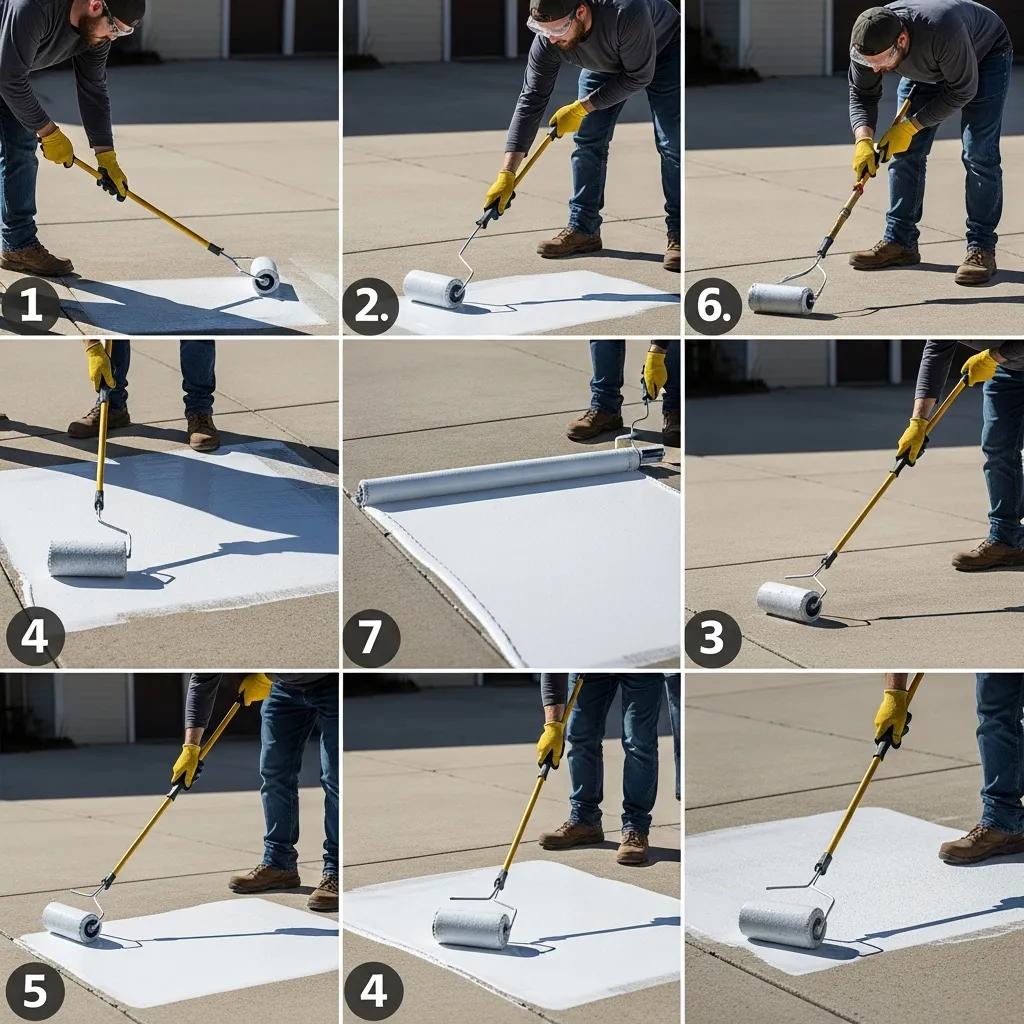
Person applying sealant to a concrete driveway using a roller, demonstrating proper sealing techniques for effective surface protection.

Proper sealing of your concrete driveway involves several key steps to ensure effective application and long-lasting results. Following a systematic approach can help you achieve the best outcome.

What Are the Recommended Application Methods for Effective Sealing?

To effectively seal your concrete driveway, start by cleaning the surface thoroughly to remove dirt, oil, and debris. This can be done using a pressure washer or a stiff broom. Once the surface is clean and dry, apply the sealant using a roller or sprayer, ensuring even coverage. It is essential to follow the manufacturer’s instructions regarding application thickness and drying times. For best results, consider applying a second coat after the first has dried completely.

How Often Should Concrete Be Sealed to Maintain Protection?

The frequency of sealing depends on several factors, including the type of sealant used, the level of traffic, and environmental conditions. Generally, it is recommended to reseal concrete surfaces every 2 to 3 years. Signs that resealing is needed include visible wear, fading, or water not beading on the surface. Regular maintenance and timely resealing can significantly extend the life of your concrete surfaces.

What Are Essential Concrete Maintenance Tips After Sealing?

After sealing your concrete surfaces, proper maintenance is crucial to ensure their longevity and effectiveness. Implementing a few simple practices can help keep your sealed concrete in excellent condition.

How to Clean and Care for Sealed Concrete Surfaces?

Cleaning sealed concrete surfaces is straightforward. Use a mild detergent mixed with water and a soft-bristle broom or mop to clean the surface regularly. Avoid harsh chemicals that can damage the sealant. Additionally, promptly clean up spills to prevent staining. Regular maintenance not only keeps the surface looking good but also helps maintain the integrity of the sealant.

What Are Common Signs That Resealing Is Needed?

Over time, even the best sealants can wear down. Common signs that resealing is needed include discoloration, dullness, and the inability of water to bead on the surface. If you notice these signs, it is time to consider resealing to restore the protective barrier and maintain the surface’s durability.

Unlock the Top Benefits of Sealing Concrete Surfaces

Concrete waterproofing is an essential aspect of maintaining both residential and commercial properties. It provides a protective barrier that prevents water infiltration, which can lead to structural damage and costly repairs.

What Role Does Sealing Play in Preventing Cracks and Structural Damage?

Sealing plays a critical role in preventing cracks and structural damage by creating a barrier against moisture. When water penetrates concrete, it can weaken the structure over time, leading to cracks and other forms of deterioration. By sealing the surface, property owners can significantly reduce the risk of water-related damage, helping to maintain the integrity of their structures.

How Does Waterproofing Improve Property Value and Longevity?

Investing in concrete waterproofing can enhance property value by ensuring that the structure remains in good condition. Properties with well-maintained concrete surfaces are more attractive to potential buyers and can command higher prices. Additionally, waterproofing extends the lifespan of concrete, reducing the need for costly repairs and replacements in the future.

Why Choose Morici Bros Concrete for Professional Concrete Sealing Services?

When it comes to sealing your concrete surfaces, choosing a professional service can make a significant difference in the quality and longevity of the application. Morici Bros Concrete specializes in providing expert sealing services tailored to meet the unique needs of each client.

What Expertise and Local Advantages Does Morici Bros Concrete Offer?

Morici Bros Concrete brings years of experience and local knowledge to every project. Their team understands the specific challenges posed by the regional climate and environmental conditions, allowing them to recommend the best sealing solutions. With a commitment to quality workmanship, they ensure that every application is performed to the highest standards, providing clients with peace of mind.

Are There Case Studies Demonstrating Successful Concrete Sealing Projects?

Morici Bros Concrete has a proven track record of successful sealing projects, showcasing their expertise and dedication to customer satisfaction. Case studies highlight various applications, from residential driveways to commercial properties, demonstrating the effectiveness of their sealing solutions. Client testimonials reflect the positive impact of their services, emphasizing the long-term benefits of professional sealing.

Sealant TypeAdvantagesBest Applications
Polymer-BasedHigh durability, moisture resistanceDriveways, commercial areas
Eco-FriendlyLow environmental impact, safe for indoor useResidential applications, sensitive environments
AcrylicQuick-drying, easy to applyDecorative surfaces, light traffic areas

This table illustrates the various sealant types available, highlighting their advantages and best applications, helping property owners make informed decisions.

Concrete sealing is an essential investment for maintaining the integrity and appearance of your surfaces. By understanding the benefits, types of sealants, and proper maintenance techniques, you can ensure that your concrete remains protected and durable for years to come.

GDPR compliance logo on blue background, indicating privacy and cookie management for Morici Bros Concrete website.
Privacy Overview

This website uses cookies so that we can provide you with the best user experience possible. Cookie information is stored in your browser and performs functions such as recognising you when you return to our website and helping our team to understand which sections of the website you find most interesting and useful.