
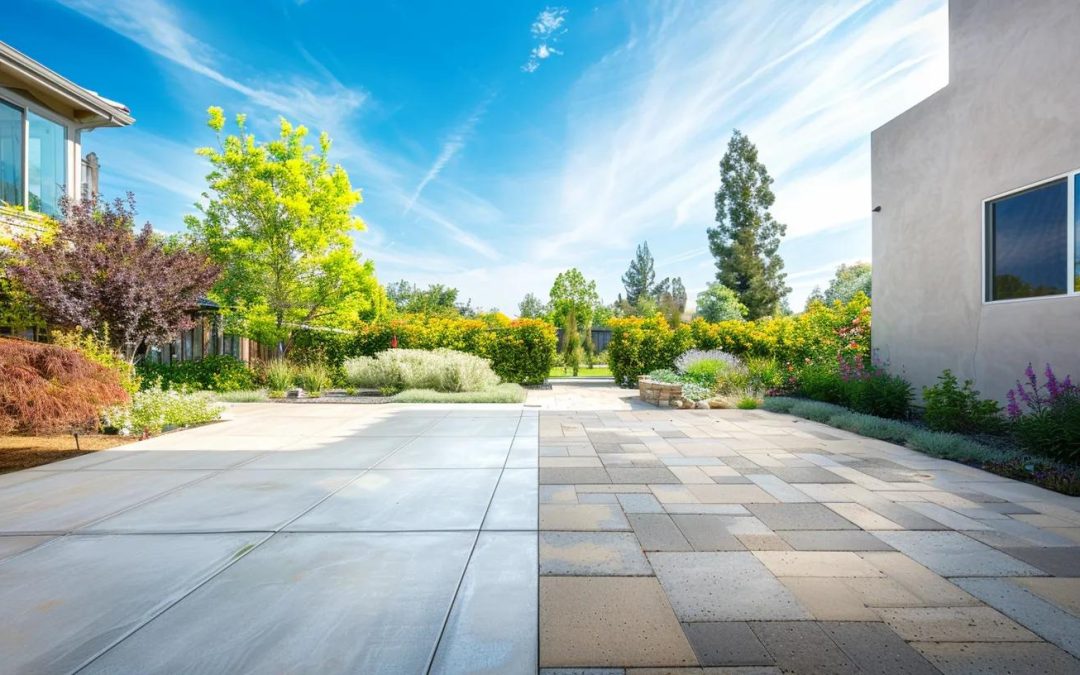
Concrete Patio vs Paver Patio: Discover Your Best Investment
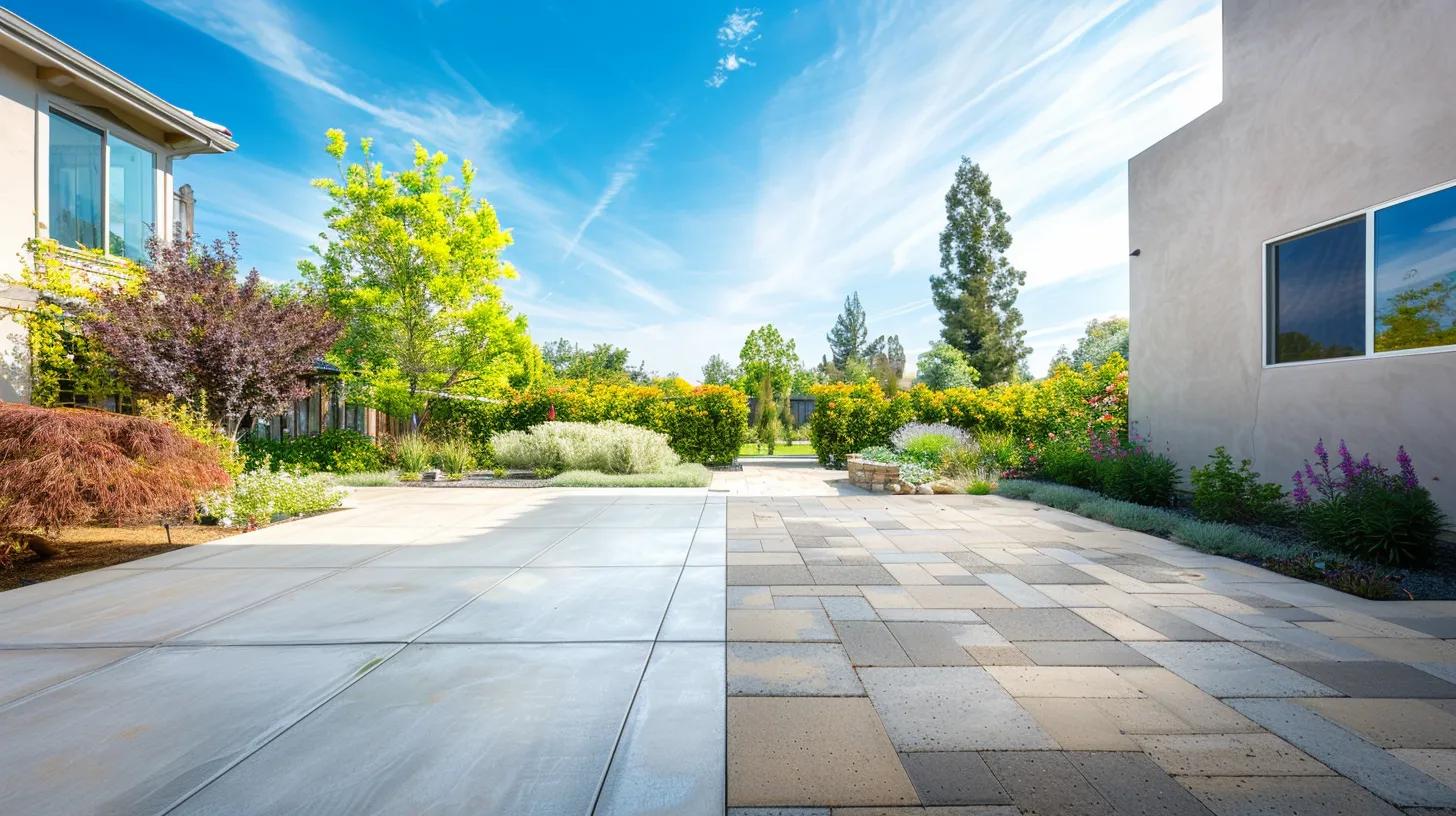
Concrete Patio vs. Paver Patio: Which Is the Better Investment?
By Steve Morici, Morici Bros Concrete LLC | Milwaukee’s Top
Choosing between a concrete patio and a paver patio requires balancing cost, durability, maintenance, aesthetics, and long-term value. This guide summarizes the core differences Milwaukee homeowners should weigh to decide which material fits their budget, climate challenges, and design goals.
Concrete Patio vs. Paver Patio for Milwaukee Homeowners
In Milwaukee’s cold, freeze-thaw climate, material choice affects longevity and upkeep. Concrete is known for strength and low routine care; pavers give more design flexibility but may need periodic leveling and joint maintenance.
Concrete vs. Paver Patio Costs: Installation and Maintenance
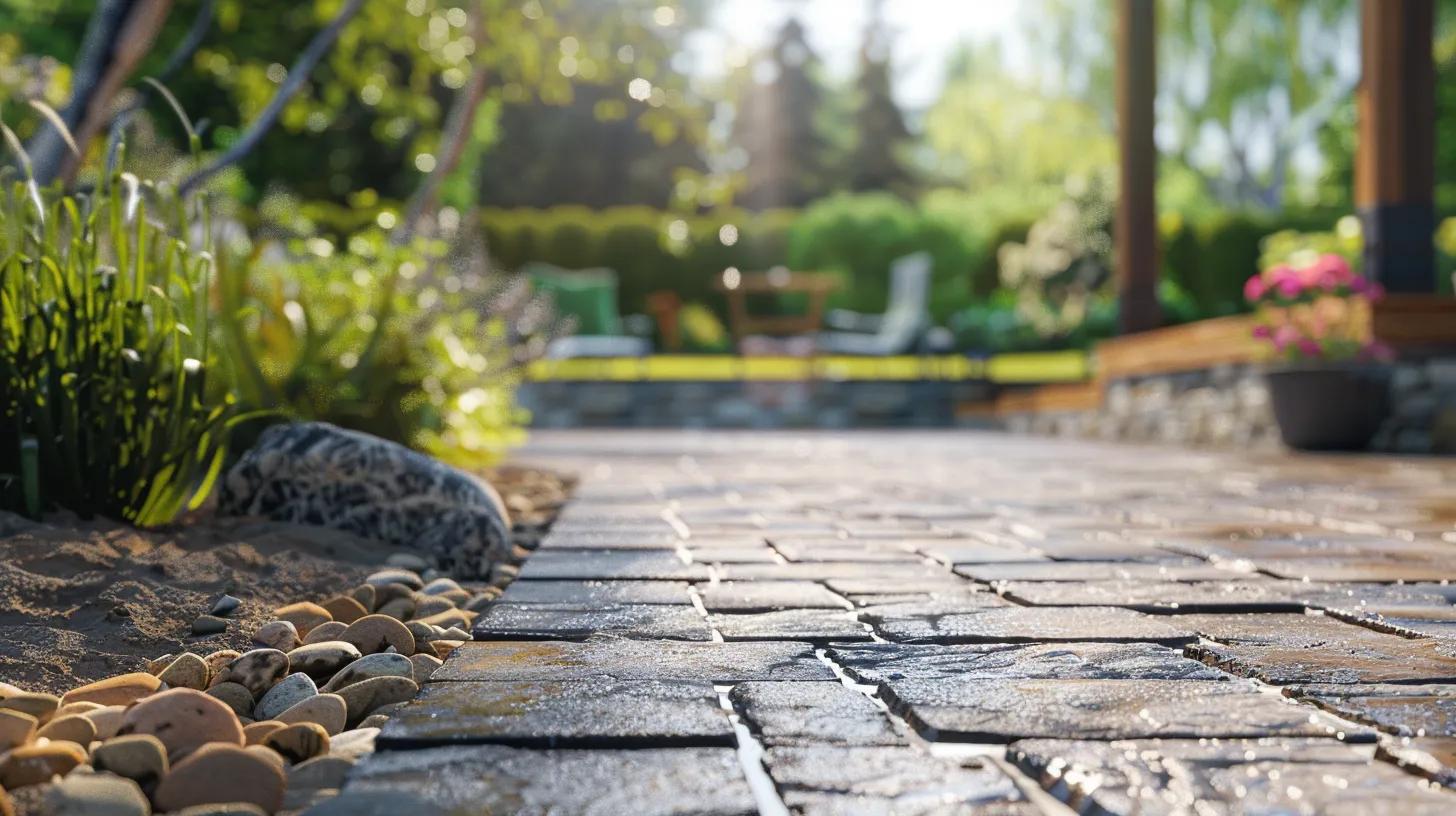
Compare upfront installation and expected maintenance when budgeting for a patio.
Basic concrete installations are generally less expensive up front; decorative concrete narrows the gap. Pavers cost more initially but can boost curb appeal with varied patterns and materials.
Durability:
Concrete offers solid, long-lasting slabs that resist heavy loads and, when properly prepared and sealed, stand up well to Milwaukee winters. Cracking can occur without proper joints or base work.
Paver patios are durable and repairable—individual pavers can be replaced—but they can shift or settle if the base and drainage are not correctly installed.
Maintenance Requirements:
Both options need care; the type differs.
Concrete patios typically involve:
- Regular cleaning to remove dirt and stains.
- Sealing every 3–5 years to protect against moisture.
- Repairing cracks promptly to prevent spread.
Paver patios require:
- Periodic re-leveling where settlement occurs.
- Replacing damaged pavers as needed.
- Cleaning joints and controlling weeds.
Choose based on how much ongoing maintenance you are willing to perform or pay for.
Aesthetic Options:
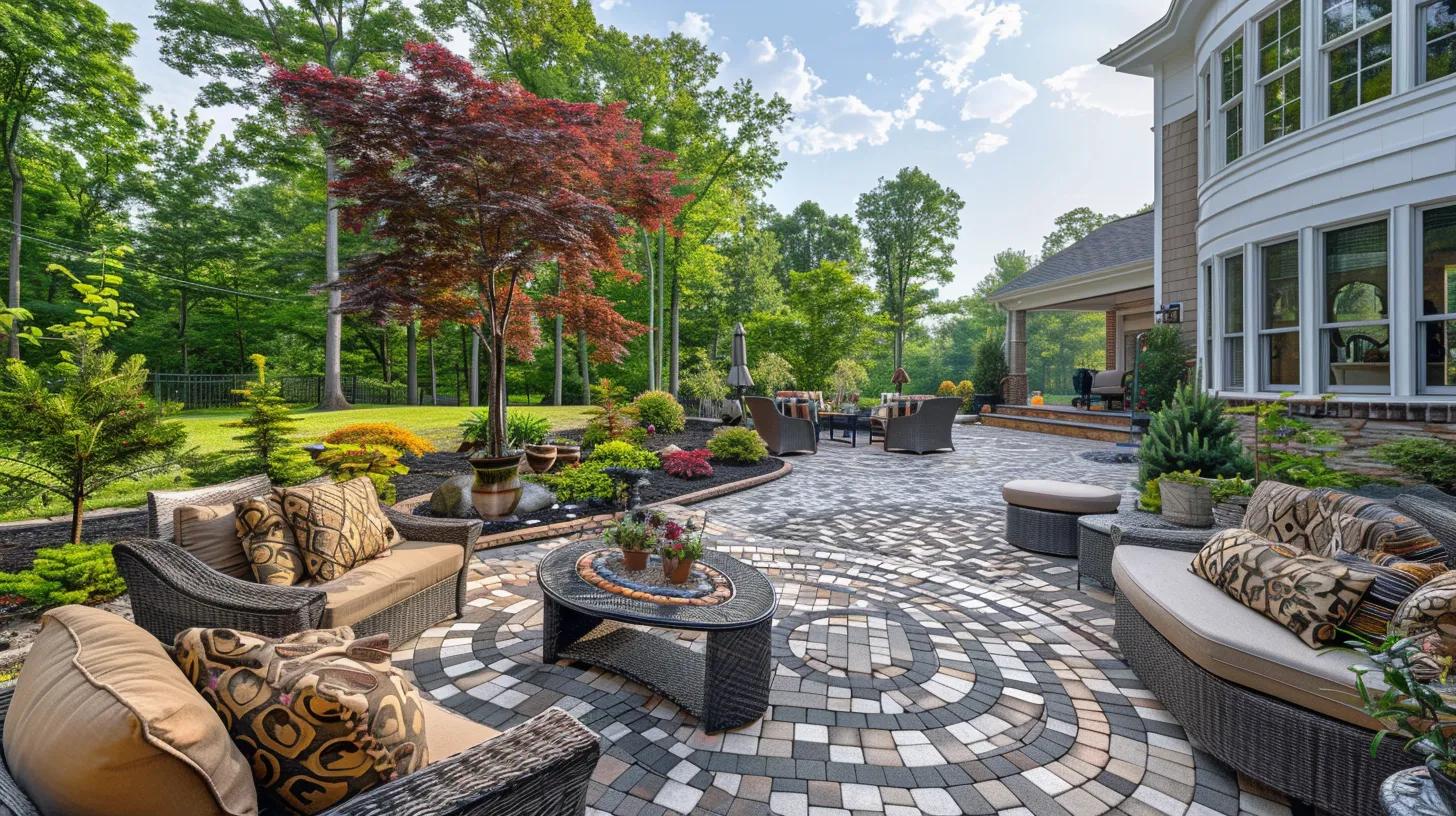
Concrete offers stamped, colored, and exposed-aggregate finishes for a custom look. Pavers provide greater variety in shape, color, and pattern, making them ideal when design flexibility is a priority.
Long-Term Value Considerations:
Concrete can be economical over decades thanks to lower routine costs, especially for well-installed slabs. Decorative concrete increases initial spend but still benefits from low maintenance.
Paver patios can raise property appeal and value, though ongoing maintenance can affect lifetime costs.
To further understand how maintenance impacts the long-term cost-effectiveness of paver systems, specialized management tools can provide valuable insights.
Paver Patio Maintenance & Cost-Effectiveness with PAVER System
The PAVER and Micro PAVER PAVER Pavement Maintenance Management Systems are designed to optimize the use of funds allocated for pavement maintenance and rehabilitation. PAVER, a field-tested, validated mainframe computer system, and Micro PAVER, a microcomputer version, can be used to manage roads, streets, parking lots, and airfields pavements. This report outlines procedures for dividing the pavement network into management units, performing the Pavement Condition Index (PCI) survey, determining MR needs and priorities, and selecting the most cost-effective MR alternative.
Pavement maintenance management for roads and streets using the PAVER system, 1990
What Are the Cost Differences Between Concrete and Paver Patios?
Concrete usually costs less for simple pours; decorative concrete raises the price. Pavers are typically pricier per square foot but offer more design options that can justify higher costs for some homeowners.
How Does Concrete Patio Cost Compare to Paver Patio Installation?
Basic concrete: commonly $6–$12/ft²; stamped or stained concrete: roughly $12–$18/ft². Pavers commonly run $10–$20/ft² depending on material and pattern complexity.
What Are the Long-Term Financial Benefits of Each Patio Material?
Concrete often yields lower lifetime maintenance expense. Pavers can increase curb appeal and resale value but may require occasional repair expenses.
How Do Concrete and Paver Patios Compare in Durability and Maintenance?
Concrete is less likely to shift and typically needs less frequent intervention; pavers offer modular repairs but need attention to joint and base conditions over time.
What Is the Expected Lifespan of Concrete Patios Versus Paver Patios?
Well-installed concrete patios can last 30+ years; paver patios commonly last 20–25 years or longer with proper maintenance and base preparation.
What Maintenance Is Required for Concrete and Paver Patios in Wisconsin’s Climate?
In Wisconsin, seal concrete regularly and ensure good drainage to avoid freeze-thaw damage. For pavers, maintain a stable base, manage joints, and re-level settled areas as needed.
Which Patio Material Offers Better Design and Installation Options?
Pavers typically provide more design choices in patterns and textures. Concrete offers customization through color, stamping, and finishing techniques but with fewer modular options.
What Are the Installation Processes for Concrete and Paver Patios?
Concrete: prepare base, form, pour, finish, and cure. Pavers: prepare compacted base, lay pavers in pattern, fill joints, and compact. Both require correct base and drainage to perform well.
How Do Design Choices Differ Between Concrete and Paver Patios?
Concrete focuses on surface treatments and continuous slabs; pavers allow intricate layouts, borders, and mixed materials for more detailed designs.
Why Is Regional Suitability Important When Choosing Between Concrete and Paver Patios in Milwaukee?
Local climate, freeze-thaw cycles, and soil conditions impact performance. Proper base design and material selection are essential in Milwaukee to reduce cracking or settling.
How Does Wisconsin Weather Affect Concrete and Paver Patio Performance?
Freeze-thaw cycles can crack or heave improperly installed concrete and shift pavers if drainage and base work are inadequate. Regular inspection and maintenance reduce these risks.
What Local Expertise Does Morici Bros Concrete LLC Provide for Patio Installation?
Morici Bros Concrete LLC offers residential and light commercial concrete solutions in Milwaukee, tailoring installations for local climate conditions to improve durability and appearance.
To learn more or schedule a consultation, contact us today.
Frequently Asked Questions
What are the environmental impacts of concrete and paver patios?
Concrete has a higher carbon footprint from cement production but can provide thermal benefits. Pavers may use natural or recycled materials and often allow better drainage, reducing runoff.
How do I choose the right patio material for my specific needs?
Decide by prioritizing budget, aesthetics, maintenance tolerance, and how the material performs in local weather. If low maintenance is key, concrete; if design flexibility matters most, consider pavers.
Can I install a concrete or paver patio myself?
DIY is possible for both but demands careful base work, grading, and finishing. For reliable results in Milwaukee’s climate, many homeowners choose a professional installer.
What are the best practices for maintaining a patio in Wisconsin’s climate?
Seal concrete every few years, clear debris, ensure drainage, and inspect for cracks. For pavers, keep joints filled, control weeds, and re-level settled areas as needed.
How do patio materials affect home resale value?
Pavers often enhance curb appeal and can attract buyers seeking designed outdoor spaces. Well-maintained concrete can also be a selling point for durability and low upkeep.
What are the common mistakes to avoid when installing a patio?
Avoid poor drainage, inadequate base compaction, skipping expansion joints in concrete, and neglecting local climate considerations—these lead to early failure and extra costs.
Are there any local regulations or permits required for patio installation in Milwaukee?
Permits and local rules may apply. Check Milwaukee zoning and building departments or consult a local contractor to ensure compliance before installing a patio.