
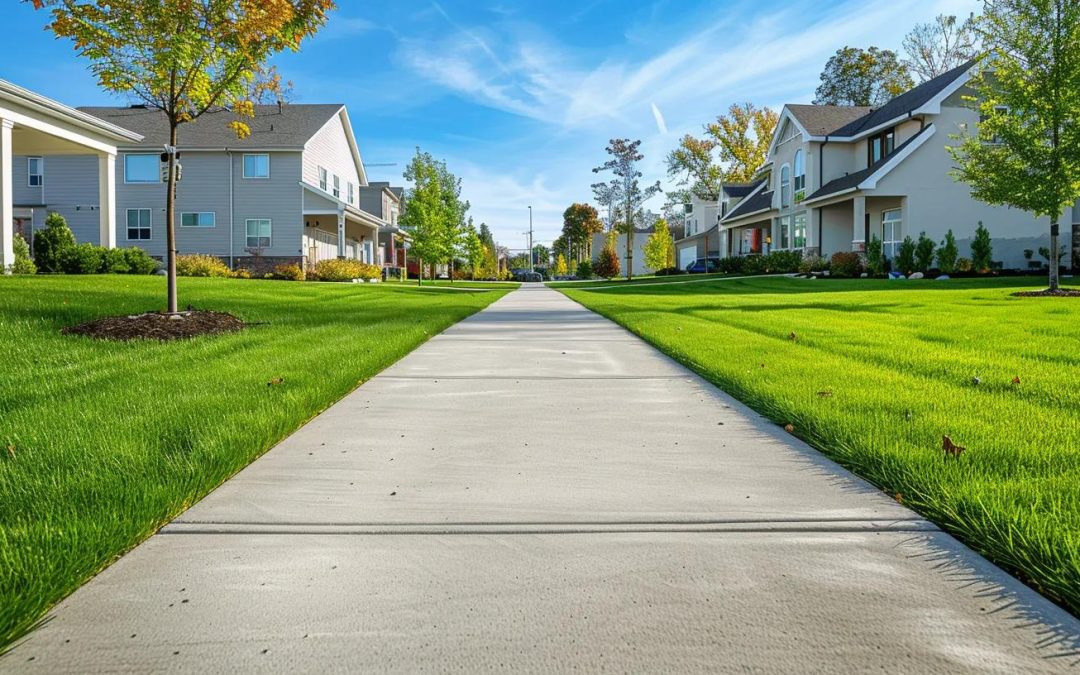
Milwaukee Concrete Sidewalk Installation Guide for Homeowners
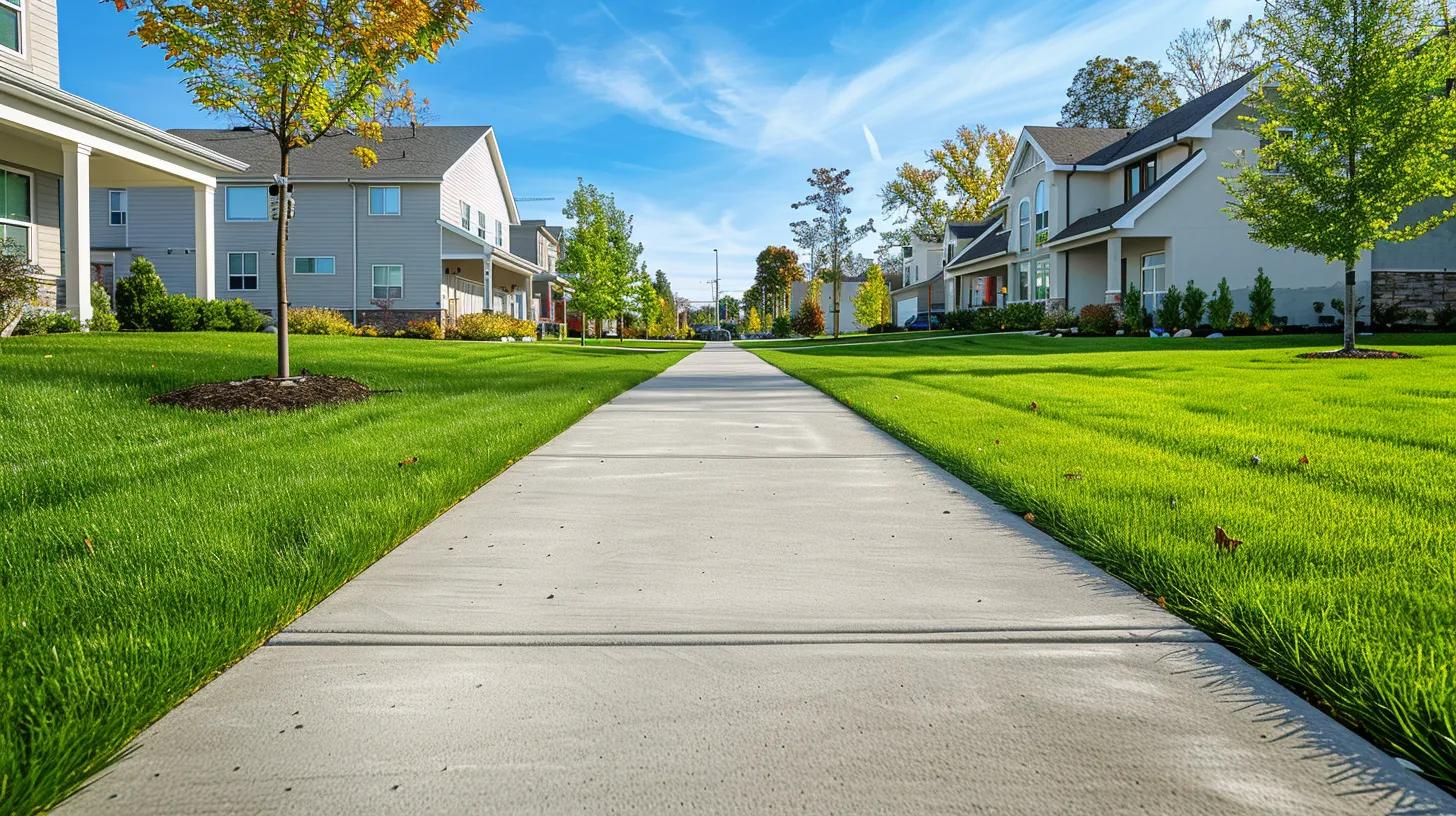
What Milwaukee Homeowners Expect from Concrete Sidewalk Installation
By Steve Morici, Morici Bros Concrete LLC | Milwaukee’s Top
Concrete sidewalk installation improves function and curb appeal. Milwaukee homeowners should understand the process, expected quality, and costs so they can choose contractors, avoid common mistakes, and ensure a durable, code-compliant sidewalk. This article summarizes the key steps, standards, cost range, and local rules to help you plan the project.
Concrete Sidewalk Installation for Milwaukee Homeowners
Installation is a specialized service that begins with a site evaluation and preparation. Quality workmanship and local knowledge—about weather, freeze-thaw cycles, and soil—are essential to produce a safe, long-lasting sidewalk. Hiring experienced local contractors reduces the risk of premature cracking and code issues.
Quality Standards and Reliability Expectations
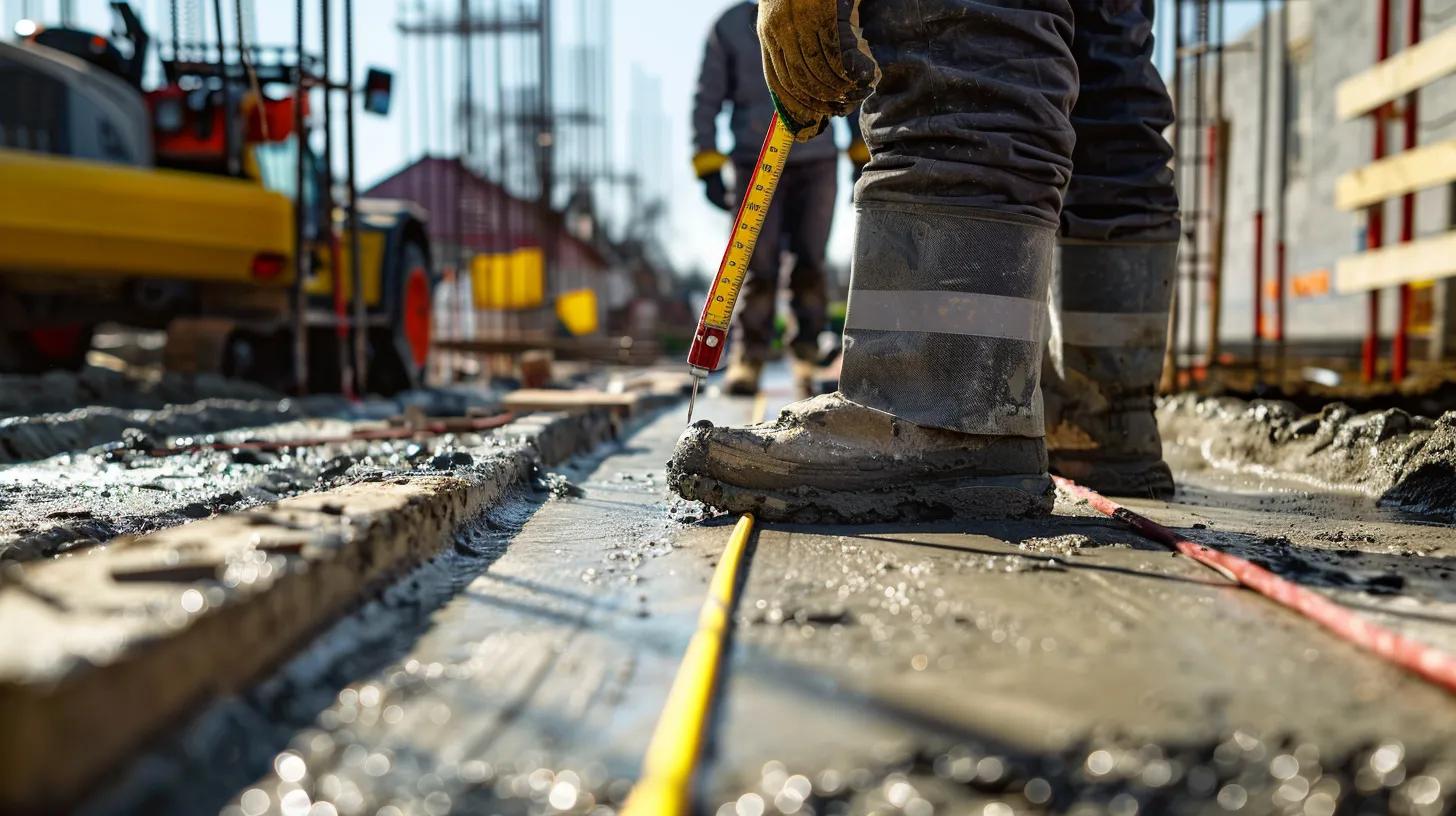
Expect compliance with local building codes and ADA guidelines. Materials should be specified for Wisconsin winters, and the design must support pedestrian traffic. Proper mixes and placement reduce cracking and extend service life.
Key Installation Processes
The installation follows standard steps; understanding them makes it easier to evaluate bids and timelines.
Site Preparation
Preparation includes clearing, grading for drainage, and installing a compacted base to support the concrete and prevent settling.
Formwork Installation
Forms (wood or metal) set the sidewalk’s shape and dimensions. Accurate forms ensure straight edges, correct slopes, and stable joints.
Concrete Pouring
Contractors place a specified mix, consolidate it to remove air pockets, and ensure even distribution to avoid weak spots.
Finishing
Finishing smooths the surface and adds texture for slip resistance. Common techniques include troweling and broom finishing to balance appearance and safety.
Curing
Curing keeps the concrete moist as it gains strength—typically the first week is critical to prevent premature drying and cracking.
Cost Estimates
In Milwaukee, average sidewalk costs commonly range from $6 to $12 per square foot. Price varies by length and width, design complexity, and material quality. Get multiple estimates to compare labor, materials, and timelines.
Factors Influencing Pricing
Material grade, labor experience, site accessibility, and soil conditions all influence the final price. Decorative finishes or reinforced mixes add cost but can improve longevity.
Local Regulations
Follow Milwaukee building codes and ADA standards. Permits and inspections may be required; contractors should handle permit applications and ensure the work passes local inspections.
This table outlines the primary regulations to consider when planning a sidewalk project.
How to Obtain Accurate Cost Estimates from Local Contractors
Request free, written estimates from several local contractors. Compare scope, materials, timelines, warranties, and permit handling. Ask for references and photos of similar past work to evaluate quality and reliability.
Frequently Asked Questions
What are the common materials used for concrete sidewalks?
Standard mixes use Portland cement, aggregates (sand and gravel), and water; additives may improve workability or freeze-thaw resistance. Decorative options like coloring or stamping are available without sacrificing durability when done correctly.
How long does the concrete sidewalk installation process take?
Small sidewalk pours can be completed in a few days. The active work (preparation, pour, and finish) can take several days; curing takes around seven days before normal foot traffic is recommended. Weather and project size affect the schedule.
What maintenance is required for concrete sidewalks?
Routine sweeping and occasional washing prevent stains. Periodic sealing slows water penetration and freeze-thaw damage. Promptly repair small cracks; larger issues may require professional assessment.
Are there eco-friendly options for concrete sidewalks?
Yes. Recycled aggregates, eco-friendly mixes, and permeable concrete reduce environmental impact and manage stormwater. Discuss these choices with contractors if sustainability is a priority.
What should I do if my sidewalk develops cracks?
Small cracks can often be filled or sealed. Larger or structural cracks should be evaluated by a contractor to determine whether patching or replacement is needed. Regular maintenance reduces the risk of larger failures.
How can I ensure my sidewalk is compliant with local regulations?
Work with contractors familiar with Milwaukee codes and ADA rules. Confirm that permits and inspections are included in the project plan to avoid delays or required rework.
Conclusion
Careful planning, the right materials, and experienced local contractors are key to a durable, code-compliant sidewalk in Milwaukee. For residential concrete services, Morici Bros Concrete LLC specializes in residential concrete services and can provide a free estimate. For project questions or to schedule an estimate, contact us.