
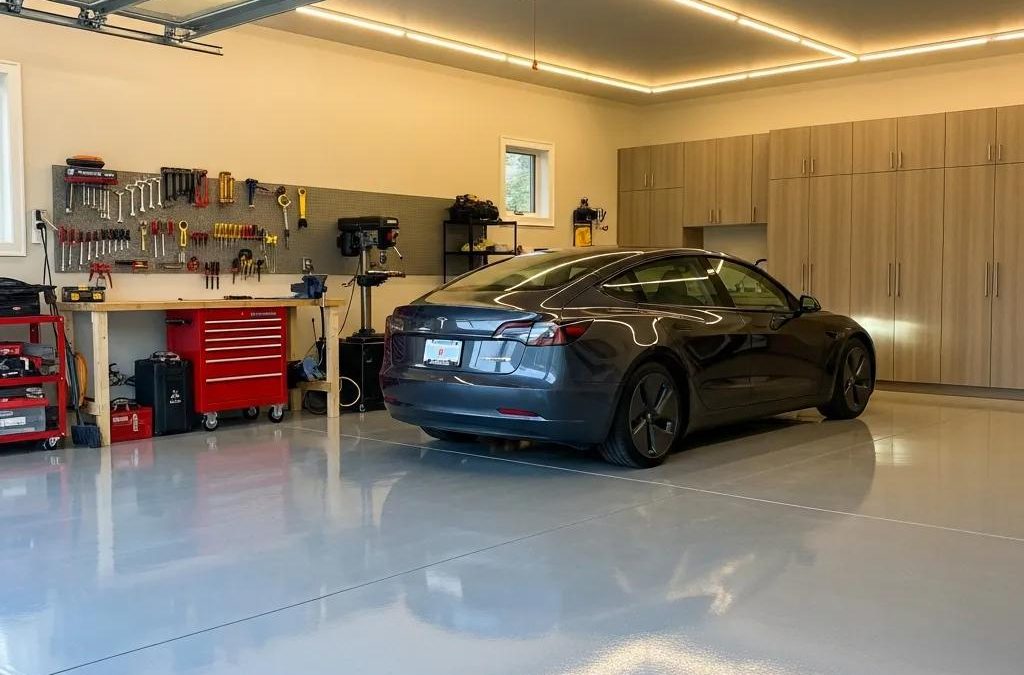
Durable Concrete Garage Floors Greenfield, WI
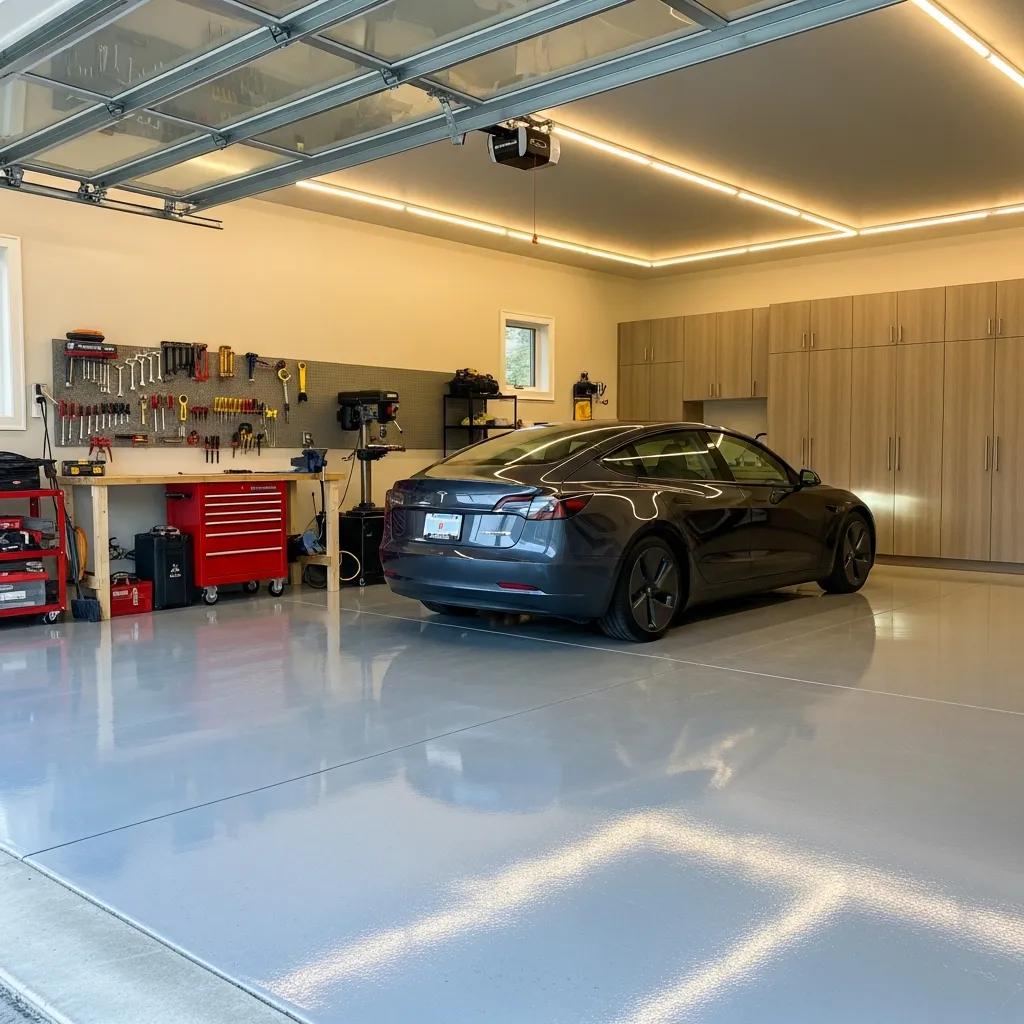
Complete Guide to Durable Concrete Garage Floors in Greenfield
Durable concrete garage floors are essential for homeowners and commercial property managers in Greenfield, WI, offering a robust solution for various needs. This article will explore the benefits, installation processes, repair techniques, and maintenance practices associated with concrete garage floors. Understanding these aspects can help you make informed decisions about your garage flooring options. Many property owners face challenges with wear and tear, moisture damage, and aesthetic concerns. Fortunately, durable concrete floors provide a long-lasting solution that addresses these issues effectively. We will cover the benefits of durable concrete garage floors, the installation process, repair techniques, ideal coatings, maintenance tips, and typical costs associated with these services.
What Are the Benefits of Durable Concrete Garage Floors in Greenfield?
Durable concrete garage floors offer numerous advantages that make them an ideal choice for homeowners and commercial property managers. These floors are known for their longevity, cost-effectiveness, and low maintenance requirements. The durability of concrete ensures that it can withstand heavy loads, resist stains, and endure harsh weather conditions, making it a practical option for any garage.
One of the primary benefits of durable concrete garage floors is their longevity. Unlike other flooring materials, concrete can last for decades with proper care. This longevity translates to significant cost savings over time, as homeowners will not need to replace their garage floors frequently. Additionally, local contractors in Greenfield possess the expertise to install these floors correctly, ensuring optimal performance and durability.
How Does Concrete Durability Enhance Garage Floor Longevity?
Concrete’s inherent durability stems from its composition and the curing process it undergoes. High-quality concrete mixes, combined with proper reinforcement techniques, contribute to a garage floor’s ability to resist cracking and wear. Factors such as the thickness of the slab, the quality of the concrete mix, and the use of reinforcement bars all play a crucial role in enhancing the floor’s longevity. Compared to other materials like wood or tile, concrete stands out for its ability to withstand heavy loads and resist damage from moisture and chemicals.
Moreover, concrete’s resistance to wear and tear makes it an excellent choice for garages that experience high traffic. Regular maintenance, such as sealing and cleaning, can further extend the life of a concrete garage floor, ensuring it remains functional and visually appealing for years to come.
Why Choose Local Greenfield Contractors for Garage Floor Installation?
Hiring local contractors for garage floor installation in Greenfield offers several advantages. Local professionals possess a deep understanding of the regional climate and soil conditions, which can significantly impact the installation process. They are familiar with local building codes and regulations, ensuring that your garage floor meets all necessary standards.
Additionally, local contractors often have established relationships with suppliers, allowing them to source high-quality materials at competitive prices. This can lead to cost savings for homeowners while ensuring that the installation is completed efficiently and effectively. By choosing local experts, you also support the community and benefit from their commitment to customer satisfaction.
How Is Concrete Slab Installation Performed for Garage Floors in Greenfield?
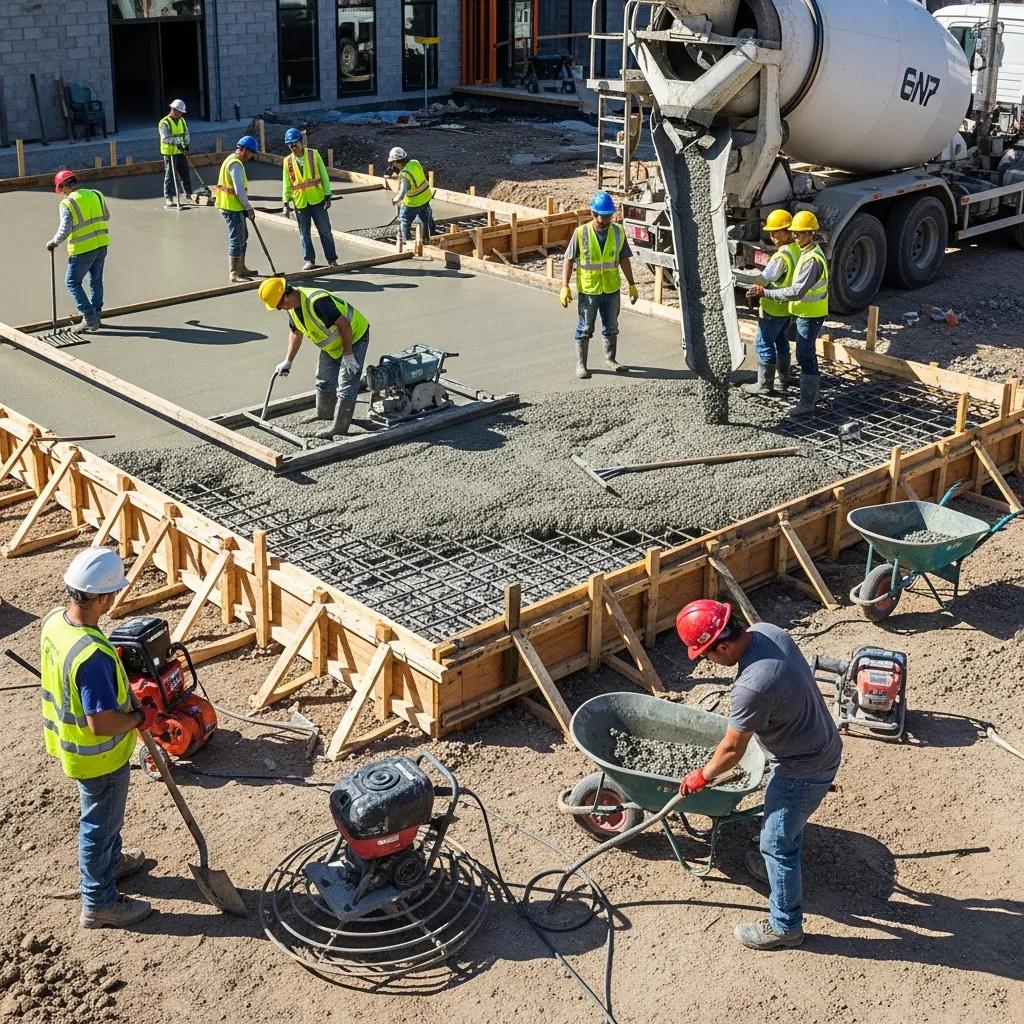
The installation of a durable concrete garage slab involves several critical steps that ensure a strong and long-lasting foundation. Understanding this process can help homeowners appreciate the importance of professional installation and the quality of materials used.
- Preparation of the Site: The first step involves clearing the area of debris and vegetation, followed by leveling the ground to create a stable base for the concrete slab.
- Formwork Installation: Wooden or metal forms are set up to contain the concrete during pouring, ensuring the slab maintains the desired shape and dimensions.
- Reinforcement Placement: Reinforcement bars or wire mesh are placed within the forms to enhance the slab’s strength and prevent cracking.
- Concrete Pouring: High-quality concrete mix is poured into the forms, ensuring even distribution and proper filling of all areas.
- Finishing: After pouring, the surface is smoothed and finished to achieve the desired texture and appearance. This step may include adding a non-slip surface for safety.
What Are the Steps in Installing a Durable Concrete Garage Slab?
The installation process for a durable concrete garage slab is systematic and requires attention to detail. Following the steps outlined above ensures that the slab is strong and capable of withstanding the demands placed upon it. Proper preparation and execution during each phase are crucial for achieving a successful installation.
Which Materials Ensure Long-Lasting Garage Slab Performance?
Selecting the right materials is essential for ensuring the long-lasting performance of a concrete garage slab. High-quality concrete mixes, which include additives for strength and durability, are critical. Additionally, using appropriate reinforcement materials, such as steel bars or fiber reinforcement, can significantly enhance the slab’s resistance to cracking and wear.
The choice of sealants and coatings also plays a vital role in protecting the concrete from moisture and stains. By investing in quality materials, homeowners can ensure that their garage floors remain functional and aesthetically pleasing for many years.
What Are the Best Garage Floor Repair and Resurfacing Techniques in Greenfield?
Over time, even the most durable concrete garage floors may require repair or resurfacing due to wear and tear. Understanding the best techniques for addressing these issues can help homeowners maintain their floors effectively.
Expert analysis underscores the critical need to understand the causes of garage slab damage, including cracks and water penetration, to develop effective repair recommendations.
Garage Slab Damage: Causes, Cracks, Water & Repair
The article presents the results of testing a damaged reinforced concrete slab, which is located in the underground garage constituting the two lowest floors of a residential and service building. During the tests numerous cracks in the slab were inventoried. Some cracks covered the entire thickness of the RC slab and floor layers made of synthetic resin. The result of these damages was penetration through the slab of water from molten slush and the need to limit the parking places on the lower level of the garage. Conducted analysis of technical documentation, analysis of damage morphology, control material tests and structure computations allowed assessment of the causes of existing damages to the floor slab and ability to develop recommendations regarding the methods of its repair.
Analysis of the causes of damage to the RC floor slab in the underground garage, P Matysek, 2019
- Concrete Crack Repair: Professionals use various methods to repair cracks, including epoxy injections and patching compounds. These techniques restore the integrity of the concrete and prevent further damage.
- Surface Resurfacing: When the surface of the garage floor becomes worn or damaged, resurfacing can provide a fresh, new look. This process involves applying a thin layer of new concrete or a specialized resurfacing compound to restore the floor’s appearance and functionality.
- Coating Application: Applying a protective coating, such as epoxy or polyurethane, can enhance the floor’s durability and resistance to stains and moisture. These coatings also improve the floor’s aesthetic appeal.
How Do Professionals Repair Concrete Cracks and Damage Effectively?
Professionals utilize a variety of techniques to repair concrete cracks and damage effectively. For minor cracks, epoxy injections are often used to fill and seal the gaps, restoring the structural integrity of the floor. For larger cracks or more extensive damage, patching compounds may be applied to rebuild the affected areas.
Additionally, professionals may recommend resurfacing the entire floor if the damage is widespread. This process not only repairs existing issues but also provides a new surface that enhances the floor’s overall appearance and performance.
When Is Garage Floor Resurfacing Recommended Over Replacement?
Garage floor resurfacing is often recommended when the existing floor shows signs of wear but is still structurally sound. Homeowners should consider resurfacing if they notice surface cracks, stains, or a worn appearance. Resurfacing is a cost-effective solution that can extend the life of the floor without the need for complete replacement.
In contrast, if the floor has significant structural damage, such as deep cracks or extensive spalling, replacement may be the better option. Consulting with a professional can help homeowners determine the most appropriate course of action based on the condition of their garage floor.
Which Concrete Garage Floor Coatings Are Ideal for Greenfield Homes?
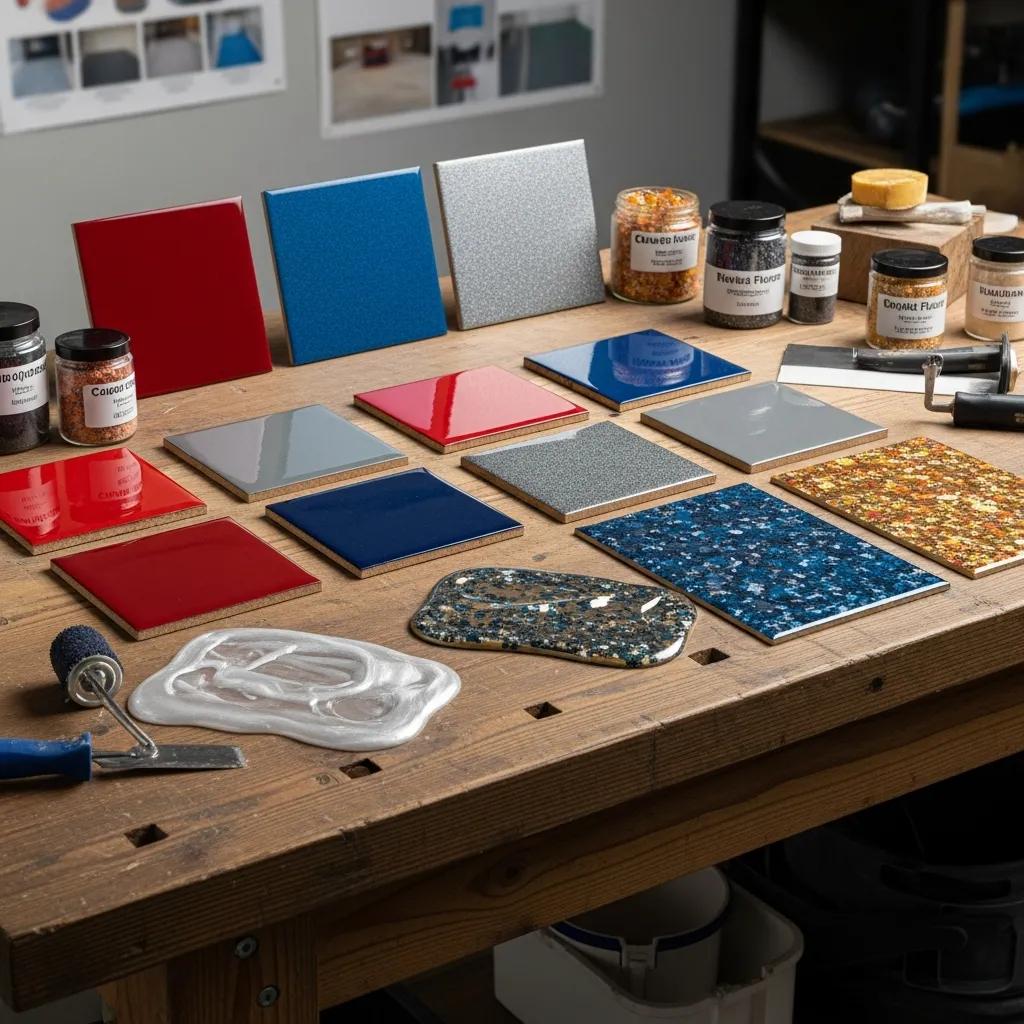
Choosing the right coating for a concrete garage floor can enhance its durability and appearance. Several options are available, each with unique benefits.
- Epoxy Coatings: Epoxy coatings are popular for their durability and resistance to stains, chemicals, and moisture. They create a hard, glossy finish that is easy to clean and maintain.
- Polyurethane Coatings: These coatings offer excellent flexibility and UV resistance, making them ideal for garages exposed to sunlight. They provide a durable surface that can withstand heavy traffic.
- Concrete Sealers: Sealers protect the concrete from moisture and stains while enhancing its appearance. They are available in various finishes, from matte to high gloss.
What Are the Advantages of Epoxy Garage Floor Coatings?
Epoxy garage floor coatings provide several advantages, making them a top choice for homeowners. Their durability ensures that the floor can withstand heavy loads and resist damage from chemicals and spills. Additionally, epoxy coatings are easy to clean, requiring only regular sweeping and occasional mopping to maintain their appearance.
Further research highlights ongoing advancements in epoxy technology, including the development of waterborne coatings specifically designed for concrete garage floors.
Waterborne Epoxy Coatings for Concrete Garage Floors
solventborne coatings currently used. This article describes work in developing waterborne coatings designed for concrete garage floor coatings. We have developed waterborne epoxy
Waterborne Epoxy Dispersions and Curing Agents for GARAGE FLOOR COATINGS., 2015
The aesthetic appeal of epoxy coatings is another significant benefit. Available in various colors and finishes, they can enhance the overall look of the garage, making it a more inviting space. Furthermore, epoxy coatings can be applied relatively quickly, minimizing downtime during the installation process.
How Does Garage Floor Sealing Protect Against Wear and Moisture?
Garage floor sealing is a crucial step in protecting concrete surfaces from wear and moisture. Sealers create a barrier that prevents water from penetrating the concrete, reducing the risk of damage from freeze-thaw cycles and moisture-related issues.
Additionally, sealing helps to prevent stains from oil, grease, and other substances, making it easier to maintain a clean and attractive garage floor. Regular sealing can extend the life of the concrete and enhance its overall performance.
How Should Homeowners Maintain Durable Concrete Garage Floors in Greenfield?
Maintaining durable concrete garage floors is essential for ensuring their longevity and performance. Homeowners can implement several effective practices to keep their floors in top condition.
- Regular Cleaning: Sweeping and mopping the floor regularly helps to remove dirt and debris that can cause wear over time. Using a mild detergent can enhance the cleaning process without damaging the concrete.
- Sealing: Applying a concrete sealer every 2 to 3 years can protect the floor from moisture and stains, extending its life and maintaining its appearance.
- Inspection: Regularly inspecting the floor for cracks or damage allows homeowners to address issues promptly, preventing further deterioration.
What Are Effective Concrete Floor Maintenance Practices?
Effective maintenance practices for concrete garage floors include regular cleaning, sealing, and inspections. Homeowners should sweep the floor frequently to remove dirt and debris, which can cause scratches and wear. Mopping with a mild detergent can help maintain the floor’s appearance.
Sealing the concrete every 2 to 3 years is crucial for protecting it from moisture and stains. Homeowners should also inspect the floor regularly for cracks or damage, addressing any issues promptly to prevent further deterioration.
How Can Garage Floor Waterproofing Extend Floor Life?
Garage floor waterproofing is an essential practice that can significantly extend the life of concrete floors. By applying a waterproofing sealant, homeowners can prevent moisture from penetrating the concrete, reducing the risk of damage from freeze-thaw cycles and water-related issues.
Additionally, waterproofing helps to protect the floor from stains caused by oil, grease, and other substances. This protective layer not only enhances the floor’s durability but also makes it easier to clean and maintain, ensuring that the garage remains functional and visually appealing for years to come.
What Are Typical Costs and Lead Times for Garage Floor Services in Greenfield?
Understanding the costs and lead times associated with garage floor services can help homeowners plan their projects effectively. Various factors influence these aspects, including the size of the garage, the type of materials used, and the complexity of the installation.
- Installation Costs: The average cost for concrete garage floor installation ranges from $4 to $7 per square foot, depending on the quality of materials and labor involved.
- Repair Costs: Repairing concrete cracks typically costs between $300 and $800, depending on the extent of the damage and the methods used.
- Coating Costs: Applying an epoxy coating can range from $3 to $7 per square foot, depending on the quality of the product and the size of the garage.
How Much Does Concrete Garage Floor Installation and Repair Cost?
The costs associated with concrete garage floor installation and repair can vary significantly based on several factors. For installation, homeowners can expect to pay between $4 and $7 per square foot, depending on the quality of materials and labor. Repairing cracks typically costs between $300 and $800, depending on the severity of the damage and the methods employed.
Coating applications, such as epoxy, can range from $3 to $7 per square foot, depending on the product’s quality and the garage’s size. Understanding these costs can help homeowners budget effectively for their garage floor projects.
What Is the Expected Timeline for Garage Floor Projects?
The timeline for garage floor projects can vary based on the scope of work and the specific services required. For a standard concrete installation, homeowners can expect the process to take approximately 1 to 3 days, depending on the size of the garage and the weather conditions.
Repair projects may take a few hours to a day, depending on the extent of the damage and the methods used. Coating applications typically require an additional 1 to 3 days for curing, so homeowners should plan accordingly to minimize disruption.
This table summarizes the typical costs and timelines associated with various garage floor services, helping homeowners make informed decisions about their projects.