
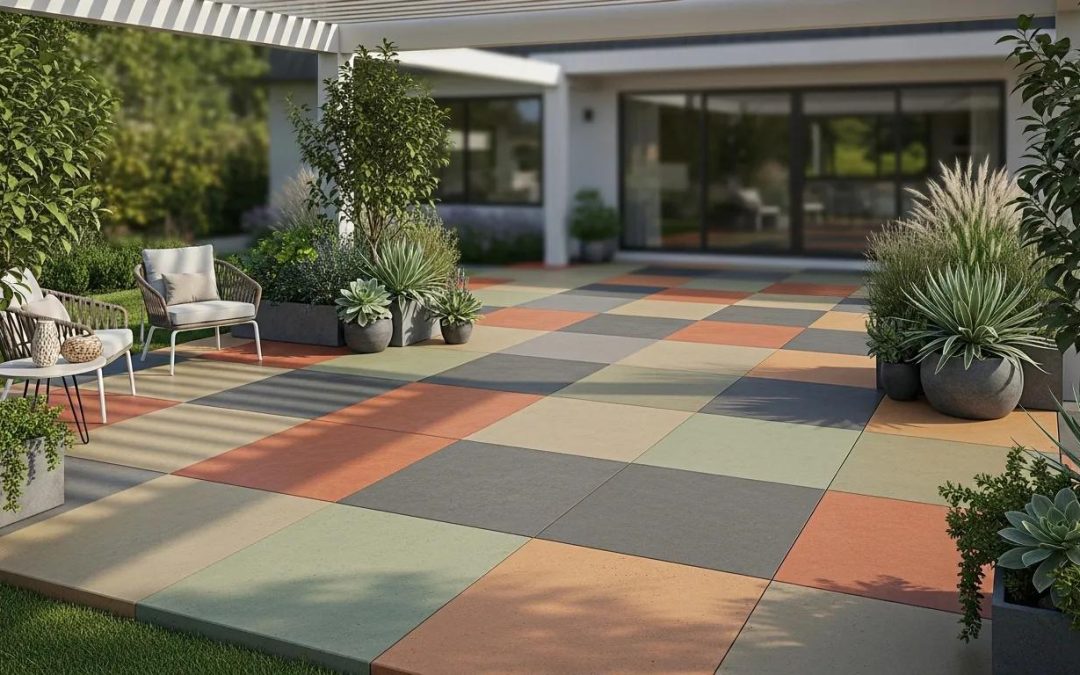
Elevate Your Property Aesthetic Using Pigmented Concrete
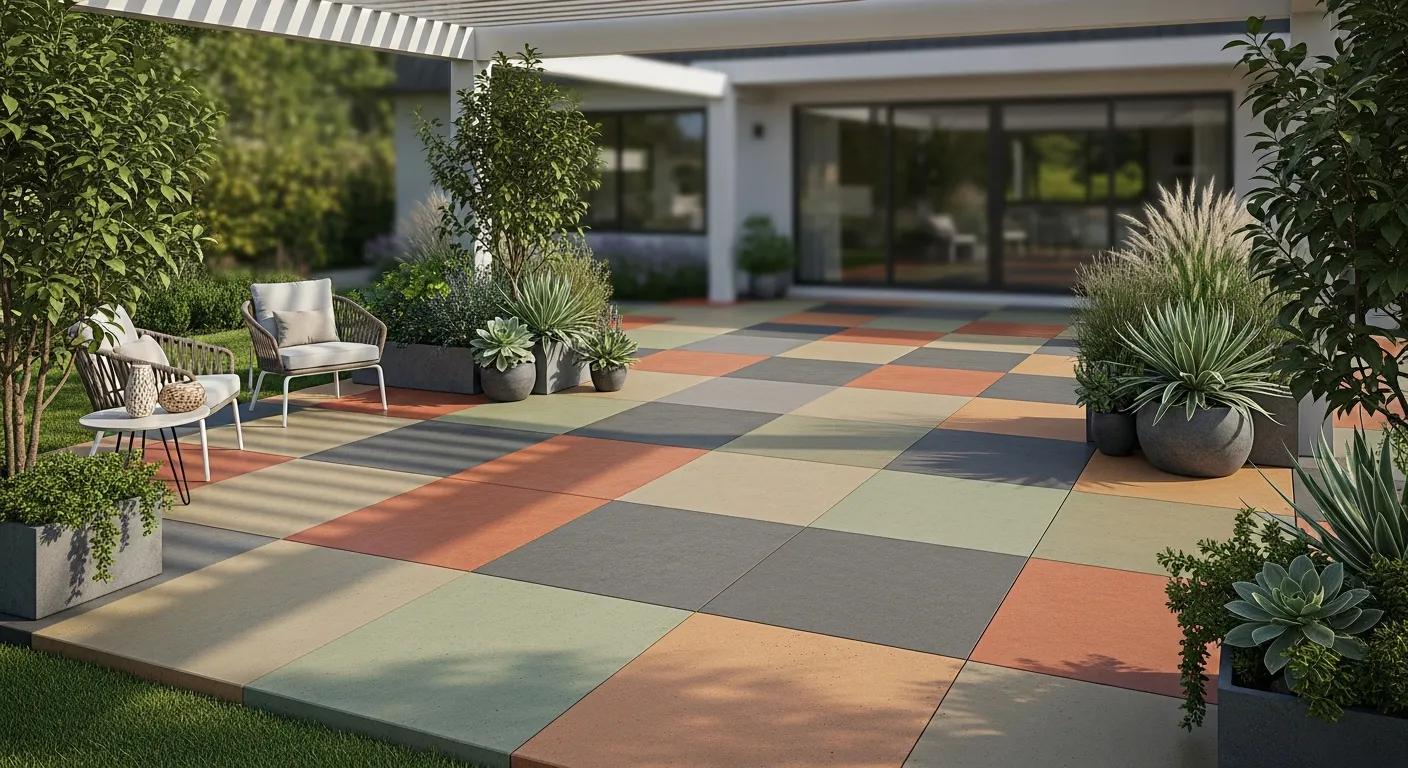
Transform Your Space with Colored Concrete
Colored concrete is a versatile, durable option that enhances driveways, patios, and commercial spaces. This guide covers benefits, staining methods, color choices, maintenance, and how to work with pigmented concrete contractors so homeowners and businesses can plan successful projects with lasting visual appeal.
What Are the Benefits of Using Colored Concrete for Your Property?
Colored concrete improves curb appeal and can raise property value by offering a tailored, finished look. It also provides long-term performance in high-traffic and variable weather when quality pigments and sealers are used.
Morici Bros Concrete offers pigmented and stained concrete services designed for residential and commercial needs, emphasizing lasting finishes and workmanship.
How Does Colored Concrete Improve Property Aesthetics and Value?
With many colors and finishes available, colored concrete complements architectural styles and landscaping to create distinctive outdoor areas. Well-executed surfaces often make properties more attractive to buyers.
Experts note the clear aesthetic advantages of adding color to concrete.
Aesthetic Benefits of Colored Concrete
By adding colour to the concrete , the concrete gets an aesthetic appearance and also further finishing works likes painting can be avoided.
Decorative concrete, AC Dubal, 2016
What Durability Features Make Colored Concrete a Long-Lasting Choice?
Colored concrete resists wear and, with proper sealing, is less prone to fading. Appropriate sealers protect against moisture and UV exposure, and routine care helps surfaces last for decades.
Which Concrete Staining Techniques Are Best for Decorative Finishes?
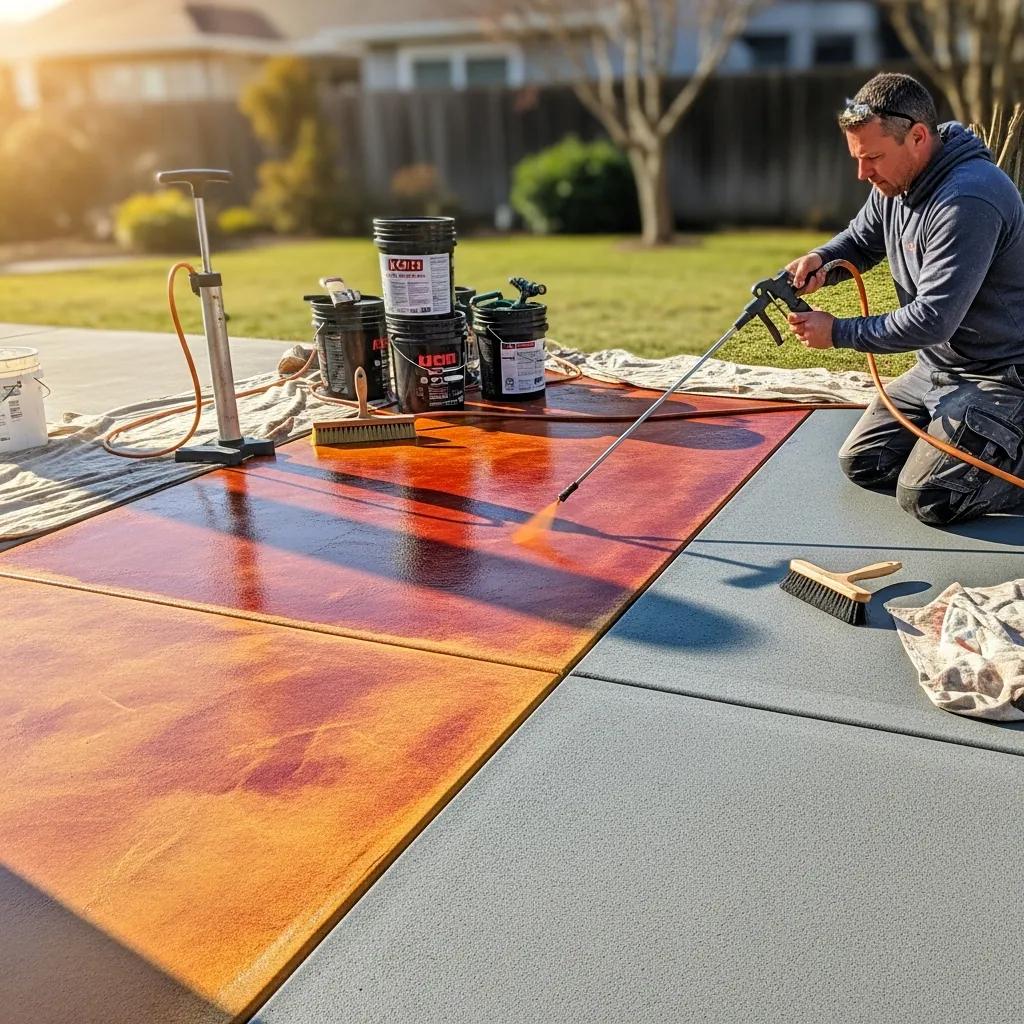
Decorative concrete finishes use different staining methods to achieve varied looks; choose a technique that matches your design goals and site conditions.
What Are the Differences Between Acid Stain, Concrete Dye, and Integral Color?
Acid stains chemically react with the slab for translucent, variegated tones. Dyes deliver more uniform, vivid color. Integral color mixes pigment into the concrete for consistent coloration through the slab; each has trade-offs in appearance and application.
How Do Application Methods Affect Color Vibrancy and Longevity?
Application technique, surface preparation, and sealing strongly influence how vibrant and durable the color will be. Even application and the correct sealer are essential to reduce fading and maintain finish quality.
What Are the Popular Concrete Color Options and Customization Choices?
Popular choices range from earthy, natural tones to bold, modern hues. Many projects also use textured finishes, stamping, or staining to create customized surfaces that suit the setting.
How to Choose the Right Pigmented Concrete Colors for Residential and Commercial Projects?
Consider the building style, landscape, and intended use: softer, neutral tones for homes and stronger accents for commercial spaces. Consult professionals for color coordination and sample swatches before committing.
What Are the Latest Trends in Eco-Friendly and UV-Resistant Concrete Pigments?
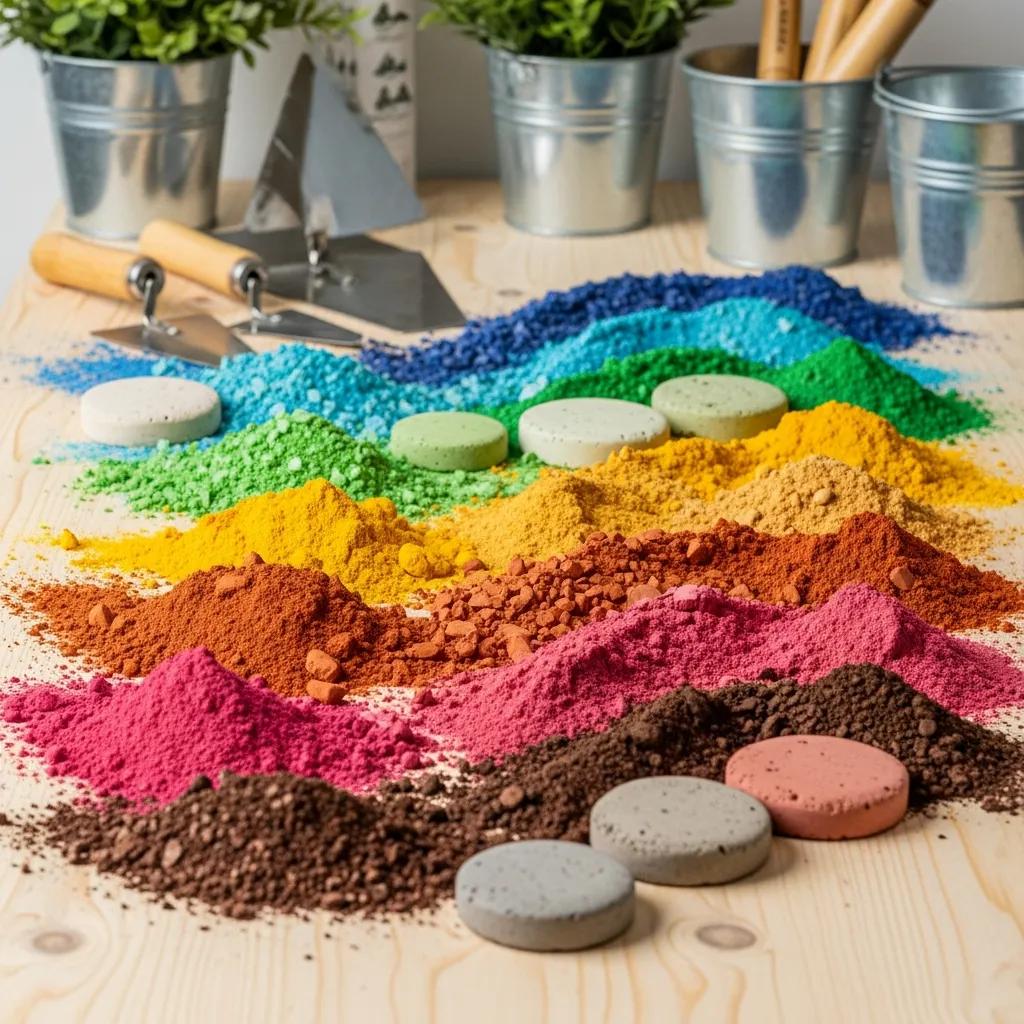
Eco-friendly and UV-resistant pigments are increasingly common. These options reduce environmental impact and help maintain color outdoors, so choose pigments rated for exterior exposure when needed.
How to Maintain and Protect Your Colored Concrete Surfaces?
Regular maintenance preserves appearance: clean gently, avoid harsh chemicals, and reseal according to product guidance to protect color and surface integrity.
What Sealing Methods Enhance Color Durability and UV Resistance?
Topical sealers create a visible layer and enhance gloss, while penetrating sealers protect from within. Select a sealer suited to traffic levels and the desired finish, and plan for periodic resealing.
How to Clean and Repair Colored Concrete to Preserve Its Appearance?
Use mild detergents and soft brushes for routine cleaning. Patch minor cracks with appropriate compounds; consult professionals for larger repairs to ensure color match and structural integrity.
What Should You Expect When Hiring Pigmented Concrete Contractors?
Choose contractors with relevant experience, clear portfolios, and positive reviews. Ask about materials, methods, timelines, and warranties before work begins.
How to Evaluate Contractor Expertise in Colored Concrete Services?
Review past projects, request references, and confirm their knowledge of pigments, stains, and sealers. A capable contractor will explain options and preparation steps clearly.
What Are Typical Costs and Project Timelines for Colored Concrete Installations?
Costs vary with technique and scope; discuss estimates and schedules in advance. Smaller jobs often complete in days; larger or decorative installations may take longer for preparation and curing.
Where Can You Find Local Colored Concrete Services and Project Examples?
Search local contractors and review portfolios to find nearby providers familiar with regional conditions and design preferences.
How Does Morici Bros Concrete Serve Homeowners and Businesses Locally?
Morici Bros Concrete provides pigmented concrete services across residential and commercial projects, tailoring finishes to local needs with a focus on quality and customer satisfaction.
What Are Some Successful Colored Concrete Driveway and Decorative Finish Projects?
Their portfolio includes driveways and decorative finishes that demonstrate color variety and design versatility; reviewing examples helps clients choose the right approach.
Colored concrete balances aesthetics and durability. With proper technique, materials, maintenance, and an experienced contractor, you can achieve attractive, long-lasting results that add value to your property.
Frequently Asked Questions
What maintenance is required for colored concrete surfaces?
To maintain colored concrete surfaces, regularly clean with mild detergent and soft brushes. Avoid harsh chemicals. Reseal per the manufacturer’s guidelines (typically every 1–3 years) depending on traffic and exposure to protect color and surface integrity.
How can I enhance the slip resistance of colored concrete?
To improve slip resistance on colored concrete, consider adding a textured finish during installation or using anti-slip additives in the sealer. Textured surfaces provide better traction, especially in wet conditions. Additionally, regular maintenance, such as cleaning to remove debris and applying a suitable sealer, can help maintain the surface’s grip and safety.
What are the common mistakes to avoid when installing colored concrete?
Common mistakes during colored concrete installation include inadequate surface preparation, improper mixing of pigments, and neglecting to follow curing guidelines. Failing to test color samples before application can also lead to unsatisfactory results. It’s crucial to hire experienced contractors who understand the nuances of colored concrete to avoid these pitfalls and ensure a successful project.
Can colored concrete be used in cold climates?
Yes, colored concrete can be used in cold climates, but special precautions are necessary. Use additives to enhance freeze-thaw resistance and ensure proper curing to prevent cracking. It’s best to pour concrete during milder weather and protect it from extreme cold during the curing process. Consulting with professionals familiar with local conditions can help ensure successful installation.
What are the differences between stamped and stained colored concrete?
Stamped colored concrete involves imprinting patterns onto the surface while the concrete is still wet, creating a textured look that mimics materials like stone or brick. Stained concrete, on the other hand, involves applying a stain to enhance the color and depth of the existing concrete. Both methods offer unique aesthetics, but stamped concrete typically provides a more pronounced design element.
How do I choose the right contractor for my colored concrete project?
When selecting a contractor for colored concrete, look for experience and a strong portfolio showcasing previous work. Check reviews and ask for references to gauge customer satisfaction. Discuss their knowledge of different pigments, staining techniques, and sealing methods. A good contractor will provide clear communication, detailed estimates, and a timeline for your project, ensuring a smooth process.