
Enhance Your Home's Appeal with an Asphalt Driveway
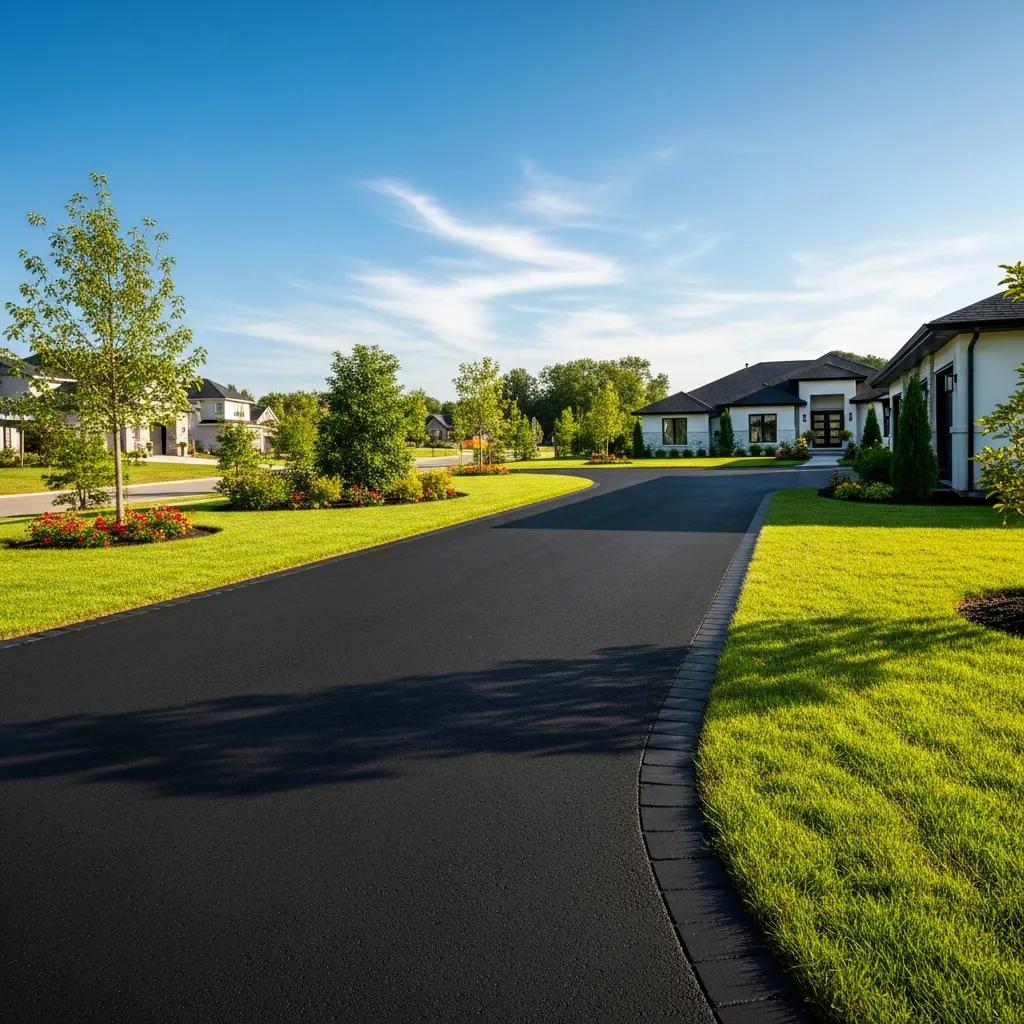
Freshly installed asphalt driveway with smooth surface, surrounded by lush green lawn and landscaped flower beds, enhancing home exterior appeal in a residential setting.

Asphalt Driveway Essentials: Installation, Sealing, Repair & Upkeep

Asphalt driveways are a popular choice for homeowners due to their durability, cost-effectiveness, and aesthetic appeal. This comprehensive guide will delve into the essential aspects of asphalt driveway installation, sealing, repair, maintenance, and how to select the right contractors for your project. Readers will learn about the installation process, the importance of regular sealing, effective repair methods, and maintenance tips to prolong the lifespan of their asphalt driveways. Additionally, we will explore how to choose the right contractors and understand the associated costs. By the end of this article, you will be equipped with the knowledge to make informed decisions regarding your asphalt driveway.

What Are the Essential Steps in Asphalt Driveway Installation?

The installation of an asphalt driveway involves several critical steps to ensure a durable and long-lasting surface. First, proper site preparation is essential, which includes clearing the area of debris, vegetation, and any existing pavement. Next, a solid base is created using crushed stone or gravel, which provides stability and drainage. The asphalt is then applied in layers, typically starting with a base layer followed by a top layer, ensuring a smooth and even finish. Finally, the driveway is compacted to eliminate air pockets and enhance durability.

Which Materials Are Used for Durable Asphalt Driveways?

Durable asphalt driveways are constructed using high-quality materials that contribute to their longevity. The primary material is asphalt, which is a mixture of aggregates, binder, and filler. The aggregates, typically composed of crushed stone or gravel, provide strength and stability. The binder, usually made from petroleum-based bitumen, holds the aggregates together and gives the asphalt its flexibility. Quality materials are crucial, as they directly impact the driveway’s resistance to cracking and weathering.

How Do Professional Contractors Ensure Quality Installation?

Professional contractors employ various methods to ensure quality installation of asphalt driveways. Their experience and training play a significant role in the installation process, as they understand the nuances of working with asphalt. Quality control measures, such as checking the temperature of the asphalt during application and ensuring proper compaction, are essential. Additionally, many contractors utilize technology, such as laser grading, to achieve precise leveling and drainage, which enhances the driveway’s performance.

How Often Should You Seal an Asphalt Driveway and What Are the Best Sealers?
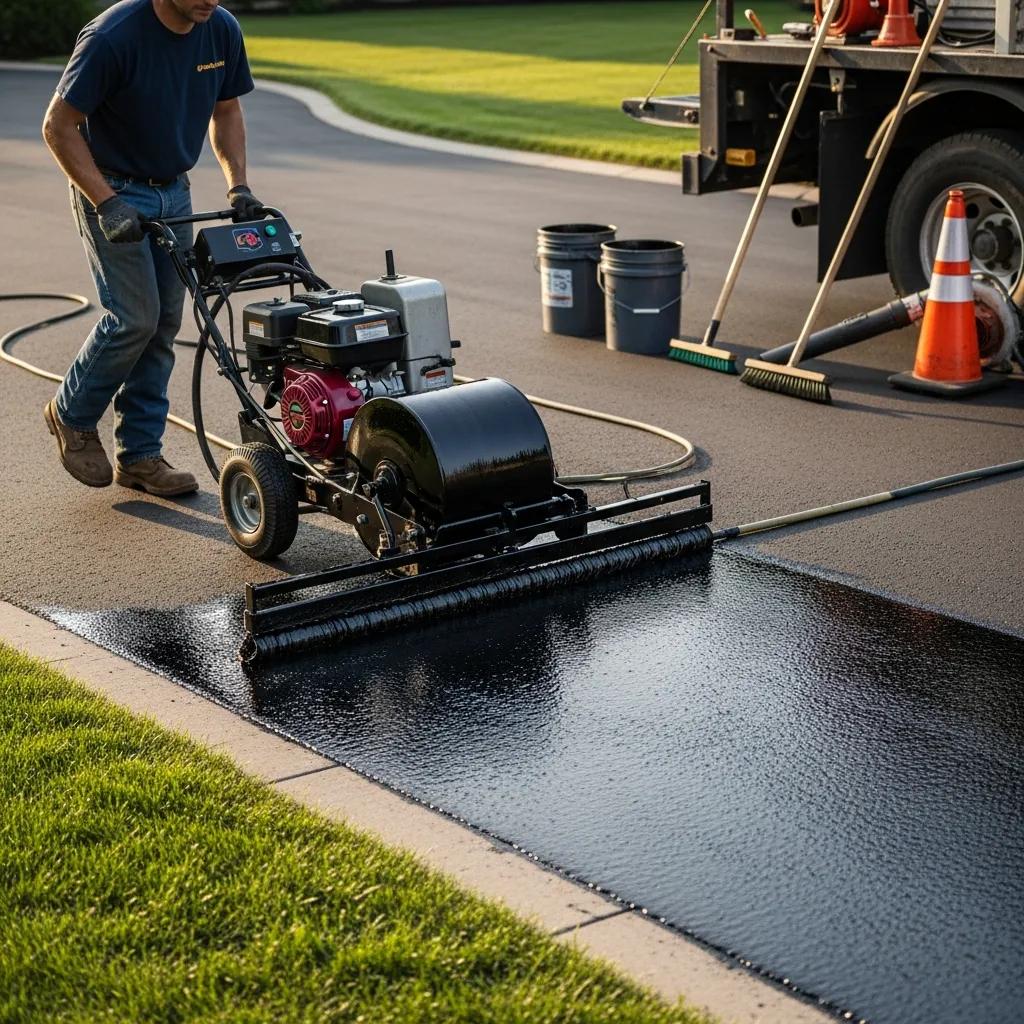
Professional applying sealant to asphalt driveway using sealcoating machine, enhancing durability and appearance for maintenance.

Sealing an asphalt driveway is crucial for maintaining its appearance and extending its lifespan. It is generally recommended to seal your driveway every 2 to 4 years, depending on factors such as climate, traffic, and the condition of the asphalt. Sealcoating provides a protective layer that shields the asphalt from UV rays, moisture, and chemicals, preventing deterioration.

What Are the Benefits of Asphalt Driveway Sealcoating?

Sealcoating offers several benefits for asphalt driveways. First, it protects the surface from the damaging effects of the elements, including rain, snow, and sunlight. Second, sealcoating can significantly extend the lifespan of the driveway by preventing cracks and potholes from forming. Lastly, it enhances the appearance of the driveway, giving it a fresh, black finish that improves curb appeal.

Which Asphalt Driveway Sealers Are Most Effective in 2024?

In 2024, several sealers are recognized for their effectiveness in protecting asphalt driveways. High-quality sealers typically contain either coal tar or asphalt emulsion, providing excellent durability and resistance to wear. Some top-rated sealers include:

  1. Coal Tar Sealer: Known for its longevity and resistance to chemicals, making it ideal for high-traffic areas, but it has environmental concerns and is restricted in some regions.
  2. Asphalt Emulsion Sealer: Offers good protection and is more environmentally friendly, suitable for residential use.
  3. Rubberized Sealer: Provides enhanced flexibility and crack resistance, making it a great choice for areas with extreme temperature fluctuations.

What Are the Best Methods for Asphalt Driveway Crack Repair?
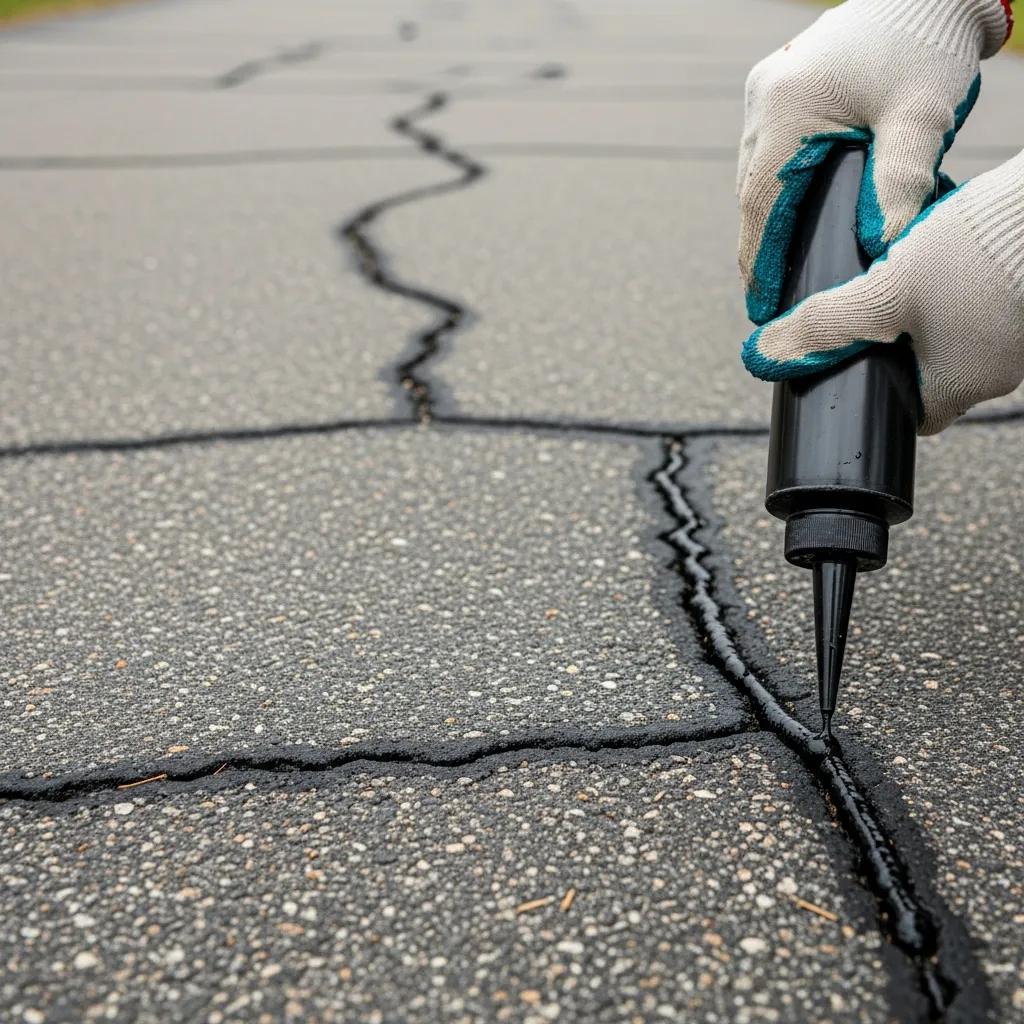
Person using a crack filler tool to repair asphalt driveway cracks, focusing on effective maintenance techniques for prolonging driveway lifespan.

Repairing cracks in an asphalt driveway is essential to prevent further damage and extend its lifespan. The best methods for crack repair include filling and sealing. Filling involves using a crack filler to seal small cracks, while sealing is used for larger cracks to prevent water infiltration. Resurfacing is a more extensive repair method that involves applying a new layer of asphalt over the existing surface and is typically used when the driveway has widespread damage.

For those seeking to understand the most effective strategies, research from organizations like the Colorado Department of Transportation offers valuable insights into best practices for asphalt crack sealing and filling.

Best Practices for Asphalt Crack Sealing & Filling

The proposed guidance presented in Appendix D can be used by CDOT to monitor, evaluate, and document the effectiveness of crack sealing and filling practices. This guidance can

Colorado Department of Transportation hot-mix asphalt crack sealing and filling best practices guidelines., 2014

How Do Crack Fillers Repair and Extend Driveway Lifespan?

Crack fillers work by penetrating the cracks and creating a seal that prevents water from entering and causing further damage. They are typically made from asphalt-based or rubberized materials that expand and contract with temperature changes, ensuring a durable repair. By effectively sealing cracks, these fillers help extend the lifespan of the driveway by preventing the formation of larger cracks and potholes.

Can You Repair Asphalt Driveway Cracks Yourself or Should You Hire a Contractor?

Homeowners can choose to repair asphalt driveway cracks themselves or hire a professional contractor. DIY repairs can be cost-effective and straightforward for small cracks, using products available at home improvement stores. However, for larger cracks or extensive damage, hiring a contractor is advisable, as they have the expertise and equipment to ensure a proper repair.

What Are the Top Maintenance Tips to Prolong Asphalt Driveway Life?

Regular maintenance is key to prolonging the life of an asphalt driveway. Here are some essential tips:

  1. Regular Cleaning: Keep the surface clean by removing debris, leaves, and dirt to prevent staining and deterioration.
  2. Timely Sealing: Schedule sealcoating every 2 to 4 years to protect the asphalt from the elements.
  3. Avoid Heavy Loads: Limit the weight of vehicles parked on the driveway to prevent sagging and cracking.

How Does Regular Sealing and Cleaning Protect Your Asphalt Driveway?

Regular sealing and cleaning protect your asphalt driveway by preventing the accumulation of dirt and debris that can lead to staining and deterioration. Sealcoating creates a barrier against moisture and UV rays, which can cause the asphalt to break down over time. By maintaining a clean and sealed surface, homeowners can significantly extend the lifespan of their driveways.

What Environmental Factors Affect Asphalt Driveway Durability?

Several environmental factors can impact the durability of asphalt driveways. Temperature fluctuations can cause the asphalt to expand and contract, leading to cracks. Moisture from rain or snow can infiltrate the surface, causing damage during freeze-thaw cycles. Additionally, exposure to UV rays can degrade the asphalt binder, leading to surface wear. Understanding these factors can help homeowners take proactive measures to protect their driveways.

How Do You Choose the Right Asphalt Driveway Contractors and Understand Costs?

Choosing the right contractor for your asphalt driveway project is crucial for ensuring quality work. Start by researching local contractors and checking their reviews and ratings. It’s essential to ask for references and verify their experience in asphalt installation. Understanding the cost breakdown for asphalt driveway services can also help you make informed decisions.

What Should You Look for When Hiring Asphalt Driveway Contractors?

When hiring asphalt driveway contractors, consider the following factors:

  1. Licensing and Insurance: Ensure the contractor is licensed and carries liability insurance to protect against potential damages.
  2. Experience in the Field: Look for contractors with a proven track record in asphalt installation and repair.
  3. Customer Reviews: Check online reviews and ask for references to gauge the contractor's reputation and quality of work.

What Is the Typical Cost Breakdown for Asphalt Driveway Services?

The cost of asphalt driveway services can vary based on several factors, including the size of the driveway, the quality of materials used, and the complexity of the installation. Typically, homeowners can expect to pay between $3 to $6 per square foot for installation. Additional costs may include:

  • Site Preparation: $1 to $3 per square foot
  • Sealing: $0.10 to $0.30 per square foot
  • Repair Services: $1 to $4 per linear foot for crack filling

Understanding these costs can help homeowners budget effectively for their asphalt driveway projects.