
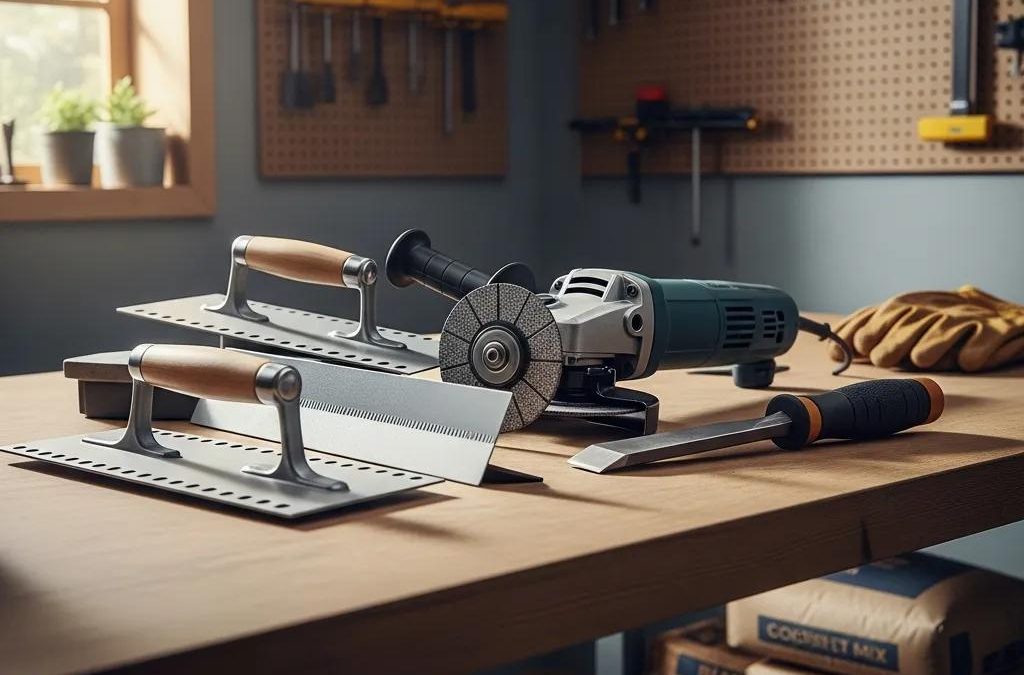
Essential Tools for DIY Concrete Repair
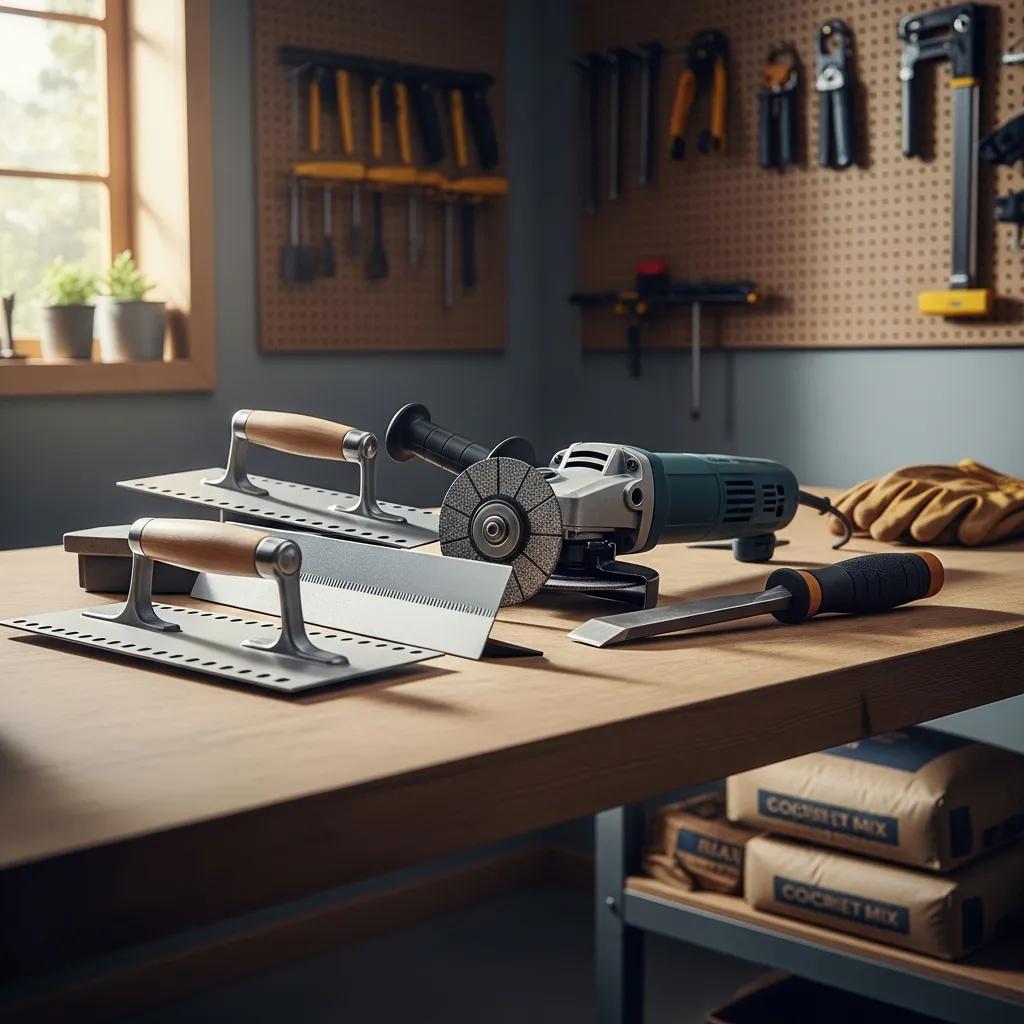
Must-Have Tools for DIY Concrete Repair Projects
What Are the Must-Have Concrete Crack Repair Tools?
How Do Trowels and Floats Help in Concrete Crack Repair?
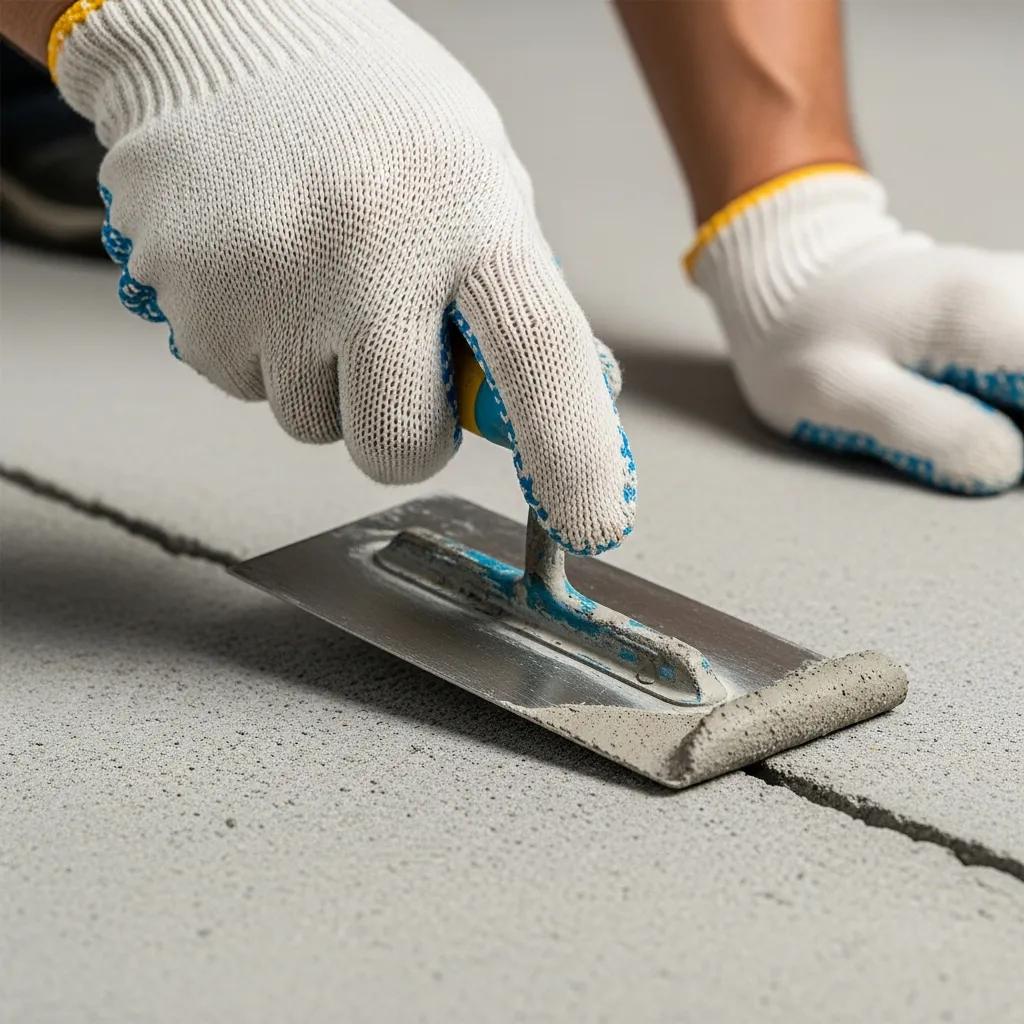
Which Grinders and Chisels Are Best for Preparing Cracks?
Which Concrete Repair Materials and Kits Should You Use?
Comprehensive Concrete Repair Materials & Techniques
Several types of materials and techniques are available for repairing of exiting deteriorated reinforced concrete beams. In this paper, causes of deterioration of concrete as well as repairing by using cement grout, mortar, concrete, sprayed concrete or shotcrete, epoxy, ferrocement with mortar, Fiber Reinforced Polymer (FRP) Sprayed Fiber Reinforced Polymer (SFRP) and the techniques of applying of these materials and also some resin based materials for bonding agent between interface of old concrete and newconcrete are reported.
A review of the repair of reinforced concrete beams, MH Kabir, 2006
What Are the Benefits of Epoxy and Bonding Agents in Repairs?
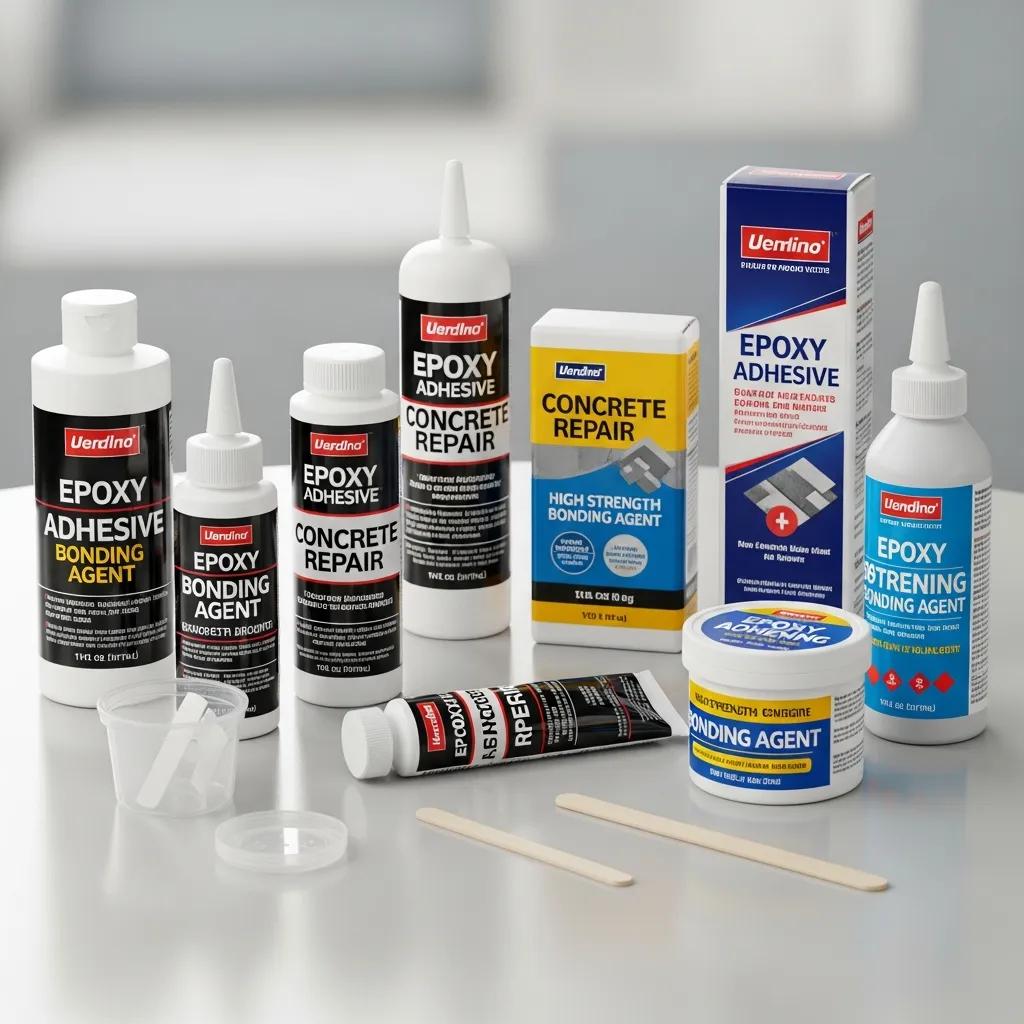
How to Choose the Right Concrete Patching Materials and Kits?
- Type of Crack: Determine if the crack is structural or non-structural (cosmetic).
- Material Compatibility: Ensure the patching material is compatible with existing concrete.
- Weather Resistance: Choose materials that can withstand local weather conditions.
What Surface Preparation Tools Are Essential for Durable Repairs?
Why Is Proper Surface Cleaning Important Before Repair?
Which Tools Help in Resurfacing and Smoothing Concrete?
What Safety Equipment Is Necessary for DIY Concrete Repair?
How to Protect Yourself Using Gloves, Masks, and Eye Protection?
What Are Best Practices for Safe Handling of Repair Materials?
- Read Labels: Always read the safety data sheets for materials to understand hazards.
- Use Proper Tools: Utilize tools designed for handling heavy materials to prevent strain.
- Store Safely: Keep materials in a cool, dry place away from direct sunlight.
How to Perform Step-by-Step DIY Concrete Repair Using Essential Tools?
What Are the Key Steps in Repairing Concrete Cracks at Home?
- Assess the Damage: Identify the type and extent of the cracks.
- Prepare the Surface: Clean the area thoroughly and remove any loose debris.
- Apply Repair Material: Use a trowel to apply the repair material, ensuring it fills the crack completely.
- Finish the Surface: Use a float to smooth the surface and blend it with the surrounding concrete.
- Cure the Repair: Allow the repair to cure as per the manufacturer's instructions for optimal results.
How to Use Tools and Materials Effectively for Long-Lasting Repairs?
| Tool | Purpose | Recommended Use |
|---|---|---|
| Trowel | Apply and smooth repair material | Use for filling cracks and leveling surfaces |
| Float | Finish the surface | Smooth out the surface after applying repair material |
| Grinder | Prepare cracks | Remove loose concrete and create clean edges |
| Epoxy Kit | Fill and bond cracks | Use for strong adhesion and durability |
| Repair Kit | Type | Key Features |
|---|---|---|
| Epoxy Kit | Structural | High strength, moisture-resistant |
| Patching Compound | Cosmetic | Quick-setting, easy to apply |
| Concrete Resurfacer | Surface | Smooth finish, blends with existing concrete |