
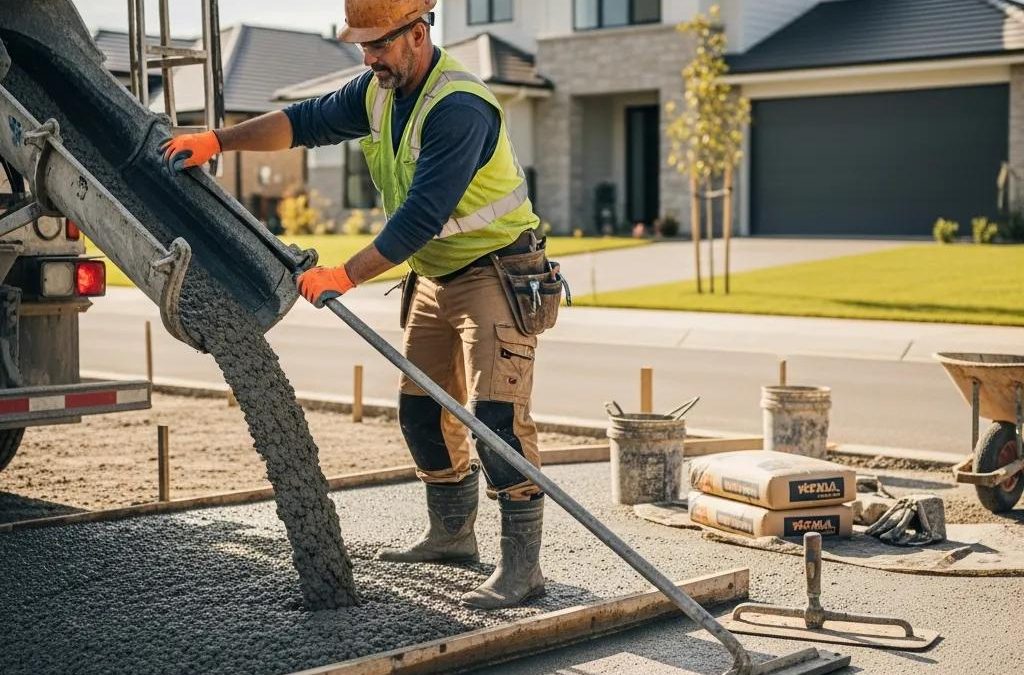
Find Trusted Residential Cement Contractors Near You

How to Choose the Best Licensed Residential Cement Contractor Near You
Choosing the right residential cement contractor is crucial for ensuring the quality and durability of your concrete projects. With numerous options available, it can be overwhelming to determine which contractor is best suited for your needs. This article will guide you through the essential steps to select a licensed expert, understand estimates, and leverage customer reviews effectively. By focusing on key factors such as licensing, pricing, and project types, you can make an informed decision that aligns with your project goals. We will explore how to verify contractor credentials, what to expect in terms of pricing, and the types of projects these professionals can handle.
How Can You Verify Licensed Cement Contractors Near You?
Verifying the credentials of residential cement contractors is a critical step in ensuring you hire a qualified professional. This process involves checking their licensing and insurance status, which protects you from potential liabilities. Understanding the importance of these credentials can help you avoid hiring unqualified contractors who may compromise the quality of your project.
What Are the Key Licensing and Insurance Requirements for Residential Cement Contractors?
Each state has specific licensing requirements for residential cement contractors, which typically include proof of experience, passing a licensing exam, and maintaining liability insurance. For instance, many states require contractors to carry general liability insurance to cover any damages that may occur during the project. Hiring unlicensed contractors can lead to significant risks, including subpar work and financial liabilities.
While licensing is often seen as a safeguard for quality, some research suggests a more nuanced view on its direct impact on construction quality.
Residential Contractor Licensing & Construction Quality
The main topic in the licensing debate is whether licensing affects construction quality. Available literature and previous studies indicate that it does not. The real question is not whether licensing improves quality, but whether the improving quality is the actual purpose of licensing. There is little information available on the purpose of licensing as defined by state licensing departments as well as a general lack of information on how states evaluate whether licensing is fulfilling the intended purpose.
The Purposes and Evaluation Methods for State Residential General Contractor Licensing, 2005
How to Check Contractor Credentials with Local Licensing Authorities?
To verify a contractor’s credentials, you can contact local licensing authorities or use online verification tools. Start by visiting your state’s contractor licensing board website, where you can search for the contractor’s name or license number. Additionally, ensure you have the necessary documentation, such as the contractor’s business name and address, to facilitate the verification process.
What Should You Know About Cement Contractor Estimates and Pricing?

Understanding how estimates and pricing work is essential for budgeting your cement project effectively. Various factors influence the cost of residential cement services, including materials, labor, and project complexity. By grasping these elements, you can obtain accurate estimates and avoid unexpected expenses.
How Are Residential Cement Project Costs Calculated?
Residential cement project costs are typically calculated based on several factors, including the size of the project, the type of materials used, and labor costs. For example, a standard concrete driveway installation may cost between $3 to $15 per square foot, depending on the complexity and finish. It’s important to request detailed breakdowns of estimates to understand how costs are allocated.
Understanding the various elements that contribute to project costs is crucial, and research further highlights the key drivers influencing the accuracy of these early-stage estimates.
Accuracy Drivers for Residential Construction Estimates
cost drivers and factors that contribute to the accuracy of estimates in residential construction projects
Drivers of the accuracy of developers’ early stage cost estimates in residential construction, MP Nepal, 2016
What Are the Recent Pricing Trends and Regional Variations for Cement Services?
Recent trends indicate that cement prices have been fluctuating due to supply chain issues and increased demand for construction services. In some regions, prices have risen by as much as 10-20% over the past year. Understanding these trends can help you anticipate costs and make informed decisions when selecting a contractor.
This table illustrates the average costs associated with different types of residential cement projects, highlighting the importance of regional variations in pricing.
Which Questions Should You Ask Before Hiring a Residential Cement Contractor?
Asking the right questions can help you assess the experience and reliability of potential contractors. This section outlines key inquiries that can provide insight into their qualifications and work quality.
What Interview Questions Help Assess Contractor Experience and Work Quality?
When interviewing contractors, consider asking the following questions:
- How many years have you been in business? This helps gauge their experience level.
- Can you provide a portfolio of past work? Reviewing previous projects can showcase their capabilities.
- Do you have references from previous clients? Speaking with past clients can provide valuable insights into their work ethic and quality.
How to Evaluate Contractor Warranties and Insurance Coverage?
Understanding the warranties and insurance coverage offered by contractors is essential for protecting your investment. Inquire about the types of warranties provided, such as workmanship guarantees and material warranties. Additionally, ensure that the contractor has adequate insurance coverage to protect against potential damages during the project.
What Types of Residential Cement Projects Can Contractors Handle?

Residential cement contractors are equipped to handle a variety of projects, each requiring specific skills and expertise. Knowing the types of projects they can manage will help you determine if they are the right fit for your needs.
What Are Common Residential Concrete Projects Like Driveways and Patios?
- Driveways: Essential for vehicle access, often requiring durable materials.
- Patios: Outdoor spaces for relaxation and entertainment, available in various designs.
- Walkways: Pathways that enhance property aesthetics and functionality.
How Do Sustainable Concrete Solutions Impact Project Choices?
Sustainable concrete solutions, such as using recycled materials or eco-friendly mixes, are becoming increasingly popular. These options not only reduce environmental impact but can also lead to cost savings in the long run. Discussing sustainable practices with your contractor can help you make informed choices that align with your values.
How Can You Use Cement Contractor Reviews to Make an Informed Choice?
Customer reviews are a valuable resource when selecting a residential cement contractor. They provide insights into the contractor’s reliability, quality of work, and customer service.
Where to Find Reliable Local Cement Contractor Reviews and Ratings?
You can find reliable reviews on various platforms, including:
- Online review sites: Websites like Yelp and Angie’s List offer customer feedback.
- Local directories: Many local business directories feature customer ratings and reviews.
- Word of mouth: Recommendations from friends and family can lead you to trustworthy contractors.
How to Interpret Customer Testimonials and Review Aggregators Effectively?
When reading reviews, look for patterns in feedback. Positive testimonials often highlight consistent quality and customer satisfaction, while negative reviews may point to specific issues. Be cautious of overly positive reviews that lack detail, as they may not provide a complete picture of the contractor’s capabilities.
By following these guidelines, you can confidently choose the right residential cement contractor for your project, ensuring quality workmanship and satisfaction.