
Fix Big Cracks in Concrete: Your Essential Repair Guide
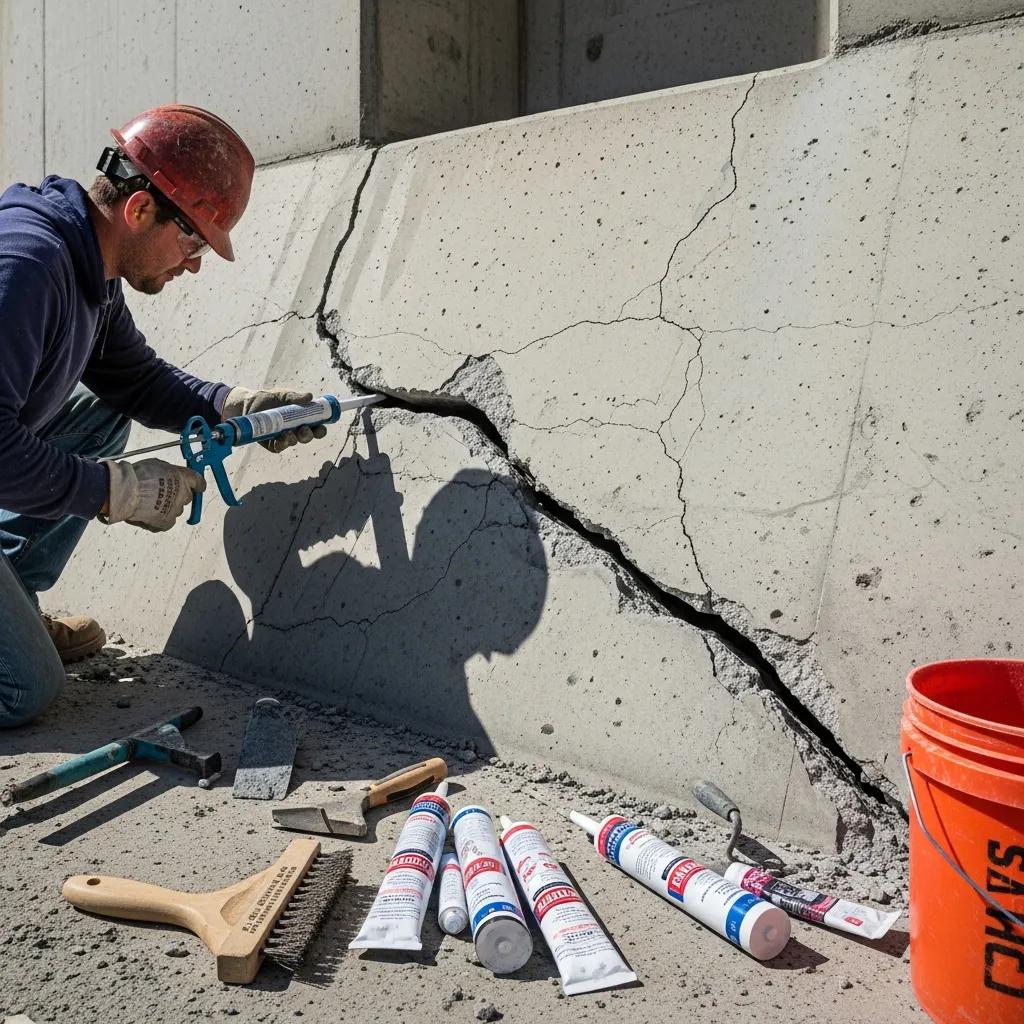
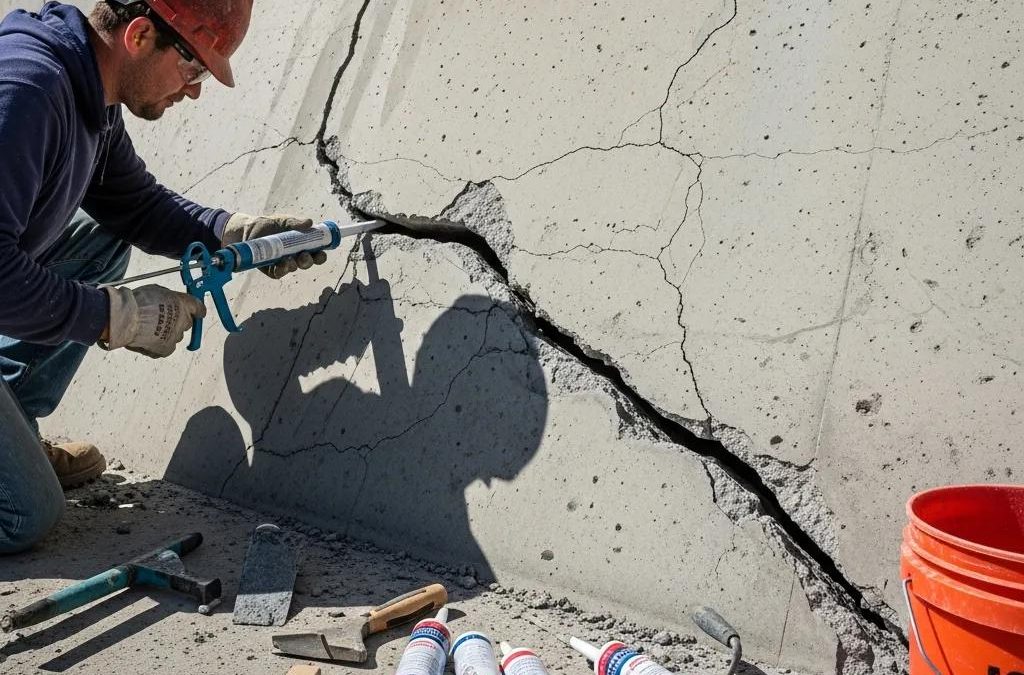
Construction worker using sealant to repair large concrete crack, surrounded by repair tools and materials, emphasizing effective concrete crack repair methods.

Effective Concrete Crack Repair Methods for Large Cracks in Big Concrete Structures

Large concrete structures are often susceptible to various types of cracks, which can compromise their integrity and safety. Understanding the effective methods for repairing these cracks is crucial for maintaining structural stability and longevity. This article will explore the common types of large concrete cracks, the best materials for repair, step-by-step techniques for effective sealing, cost considerations, and maintenance practices to prevent future issues. By the end, readers will gain valuable insights into fixing big cracks in concrete and ensuring the durability of their structures.

What Are the Common Types of Large Concrete Cracks?

Large concrete cracks can be categorized into several types, each with distinct characteristics and implications for structural integrity. The most common types include shrinkage cracks, settlement cracks, and structural cracks. Identifying these cracks early is essential to prevent further damage and ensure effective repair.

How to Identify Wide and Structural Concrete Cracks

Identifying wide and structural cracks involves several measurement techniques and visual inspections. Wide cracks typically exceed 1/8 inch in width and may indicate significant underlying issues. Signs of structural damage include uneven surfaces, misaligned walls, and visible displacement. Regular inspections can help detect these issues early, allowing for timely intervention.

What Risks Do Large Concrete Cracks Pose?

Large concrete cracks pose several risks, including potential water intrusion, which can lead to further deterioration of the structure. Additionally, these cracks can compromise the structural stability of the building, increasing the risk of collapse or severe damage during adverse weather conditions. Addressing these cracks promptly is vital to maintaining safety and integrity.

Which Repair Materials Are Best for Large Concrete Crack Filling?

When it comes to filling large concrete cracks, several repair materials are available, each with its own advantages. Common options include epoxy injection, polyurethane foam, and cementitious repair mortars. Understanding the properties and effectiveness of these materials is crucial for selecting the right solution for specific repair needs.

Indeed, selecting the most suitable repair method is a critical decision that impacts both structural performance and economic considerations.

Comprehensive Review of Concrete Structure Repair Methods

ABSTRACT: AbstractConcrete is a very critical material that may require maintenance and possible repair periodically, especially in important structure such as bridges. In general, concrete in structures (e.g. reinforced concrete) may be subjected to cracks due to a variety of reasons. These include, design and external environments such as the ingress of harmful ions into the concrete, unexpected extra loads including earthquakes. These cracks can affect not only the appearance of the structure but more importantly the structural performance of concrete and the integrity of the concrete structure. Therefore, when cracks occur a proper repair method should be selected, based on the intended performance of the structure and economy. This should be taken into consideration while choosing the repair method in order to end up with a structure that can serve for the intended service life. The type of crack, its location, dimensions, and many other factors shall be taken into account while selecting t

Methods and surface materials repair for concrete structures–A review, LW ElKhatib, 2023

How Do Epoxy Injection and Polyurethane Foam Compare?
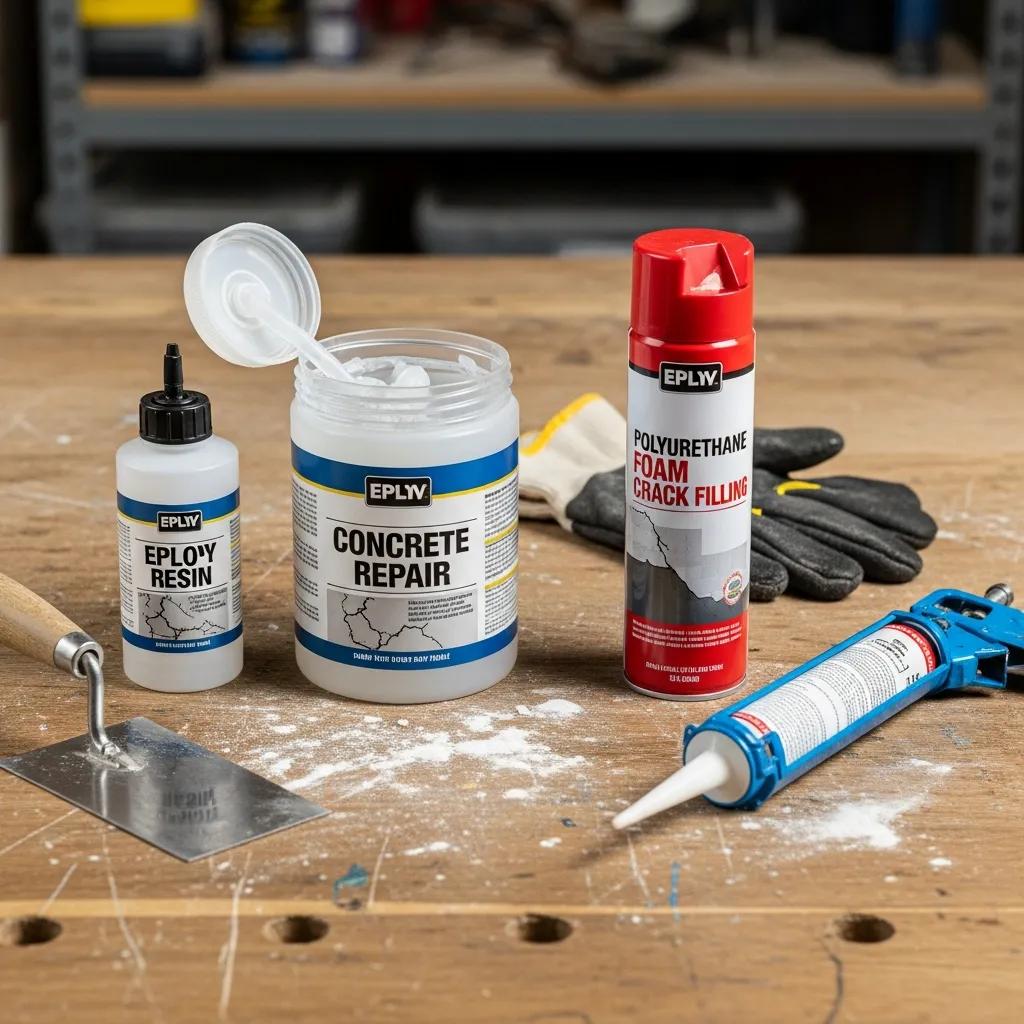
EPLY concrete repair products including epoxy resin, polyurethane foam crack filling, and a trowel on a workbench, illustrating effective methods for repairing large concrete cracks.

Epoxy injection and polyurethane foam are two popular methods for repairing large concrete cracks. Epoxy injection is known for its durability and strength, making it ideal for structural repairs. In contrast, polyurethane foam is flexible and can expand to fill voids, making it suitable for active or leaking cracks. Both methods have their pros and cons, and the choice depends on the specific requirements of the repair.

Repair MethodDurabilityFlexibilityApplication Method
Epoxy InjectionHighLowInjection into cracks
Polyurethane FoamModerateHighInjection or spray

This comparison highlights the strengths of each method, helping property owners make informed decisions about their repair options.

What Are the Advantages of Concrete Resurfacing Products?

Concrete resurfacing products offer several advantages for repairing surface damage and minor cracks. They can improve the aesthetic appearance of the surface while providing a protective layer against future damage. Additionally, resurfacing can extend the lifespan of the concrete by sealing minor imperfections and preventing water infiltration. These products are often cost-effective and easy to apply, making them a popular choice for many property owners. However, resurfacing is generally not suitable for repairing large structural cracks.

Proven Methods to Repair Large Cracks in Concrete Structures

Repairing wide concrete cracks requires a systematic approach to ensure effective sealing and long-lasting results. The process typically involves preparation, application of the repair material, and post-repair maintenance.

How to Prepare and Clean Large Concrete Cracks Before Repair

Before applying any repair material, it is essential to prepare and clean the cracks thoroughly. This involves removing any loose debris, dust, or contaminants from the crack surface. Using a wire brush, compressed air, or pressure washer can help ensure a clean surface for optimal adhesion of the repair material.

What Tools Are Required for Effective Crack Sealing?

Effective crack sealing requires specific tools to ensure proper application. Essential tools include a caulking gun for applying sealants, an injection gun for epoxy or polyurethane, a trowel for smoothing the surface, and a wire brush for cleaning. Additionally, safety gear such as gloves and goggles should be worn to protect against any harmful materials.

How Much Does Repairing Big Concrete Cracks Cost?

The cost of repairing large concrete cracks can vary significantly based on several factors, including the type of repair method used, the extent of the damage, and labor costs. Understanding these factors can help property owners budget effectively for their repair projects.

What Factors Influence Concrete Crack Repair Costs?

Several factors influence the costs associated with concrete crack repair. Material costs, labor rates, and the complexity of the repair all play a role in determining the final price. For instance, epoxy injection may be more expensive than polyurethane foam due to its durability and strength. Additionally, if extensive preparation work is required, this can increase labor costs.

How to Budget for Large Crack Repair Projects

When budgeting for large crack repair projects, it is essential to consider both material and labor costs. Property owners should obtain multiple quotes from contractors to ensure competitive pricing. Additionally, setting aside a contingency fund for unexpected expenses can help manage costs effectively.

How Can You Maintain and Prevent Future Large Concrete Cracks?

Preventing future large concrete cracks involves implementing regular maintenance practices and proactive measures. By addressing potential issues early, property owners can extend the lifespan of their concrete structures.

What Maintenance Practices Extend Concrete Durability?
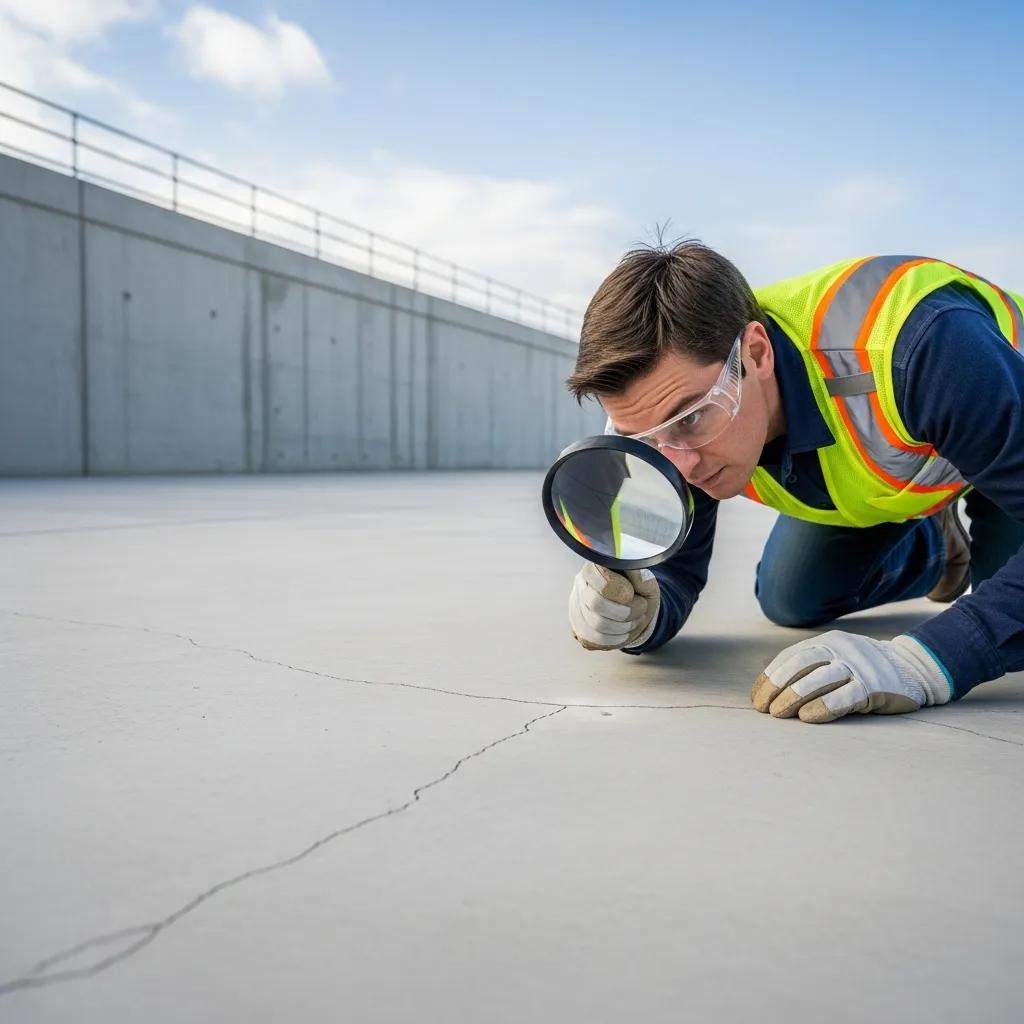
Property owner inspecting concrete surface for cracks with magnifying glass, emphasizing maintenance and durability in concrete structures.

Routine maintenance practices, such as regular inspections and sealing, can significantly extend the durability of concrete. Property owners should inspect their structures for signs of wear and tear, addressing any issues promptly. Additionally, applying sealants can help protect against moisture infiltration and freeze-thaw cycles.

Which Prevention Methods Reduce Crack Formation?

Several prevention methods can help reduce the formation of cracks in concrete. Proper drainage systems can prevent water accumulation, while temperature control measures can minimize the effects of thermal expansion and contraction. Implementing these strategies can significantly enhance the longevity of concrete structures.

GDPR compliance logo on blue background, indicating privacy and cookie management for Morici Bros Concrete website.
Privacy Overview

This website uses cookies so that we can provide you with the best user experience possible. Cookie information is stored in your browser and performs functions such as recognising you when you return to our website and helping our team to understand which sections of the website you find most interesting and useful.