
How to Choose the Best Concrete Contractor

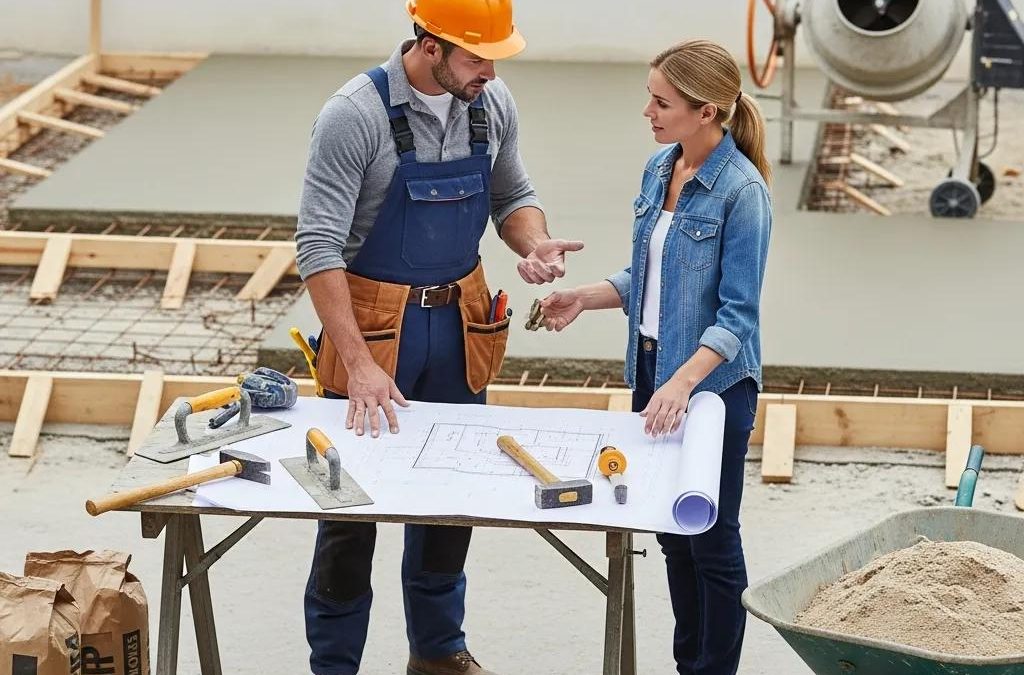
Concrete contractor discussing project plans with homeowner at a construction site, featuring blueprints and tools, emphasizing the importance of choosing a reliable contractor.

Expert Tips to Vet & Hire the Best Local Concrete Contractor

Choosing the right concrete contractor is crucial for ensuring the success of your construction project. With numerous options available, it can be overwhelming to determine which contractor will meet your needs effectively. This guide will provide you with expert tips on how to vet and hire the best concrete contractor near you. You will learn about the key qualifications to look for, essential questions to ask during the vetting process, typical pricing factors, and how to read and use contractor reviews effectively. By understanding these aspects, you can make an informed decision that aligns with your project requirements and budget.

Many homeowners and businesses face challenges when selecting a concrete contractor, often leading to costly mistakes. This article aims to alleviate those concerns by offering a structured approach to contractor selection. We will explore the qualifications of licensed concrete contractors, the vetting process, pricing factors, the importance of reviews, and the benefits of hiring local contractors.

Indeed, the process of selecting the ideal contractor is often a complex, multi-faceted decision, as highlighted by research in the field.

Multi-Criteria Decision Making for Best Contractor Selection

Completing construction projects in time requires highly integrated contractor selection processes. Selecting the ‘best’ contractor is a multi-criteria and multi-group hard decision-making problem. The decision makers (DMs) usually do not have a joint interest in achieving agreement on choosing the best contractor.

Contractor selection for construction projects using consensus tools and big data, O Taylan, 2018

What Are the Key Qualifications of Licensed Concrete Contractors?
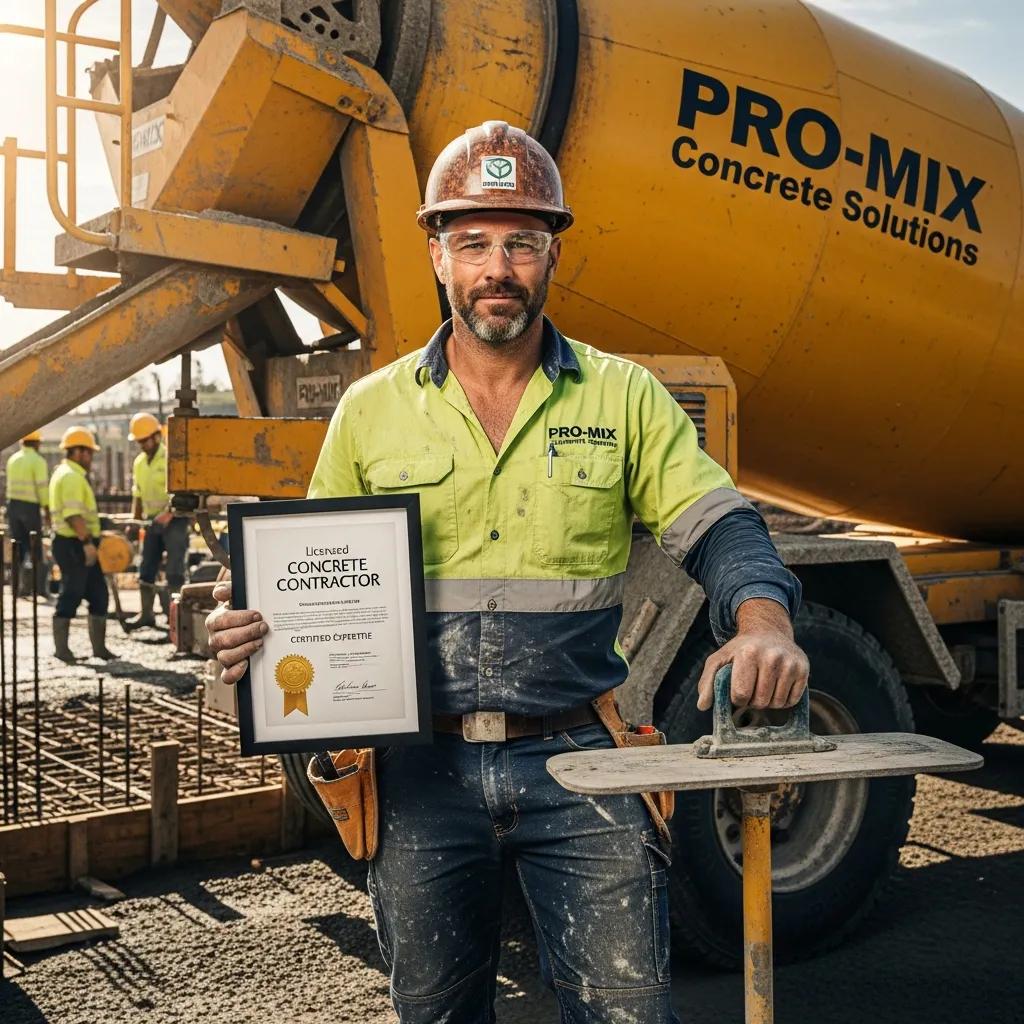
Licensed concrete contractor holding certification at construction site with concrete mixer and workers in background.

Licensed concrete contractors must meet specific qualifications to ensure they can deliver quality work. These qualifications typically include proper licensing, certifications, and insurance coverage. Understanding these requirements is essential for selecting a reliable contractor who can handle your project effectively.

Identifying and evaluating these specific criteria is a fundamental step in the contractor selection process, as various studies emphasize the importance of a comprehensive approach.

Key Criteria for Contractor Selection Process

Identification of relevant CSC is an important aspect of the contractor selection process. An initial list of 102 CSCs were selected based on the review of various literature regarding CSC

Contractor selection criteria: investigation of opinions of Singapore construction practitioners, D Singh, 2006

Which Certifications and Licenses Should You Verify?

When hiring a concrete contractor, it is vital to verify their certifications and licenses. Key certifications to look for include:

  1. State Licensing: Ensure the contractor holds a valid state license, which indicates they have met the necessary legal requirements to operate in your state or locality.
  2. Specialized Certifications: Look for certifications from recognized organizations, such as the American Concrete Institute (ACI), which demonstrate expertise in specific areas of concrete work.
  3. Safety Certifications: Verify that the contractor has safety certifications, such as OSHA (Occupational Safety and Health Administration) training, ensuring they adhere to industry safety standards.

Verifying these credentials helps ensure that the contractor is qualified to perform the work you need.

Why Is Insurance Essential for Concrete Contractors?

Insurance is a critical aspect of hiring a concrete contractor. It protects both you and the contractor from potential liabilities. Key types of insurance to check include:

  1. General Liability Insurance: This covers damages or injuries that may occur during the project, protecting you from financial loss.
  2. Workers' Compensation Insurance: This insurance protects you from liability if a worker is injured on your property while working on the project.
  3. Professional Liability Insurance (also known as Errors and Omissions Insurance): This covers any errors or omissions in the contractor's work, providing additional peace of mind. Note that not all concrete contractors carry this insurance, but it can be beneficial for design-build or consulting services.

Ensuring that your contractor has adequate insurance coverage is essential for safeguarding your investment.

How to Vet a Concrete Contractor: Essential Questions to Ask

Vetting a concrete contractor involves asking the right questions to assess their experience, reliability, and communication skills. This process is crucial for ensuring that you hire a contractor who can meet your project needs effectively.

What Should You Ask About Experience and Past Projects?

When evaluating a contractor’s experience, consider asking the following questions:

  1. How long have you been in business?: This helps gauge their level of experience in the industry.
  2. Can you provide references from past clients?: Speaking with previous clients can give you insight into the contractor's work quality and reliability.
  3. What types of projects have you completed?: Understanding their project history can help you determine if they have experience with similar projects to yours.

These questions will help you assess the contractor’s qualifications and suitability for your project.

How to Assess Contractor Communication and Reliability?

Effective communication is vital for a successful contractor-client relationship. Consider asking:

  1. How do you prefer to communicate?: Understanding their communication style can help set expectations for updates and progress reports.
  2. What is your availability for meetings and site visits?: This will help you gauge their commitment to the project.
  3. How do you handle unexpected issues or changes?: Their response will indicate their problem-solving abilities and flexibility.

Assessing these factors will help you determine if the contractor is reliable and easy to work with.

What Are the Typical Pricing Factors for Concrete Projects?

Understanding the pricing factors for concrete projects is essential for budgeting effectively. Several elements can influence the overall cost of your project, including materials, labor, and project complexity.

How to Understand Concrete Contractor Estimates and Contracts?

When reviewing estimates and contracts, consider the following components:

  1. Detailed Breakdown: Ensure the estimate includes a detailed breakdown of costs, including materials, labor, equipment, and any additional fees.
  2. Payment Terms: Understand the payment schedule and terms outlined in the contract to avoid any surprises.
  3. Timeline: Review the estimated timeline for project completion to ensure it aligns with your expectations.

A clear understanding of these elements will help you make informed decisions regarding your project budget.

What Influences the Cost of Residential vs. Commercial Concrete Services?

The cost of concrete services can vary significantly between residential and commercial projects due to several factors:

  1. Project Size: Commercial projects are often larger in scale, leading to higher overall costs.
  2. Complexity: Commercial projects may involve more complex designs, specifications, and finishing requirements, increasing labor and material costs.
  3. Regulatory Requirements: Commercial projects may be subject to stricter regulations, permits, and inspections, which can impact pricing.

Understanding these differences will help you anticipate costs based on the type of project you are undertaking.

How to Read and Use Concrete Contractor Reviews Effectively

Reading and interpreting contractor reviews is an essential part of the vetting process. Reviews can provide valuable insights into a contractor’s reputation and the quality of their work.

Where to Find Trustworthy Customer Reviews and Testimonials?

To find reliable reviews, consider the following sources:

  1. Online Review Platforms: Websites like Yelp, Angi (formerly Angie's List), and Google Reviews provide customer reviews and ratings for contractors.
  2. Social Media: Check the contractor's social media pages for client feedback and interactions.
  3. Word of Mouth: Ask friends, family, or colleagues for recommendations based on their experiences.

These sources can help you gather a well-rounded view of the contractor’s reputation.

How to Verify References and Past Client Feedback?

When contacting references, consider these steps:

  1. Ask Specific Questions: Inquire about the contractor's work quality, reliability, and communication skills.
  2. Request Project Details: Ask about the scope of the project and any challenges faced during the process.
  3. Follow Up: If possible, visit completed projects to see the quality of work firsthand.

Verifying references will provide additional assurance of the contractor’s capabilities.

Why Choose Local Concrete Contractors and Service Areas Matter

Local concrete contractor engaging with community members at a neighborhood event, showcasing concrete project examples and discussing services with families and children.

Hiring a local concrete contractor can offer several advantages, including familiarity with local regulations and conditions. Understanding these benefits can help you make a more informed decision.

How Does Local Licensing and Compliance Impact Your Project?

Local contractors are typically more familiar with the licensing and compliance requirements specific to your area. This knowledge can help ensure that your project adheres to local codes and regulations, reducing the risk of delays or fines.

What Are the Benefits of Hiring Contractors Familiar with Your Area?

  1. Local Knowledge: They understand the specific environmental conditions and challenges that may affect your project.
  2. Community Ties: Local contractors often have established relationships with suppliers and subcontractors, which can lead to better pricing and service.
  3. Accountability: A local contractor is more likely to be invested in their community and reputation, leading to higher accountability for their work.

By considering these factors, you can make a more informed choice when selecting a concrete contractor for your project.

FactorDescriptionImpact Level
LicensingEnsures compliance with local regulationsHigh
ExperienceIndicates ability to handle project complexitiesHigh
InsuranceProtects against liabilities and risksHigh

This table summarizes the key factors to consider when selecting a concrete contractor, highlighting their importance in ensuring a successful project outcome.

Concrete contracting is a specialized field that requires careful consideration of various factors. By following these guidelines, you can effectively vet and hire the best concrete contractor for your needs, ensuring a successful and satisfactory project outcome.

GDPR compliance logo on blue background, indicating privacy and cookie management for Morici Bros Concrete website.
Privacy Overview

This website uses cookies so that we can provide you with the best user experience possible. Cookie information is stored in your browser and performs functions such as recognising you when you return to our website and helping our team to understand which sections of the website you find most interesting and useful.