
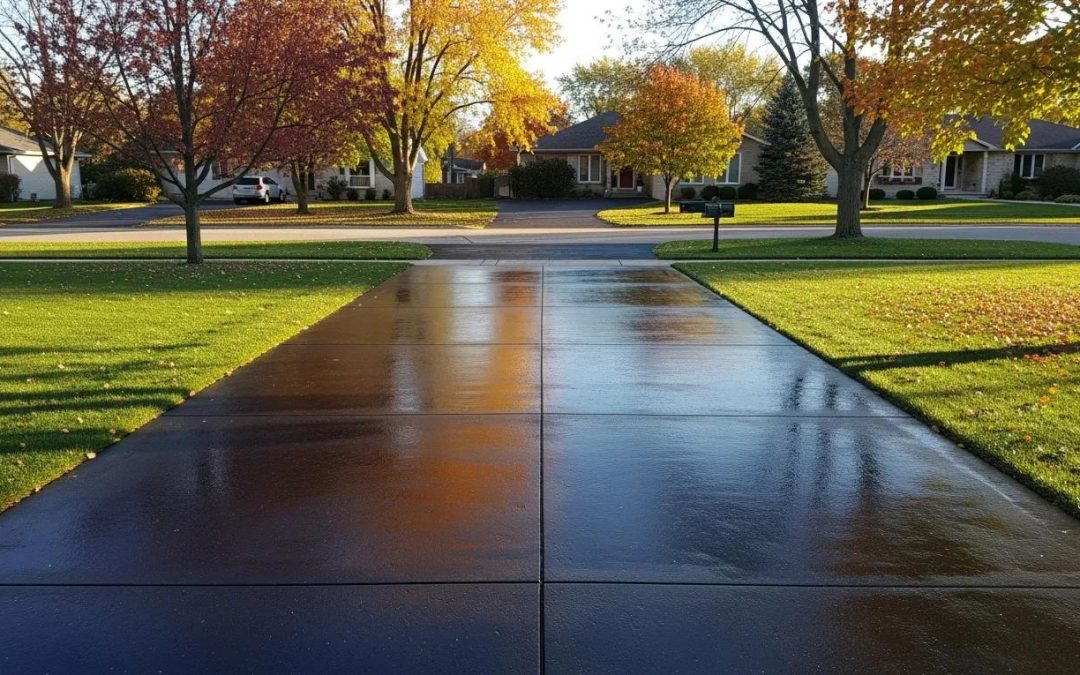
How to Seal Your Concrete Driveway Before a Wisconsin Winter
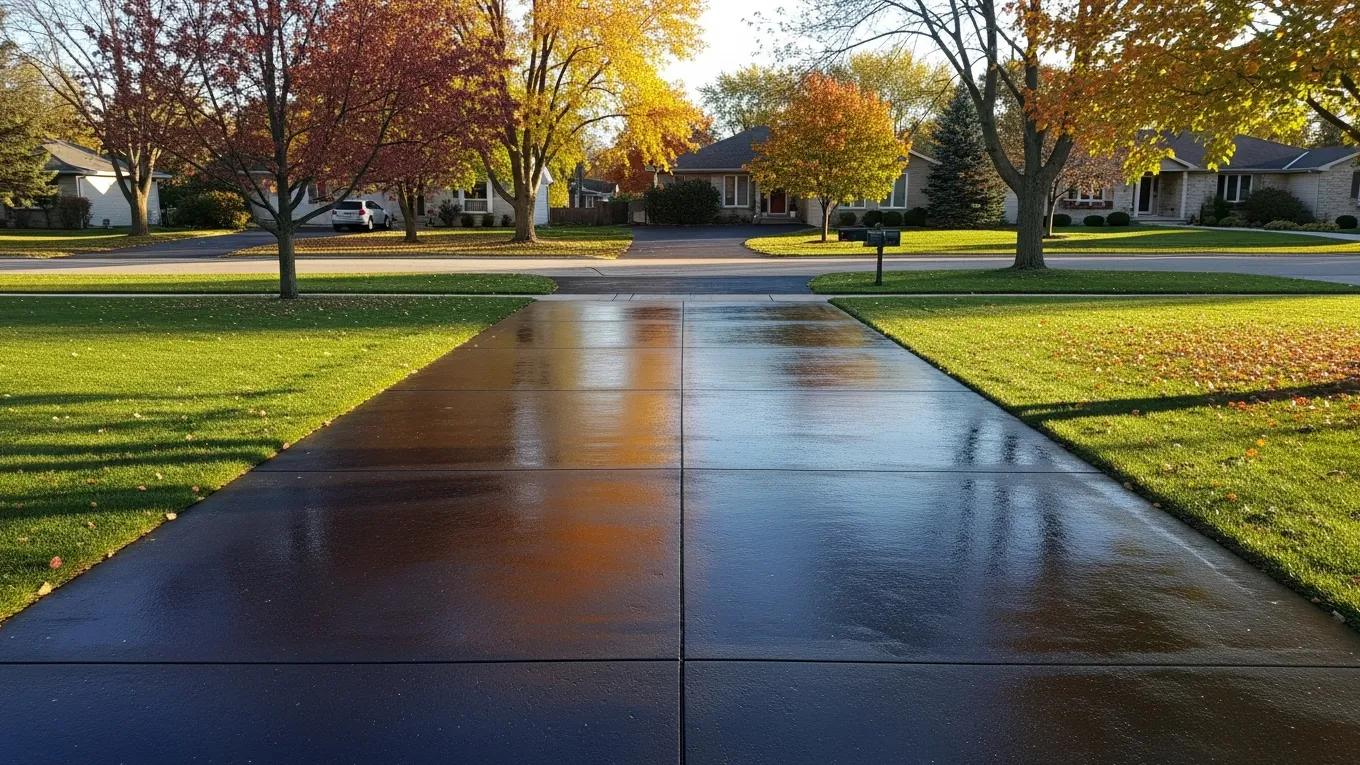
How to Seal Your Concrete Driveway Before a Wisconsin Winter
With Wisconsin winters bringing freeze-thaw cycles and de-icing chemicals, sealing your concrete driveway preserves appearance and prevents deterioration. This concise guide covers protection methods, maintenance, timing, sealer options for cold climates, and preparation steps so your driveway is ready for winter.
Protection Methods
Choose a sealing approach that matches your driveway’s condition and local winter stresses:
- Select the Appropriate Sealer: Acrylics are easy to apply and economical; epoxies and polyurethanes offer stronger moisture and chemical resistance.
- Timing of Application: Apply when temperatures are consistently above 50°F and no rain is forecast for 24 hours to ensure proper curing.
- Surface Preparation: Clean oil, dirt, and debris so the sealer adheres evenly.
For professional driveway sealing, Morici Bros Concrete LLC offers services tailored to winter protection.
Maintenance Practices
Simple, regular maintenance keeps the seal effective and the surface sound:
- Regular Inspections: Look for cracks, discoloration, or surface wear twice a year.
- Cleaning: Sweep and periodically pressure-wash to remove stains and salts.
- Prompt Repairs: Fill cracks early to stop water infiltration before freeze-thaw damage occurs.
Routine checks and cleaning will help the sealer perform through winter months.
Essential Tips for Durability and Longevity
Follow these core practices to extend seal life:
- Sealing Frequency: Reapply every 1–3 years depending on sealer type and wear.
- Avoid Heavy Loads: Keep heavy vehicles off the surface while curing and when possible during freeze-thaw stress.
- Use Proper Curing Methods: Follow manufacturer instructions for drying time and traffic restrictions.
These steps reduce premature wear and maintain protection against Wisconsin weather.
When is the Best Time to Seal Your Concrete Driveway for Wisconsin Winters?
Seal in late summer to early fall so the product cures fully before freezing weather arrives.
How Does Seasonal Timing Affect Concrete Sealing Effectiveness?
Cold temperatures slow curing and weaken adhesion; sealing in warmer months improves bond and long-term performance.
What Weather Conditions Should You Consider Before Sealing?
Prioritize days with stable conditions:
- Temperature Ranges: Consistently above 50°F while curing.
- Humidity Levels: Lower humidity shortens curing time.
- Precipitation Forecasts: Avoid sealing if rain is expected within 24 hours.
What Are the Best Concrete Sealers for Winter Protection in Wisconsin?
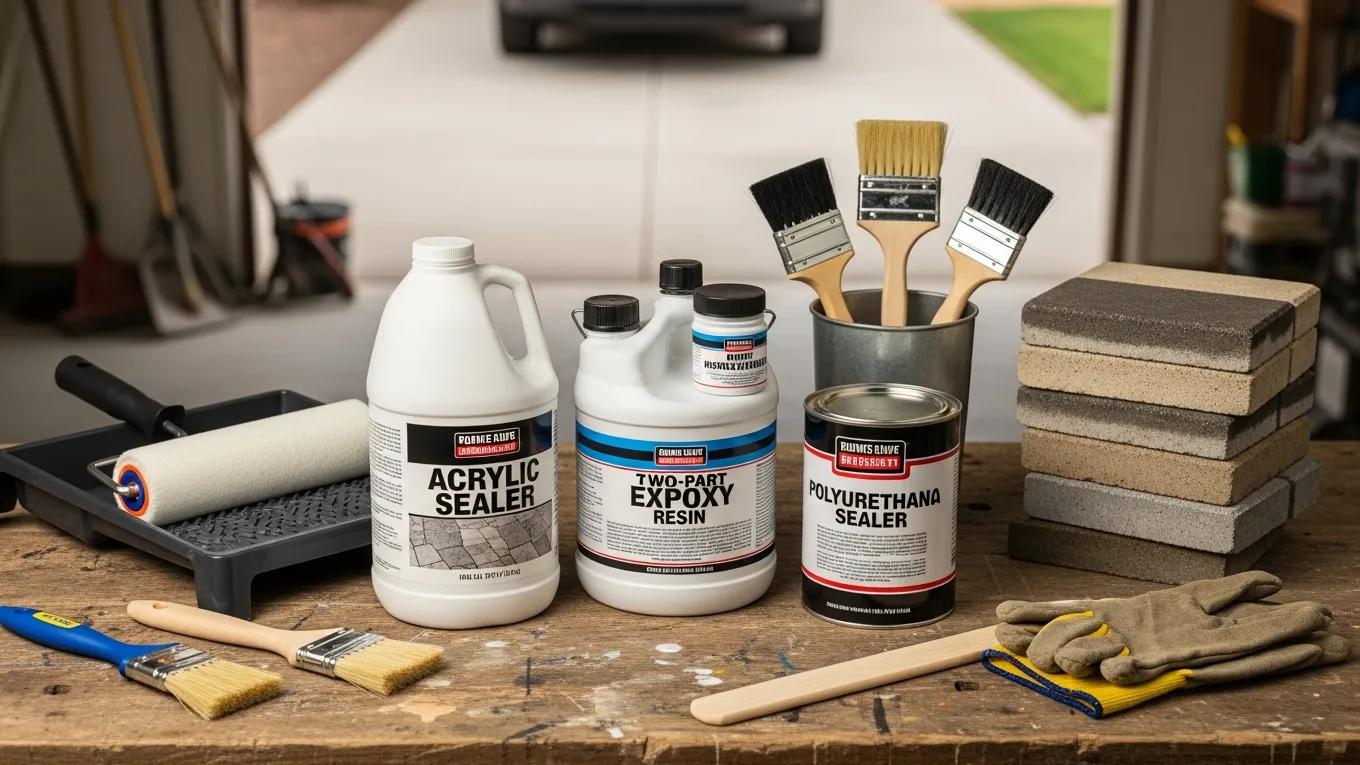
Common, effective options for cold climates include:
- Acrylic Sealers: Easy to apply, moderate protection.
- Epoxy Sealers: Durable, good chemical and moisture resistance.
- Polyurethane Sealers: Very high wear and freeze-thaw resistance.
Choose based on the level of traffic, exposure, and how often you want to reapply the product.
Evaluating Concrete Sealers for Cold Climate Freeze-Thaw Protection
Many hydraulic structures exhibit downstream cracks and surface degradation due to porous and non air-entrained concrete cast only a few decades ago, wetting–drying and freezing–thawing cycles. These degradations could be prevented by minimizing surface saturation and water infiltration by sealing the concrete surface. Many different types of sealers, such as silanes, siloxanes, boiled linseed oil, epoxies, urethanes and cement-based products, are presently available on the market. Consequently, 60 different surface sealers were selected for laboratory evaluation, aimed at minimizing water or moisture infiltration, and to extend the service life of hydraulic structures, besides reducing the harmful effects associated with concrete surface deterioration.
Evaluation of surface sealers for concrete hydraulic structures exposed to low temperatures, J Mirza, 2011
Which Sealant Types Offer Maximum Freeze-Thaw Resistance?
Epoxy and polyurethane systems generally give the best resistance to freeze-thaw and de-icing chemicals, while acrylics provide a basic barrier for light to moderate use.
This comparison helps match product choice to expected exposure and maintenance plans.
How to Choose Sealants Based on Durability and Local Climate?
Consider these criteria when selecting a sealer:
- Durability Considerations: Pick products rated for heavy traffic and chemical exposure if needed.
- Local Climate Factors: Use formulations specified for cold climates to resist freeze-thaw cycles.
- Maintenance Frequency: Balance longevity against how often you want to recoat.
How to Prepare Your Concrete Driveway Properly Before Sealing for Winter?
Good preparation makes the sealer perform as intended. Follow these essentials:
- Surface Cleaning: Pressure-wash or scrub to remove dirt, oil, and salts.
- Repairing Cracks: Fill cracks with a compatible patching compound.
- Drying Time Requirements: Allow 24–48 hours (or as recommended) after cleaning/repairs before sealing.
Thorough preparation ensures strong adhesion and long-term protection.
Guidelines for Concrete Surface Preparation Before Sealing
To repair reinforced concrete infrastructures requests specific preparation operations needed for guaranteeing compatibility between substrate and new materials as well as the development of adhesion properties. These guidelines contain design and construction recommendations for surface preparation of concrete for repair and overlay. The paper illustrates current knowledge, best practices and results of the research concerning the surface preparation of concrete prior to application of repair/overlay materials.
Guidelines for concrete surface preparation: 10 years research and experience, L Courard, 2018
What Surface Preparation Steps Ensure Long-Lasting Sealant Adhesion?
Key preparation steps include:
- Cleaning Methods: Use a pressure washer or stiff broom to clear contaminants.
- Repair Techniques: Use appropriate concrete repair products for holes and cracks.
- Drying Considerations: Make sure the surface is visibly dry before applying sealer.
How to Address Cracks and Damage Before Sealing?
Inspect, clean, and repair cracks so the sealer forms an unbroken barrier. Allow repair materials to cure fully before sealing.
- Inspection Techniques: Check for hairline and larger cracks across the driveway.
- Repair Materials: Use quality patching compounds compatible with your concrete.
- Curing Times: Follow manufacturer cure times to ensure a stable substrate.
What Are the Benefits and Costs of Professional Driveway Sealing Services in Milwaukee?
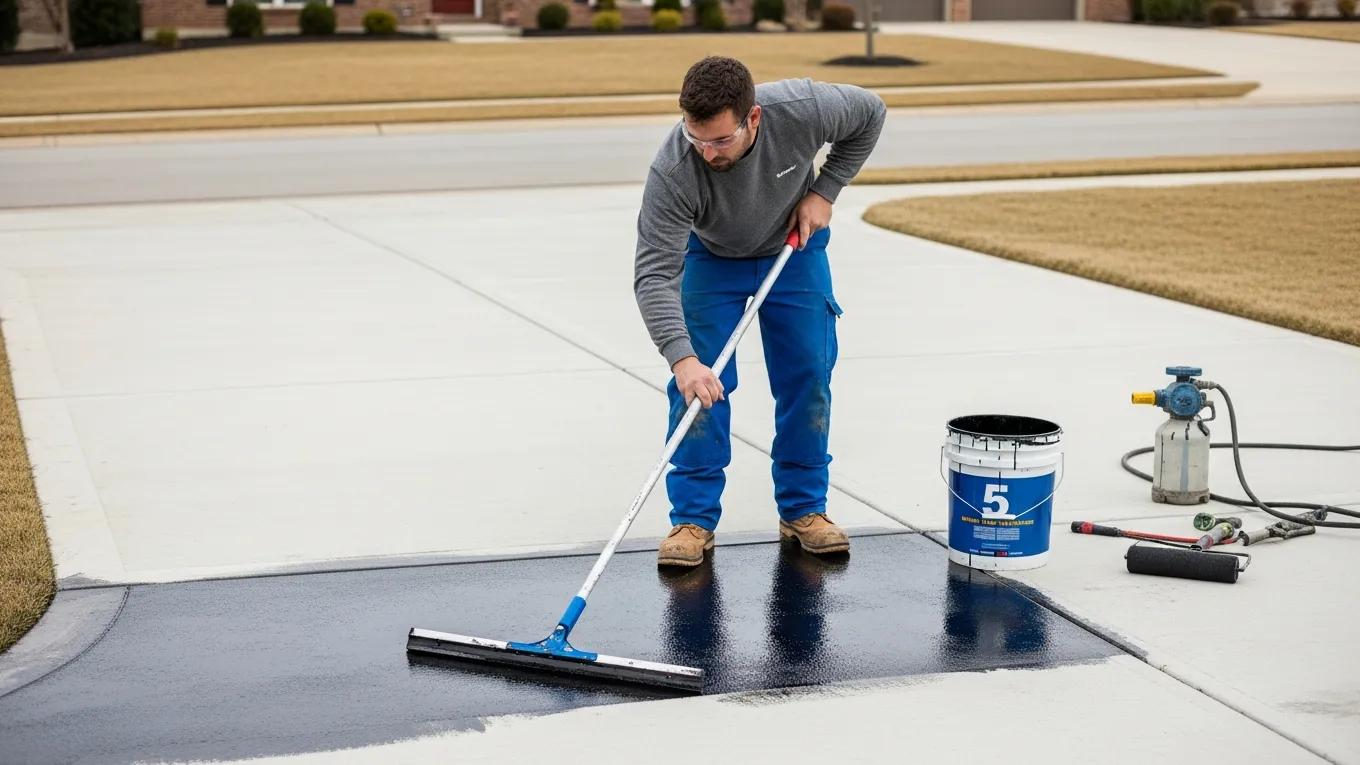
Professional sealing delivers consistent application, correct product selection, and time savings. Typical benefits include:
- Protection Against Damage: Accurate application helps prevent freeze-thaw and chemical damage.
- Extended Lifespan: Proper sealing reduces long-term repair needs.
- Cost-Effectiveness: Upfront cost can reduce future repair expenses.
Why Choose Professional Sealing Over DIY Methods?
Professionals bring product knowledge, experience, and often warranty coverage that DIY work may lack.
- Expertise and Quality: Correct product and technique selection.
- Time-Saving: Efficient preparation and application.
- Warranty and Assurance: Many contractors provide service guarantees.
What Is the Typical Cost Range for Concrete Driveway Sealing in Milwaukee?
Expect roughly $0.75 to $1.50 per square foot, depending on driveway size and sealer choice. This investment can reduce larger repair costs over time.
For more information about the areas we serve, please visit our service areas page.
Frequently Asked Questions
What are the signs that my concrete driveway needs sealing?
Look for cracks, discoloration, dull or porous surfaces, and water pooling. These indicate the protective layer has worn and that sealing or repairs are needed.
Can I seal my concrete driveway in winter?
No — cold temperatures and moisture prevent proper curing. Wait for consistent temperatures above 50°F and dry conditions.
How long does it take for concrete sealer to dry?
Dry times vary by product and conditions. Most sealers need at least 24 hours for light foot traffic and up to 72 hours before heavy vehicle traffic; follow the manufacturer’s guidance.
What maintenance should I perform after sealing my driveway?
Keep the surface clean, inspect for new damage, avoid harsh de-icers, and plan to reapply sealer every 1–3 years depending on wear.
Are there eco-friendly options for sealing concrete driveways?
Yes — water-based, low-VOC sealers reduce environmental impact while providing effective protection. Look for eco or low-VOC labeling.
What should I do if my driveway has already developed cracks?
Clean cracks, use a compatible repair product, allow it to cure fully, then seal. Prompt repair before sealing prevents water infiltration and further freeze-thaw damage.