

How Weather Impacts Concrete Surfaces and What to Do
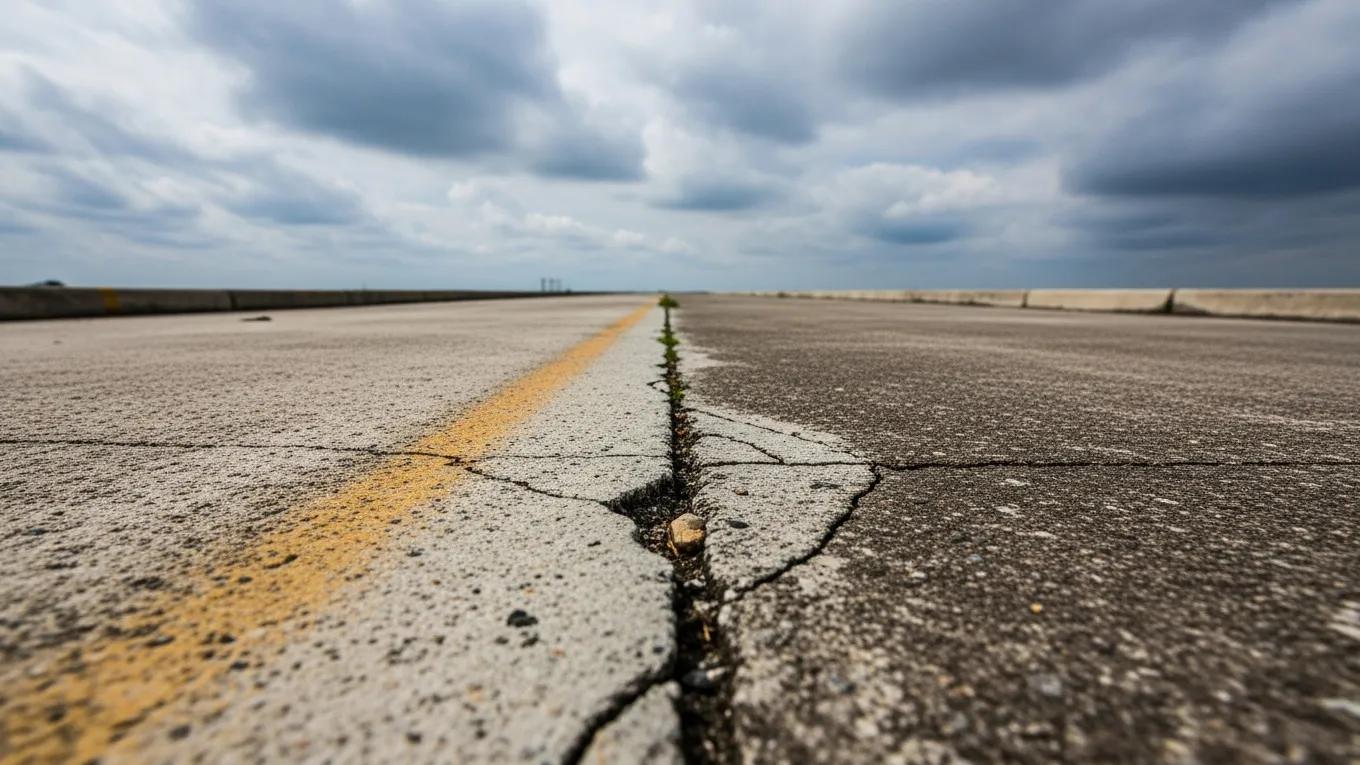
Weather Effects on Concrete: Repair & Protection Tips
By Steve Morici, Morici Bros Concrete LLC | Milwaukee’s Top
Weather significantly affects the integrity and lifespan of concrete. Temperature swings, moisture, freeze-thaw cycles and deicing salts can all cause cracking, scaling and discoloration. This guide explains common weather effects, proven repair strategies, and maintenance steps to protect concrete surfaces and extend service life.
Weather Impacts on Concrete
Concrete is durable but vulnerable to expansion/contraction from temperature changes and to moisture intrusion. Freeze-thaw cycles and chemical exposure (like deicing salts) accelerate deterioration, so recognizing these stressors is essential for timely maintenance and repair.
Expert Strategies for Concrete Repair and Protection
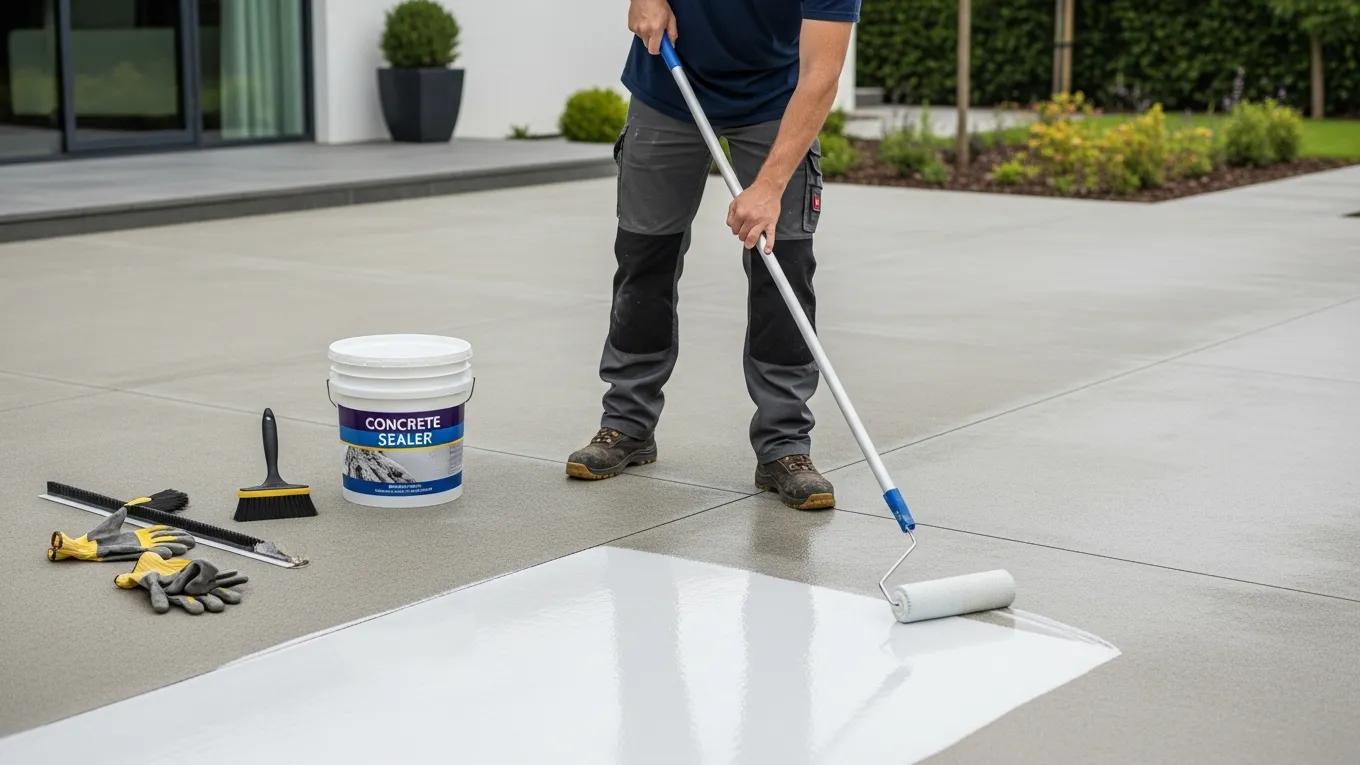
Longevity depends on proper mix design, curing, sealing, and regular inspections. Use durable materials and proven techniques to reduce weather-related failures.
Selecting the Right Mix
Choose mixes formulated for local climate. In cold regions, air-entraining admixtures create small voids that accommodate freezing water and reduce cracking from freeze-thaw cycles.
Curing Practices
Proper curing ensures strength and reduces permeability. In cold conditions, use insulated blankets or other methods to maintain curing temperatures until sufficient strength is reached.
Sealing
Applying an appropriate sealer reduces moisture penetration and chemical attack. Select the sealer type to match traffic, exposure and desired breathability.
Regular Maintenance
Inspect concrete periodically for small cracks, scaling, or stains and repair promptly to prevent larger failures.
Repair Techniques
Match repair method to the problem: crack injection for narrow cracks, patching for deeper defects, and resurfacing for widespread surface wear.
What Are the Common Weather Effects on Concrete Surfaces?
Common issues are cracking, surface scaling, and discoloration, typically driven by moisture, temperature swings, and deicing agents.
How Do Freeze-Thaw Cycles Cause Concrete Damage?
Water that enters concrete freezes and expands, creating internal pressure that opens cracks and accelerates deterioration over repeated cycles.
What Signs Indicate Weather-Related Concrete Surface Damage?
Look for these indicators:
- Cracking: Visible fissures that may widen over time.
- Surface Scaling: Flaking or peeling that reveals weakened surface mortar.
- Discoloration: Stains or color changes from moisture or chemical exposure.
How Can Concrete Crack Repair Mitigate Weather-Induced Damage?
Timely repairs stop water entry and slow deterioration. Sealing cracks with epoxy or polyurethane and addressing nearby causes (poor drainage, salt exposure) preserves structural integrity.
What Are Effective Methods for Repairing Concrete Cracks?
Common repair options include:
- Crack Injection: Inject epoxy or polyurethane to seal and bond cracks.
- Surface Resurfacing: Apply a thin overlay or resurfacing compound to restore worn surfaces.
- Patching Techniques: Use repair mortars for larger or deeper defects.
When Is It Essential to Repair Weather-Damaged Concrete?
Repair promptly to avoid escalation. Prioritize work when you observe:
- Large Cracks: Cracks wider than about 1/4 inch.
- Surface Scaling: Repeated flaking or spalling.
- Water Infiltration: Pooling or persistent damp areas.
What Are the Benefits of Concrete Sealing for Weatherproofing?
Sealing improves weather resistance by:
- Moisture Protection: Limits water penetration and freeze-thaw damage.
- Chemical Resistance: Reduces harm from deicing salts and other chemicals.
- Stain Prevention: Helps repel oil, grease and common stains.
How Does Concrete Sealing Prevent Moisture Intrusion?
Sealers form a surface barrier that reduces water ingress; maintaining that barrier with periodic reapplies preserves performance against freeze-thaw cycles.
What Types of Concrete Sealing Are Best for Milwaukee’s Climate?
Choose sealers that handle wet, freezing winters and thaw cycles. Common good options include:
- Acrylic Sealers: Breathable protection for many exterior surfaces.
- Epoxy Sealers: Durable, chemical-resistant options for heavier use areas.
- Polyurethane Sealers: Flexible, strong film for temperature cycling and moisture exposure.
What Seasonal Maintenance Tips Help Protect Concrete in Milwaukee?
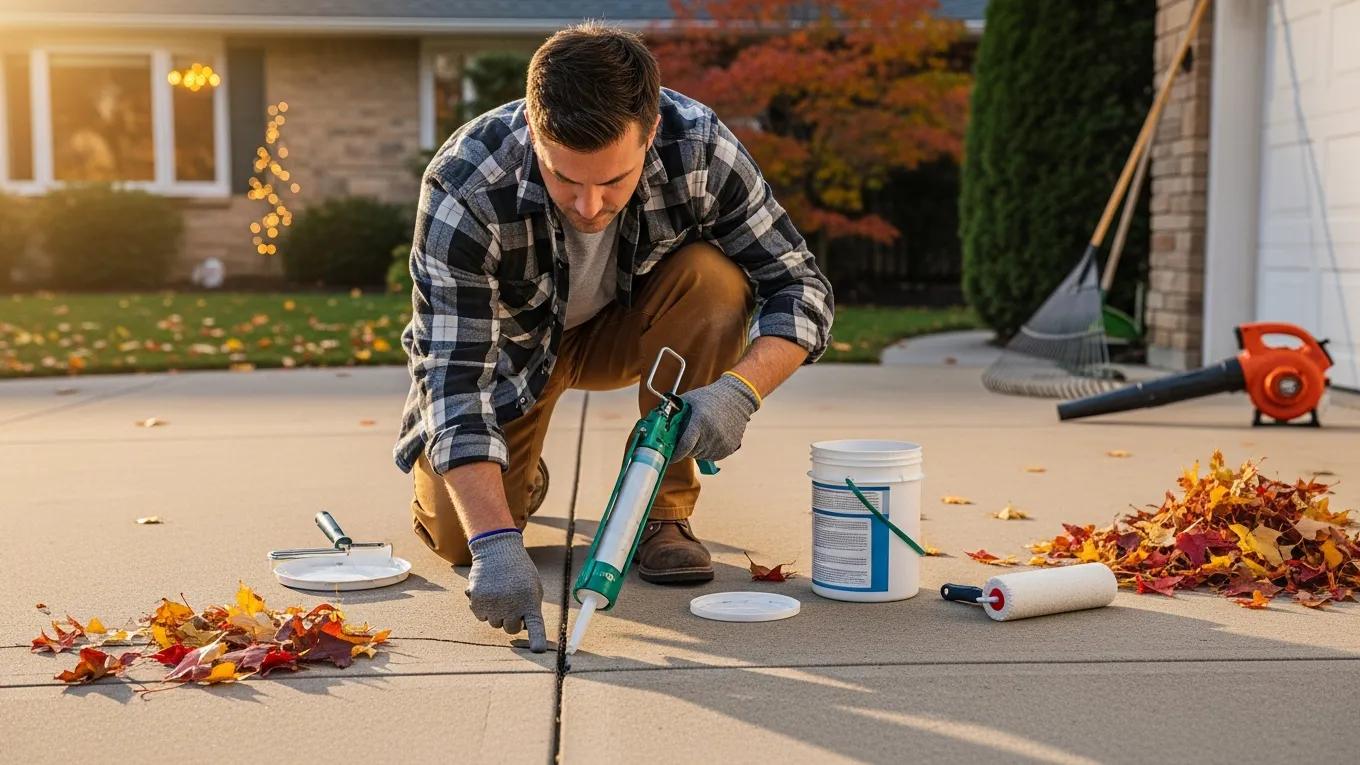
Seasonal care reduces cumulative weather damage. Prepare before winter and inspect after harsh events.
How Should Homeowners Prepare Concrete for Winter Weather?
Before winter:
- Seal the Concrete: Apply a quality sealer to limit moisture entry.
- Inspect for Cracks: Repair cracks to prevent freeze-thaw infiltration.
- Clear Debris: Remove leaves and debris that trap moisture.
What Routine Maintenance Extends Concrete Durability Against Weather?
Routine steps:
- Clean Regularly: Keep surfaces free of dirt and contaminants.
- Inspect Annually: Find and address issues early.
- Repair Promptly: Fix cracks and spalls to prevent larger repairs.
Different repair methods deliver distinct benefits through specific mechanisms.
This comparison shows how repair choices match specific weather-induced problems.
For comprehensive concrete services in various locations, consider exploring service areas to find reliable professionals.
If you need expert assistance, contact us to discuss solutions for your property.
Frequently Asked Questions
What is the best time of year to seal concrete surfaces?
Seal during mild, dry weather—typically late spring or early fall—when temperatures are between about 50°F and 90°F and rain is not expected for at least 24 hours to allow proper curing.
How often should concrete surfaces be sealed?
Sealing frequency varies by sealer and exposure: generally every 1–3 years. High-traffic or heavily exposed areas may need more frequent reapplication. Check for wear or loss of water beading as cues to reseal.
Can I seal concrete myself, or should I hire a professional?
DIY sealing is possible for small projects, but professionals deliver more consistent preparation and application, especially for large areas or surfaces with damage that needs repair first.
What are the long-term effects of neglecting concrete maintenance?
Neglect leads to progressive cracking, scaling, and potential structural issues. Moisture and freeze-thaw action worsen damage over time, increasing repair costs or prompting replacement.
How can I tell if my concrete needs repair?
Repair is needed for visible cracks, scaling, discoloration, or persistent pooling. Address small defects early; larger or deeper damage may require professional assessment.
What are the environmental impacts of concrete repair and maintenance?
Repair activities consume materials and energy, but using eco-friendly sealers and extending service life through maintenance reduces overall environmental impact compared with full replacement.