
How Wisconsin Weather Impacts Your Concrete Driveway & Patio
How Wisconsin Weather Impacts Your Concrete Driveway & Patio: Essential Repair and Maintenance Insights
By Steve Morici, Morici Bros Concrete LLC | Milwaukee’s Top
Wisconsin’s weather creates challenges for concrete driveways and patios, especially from freeze-thaw cycles, heavy snow, and seasonal moisture. This article summarizes how seasonal changes affect concrete, practical repair techniques, and maintenance tips to preserve durability and appearance. Understanding these factors helps homeowners protect their investment and plan timely repairs.
How Wisconsin Weather Affects Concrete Driveways and Patios
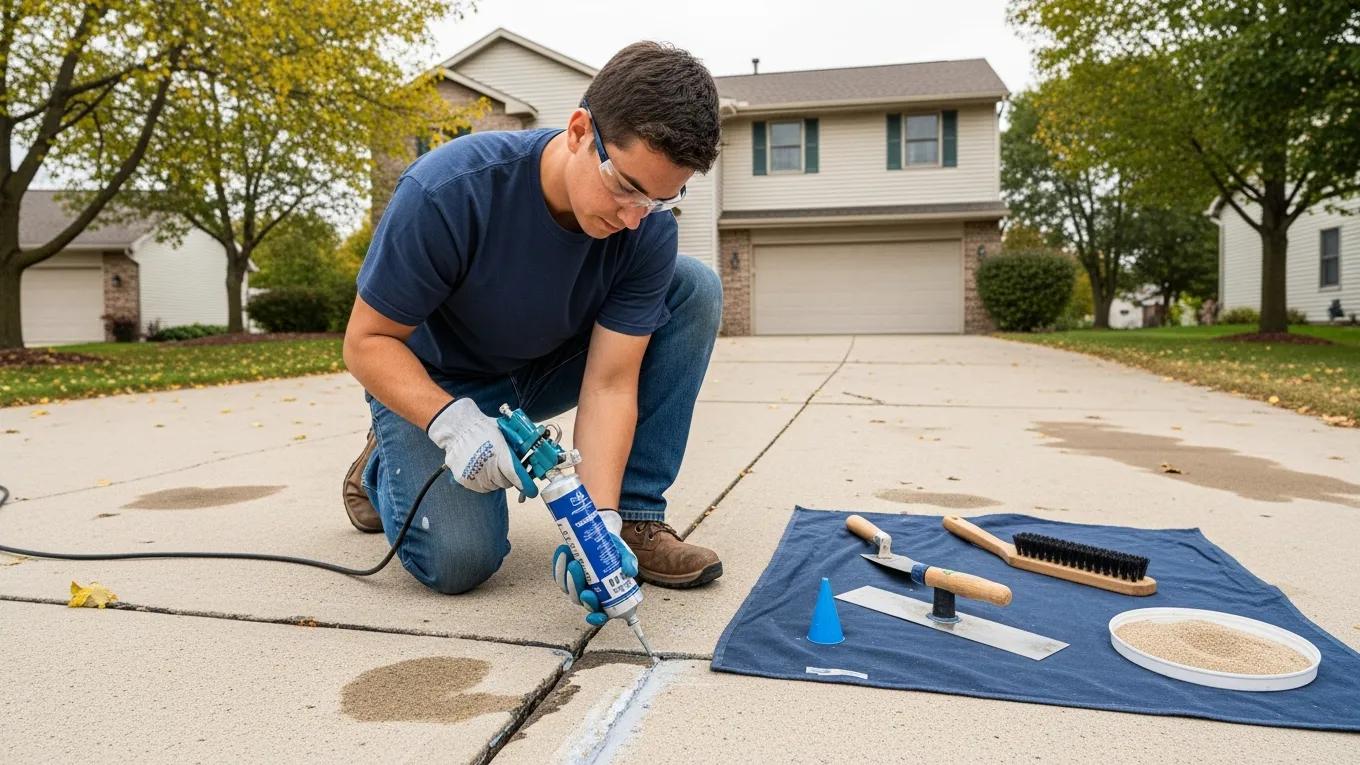
Common, effective repair methods include:
- Crack Repair: Use epoxy or polyurethane sealants to fill and seal cracks and stop water entry.
- Surface Scaling Solutions: Apply a resurfacer where the top layer is scaled to restore appearance and add protection.
- Patching Techniques: Use patching compounds for larger damaged areas to restore a smooth, durable finish.
For larger or structural problems, consider professional help — see local concrete services.
Maintenance Tips
Consistent maintenance extends service life. Key practices include:
- Regular Cleaning: Remove debris and stains to prevent surface wear.
- Sealing Frequency: Reapply a quality sealer every 1–3 years to block moisture.
- Timely Repairs: Fix small cracks and spalling early to avoid bigger repairs.
Morici Bros Concrete LLC offers installation and maintenance services for driveways and patios if you need professional assistance.
Impact of Seasonal Changes
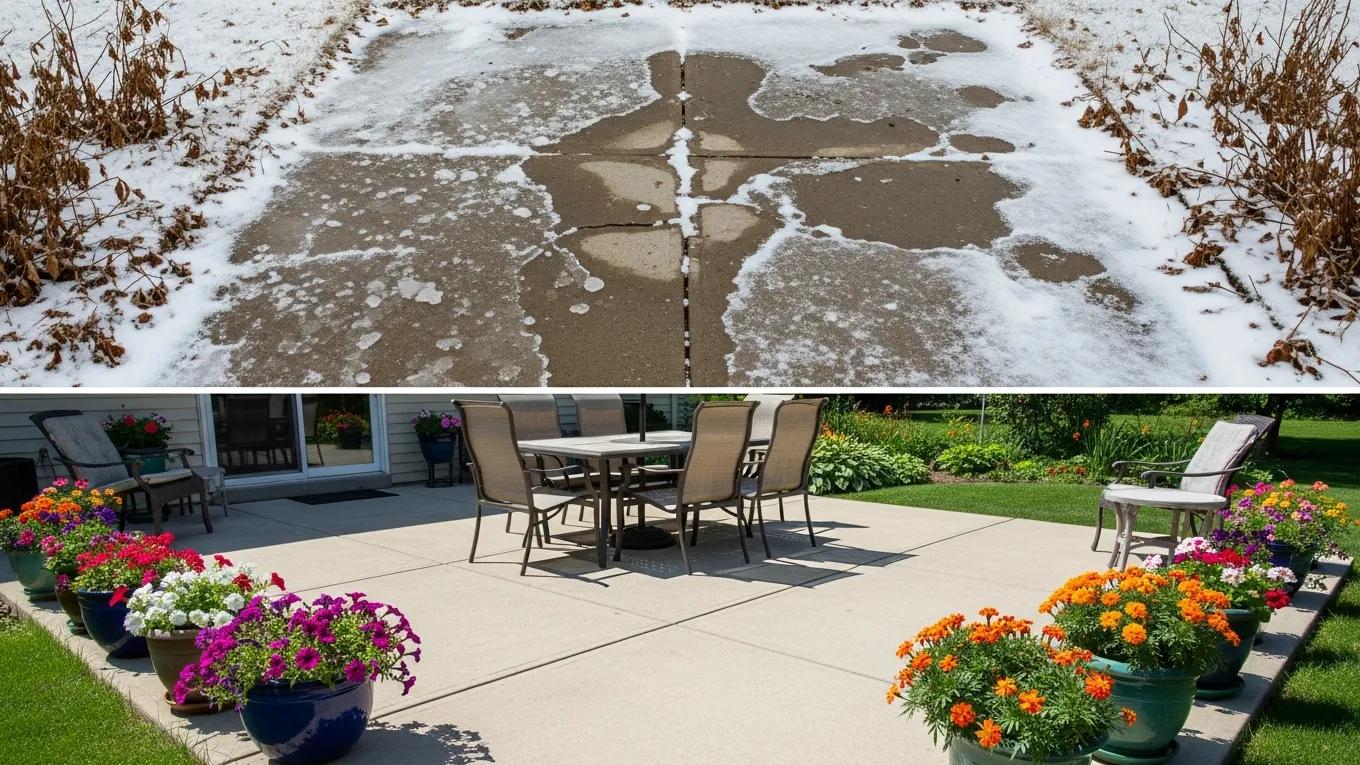
Seasonal swings—cold winters with repeated freeze-thaw cycles followed by wet springs—drive much of the damage to concrete. Freeze-thaw actions create micro-cracks and water from melting snow can saturate and weaken slabs if not managed.
Longevity and Durability
Durability depends on material quality, correct installation, and ongoing care. High-quality mixes, good drainage, sealing, and prompt repairs together extend the useful life of driveways and patios.
What Effects Does Wisconsin’s Freeze-Thaw Cycle Have on Concrete Surfaces?
Repeated freezing and thawing can cause:
- Micro-crack formation that grows over time.
- Surface deterioration such as scaling and flaking.
- Long-term structural issues if cycles are frequent and unaddressed.
How Does the Freeze-Thaw Cycle Cause Concrete Damage?
Water entering pores and cracks expands when frozen, exerting internal pressure that widens cracks, causes spalling, and gradually weakens the concrete. Prevent this with good sealing and drainage.
Why Is Wisconsin Weather Particularly Challenging for Concrete Durability?
Wisconsin combines harsh winters, heavy snow, and warm humid summers. Rapid temperature changes cause repeated expansion and contraction, while seasonal moisture increases freeze-thaw risk—especially where sealers or drainage are lacking.
Which Concrete Maintenance Practices Best Protect Driveways and Patios in Wisconsin?
Essential protective practices:
- Regular sealing with a quality product.
- Gentle snow removal using plastic shovels or snow blowers to avoid surface damage.
- Prompt crack repair to stop water infiltration.
What Are the Recommended Concrete Sealing Techniques for Winter Protection?
Recommendations:
- Type of sealant: Use penetrating sealers that repel water while letting concrete breathe.
- Application timing: Seal in late fall before sustained freezing.
- Reapplication: Reapply every 1–3 years depending on wear and product.
How Can Regular Maintenance Prevent Winter-Related Concrete Cracks?
Regular sealing, repairing minor damage before winter, and proper snow management reduce moisture entry and the damage caused by freeze-thaw cycles.
When and How Should You Repair Winter Damage on Your Concrete Driveway and Patio?
Inspect in early spring. Use quality outdoor patching compounds and appropriate sealants; resurface larger areas when needed. For extensive issues, consult a professional.
What Are the Signs That Concrete Repair Is Needed After Wisconsin Winters?
Watch for:
- Visible or growing cracks
- Surface scaling or flaking
- Uneven settling or areas that have sunk
Address these signs promptly to prevent escalation.
Which Repair Services Does Morici Bros Concrete LLC Provide for Winter Damage?
Services include:
- Crack repair and sealing
- Surface resurfacing to restore appearance and function
- Patching services for larger damaged areas
For details, visit their contact page.
How Can Homeowners Prepare Concrete Surfaces for Seasonal Weather Changes in Wisconsin?
Prepare surfaces by sealing before winter, keeping them clean, and repairing cracks before freezing temperatures arrive. These steps reduce moisture entry and freeze-thaw damage.
What Steps Should Be Taken Before and After Winter to Extend Concrete Lifespan?
- Pre-winter: Seal surfaces in late fall.
- Winter: Use gentle snow removal methods; avoid harsh de-icers when possible.
- Post-winter: Inspect in spring and repair any damage promptly.
How Does Proper Driveway Crack Prevention Improve Long-Term Concrete Performance?
Using quality materials, sealing regularly, and repairing cracks promptly prevents water damage and freeze-thaw deterioration, keeping surfaces durable and attractive for longer.
Frequently Asked Questions
What are the best practices for cleaning concrete driveways and patios?
Remove loose debris, treat stains with mild detergent or a concrete cleaner, and use a pressure washer at low to moderate pressure for deep cleaning.
How can I tell if my concrete driveway needs sealing?
If water soaks in instead of beading, or if you see dulling, scaling, or small cracks, it’s time to reseal.
What types of sealers are most effective for Wisconsin’s climate?
Penetrating sealers are preferred because they block moisture while allowing vapor to escape; choose products rated for outdoor freeze-thaw conditions and UV exposure.
How often should I inspect my concrete surfaces for damage?
Inspect at least twice a year—spring and fall—and after major storms or long freezes.
What should I do if I notice large cracks in my concrete?
Clean and dry the crack, use a quality patching compound or sealant, and consider a professional assessment for large or structural cracks.
Can I use salt to de-ice my concrete driveway in winter?
Salt can accelerate scaling and spalling. Prefer sand for traction or calcium chloride-based products, and apply sealers to reduce harm.
What are the long-term benefits of regular concrete maintenance?
Regular maintenance improves durability, preserves appearance, and reduces long-term repair or replacement costs by preventing moisture-related damage.