
Learn About Concrete Repair & Restoration Methods to Extend Surface Life
By Steve Morici, Morici Bros Concrete LLC
Concrete surfaces are more than just structural components—they protect your investment and contribute to the beauty of your home or business. Life happens, and concrete can show signs of wear and damage, but with the right know-how, you can keep it looking great and lasting even longer. Let’s walk through practical, friendly advice and techniques to help you maintain and restore your concrete surfaces effectively.
Key Takeaways
- Stay on top of maintenance with regular checks and timely repairs to extend concrete life.
- Know the common causes of damage—like cracks from temperature changes or spalling from freeze-thaw cycles—to choose the best fix.
- Use repair methods suited to the problem, from deep epoxy injections to flexible polymer fillers for dynamic surfaces.
- Prepare surfaces well and use quality materials to ensure your repairs stand the test of time.
- When in doubt, tapping trusted professionals like Morici Bros Concrete LLC gives you the confidence of expert care.
Techniques for Extending Surface Life
Repairing concrete is all about blending durability with a fresh look. Catching cracks early prevents bigger issues, and resurfacing can breathe new life into tired patches. If you prefer peace of mind, professional services such as Morici Bros Concrete LLC have the expertise to get the job done right.
Best Practices
Keeping concrete in great shape is simpler than you might think: clean regularly, seal to block water, and fix cracks as soon as they show up. This care keeps freeze-thaw damage and spalling at bay, helping your concrete endure the elements and look its best.
Teaming up with local pros ensures these steps are done well, preserving your concrete’s strength and beauty over the years.
Required Tools
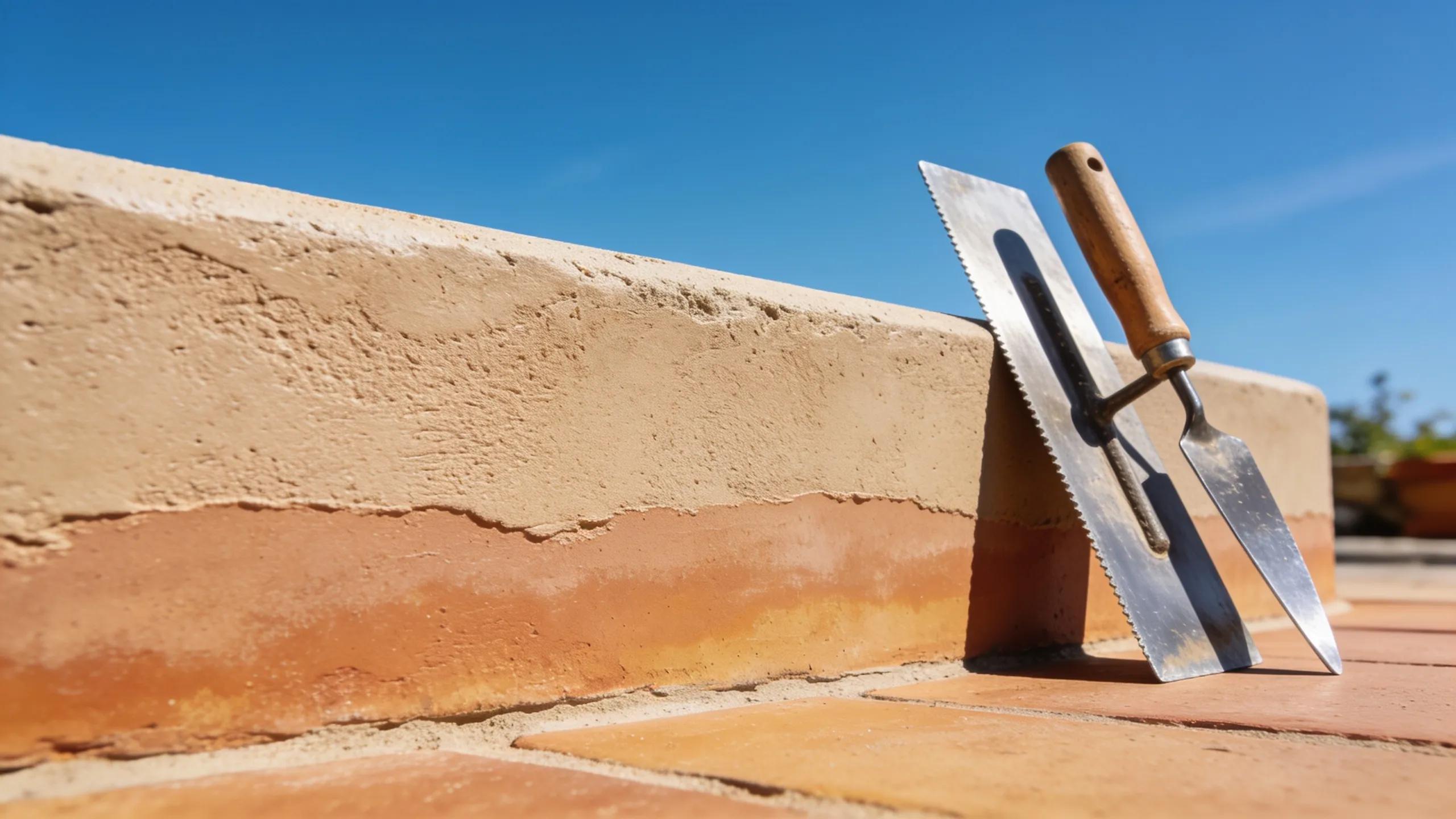
To tackle most concrete repairs, having the right tools makes all the difference. Here’s a handy list to get you going:
- Chisel: For removing loosened or damaged concrete bits.
- Trowel: Smooth out repairs flawlessly.
- Concrete Mix: Choose quality for lasting fixes.
- Sealer: Keeps moisture out and longevity in.
- Leveling Tools: Ensure your repair is even and professional-looking.
Whether DIY or assisting pros, these tools are your friends for solid, neat repairs.
Common Challenges
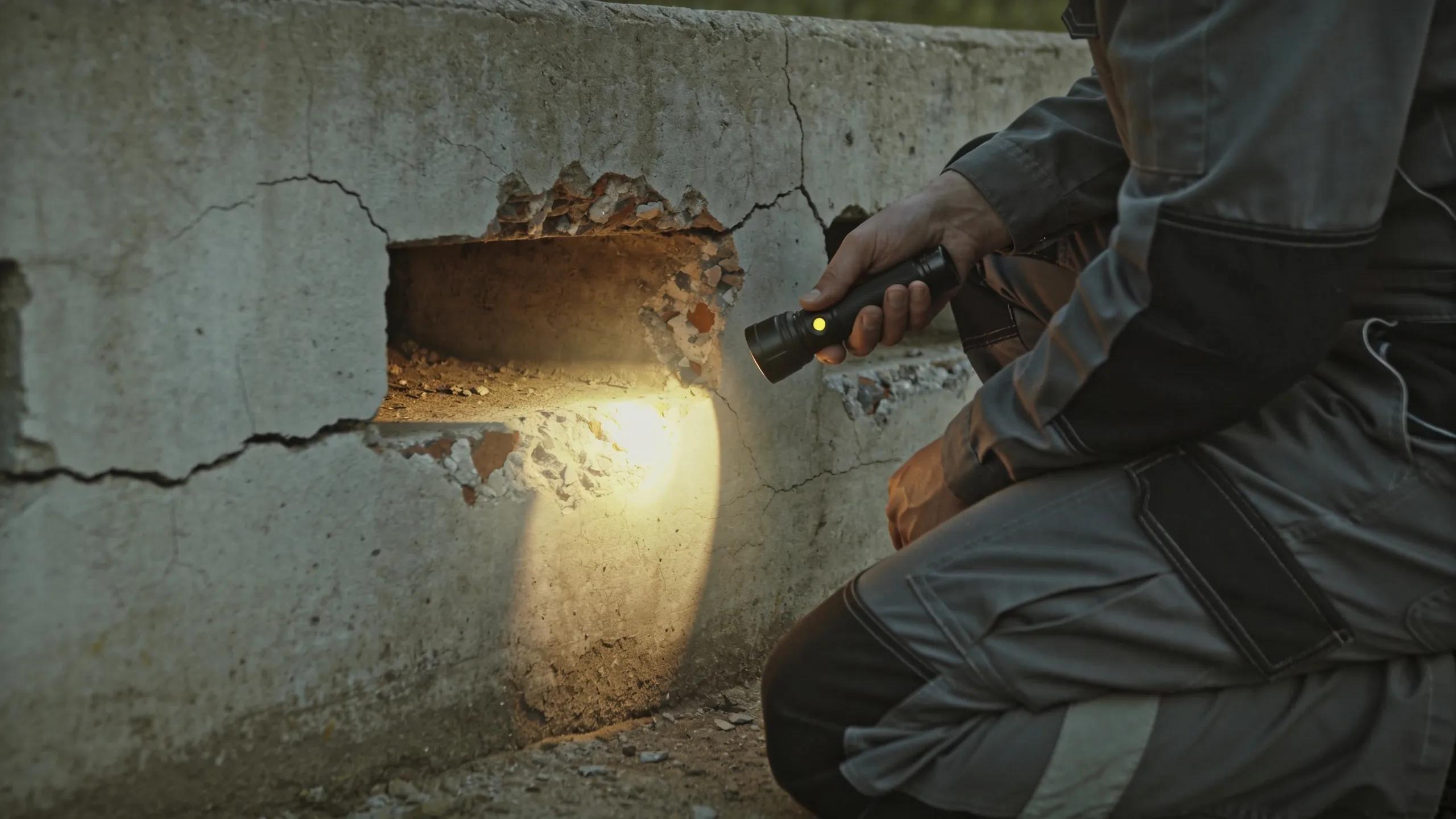
Concrete repair has its tricky spots. Sometimes, surface cracks hide deeper structural issues, and Mother Nature throws curveballs like humidity or temperature swings that affect how repairs cure and hold up.
Whether you’re rolling up your sleeves or hiring experts, being aware of these obstacles helps you plan smart and get strong, lasting results.
What Are the Common Causes and Types of Concrete Damage?
Concrete doesn’t crack or chip without reason. Usually, it’s the everyday triggers that cause it, such as weather, natural shrinking as it cures, or settling of the ground below. The main types to watch out for are:
- Cracking: Due to temperature ups and downs and moisture shifts.
- Spalling: Where the surface flakes off, often from freeze-thaw cycles and moisture intrusion.
- Scaling: Surface material loss caused by quick moisture evaporation.
Spotting these early on lets you tackle repairs promptly and keep your concrete sturdy and eye-catching.
How Do Cracks Develop in Residential and Commercial Concrete?
Cracks appear when concrete expands and contracts from temperature changes, or as it cures and shrinks, or if the foundation settles unevenly. Residential concrete might crack if heavy loads are placed too soon or as part of natural curing stress. Commercial concrete deals with heavier machinery and traffic, which can make cracks worse over time.
Knowing what causes these cracks helps pick the best repair method—small surface cracks can often be patched easily, while deeper ones might need stronger fixes like epoxy injections.
What Environmental Factors Affect Concrete Durability in Milwaukee?
Living in Milwaukee means dealing with snow, ice, and temperature swings that create many freeze-thaw cycles, which stress concrete surfaces. Road salts and winter chemicals also speed up wear and tear.
The good news? Using a strong sealant and sticking to regular maintenance geared to seasonal changes helps your concrete stand firm through the toughest conditions.
Which Concrete Crack Repair Methods Are Most Effective?
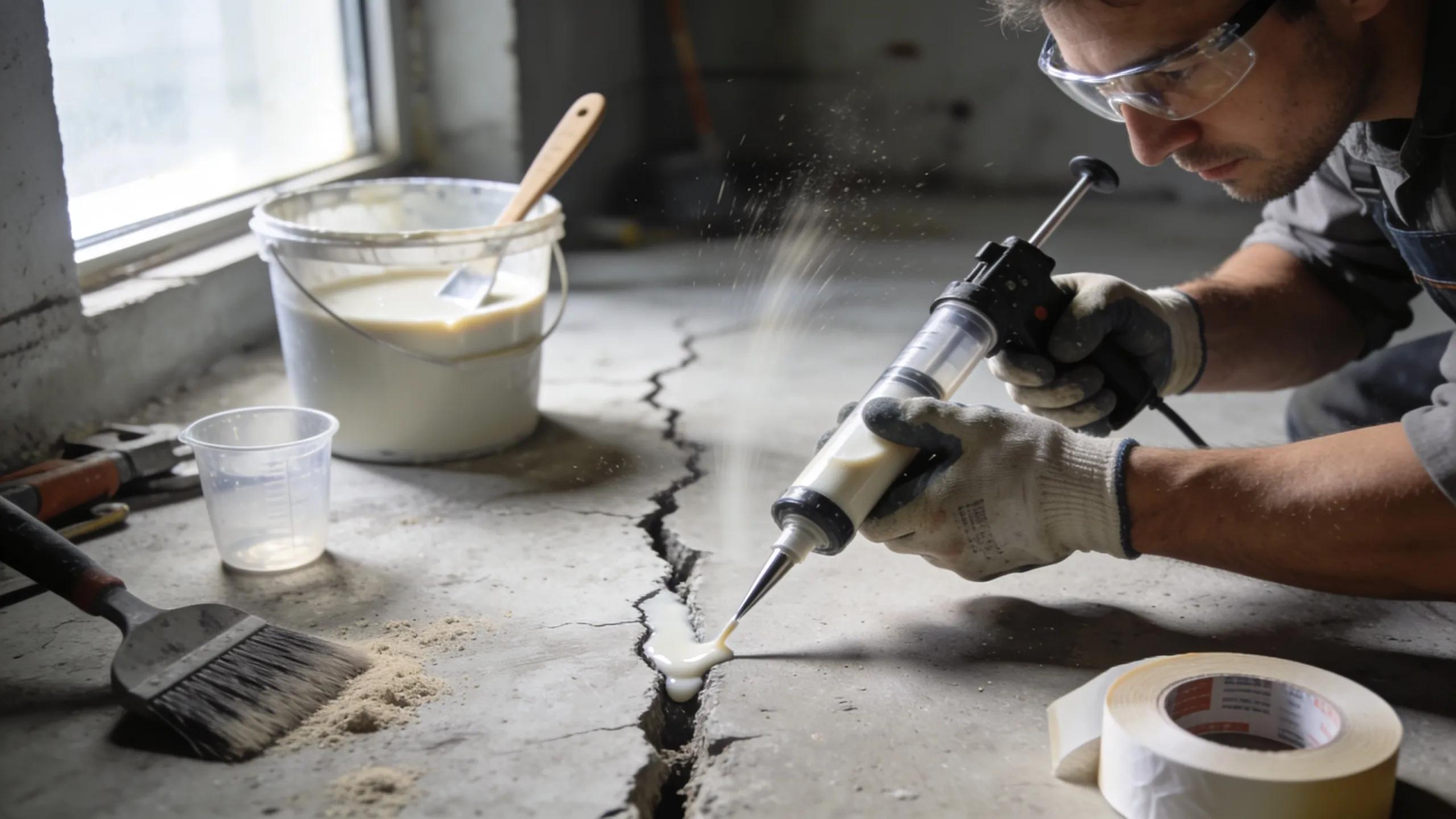
Not all cracks are the same, so your fix shouldn’t be either. Here are top repair methods based on crack depth and severity:
- Epoxy Injection: For deep cracks, this technique bonds concrete back strongly and blocks moisture.
- Patching: Great for quick and effective fixes on surface cracks.
- Polymer-Based Fillers: Flexible and able to move with the concrete as temperatures change, perfect for busy or shifting surfaces.
Matching the right method to your crack type will keep repairs robust and lasting.
How Does Epoxy Injection Repair Work for Deep Concrete Cracks?
This method really shines with deep cracks. After cleaning the crack, low-viscosity epoxy resin is injected under pressure to fill gaps and bond the concrete tightly. The result? A durable, chemical-resistant repair that also blocks moisture from getting in.
Studies back this up as an excellent way to restore strength and stiffness:
Epoxy Injection for Concrete Crack Repair & Structural Restoration
Concrete cracks are common and take many forms. Epoxy injection repairs cracks as narrow as 0.05mm and restores the integrity when done properly. Factors like viscosity and crack width affect effectiveness; lower viscosity allows better penetration.
Source: Evaluating the Efficiency of Epoxy Injection Technique for Repairing Normal and High Strength Concrete Beams – ZM Abdulqadir, 2022
This is especially handy in commercial or industrial settings where durability is a must.
What Are Patching and Polymer-Based Concrete Crack Filling Techniques?
Patching is your straightforward solution for quick surface cracks—perfect for DIY with the right materials. Polymer fillers add flexibility, moving with concrete as environments shift, reducing the chance of new cracks forming.
What Are Best Practices for Concrete Surface Restoration and Resurfacing?
Success starts with good surface prep: clean well, fill holes and cracks completely, and ensure everything cures properly before adding new layers. Using top-grade materials and following manufacturers’ instructions makes a noticeable difference in durability.
Morici Bros Concrete LLC provides expert advice and premium resurfacing options tailored to your unique project. Reach out anytime for personalized guidance.
How Can Surface Resurfacing Extend the Life of Damaged Concrete?
Applying a fresh layer of cementitious or polymer-based material not only repairs but also shields your surface from future weather and wear. This practice has stood the test of time, dating back over a century with proven durability under heavy use.
Bonded Concrete Resurfacing: Extend Pavement Life
Since 1913, bonded resurfacing has successfully extended pavement life by increasing load capacity and durability. Post-WWII developments enhanced these techniques, influencing modern highway restoration as a reliable alternative to asphalt overlays.
Source: Bonded Concrete Resurfacing, 1981
Done right, resurfacing revitalizes your concrete to handle tough environments with style.
Which Materials and Products Are Recommended for Quality Restoration?
Picking the right products matters a lot. We recommend:
- High-Strength Epoxy: For powerful bonding in deeper cracks.
- Polymer-Based Fillers: Flexible and tough for areas that move.
- Cementitious Resurfacers: To bring back smooth, even surfaces.
These choices make your repairs stronger and longer-lasting.
How to Access Reliable Concrete Repair Services and Request Free Estimates in Milwaukee?
If you want pros on your side, Morici Bros Concrete LLC is a dependable Milwaukee resource. Their skilled team evaluates your concrete carefully and crafts repairs tailored just for you.
Getting a free estimate is an easy, stress-free way to understand your options and budget ahead of time—no surprises, just clarity.
What Should Homeowners and Business Owners Expect from Professional Concrete Repair?
Partnering with experienced professionals means you get a thorough inspection, customized repair plans, and upfront communication about what to expect and costs involved. This proactive approach saves money down the line and helps your concrete last longer.
How to Request a Free Concrete Repair Estimate from Morici Bros Concrete LLC?
Ready to take the next step? Visit their website or contact Morici Bros Concrete LLC directly. Friendly staff will answer your questions and guide you through every step with clear information and expert advice.
Whether it’s epoxy injection, patching, or polymer filling, knowing your options puts you in control of your concrete’s future durability and appearance.
Frequently Asked Questions (FAQs)
Conclusion
Taking care of your concrete doesn’t have to be daunting. By understanding what causes damage and how to fix it—whether through timely crack repairs with epoxy injection, quick patching, or comprehensive resurfacing—you can keep your surfaces strong, safe, and looking great.
Remember, regular upkeep, choosing high-quality materials, and leaning on trusted pros like Morici Bros Concrete LLC when needed all add up to lasting results. Treat your concrete with care today, and it will reward you with years of dependable performance and curb appeal.