
Navigating Concrete Project Permits in Wisconsin
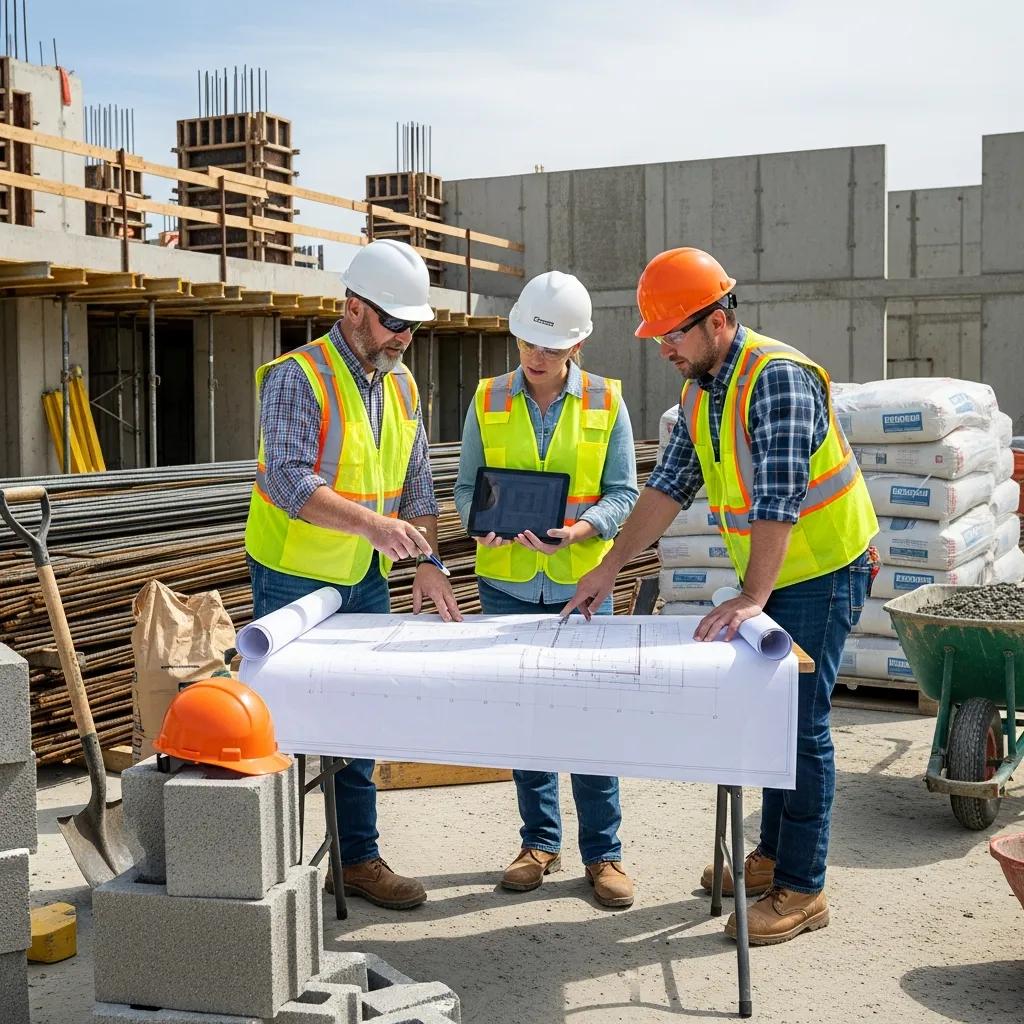
Construction site in Wisconsin with workers reviewing concrete project plans and materials, emphasizing collaboration and project management.

Conquer Concrete Permits in Wisconsin

Navigating concrete permit requirements in Wisconsin can be confusing for homeowners and contractors. This guide clarifies the core steps, common requirements, and inspection expectations, and explains how Morici Bros Concrete can help you move projects through permitting and compliance more efficiently.

What Is the Wisconsin Concrete Permit Process?

The concrete permit process is a local, code-driven review that confirms designs and work meet state and municipal building standards. Typical steps are application submission, review, any required corrections, and issuance of a permit before work begins.

Who Issues Concrete Permits in Wisconsin?

Permits are usually issued by local building departments or inspection agencies. The Wisconsin Department of Safety and Professional Services (DSPS) sets statewide code and licensing standards but does not typically issue local concrete permits. Requirements and fees vary by municipality, so contact your local building department for specifics.

What Are the Steps to Apply for a Concrete Permit?

Applying generally follows this sequence:

  1. Gather Required Documentation: Provide site plans, basic engineering details, and relevant assessments.
  2. Complete Application Forms: Fill out the municipality’s forms accurately.
  3. Submit the Application: File forms and pay fees to the local department.
  4. Await Review and Approval: Address any requested revisions from reviewers.
  5. Receive Permit: Permit issuance clears you to start permitted work.

Following these steps and preparing complete documentation helps avoid delays.

Building Permit Requirements for Wisconsin Concrete Projects
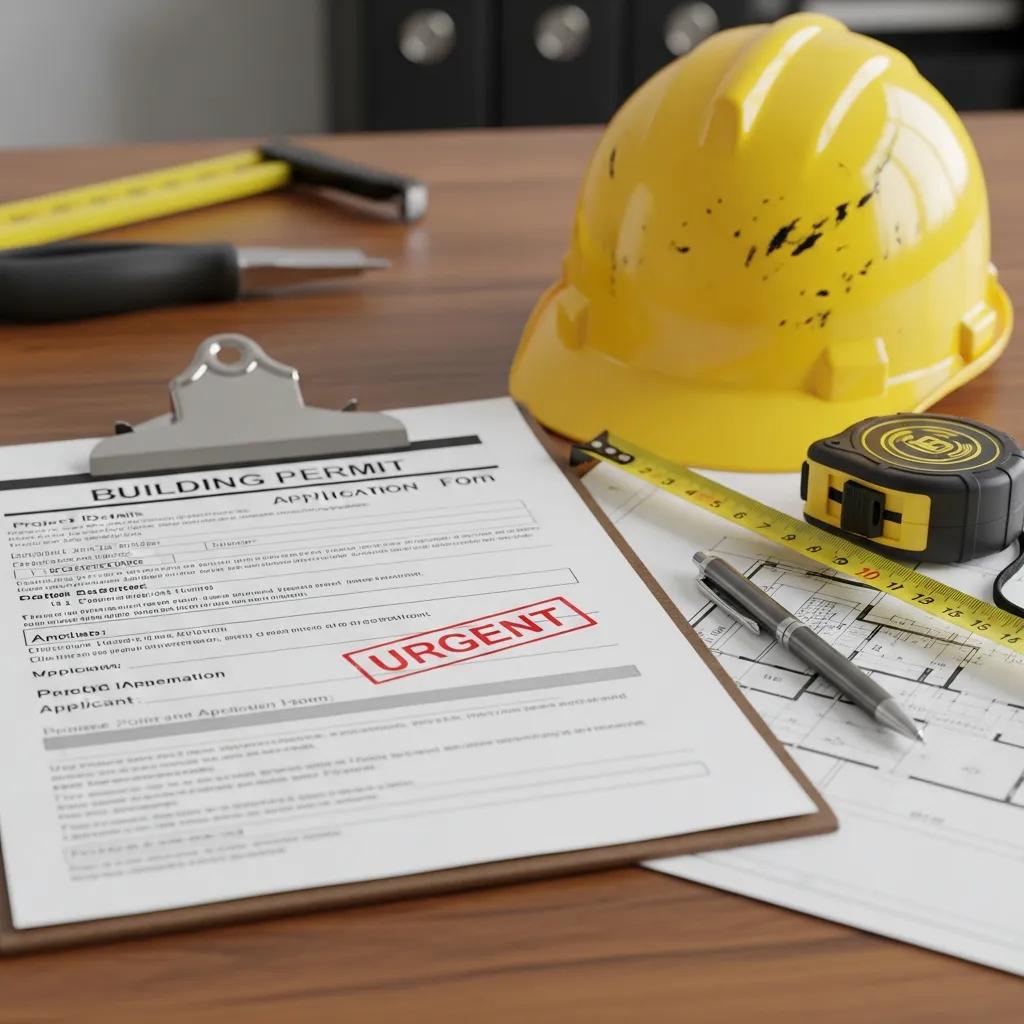
Close-up of a building permit application form marked "URGENT," accompanied by a yellow hard hat, measuring tape, and construction tools, emphasizing the concrete permit process in Wisconsin.

Requirements depend on project type (residential vs. commercial) and local codes. Expect documentation that demonstrates compliance with structural, zoning, and safety standards.

Which Wisconsin Building Codes Apply to Concrete Construction?

Commonly applied codes include:

  • Wisconsin Administrative Code: State-level construction and safety rules.
  • International Building Code (IBC): Adopted by many municipalities for structural standards.
  • Local Amendments: Municipality-specific requirements you must follow.

How Do Local Municipality Regulations Affect Concrete Permits?

Local rules influence allowable locations, environmental protections, and inspection steps. Zoning, stormwater controls, and additional municipal inspections can change scope and timelines.

  • Zoning Laws: Determine where and what you can build.
  • Environmental Regulations: May require erosion control or other protections.
  • Inspection Protocols: Local inspection schedules and checkpoints vary.

How Do Inspection and Compliance Work for Concrete Projects in Wisconsin?
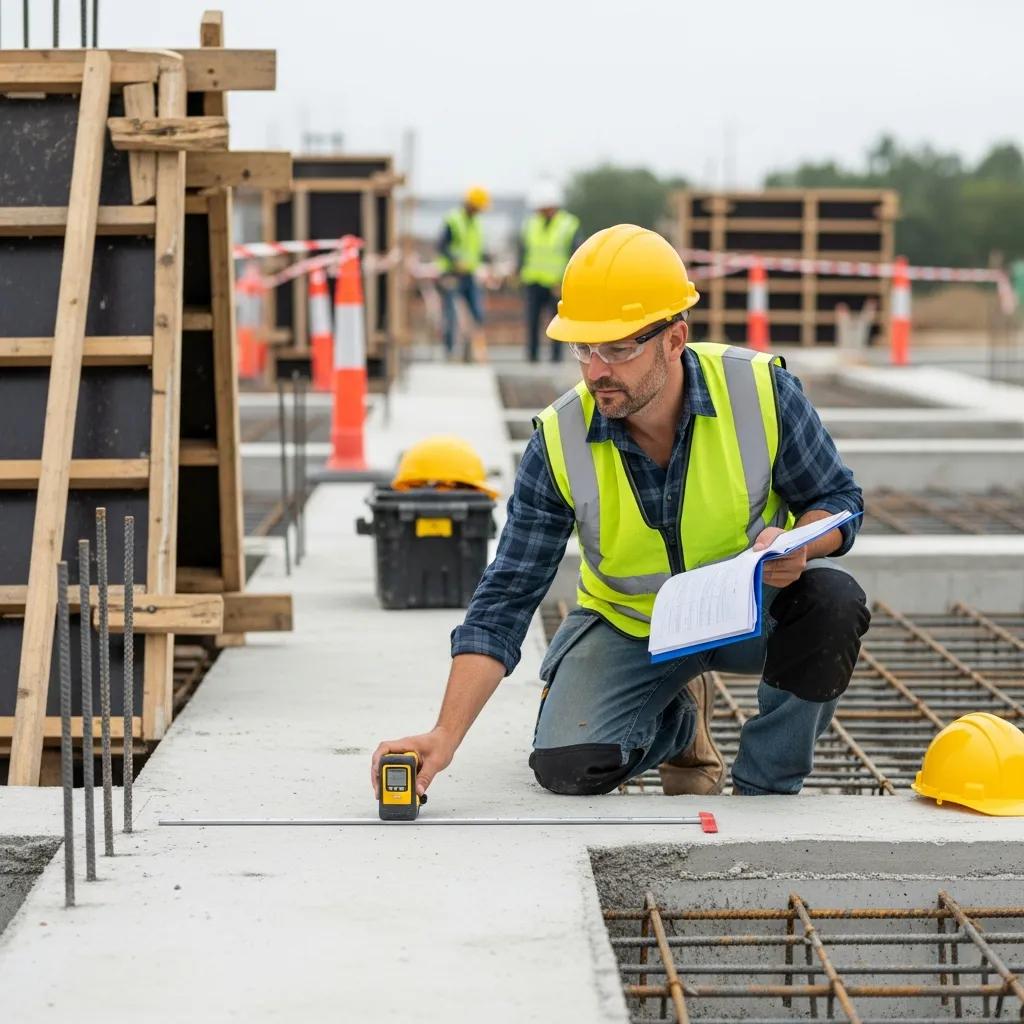
Construction inspector evaluating concrete foundation for compliance with building codes, using measuring tool and clipboard, with safety gear and construction site background.

Inspections verify that installed work matches approved plans and code requirements. Coordinate inspections with your contractor and the local building department to avoid rework.

What Are the Inspection Requirements for Concrete Permits?

Typical inspections include:

  • Foundation Inspections: Before pouring to confirm footings and formwork.
  • Framing Inspections: Verify structural components that interact with concrete work.
  • Final Inspections: Confirm completed work meets the approved plans.

How to Ensure Compliance with Wisconsin Concrete Construction Regulations?

Best practices:

  • Stay Informed: Check local and state code updates.
  • Hire Qualified Professionals: Use licensed contractors familiar with local rules.
  • Maintain Documentation: Keep permits, plans, and inspection records organized.

How Does Morici Bros Concrete Support Your Permit Navigation and Compliance?

Morici Bros Concrete provides local permitting experience, helping clients prepare documents, interpret municipal requirements, and coordinate inspections to keep projects on schedule.

What Services Does Morici Bros Concrete Provide for Permit Compliance?

Services include:

  • Permit Application Assistance: Help assembling paperwork and plans.
  • Regulatory Guidance: Clarify applicable codes and local expectations.
  • Inspection Coordination: Schedule and prepare for required checks.

These services reduce administrative burden and lower the chance of permit delays.

How Can Morici Bros Concrete Help Streamline Your Permit Application?

They offer:

  • Providing Expert Consultation: Practical advice tailored to local processes.
  • Facilitating Communication: Liaison work with building officials when needed.
  • Ensuring Timely Submissions: Help meet filing and inspection deadlines.

Using an experienced contractor can shorten review cycles and minimize surprises.

What Are Common Questions About Concrete Permits in Wisconsin?

Below are concise answers to frequent permit questions to help homeowners and contractors plan effectively.

How Long Does the Wisconsin Concrete Permit Application Take?

Timing depends on project complexity and the municipality. Simple projects may be approved in days; more complex or projects requiring public hearings can take weeks.

  • Complexity of the Project: More details mean longer reviews.
  • Local Municipality Processing Times: Varies by office capacity and procedures.
  • Public Hearings: Add substantial time when required.

What Are the Latest Updates in Wisconsin Concrete Permit Regulations?

Recent trends include stronger emphasis on sustainability, some municipalities streamlining digital applications, and periodic updates to inspection practices—check local departments for specifics.

  • Increased Focus on Sustainability: Green practices encouraged in some areas.
  • Streamlined Application Processes: Some municipalities offer faster, digital filing.
  • Enhanced Inspection Protocols: Occasional tightening of inspection standards.

Frequently Asked Questions

What Types of Concrete Projects Require a Permit in Wisconsin?

Most structural concrete work—residential foundations, commercial slabs, and significant alterations to driveways, sidewalks, or retaining walls—requires a permit. Always confirm with your local building department.

Can I Start My Concrete Project Before Receiving a Permit?

No. Starting without an approved permit can lead to fines, required removals, or delays. Wait for permit approval before beginning work.

What Should I Do If My Concrete Permit Application Is Denied?

Review the denial reasons provided by the building department. Address missing or noncompliant items, then reapply or follow local appeal procedures.

Are There Fees Associated with Concrete Permits in Wisconsin?

Yes. Fees vary by municipality and can include application and inspection fees; ask your local office for a detailed fee schedule.

How Can I Prepare for a Concrete Inspection?

Have permits and plans on-site, ensure access for the inspector, complete required prep work, and coordinate with your contractor to address any foreseeable issues before inspection.

What Are the Consequences of Not Complying with Concrete Permit Regulations?

Non-compliance can lead to fines, work stoppages, costly corrections, or legal action. Proper permitting and inspections protect safety and avoid retroactive expenses.

How Can I Find Out About Local Concrete Permit Regulations?

To learn about local concrete permit regulations, contact your municipality’s building department directly. They can provide specific requirements, fees, and any recent changes to the permitting process.