Protecting Concrete in Cold Climates

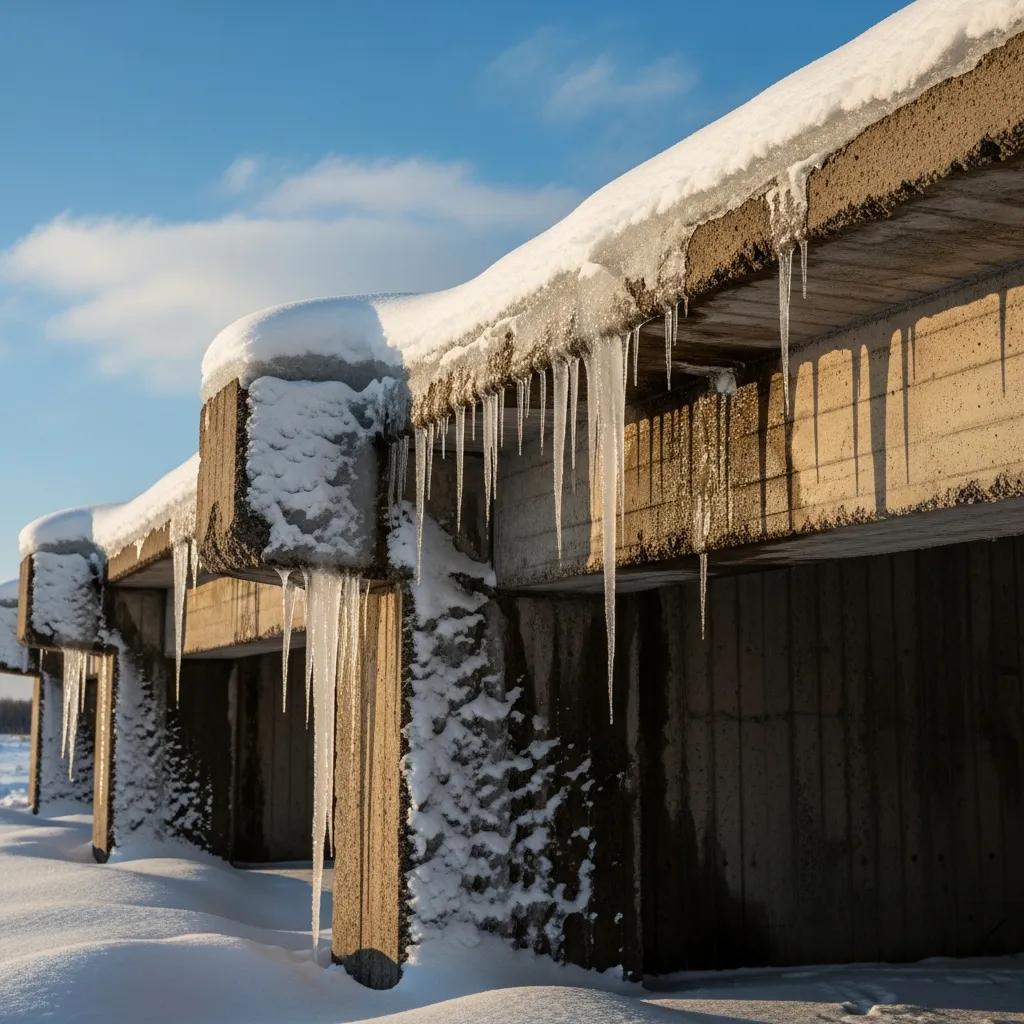
Concrete structure in snowy landscape with icicles, illustrating winter effects on concrete durability and the importance of protection in cold climates.

Winter Concrete Protection: Prevent Freeze-Thaw & Salt Damage

Concrete is a vital material in construction, especially in regions with harsh winter climates. Protecting concrete from cold weather challenges, such as freeze-thaw cycles and salt damage, is essential for maintaining its durability and longevity. This article will explore effective strategies for safeguarding concrete in cold climates, focusing on the mechanisms of freeze-thaw damage, the impact of deicing salts, and best practices for installation and repair. By understanding these factors, homeowners and contractors can implement preventive measures that ensure concrete structures withstand the rigors of winter.

In this guide, we will cover the following key areas: the nature of freeze-thaw cycles and their effects on concrete, the impact of salt damage and effective prevention methods, best practices for winter concrete installation, the role of concrete sealing in protecting against winter damage, effective repair solutions for cold weather damage, and frequently asked questions about winter concrete protection.

What Are Freeze-Thaw Cycles and How Do They Damage Concrete?

Close-up of cracked concrete illustrating freeze-thaw cycle damage, with ice formation and thermometer indicating temperature fluctuations.

Freeze-thaw cycles refer to the repeated freezing and thawing of water within concrete, which can lead to significant damage over time. When water infiltrates the concrete and freezes, it expands, exerting pressure on the surrounding material. This process can cause micro-cracks to form, which may grow larger with subsequent freeze-thaw cycles, ultimately leading to surface deterioration and reduced durability.

Understanding the Freeze-Thaw Process and Its Impact on Concrete Durability

The freeze-thaw process begins when water seeps into the pores of the concrete. As temperatures drop, the water freezes and expands, creating internal pressure. This pressure can lead to cracking and surface deterioration, significantly reducing the concrete’s durability. Over time, the cumulative effects of freeze-thaw cycles can compromise the integrity of concrete structures, making it crucial to understand and mitigate these risks.

How Freeze-Thaw Cycles Cause Cracking and Surface Deterioration

Concrete subjected to freeze-thaw cycles often exhibits visible signs of damage, such as spalling and cracking. For instance, structures in Syracuse, NY, frequently experience these issues due to the region’s cold winters. Case studies have shown that untreated concrete can suffer extensive surface damage within just a few seasons, emphasizing the need for protective measures to enhance its resilience against these cycles.

How Can Salt Damage Affect Concrete and What Prevention Methods Work Best?

Salt damage is another significant concern for concrete in cold climates. Deicing salts, commonly used to melt ice on roads and sidewalks, can lead to chemical and physical reactions that weaken concrete over time. Understanding the effects of these salts and implementing effective prevention methods is essential for maintaining concrete integrity.

Effects of Deicing Salts on Concrete Surfaces in Winter

Deicing salts can penetrate concrete surfaces, leading to corrosion of the reinforcing steel and deterioration of the concrete matrix. This chemical reaction can result in scaling, cracking, and reduced load-bearing capacity. While exact statistics vary, studies indicate that concrete exposed to deicing salts can experience a significant reduction in lifespan compared to untreated concrete, highlighting the importance of protective measures.

Techniques to Prevent Salt-Induced Concrete Deterioration

Worker applying protective sealer on concrete surface to prevent salt damage, with ice melt and cleaning equipment visible, illustrating effective techniques for winter concrete maintenance.

To prevent salt damage, several techniques can be employed, including:

  1. Using Salt-Resistant Concrete Mixes: Incorporating additives and air-entrainment that enhance resistance to salt penetration and freeze-thaw damage can significantly improve durability.
  2. Applying Protective Sealers: Sealers create a barrier that prevents salt from infiltrating the concrete surface.
  3. Implementing Proper Drainage: Ensuring adequate drainage can help minimize water accumulation and reduce the risk of salt damage.

These methods can effectively mitigate the adverse effects of deicing salts on concrete surfaces.

What Are the Best Practices for Winter Concrete Installation in Cold Climates?

Installing concrete in cold weather requires specific considerations to ensure optimal performance and durability. Understanding the best practices for winter concrete installation can help prevent issues related to freeze-thaw cycles and salt damage.

Choosing the Right Concrete Mix for Freeze-Thaw Resistance

Selecting a concrete mix designed for freeze-thaw resistance is crucial. These mixes typically contain air-entraining agents that create tiny air bubbles within the concrete, allowing for expansion during freeze-thaw cycles without causing damage. Additionally, using a lower water-to-cement ratio can enhance the mix’s strength and durability.

Proper Curing Methods to Enhance Cold Weather Concrete Strength

Curing is essential for achieving the desired strength and durability of concrete. In cold weather, it is vital to maintain adequate temperatures during the curing process. Techniques such as using insulated blankets or heated enclosures can help ensure that the concrete remains at an optimal temperature, promoting proper hydration and strength development.

How Does Concrete Sealing Protect Against Winter Damage in Syracuse, NY?

Concrete sealing is a critical step in protecting concrete from winter damage. By applying a high-quality sealer, homeowners can significantly enhance the durability and longevity of their concrete surfaces.

Types of Concrete Sealers Suitable for Winter Protection

There are several types of concrete sealers available, including:

  • Acrylic Sealers: These provide a protective film on the surface and are easy to apply, making them a popular choice for residential applications.
  • Epoxy Sealers: Known for their durability, epoxy sealers create a strong bond with the concrete, offering excellent protection against moisture and chemicals.
  • Polyurethane Sealers: These sealers provide a flexible barrier that can withstand temperature fluctuations, making them ideal for cold climates.

Each type of sealer has its advantages, and selecting the right one depends on the specific needs of the concrete surface.

When and How to Apply Concrete Sealing for Maximum Durability

To achieve maximum durability, concrete sealing should be applied before the onset of winter. The application process involves cleaning the surface thoroughly, allowing it to dry, and then applying the sealer evenly. Following the manufacturer’s instructions for curing time is essential to ensure optimal performance.

Morici Bros Concrete specializes in concrete sealing services tailored to withstand the harsh winter conditions common in Syracuse, NY. Their expertise in using high-quality sealers ensures that your concrete surfaces remain protected against freeze-thaw cycles and salt damage.

What Are Effective Concrete Repair Solutions for Cold Weather Damage?

When concrete surfaces suffer damage due to cold weather, timely repair is essential to restore their integrity and prevent further deterioration. Understanding effective repair solutions can help homeowners address these issues promptly.

Identifying Winter-Related Concrete Cracks and Damage

Identifying the signs of winter-related damage is the first step in the repair process. Common indicators include visible cracks, spalling, and surface scaling. Homeowners should regularly inspect their concrete surfaces, especially after harsh winter conditions, to catch any issues early.

Repair Techniques to Restore Concrete Durability in Cold Climates

Several repair techniques can be employed to restore damaged concrete, including:

  1. Crack Injection: This method involves injecting epoxy or polyurethane into cracks to seal and strengthen the affected area.
  2. Surface Resurfacing: Applying a thin layer of resurfacer can restore the appearance and functionality of damaged concrete surfaces.
  3. Patching: For larger areas of damage, patching compounds can be used to fill in voids and restore structural integrity.

These repair solutions can effectively address winter-related damage and extend the lifespan of concrete surfaces.

What Frequently Asked Questions Do Homeowners Have About Winter Concrete Protection?

Homeowners often have questions regarding the maintenance and protection of their concrete surfaces during winter. Addressing these concerns can help ensure that they take the necessary steps to protect their investments.

How Often Should Concrete Be Sealed for Winter Protection?

It is generally recommended to seal concrete surfaces every 1-3 years, depending on the type of sealer used and the level of exposure to harsh weather conditions. Regular sealing helps maintain the protective barrier against moisture and deicing salts.

Can Salt Damage Be Repaired or Prevented Effectively?

Yes, salt damage can be both repaired and prevented. Preventive measures, such as using salt-resistant concrete mixes and applying sealers, can significantly reduce the risk of damage. If damage occurs, timely repairs using appropriate techniques can restore the concrete’s integrity and appearance.

Repair TechniqueDescriptionEffectiveness
Crack InjectionSeals and strengthens cracks using epoxy or polyurethaneHigh
Surface ResurfacingRestores appearance and functionality with a thin layer of resurfacerMedium
PatchingFills voids and restores structural integrity in larger damaged areasHigh

This table summarizes effective repair techniques for addressing winter-related concrete damage, highlighting their descriptions and effectiveness.

By understanding the challenges posed by cold climates and implementing the strategies outlined in this article, homeowners can protect their concrete investments and ensure their longevity. Morici Bros Concrete offers expert services in concrete sealing, repair, and installation, providing tailored solutions to withstand the harsh winter conditions typical in Syracuse, NY.