

Quick Estimate for Your Concrete Project

Concrete cost calculator interface displayed on a laptop in a modern workspace, with concrete samples and measuring tools on the table, illustrating the estimation process for concrete projects.

Quick Estimate for Your Concrete Project: Accurate Concrete Cost Calculator and Pricing Guide

Estimating the cost of a concrete project can often feel overwhelming, especially for homeowners and commercial property managers. Understanding the pricing structure and factors involved is crucial for making informed decisions. This article will guide you through the process of obtaining quick and accurate estimates for your concrete projects, utilizing a concrete cost calculator designed specifically for the Syracuse, NY area. By the end of this guide, you will have a clear understanding of how to use the calculator effectively, the key factors influencing pricing, and how to prepare for your estimate.

The importance of accurate early-stage cost estimation cannot be overstated, as it forms the foundation for sound financial planning and project success.

Early Stage Cost Estimation in Residential Construction

Preliminary cost estimates for construction projects are often the basis of financial feasibility and budgeting decisions in the early stages of planning and for effective projec

Drivers of the accuracy of developers’ early stage cost estimates in residential construction, MP Nepal, 2016

Syracuse Concrete Cost Calculator: Quick Estimates and Pricing Guide

A concrete cost calculator is a powerful tool that simplifies the estimation process by providing quick and reliable pricing based on user inputs. This calculator takes into account various factors that influence the overall cost, ensuring that users receive accurate estimates tailored to their specific project needs. The user-friendly interface allows for easy navigation, making it accessible for both seasoned contractors and first-time homeowners.

What Inputs Affect Your Concrete Project Estimate?
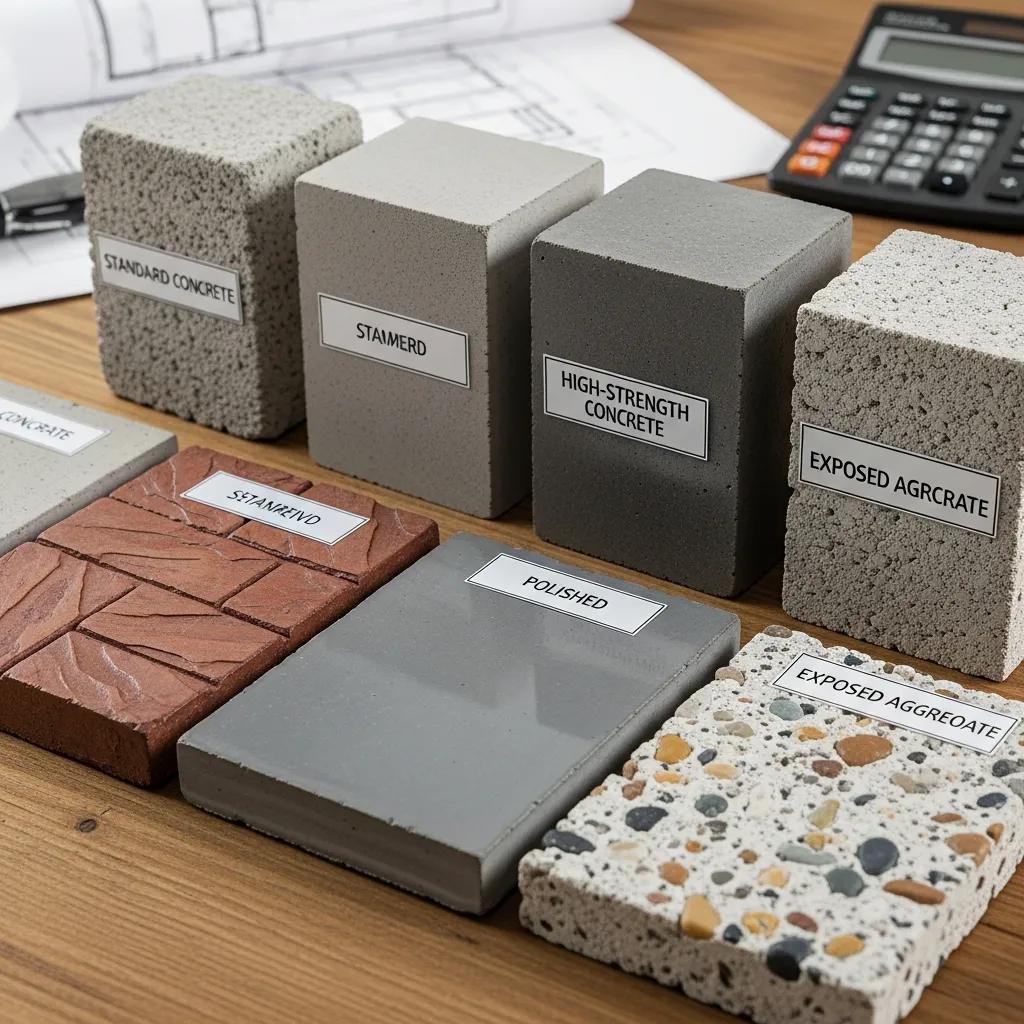
Different types of concrete samples including standard, stamped, high-strength, polished, and exposed aggregate, displayed on a wooden table with a calculator and construction plans in the background.

Several inputs significantly impact the accuracy of your concrete project estimate. These include:

  1. Material Types: Different types of concrete mixes, such as standard, high-strength, or decorative, can vary in cost.
  2. Project Size: The total volume or area to be covered directly influences the amount of material needed, thus affecting the overall price.
  3. Labor Considerations: Labor costs can fluctuate based on the complexity of the project and local wage rates.

By providing accurate information regarding these inputs, users can ensure that their estimates reflect the true cost of their projects.

How to Use the Concrete Estimate Tool for Your Syracuse NY Project

Using the concrete estimate tool is straightforward. Here’s a step-by-step guide:

  1. Access the Tool: Navigate to the concrete cost calculator on the Morici Bros Concrete website.
  2. Input Data: Enter the required information, including project size, type of concrete, and any specific requirements.
  3. Review Results: Once the data is submitted, the calculator will generate an estimate that outlines the expected costs.

This process allows for quick decision-making and helps users understand their budget before committing to a project.

What Are the Key Factors Influencing Concrete Project Pricing?

Understanding the key factors that influence concrete project pricing is essential for accurate budgeting. Here are the primary elements to consider:

  1. Material Costs: The type and quality of materials used can significantly affect the overall price. For instance, decorative concrete may cost more than standard mixes.
  2. Labor Costs: Labor rates can vary based on the project's complexity and the local market. Larger or more intricate projects typically require more skilled labor, increasing costs.
  3. Project Complexity: The design and specifications of the project can also impact pricing. Unique designs or challenging site conditions may require additional resources and time.

How Do Material Types and Quantities Impact Costs?

Material types and quantities play a crucial role in determining the overall cost of a concrete project. For example, using high-quality aggregates or specialty mixes can increase material costs. Additionally, the quantity of concrete required directly correlates with the project’s volume; larger projects will naturally incur higher material expenses. Understanding these factors helps in making informed decisions about material selection and budgeting.

What Role Does Labor and Project Size Play in Pricing?

Labor and project size are significant contributors to the overall cost of concrete projects. Larger projects often require more labor hours, which can increase total expenses. Furthermore, the complexity of the project can necessitate specialized skills, leading to higher labor rates. It’s essential to factor in these elements when estimating costs to avoid budget overruns.

Which Concrete Project Types Can You Estimate Quickly?

Certain types of concrete projects lend themselves to quicker estimates due to their straightforward nature. Here are some common project types:

  1. Concrete Driveways: These projects typically have standard dimensions and material requirements, making them easy to estimate.
  2. Foundations: Similar to driveways, foundation projects often follow standard practices, allowing for quick calculations.
  3. Concrete Repairs: Estimating costs for repairs can be straightforward, especially when the extent of the damage is clear.

How to Estimate Costs for Concrete Driveways and Foundations

Estimating costs for concrete driveways and foundations involves considering the area to be covered and the type of concrete mix required. For example, a standard driveway may cost between $5 to $10 per square foot, depending on the material and finish. By inputting these details into the cost calculator, users can quickly obtain an accurate estimate.

What Are Typical Pricing Considerations for Concrete Repairs?

When estimating costs for concrete repairs, several factors come into play. Common repairs may include crack filling, resurfacing, or complete replacement. The pricing for these services can vary widely based on the extent of the damage and the materials used. For instance, minor crack repairs may cost around $3 to $6 per linear foot, while more extensive resurfacing could range from $4 to $8 per square foot.

Why Choose Morici Bros Concrete for Your Local Syracuse Estimate?
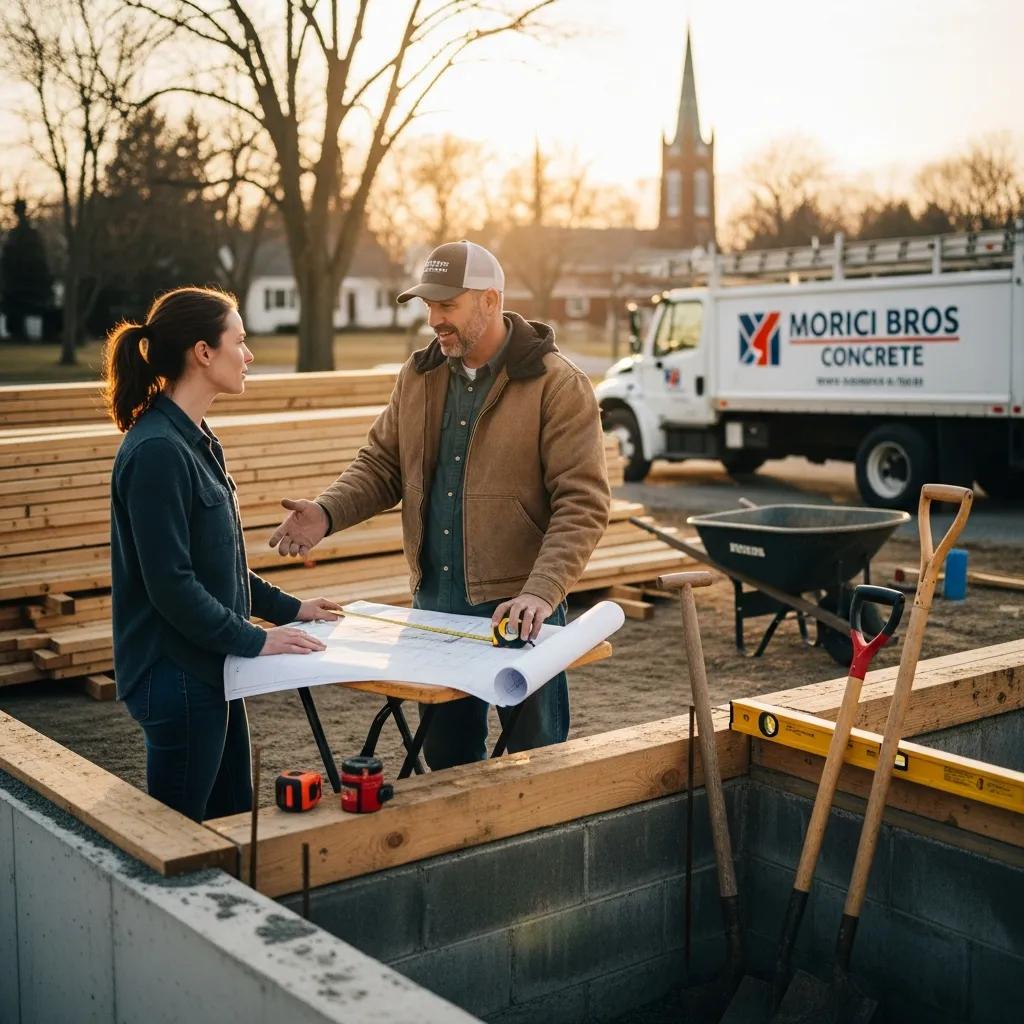
Local contractor discussing concrete project plans with homeowner at construction site, featuring blueprints and Morici Bros Concrete branding on truck in background.

Choosing a local contractor like Morici Bros Concrete for your concrete project estimates offers several advantages. Their expertise in the Syracuse area ensures that you receive accurate and relevant estimates tailored to local conditions and regulations.

What Benefits Does Local Expertise Bring to Your Concrete Project?

Local expertise is invaluable when it comes to concrete projects. Morici Bros Concrete understands the specific requirements and challenges of the Syracuse area, including climate considerations and local building codes. This knowledge allows them to provide estimates that reflect the true costs and requirements of your project, ensuring a smoother process from start to finish.

How Transparent Pricing and Fast Estimates Build Customer Trust

Transparency in pricing is a cornerstone of Morici Bros Concrete’s approach. By providing clear and detailed estimates, they help customers understand exactly what they are paying for. This transparency, combined with their commitment to quick turnaround times for estimates, fosters trust and confidence among clients, making the decision-making process easier.

How Can You Prepare for Your Concrete Project Estimate?

Preparing for your concrete project estimate can significantly enhance the accuracy of the final quote. Here are some steps to consider:

  1. Gather Information: Collect all relevant details about your project, including dimensions, desired materials, and any specific requirements.
  2. Assess Site Conditions: Understanding the site conditions can help in providing a more accurate estimate, as factors like accessibility and terrain can affect costs.
  3. Establish a Budget: Having a clear budget in mind will help guide the estimation process and ensure that you receive options that fit within your financial constraints.

What Information Should You Gather Before Requesting an Estimate?

Before requesting an estimate, it’s essential to gather specific information, including:

  • Project Dimensions: Accurate measurements of the area to be covered.
  • Material Preferences: Any specific types of concrete or finishes you desire.
  • Site Conditions: Information about the site that may affect the project, such as slope or existing structures.

This preparation will enable the estimator to provide a more accurate and tailored quote.

How Does Preparing Improve Estimate Accuracy and Project Planning

Thorough preparation not only improves the accuracy of your estimate but also aids in project planning. By having all necessary information at hand, you can reduce the likelihood of unexpected costs and delays. This proactive approach ensures that your project runs smoothly and stays within budget.

What Are Common Questions About Concrete Installation and Repair Pricing?

When it comes to concrete installation and repair, many homeowners have common questions regarding pricing. Addressing these inquiries can help demystify the process and provide clarity.

How Much Does Concrete Installation Cost Per Square Foot?

Concrete installation costs typically range from $5 to $10 per square foot, depending on factors such as the type of concrete used and the complexity of the project. For decorative concrete or specialized finishes, costs may be higher, reflecting the additional labor and materials required.

What Factors Affect Concrete Repair Pricing and Timelines?

Several factors influence concrete repair pricing and timelines, including the extent of the damage, the type of repair needed, and the materials used. Minor repairs may be completed quickly and at a lower cost, while extensive damage requiring replacement can take longer and incur higher expenses. Understanding these factors can help homeowners plan accordingly and set realistic expectations for their projects.

EAV Table: Key Factors Influencing Concrete Project Pricing

Different factors contribute to the overall pricing of concrete projects. The following table summarizes these key elements:

FactorDescriptionImpact Level
Material CostsVaries based on type and quality of concreteHigh
Labor CostsFluctuates with project complexity and local wage ratesHigh
Project SizeLarger areas require more materials and laborMedium

This table highlights the importance of considering multiple factors when estimating concrete project costs, ensuring a comprehensive understanding of pricing dynamics.

GDPR compliance logo on blue background, indicating privacy and cookie management for Morici Bros Concrete website.
Privacy Overview

This website uses cookies so that we can provide you with the best user experience possible. Cookie information is stored in your browser and performs functions such as recognising you when you return to our website and helping our team to understand which sections of the website you find most interesting and useful.