
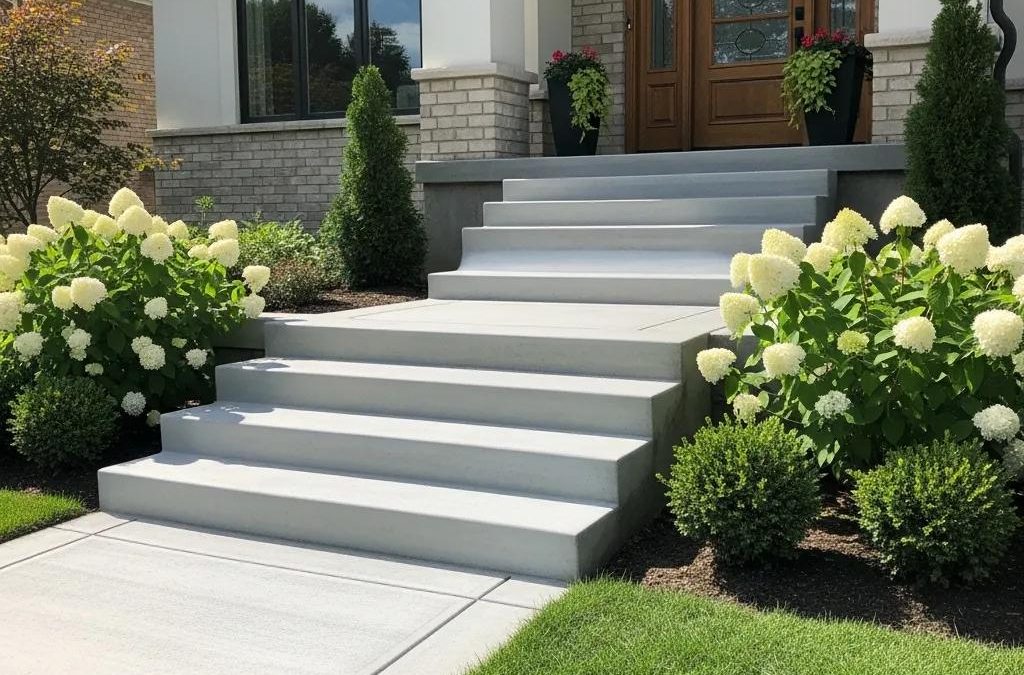
Replacing Old Concrete Steps: A Complete Guide
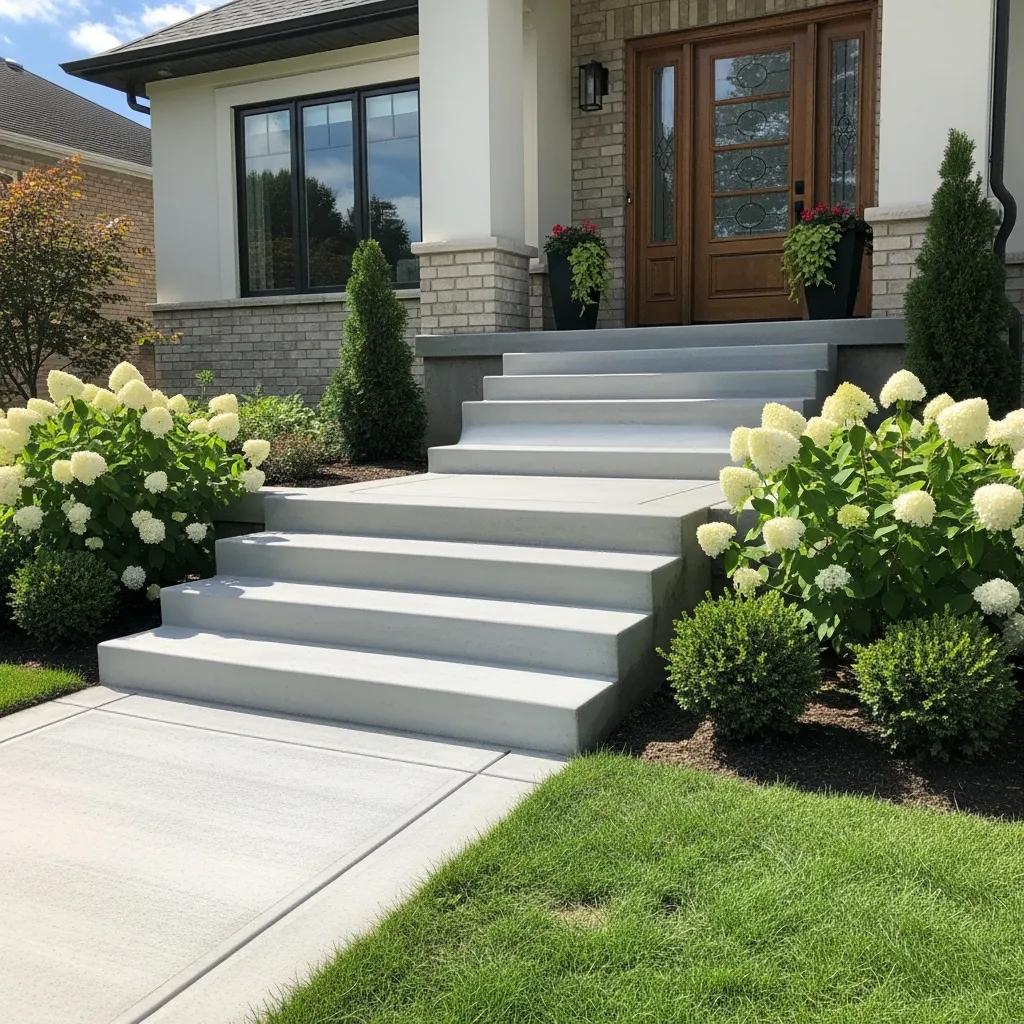
Old Concrete Step Replacement Guide: Costs, Removal & Installation
Replacing worn concrete steps improves safety and curb appeal. This concise guide explains typical costs, how old steps are removed, installation basics, maintenance, and when repair is preferable to replacement so you can plan the project with confidence.
Cost Factors

Several items drive the final price. Understand these to budget accurately and avoid surprises.
- Repair vs. Replacement Costs: Small repairs (crack filling) often cost a few hundred dollars; full replacements commonly run in the low thousands.
- Extent of Damage: More deterioration increases demolition, material, and labor needs.
- Materials Used: Standard concrete is least expensive; decorative or higher-grade mixes raise costs but can improve longevity and appearance.
- Labor Rates: Local contractor rates vary—get multiple estimates.
- Project Duration: Complex layouts or staging requirements increase labor time and cost.
Use these ranges and local estimates to set a realistic budget before hiring a contractor.
Removal Process
Removing old steps safely prepares the site for a durable replacement.
- Assessment of Existing Steps: Inspect foundations, adjoining slabs, and supports to decide how much must be removed.
- Preparation for Demolition: Clear the area, protect nearby landscaping and structures, and plan debris removal.
- Demolition Techniques: Professionals use jackhammers, saws, or hand tools as appropriate; proper debris disposal readies the site for new work.
Proper assessment and prep reduce surprises during removal.
Experts emphasize that effective concrete demolition relies on a variety of specialized techniques.
Concrete Demolition Techniques for Step Removal
Demolition of any structure is a ground to earth technique. The construction industry utilizes a variety of means for demolishing concrete.
Comparative study of demolition methods, 2017
Installation Techniques
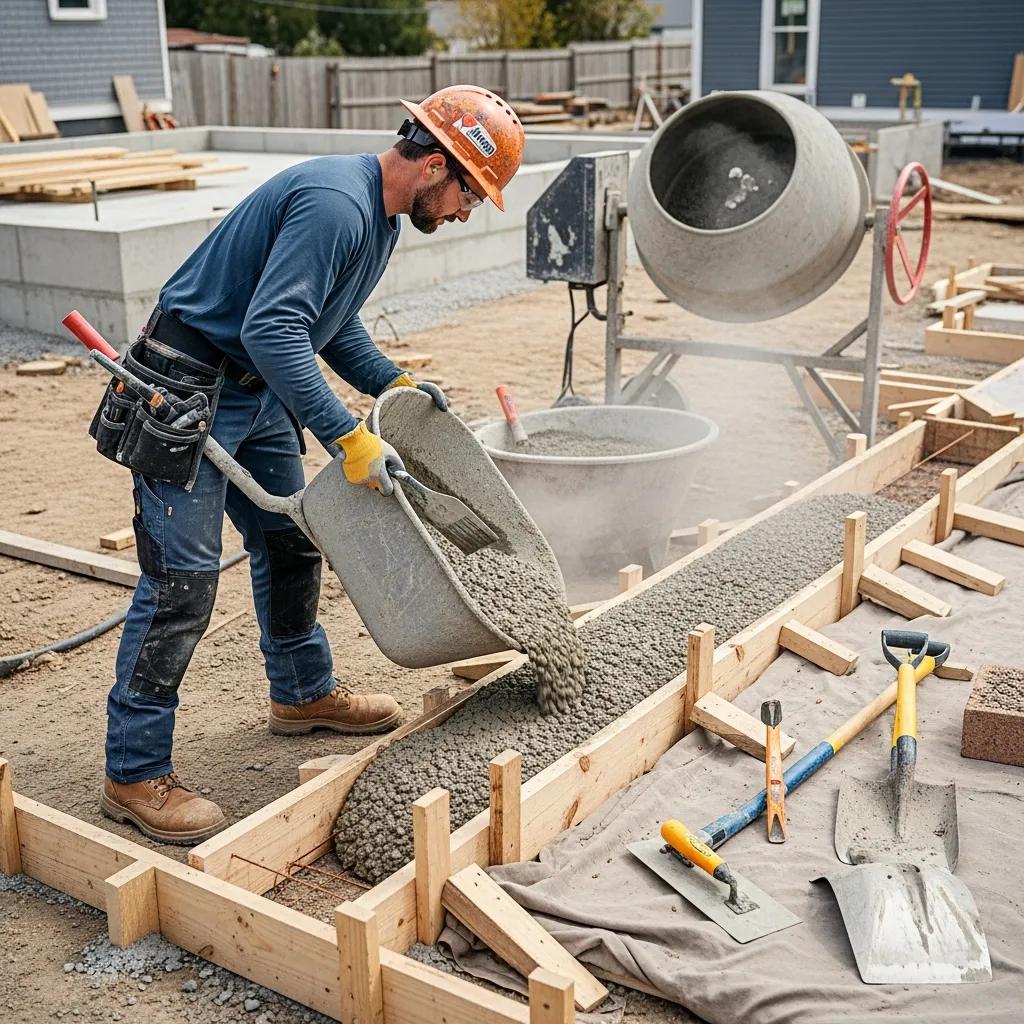
Correct installation ensures safety and long life for the new steps.
- Site Preparation: Grade for drainage, set sturdy forms, and verify dimensions before pouring.
- Mixing and Pouring Concrete: Choose a climate-appropriate mix, place concrete evenly, and consolidate to avoid voids.
- Finishing Techniques: Float and texture surfaces for slip resistance; add control joints to manage cracking as concrete cures.
Attending to these basics prevents common failures and improves durability.
Further research highlights the economic considerations and comparative effectiveness of various concrete construction techniques.
Comparing Concrete Step Installation Costs & Techniques
This study assessed three different construction techniques, namely, On-site concrete (OSC), Individual Panel System (IPS), and Prefabricated Prefinished Volumetric Construction (PPVC). On-site concrete (OSC) was shown to be an economic method by 2.4% and 4% having lower cost than PPVC and IPS.
Life cycle sustainability assessment analysis of different concrete construction techniques for residential building in Malaysia, W Sher, 2021
Maintenance Tips
Routine care keeps steps functional and attractive.
- Regular Cleaning: Sweep and wash to prevent stains and abrasive grit buildup.
- Inspecting for Cracks: Monitor cracks and spalling; repair small issues early to avoid larger failures.
- Resealing Every Few Years: Apply a quality sealer every 2–3 years to reduce water penetration and wear.
Simple maintenance extends service life and delays costly repairs.
When Should You Repair Concrete Steps Instead of Replacing Them?
Decide based on condition, cost, and safety.
Indeed, a significant portion of concrete repair efforts ultimately involves the complete replacement of damaged or deteriorated sections.
Replacing Damaged & Deteriorated Concrete
Much of the concrete repair work undertaken involved replacement of damaged or deteriorated concrete.
Compatibility of concrete repair materials and systems, 1996
- Signs of Damage: Minor cracks and surface spalling can often be repaired; structural cracking, severe spalling, or shifting usually means replacement.
- Cost Considerations: Small repairs are less expensive up front; when repairs approach replacement cost or are recurrent, replacement is typically more economical long term.
- Recommended Repair Techniques: Use epoxy or polyurethane for small-to-medium cracks; consult a pro if deterioration affects step geometry or support.
Balance immediate cost with expected longevity when choosing repair vs. replacement.
What Are the Benefits of Professional Concrete Step Installation Services?
Hiring professionals reduces risk and improves the final result.
- Quality Materials and Techniques: Pros select appropriate mixes and methods that meet local codes.
- Enhanced Safety: Experienced crews follow safety and installation best practices.
- Long-Term Cost Savings: Proper work reduces repair frequency and extends service life.
For reliable service, consider a local specialist such as Morici Bros Concrete LLC, who offer removal, replacement, and installation services.
They serve multiple areas (Their service areas) and can advise on materials, timeline, and permits.
Choosing a contractor with clear references and proper licensing helps ensure code compliance and a durable outcome. For more information, contact us.
Frequently Asked Questions
What are the common signs that indicate concrete steps need replacement?
Visible structural cracks, severe spalling, heaved or sinking treads, and instability are signs replacement is needed. Minor surface cracks and isolated chips can often be repaired.
How long does the concrete step replacement process typically take?
Most straightforward replacements take a few days for demolition, formwork, pouring, and finishing, plus curing time—plan for several days to a week depending on complexity and weather.
Can I install concrete steps myself, or should I hire a professional?
D.I.Y. is possible for small, experienced projects, but professionals ensure proper mix, formwork, drainage, and code compliance—avoiding costly mistakes.
What types of materials are best for concrete steps?
Standard concrete is durable and economical; stamped, colored, or additive-enhanced mixes offer improved aesthetics or performance—choose materials suited to your climate.
How can I prevent my new concrete steps from cracking?
Use proper mix design, install control joints, ensure drainage and compaction, and follow recommended curing and sealing practices to minimize cracking.
What should I do if my concrete steps start to show signs of wear?
Address minor cracks with appropriate fillers or sealants and monitor them. For structural issues or recurring problems, consult a professional to assess repair versus replacement.