
Revamp Your Curb Appeal: Concrete Driveway Renovation Tips
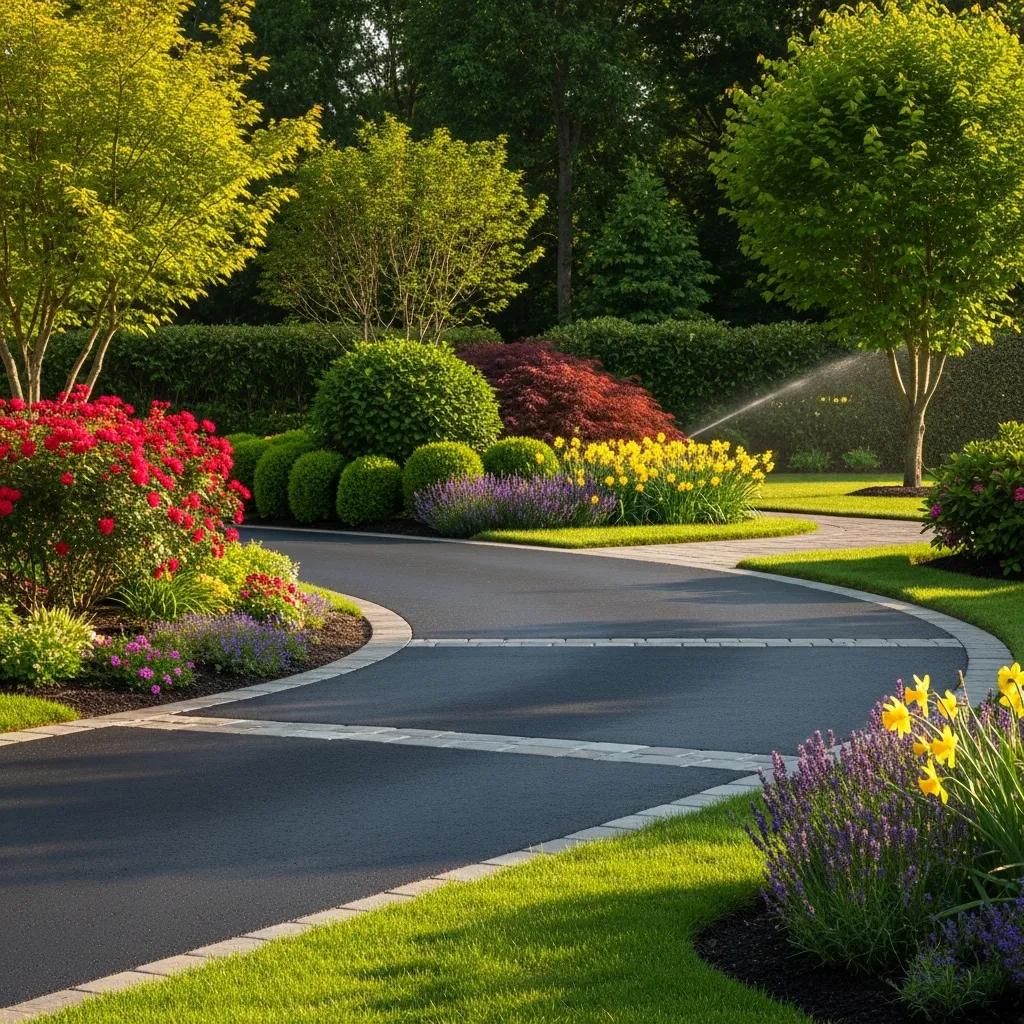
Freshly renovated concrete driveway with decorative elements, surrounded by vibrant flowers and lush greenery, enhancing curb appeal for home improvement.

Complete Driveway Renovation Guide: Repair, Resurface, Seal & Replace

Driveway renovation is a crucial aspect of home improvement that enhances both the aesthetic appeal and functionality of your property. This comprehensive guide will delve into various methods of driveway renovation, including repair, resurfacing, sealing, and replacement. Homeowners often face challenges such as cracks, uneven surfaces, and fading materials, which can detract from the overall value of their property. By understanding the best practices and materials for driveway renovation, you can make informed decisions that will not only improve your driveway’s appearance but also extend its lifespan. This article will cover the best materials for driveway renovation, cost considerations, key methods and services, contractor selection tips, maintenance strategies, and advanced drainage solutions.

What Are the Best Materials for Driveway Renovation?

Choosing the right materials for driveway renovation is essential for ensuring durability and aesthetic appeal. Various options are available, each with its unique benefits and drawbacks. Understanding these materials can help homeowners make informed decisions that align with their needs and budget.

How Do Concrete and Asphalt Compare for Driveway Repair?
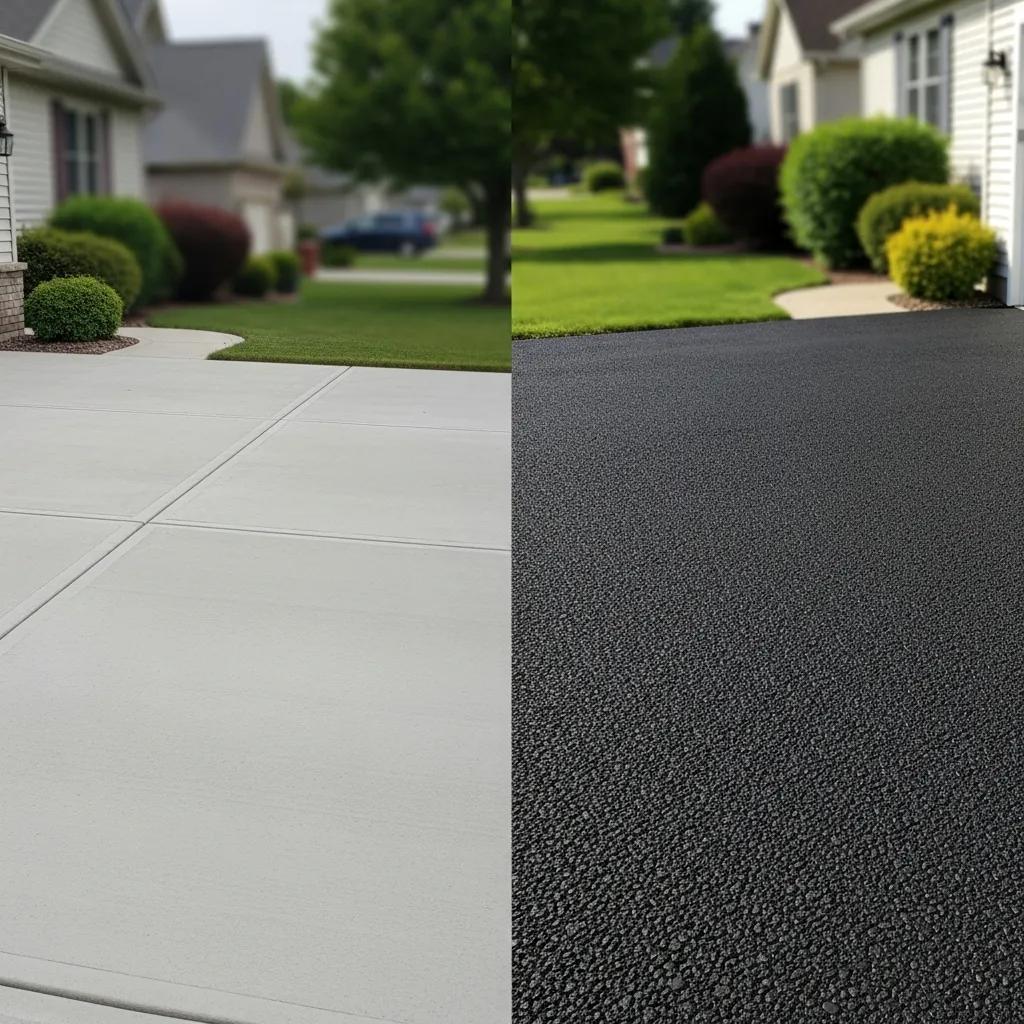
Comparison of concrete and asphalt driveway materials in a residential setting, showcasing a smooth, light-colored concrete surface on the left and a textured, dark asphalt surface on the right, emphasizing options for driveway renovation.

Concrete and asphalt are the two most common materials used for driveway repair. Concrete is known for its durability and longevity, often lasting 25 to 40 years with proper maintenance. It is resistant to weather conditions and can withstand heavy loads. However, it can be more expensive upfront and may require sealing to prevent cracking and surface damage. On the other hand, asphalt is generally less expensive and quicker to install, making it a popular choice for many homeowners. It typically lasts around 15-20 years but requires more frequent maintenance, such as sealing every 2 to 3 years to extend its lifespan.

Further research emphasizes the critical role of material selection in determining the long-term performance and durability of driveway infrastructure.

Asphalt vs. Concrete: Driveway Material Performance & Lifespan

Highway construction materials play a critical role in determining the durability, strength, and long-term performance of road infrastructure. The selection of appropriate materials impacts not only the structural integrity of highways but also their maintenance costs and lifespan. However, there is often a challenge in determining which material offers optimal performance under varying environmental and load conditions.

Evaluation of Highway Construction Materials Performance: A Comparative Study of Asphalt Concrete and Portland Cement Concrete, BU Ngene, 2025

What Are Sustainable and Decorative Material Options?

Sustainable and decorative materials are gaining popularity in driveway renovation. Options such as permeable pavers allow water to drain through, reducing runoff and promoting groundwater recharge. Decorative concrete options, including stamped or stained concrete, can enhance the visual appeal of a driveway while providing the durability of traditional concrete. These materials not only contribute to environmental sustainability but also offer homeowners a chance to express their style and preferences.

How Much Does Driveway Renovation Cost?

Understanding the costs associated with driveway renovation is crucial for budgeting and planning. Various factors influence the overall expense, including material choice, labor costs, and the extent of the renovation required.

What Factors Influence Driveway Resurfacing and Replacement Costs?

Several factors can significantly impact the cost of driveway resurfacing and replacement. Labor costs vary by region and can account for a substantial portion of the total expense. Material prices fluctuate based on availability and quality, with concrete generally being more expensive than asphalt. Additionally, geographical variations can affect pricing, as some areas may have higher demand for specific materials or services.

How to Estimate Costs for Concrete and Asphalt Renovations?

Estimating costs for concrete and asphalt renovations involves calculating the price per square foot for each material. For concrete, costs typically range from $5 to $10 per square foot, while asphalt averages between $3 to $6 per square foot. Homeowners should also consider hidden costs, such as site preparation and potential drainage solutions, which can add to the overall budget. Utilizing online calculators or consulting with contractors can provide more accurate estimates tailored to specific projects.

What Are the Key Driveway Renovation Methods and Services?

Driveway renovation encompasses various methods and services designed to restore or enhance the surface. Understanding these options can help homeowners choose the best approach for their needs.

How Is Concrete Driveway Repair Performed?

Concrete driveway repair typically involves several steps, including cleaning the surface, filling cracks, and applying a sealant. The first step is to remove any debris or loose material, ensuring a clean surface for repairs. Next, cracks are filled with a suitable concrete patching compound, which is smoothed out to create a seamless finish. Finally, a sealant is applied to protect the surface from moisture and UV damage, extending the driveway’s lifespan.

What Does Asphalt Driveway Resurfacing Involve?

Asphalt driveway resurfacing involves applying a new layer of asphalt over the existing surface, often after cleaning and repairing any significant cracks or potholes. This process begins with cleaning the surface and repairing any significant cracks or potholes. After preparation, a new layer of asphalt is applied, which is then compacted to ensure a smooth finish. The resurfacing process typically takes a few hours to a day, with curing times varying based on weather conditions, usually allowing use within 24 to 48 hours.

How to Choose the Right Contractor for Driveway Renovation?

Selecting the right contractor for driveway renovation is crucial for ensuring quality work and satisfactory results. Homeowners should consider several factors when making their choice.

What Credentials and Experience Should Contractors Have?

When evaluating contractors, homeowners should look for specific credentials and experience. Licensed and insured contractors provide a level of assurance regarding their professionalism and adherence to local regulations. Additionally, contractors with extensive experience in driveway renovation are more likely to deliver high-quality results. Checking references and reviewing past projects can also provide insight into a contractor’s capabilities.

How to Compare Quotes and Services Effectively?

Comparing quotes and services from different contractors requires careful consideration. Homeowners should request detailed estimates that outline the scope of work, materials to be used, and timelines. Key factors to compare include pricing, warranty offerings, and the contractor’s reputation. It’s essential to watch for red flags, such as unusually low bids or vague descriptions of services, which may indicate potential issues.

How to Maintain and Extend the Life of Your Renovated Driveway?

Proper maintenance is vital for extending the life of a renovated driveway. Regular care can prevent costly repairs and ensure the surface remains in good condition.

What Are the Benefits of Driveway Sealing Services?

Driveway sealing services offer several benefits, including protection from the elements and enhanced appearance. Sealing helps prevent water infiltration, which can lead to cracking and deterioration over time. Additionally, a sealed driveway is easier to clean and maintain, as it resists stains from oil and other substances. Regular sealing can significantly extend the lifespan of both concrete and asphalt driveways.

How to Perform Regular Maintenance and Crack Repairs?
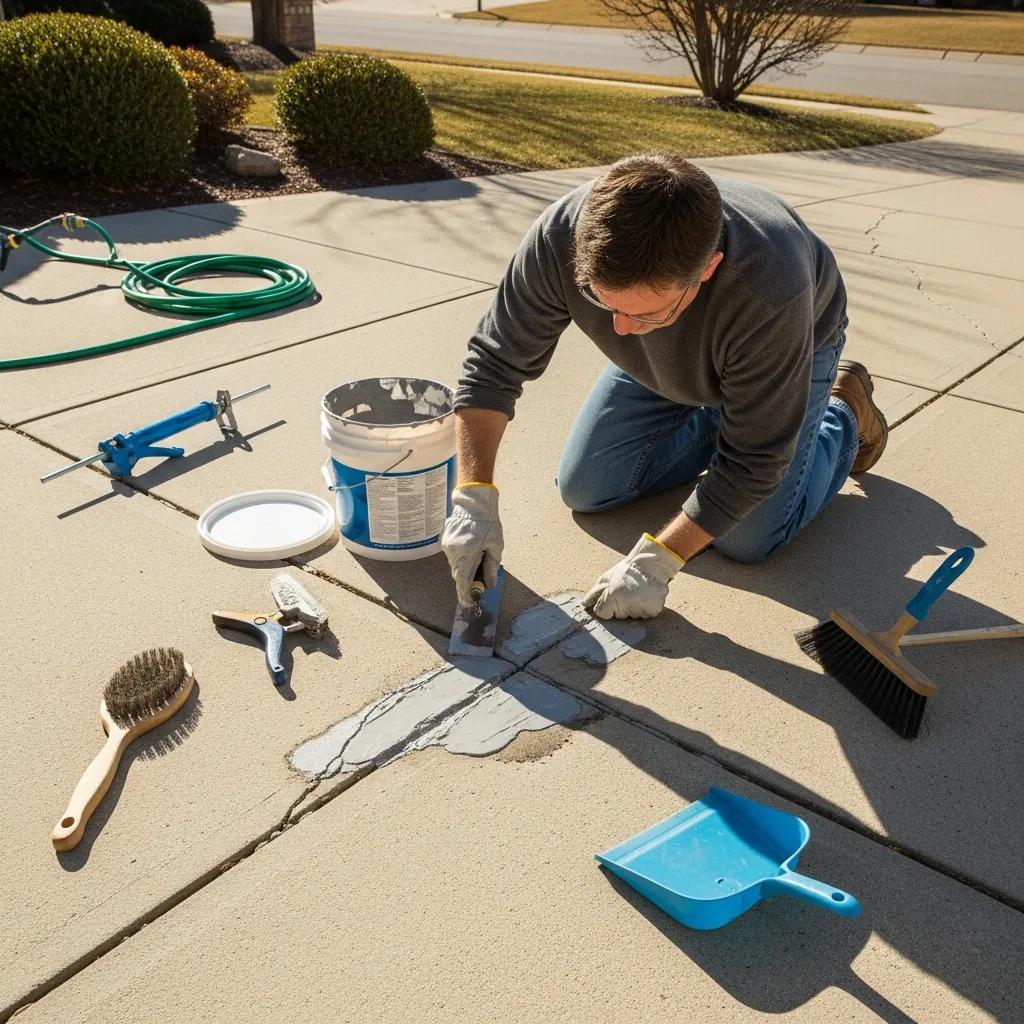
Homeowner applying patching compound to a cracked concrete driveway with maintenance tools, including a trowel, brush, and bucket, emphasizing DIY driveway repair and upkeep.

Regular maintenance involves routine inspections and prompt repairs to address any issues. Homeowners should check for cracks, potholes, and signs of wear at least twice a year. For minor cracks, a simple patching compound can be applied, while larger issues may require professional intervention. Keeping the driveway clean and free of debris also helps prevent damage and prolongs its life.

What Are Advanced Drainage Solutions for Driveway Renovation?

Effective drainage solutions are essential for maintaining the integrity of a driveway. Poor drainage can lead to water pooling, which can damage the surface and underlying materials.

Why Is Proper Drainage Important for Driveway Longevity?

Proper drainage is crucial for driveway longevity as it prevents water accumulation that can weaken the surface. Water pooling can lead to erosion, cracking, and other structural issues. Implementing effective drainage solutions, such as French drains or permeable pavers, can help manage water flow and protect the driveway from damage.

What Smart Drainage Options Can Be Integrated?

Smart drainage options, such as rain gardens and bioswales, can be integrated into driveway designs to enhance water management. These solutions not only improve drainage but also contribute to environmental sustainability by promoting groundwater recharge and reducing runoff. Homeowners should consider these innovative options when planning their driveway renovation to ensure long-term performance and ecological benefits.