Frequently Asked Questions
Why are admixtures used in concrete?
Admixtures are used in concrete to enhance its performance, durability, and workability. They allow for improved setting times, increased strength, and better resistance to environmental factors, making concrete more versatile for various construction applications.
What are cement additives?
Cement additives are materials added to cement to enhance its properties and performance. They improve workability, strength, durability, and setting times, making them essential for various construction applications.
What additives make concrete stronger?
The additives that make concrete stronger include superplasticizers, which enhance workability, and silica fume, which improves strength and durability. Additionally, fiber reinforcement can increase tensile strength and reduce cracking, contributing to overall concrete performance.
What is concrete additives?
Concrete additives are materials added to concrete to enhance its performance, workability, and durability. These admixtures can improve various properties, such as setting time, strength, and resistance to environmental factors.
Concrete admixture what is it?
Concrete admixtures are materials added to concrete before or during mixing to enhance its properties, such as workability, durability, and strength. They play a crucial role in optimizing concrete performance for various construction applications.
Why concrete admixture?
The importance of concrete admixtures lies in their ability to enhance the performance and durability of concrete. They improve workability, reduce water content, and increase resistance to environmental factors, making them essential for high-quality construction projects.
What are concrete additives?
Concrete additives are substances added to concrete mixtures to enhance their properties, such as workability, strength, and durability. These admixtures can improve performance in various construction applications, making them essential for high-quality concrete work.
When to use concrete additives?
The appropriate times to use concrete additives are during specific conditions such as extreme temperatures, when enhancing durability or workability is needed, or to achieve specific performance characteristics in your concrete mix.
How do admixtures improve concrete durability?
Admixtures improve concrete durability by enhancing its resistance to environmental factors, reducing permeability, and increasing strength. These additives can also help control setting times and improve workability, leading to longer-lasting concrete structures.
What types of cement additives exist?
The types of cement additives that exist include chemical admixtures, such as plasticizers, retarders, accelerators, and air-entraining agents, as well as mineral additives like fly ash, slag, and silica fume, each enhancing concrete performance and durability.
Which additives enhance concretes strength?
The additives that enhance concrete's strength include superplasticizers, which improve workability and reduce water content, and silica fume, which increases density and strength. Additionally, fly ash and slag cement can also contribute to enhanced strength properties.
What role do concrete admixtures play?
The role of concrete admixtures is to enhance the performance, workability, and durability of concrete. These additives allow for improved mixing, setting, and curing processes, ultimately leading to higher-quality construction outcomes.
How are concrete additives applied in construction?
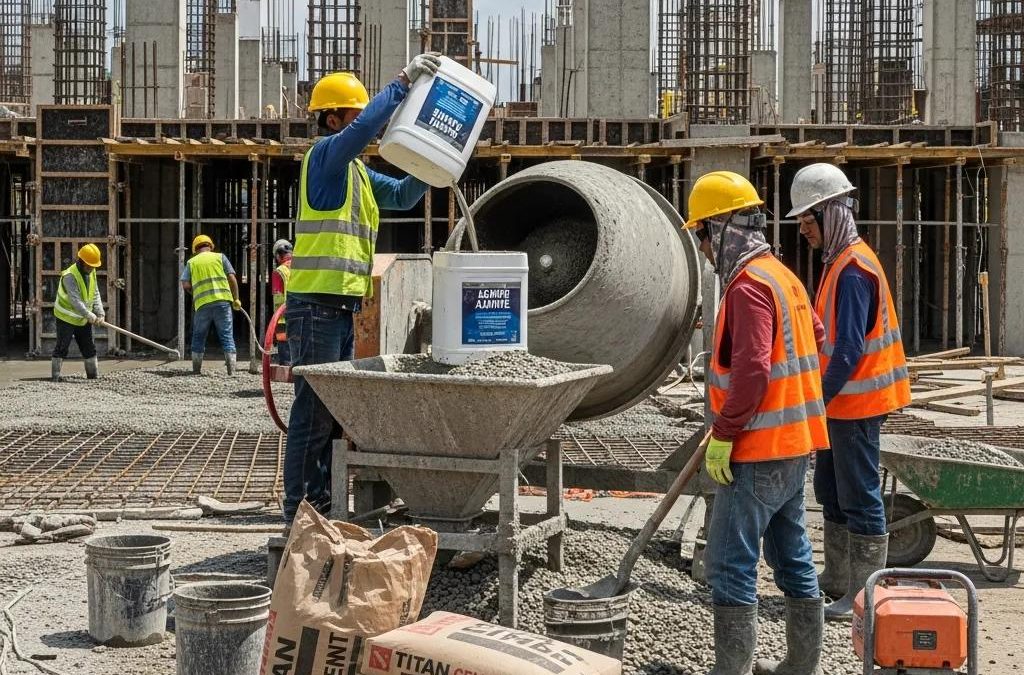
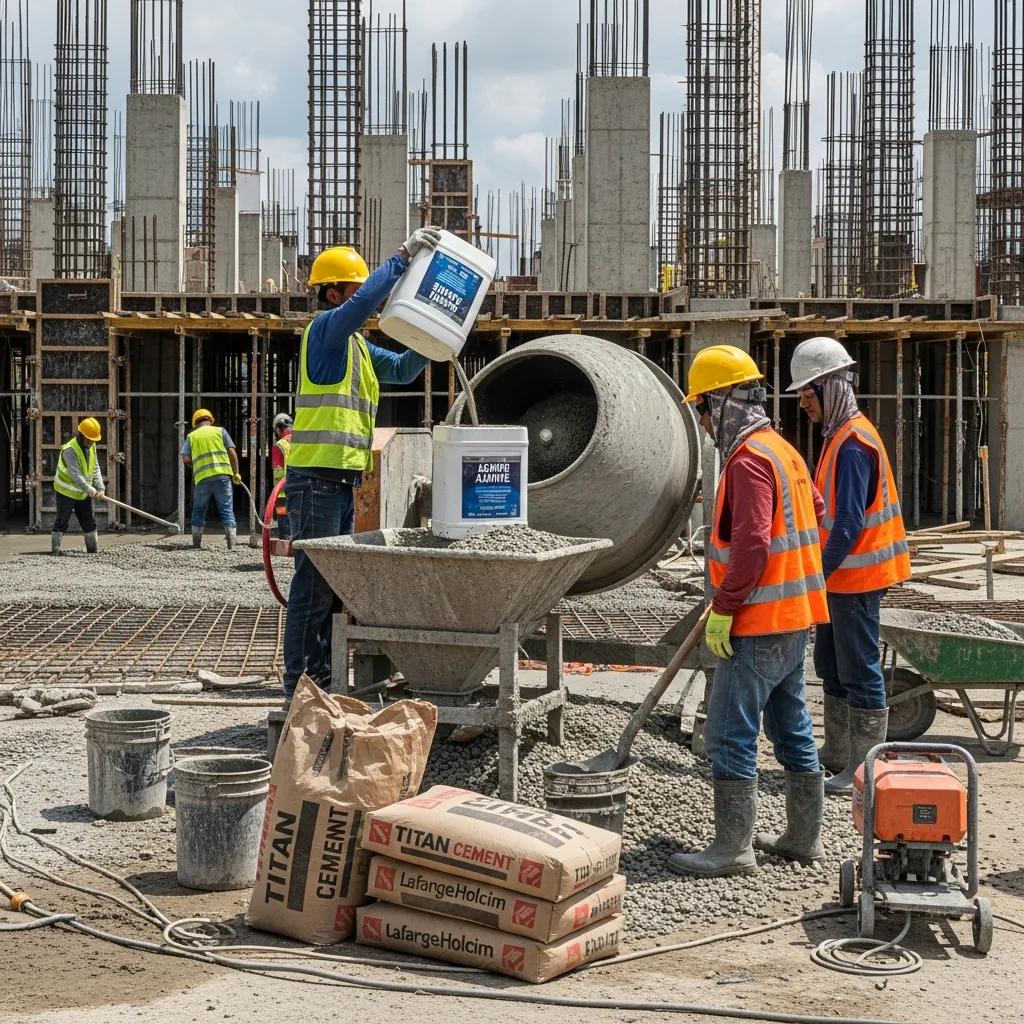
Concrete additives are applied in construction by mixing them directly into the concrete before or during the mixing process, enhancing its performance and durability for various applications.
What benefits do concrete admixtures provide?
The benefits of concrete admixtures include improved workability, enhanced durability, increased strength, and better resistance to environmental factors. These additives optimize concrete performance, making it suitable for a variety of construction applications.
When should I use cement additives?
The appropriate times to use cement additives are during specific construction conditions, such as when enhanced workability, faster setting times, improved durability, or resistance to environmental factors are required for optimal concrete performance.
How do admixtures affect concrete setting time?
Admixtures can significantly influence concrete setting time by either accelerating or delaying the curing process. Accelerating admixtures speed up hydration, resulting in quicker setting, while retarding admixtures slow down the process, allowing for extended workability.
What is the purpose of using additives?
The purpose of using additives in concrete is to enhance its performance and durability. These admixtures improve workability, reduce water requirements, accelerate curing, and enhance resistance to environmental factors, ultimately leading to stronger and more reliable concrete structures.
Can additives reduce concrete shrinkage?
Additives can effectively reduce concrete shrinkage. By incorporating specific admixtures, such as shrinkage-reducing agents, the overall volume change during the curing process can be minimized, enhancing the durability and longevity of the concrete.
How do chemical admixtures work in concrete?
Chemical admixtures enhance concrete performance by altering its properties during the mixing process. They improve workability, accelerate or retard setting times, and increase durability, ensuring the concrete meets specific project requirements.
What are the common types of concrete admixtures?
The common types of concrete admixtures include plasticizers, which improve workability; accelerators, which speed up curing; retarders, which delay setting time; and air-entraining agents, which enhance durability and resistance to freeze-thaw cycles.
How do additives influence concrete workability?
Additives influence concrete workability by modifying its consistency and flow characteristics. They can enhance the ease of mixing, placing, and finishing, ensuring a more workable mixture that meets specific project requirements.
What factors determine the choice of admixtures?
The factors that determine the choice of admixtures include the specific performance requirements of the concrete, environmental conditions, desired workability, and the intended application of the concrete in construction projects.
How do admixtures impact concretes thermal properties?
Admixtures significantly influence concrete's thermal properties by modifying its heat retention and transfer capabilities. These additives can enhance insulation, reduce thermal cracking, and improve overall energy efficiency in structures.
What is the difference between additives and admixtures?
The difference between additives and admixtures lies in their application; additives are materials added to the cement or concrete mix to enhance properties, while admixtures are specifically included in the concrete mix to modify its behavior and performance during mixing and curing.
How do admixtures affect concretes water resistance?
Admixtures significantly enhance concrete's water resistance by reducing permeability and improving the material's density. This results in less water absorption, leading to increased durability and longevity of concrete structures in various environmental conditions.
What are the environmental benefits of using additives?
The environmental benefits of using additives are significant. They enhance concrete's durability and longevity, reducing the need for repairs and replacements, which in turn minimizes waste and resource consumption in construction projects.
How do you select the right concrete admixture?
Selecting the right concrete admixture involves assessing the specific requirements of your project, such as desired strength, workability, and environmental conditions. Consulting with a concrete expert can help ensure you choose the most suitable additive for optimal performance.
What is the cost impact of using additives?
The cost impact of using additives in concrete can vary, but they often lead to long-term savings by improving durability and reducing maintenance costs, ultimately enhancing the overall value of the construction project.
How do admixtures improve concretes freeze-thaw resistance?
Admixtures enhance concrete's freeze-thaw resistance by reducing water permeability and improving the microstructure. This minimizes the risk of cracking and damage from freeze-thaw cycles, ensuring greater durability and longevity in harsh weather conditions.
What innovations exist in concrete admixture technology?
Innovations in concrete admixture technology include the development of smart admixtures that enhance performance, sustainability-focused additives that reduce environmental impact, and advanced polymers that improve durability and resistance to harsh conditions.