
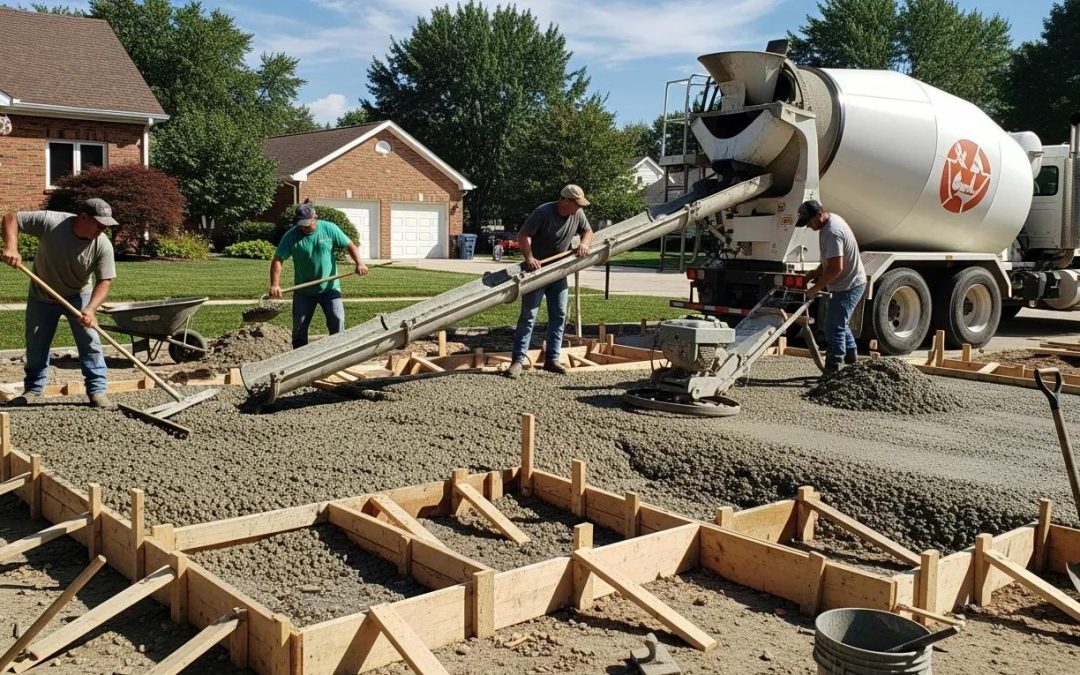
What to Expect During a Professional Concrete Installation Project
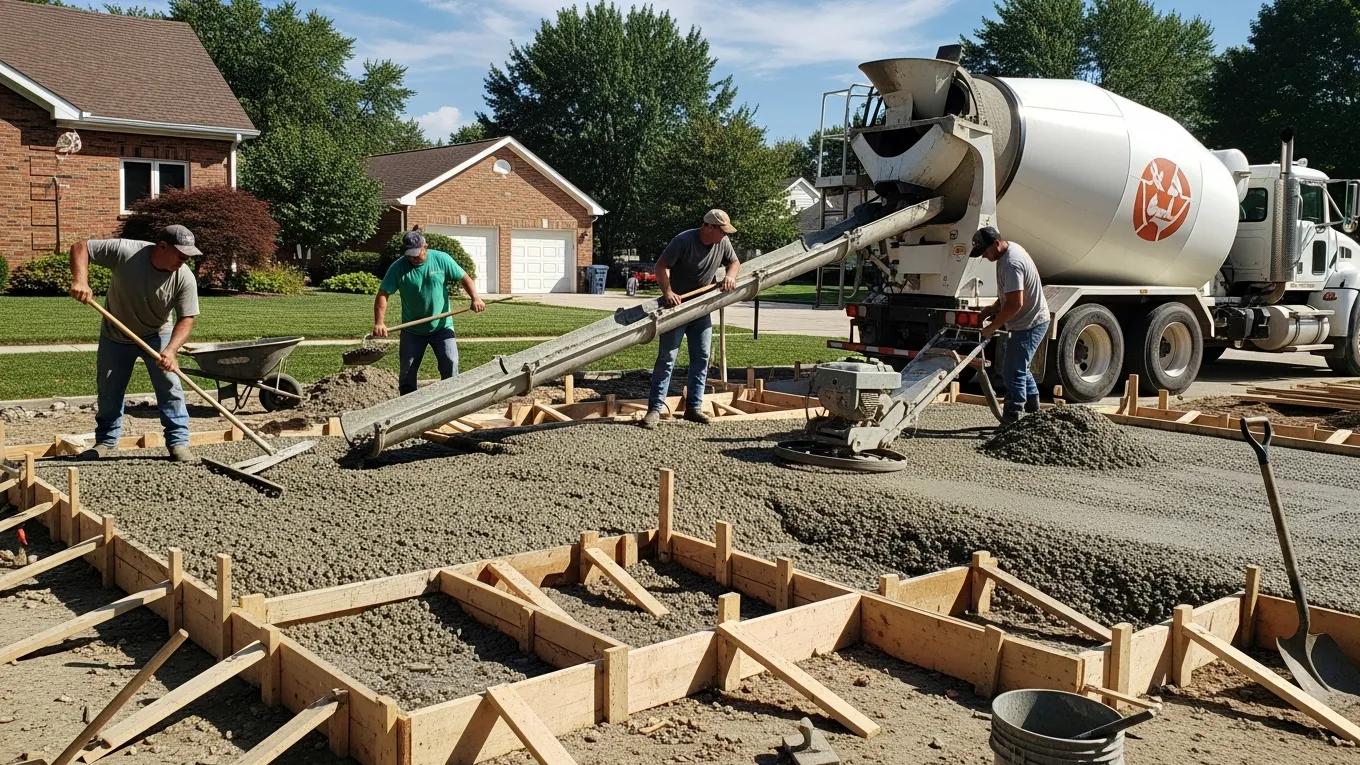
What to Expect During a Professional Concrete Installation Project in Milwaukee
By Steve Morici, Morici Bros Concrete LLC | Milwaukee’s Top
Planning a concrete installation can feel complex. This article outlines the main stages—preparation, pouring, curing, timeline, costs, and quality checks—so Milwaukee homeowners know what to expect and how to prepare for a smooth project.
Milwaukee Concrete Installation: Key Stages & Expectations
Preparation sets the stage for a durable installation. Key items are a site assessment, correct formwork, and clear equipment access to avoid delays and problems during the pour.
Site Preparation Steps
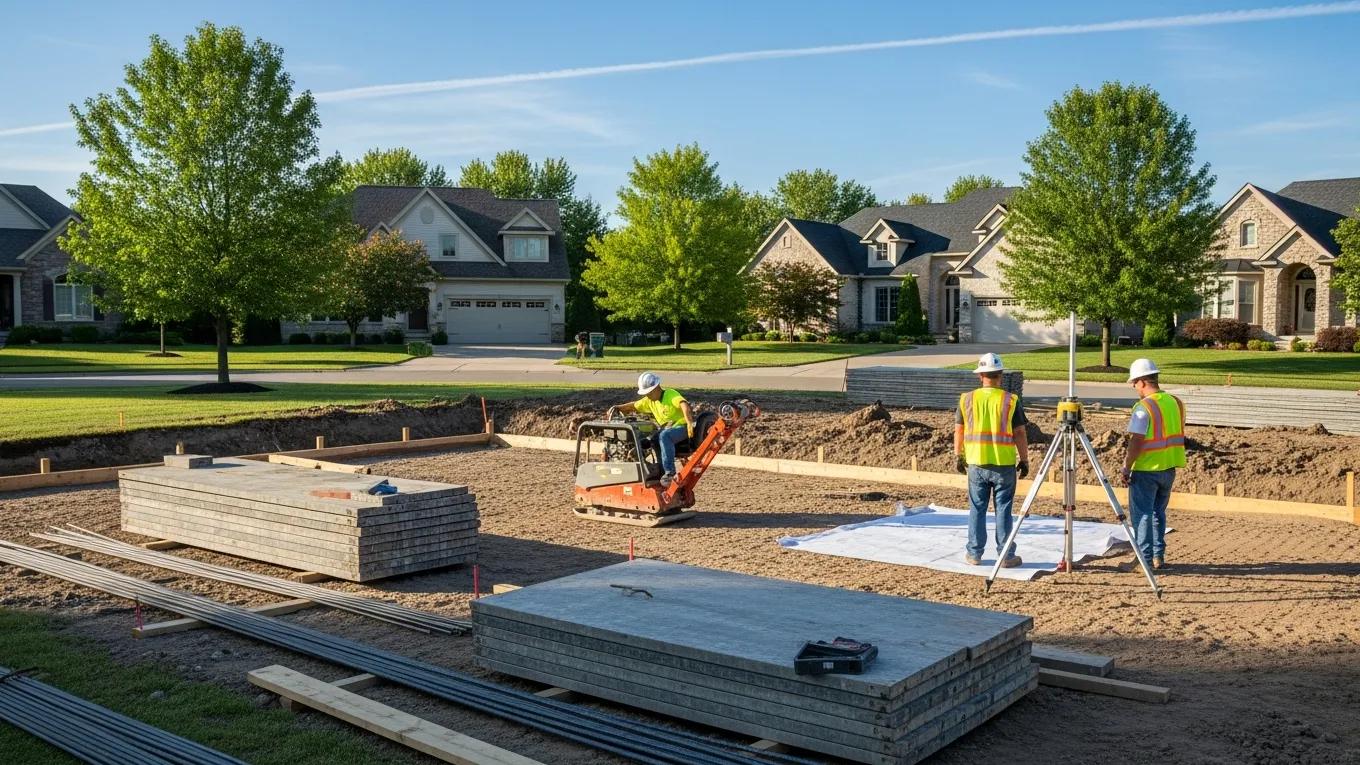
Clear debris and vegetation, remove obstacles, level and compact the ground to form a stable base before pouring.
Importance of Formwork
Well-built formwork shapes the concrete, prevents leaks, and ensures accurate edges and thickness for the intended finish and structure.
Concrete Pouring Techniques
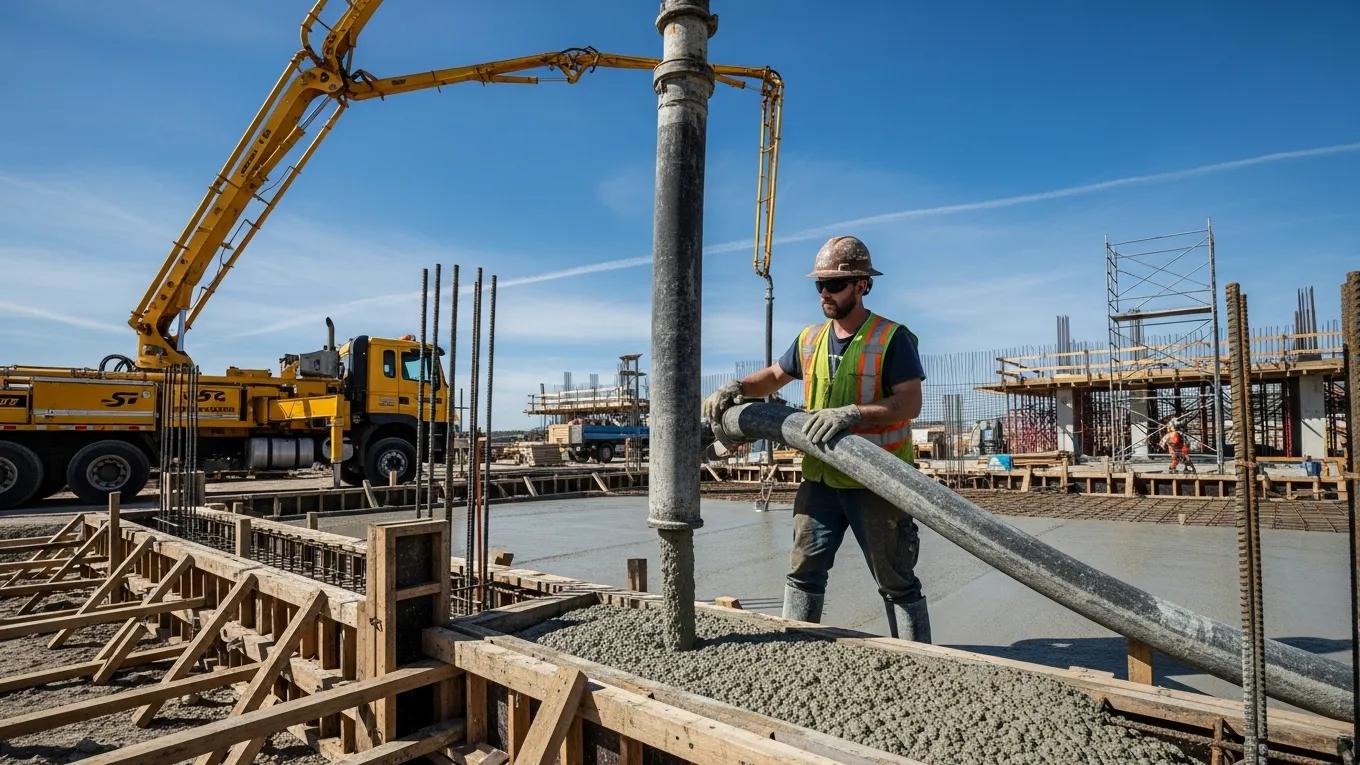
Contractors choose chute, pump, or other methods based on site access and project size to place concrete efficiently and consistently.
Timeline
Project length varies with size, design, and weather. Knowing realistic timing helps with planning and staging other work.
Typical Project Duration
Small projects (patios) often finish in days; larger work (driveways, foundations) may span a week or more depending on prep and weather.
Factors Affecting Timeline
Rain, heat or cold, design complexity, and decorative work can all extend the schedule; contractors usually plan around these variables.
Curing Time Expectations
Concrete gains usable strength in about 7 days but typically reaches full design strength near 28 days; heavier loads should be avoided until curing permits.
Further research emphasizes the critical role of proper curing periods and the detrimental impact of delays, particularly in challenging weather conditions.
Concrete Curing in Hot Weather: Period & Delay Effects
The effect of curing period and of delay in carrying out curing by the wet burlap method on some properties of concrete with different mix proportions (cement content, water content) in hot weather was studied. The results show that a minimum of 3 days curing was sufficient for rich mixes, while a longer period was required for leaner mixes (min. 7 days). The delay of curing had a harmful effect on concrete and the first day of delay caused the largest effect. Curing after delaying increased the compressive strength of concrete, but it did not recover the reduction in strength caused by the curing delay.
The effect of curing period and curing delay on concrete in hot weather, 1988
Costs
Costs depend on project type, size, materials, and finishes. Request multiple estimates to compare scope and value.
For Milwaukee homeowners, getting detailed bids from several contractors helps ensure competitive pricing and clear expectations.
Importance of Getting Estimates
Detailed estimates show cost breakdowns and let you compare materials, labor, timelines, and warranties rather than choosing by price alone.
Quality Assurance Measures
Reliable contractors follow standards, test materials, and document work so installations last and meet building requirements.
Warranties Offered by Contractors
Warranties cover workmanship and materials for a set period; confirm specific terms before hiring.
Importance of Communication
Clear, regular updates reduce misunderstandings and keep the schedule and scope aligned with homeowner expectations.
Curing Process Significance
Maintaining moisture and temperature during curing improves strength and reduces cracking; discuss methods like wet curing or curing compounds with your contractor.
What Are the Key Steps in the Concrete Installation Process?
Understanding the main steps helps homeowners prepare and coordinate the project.
- Site Preparation: Clearing and leveling the area to create a stable base.
- Formwork Installation: Constructing forms to shape the concrete.
- Concrete Pouring: Pouring the concrete using appropriate techniques.
- Finishing: Smoothing and texturing the surface as needed.
- Curing: Allowing the concrete to set and gain strength.
Following these steps carefully yields a durable, well-finished installation.
How Does Property Preparation Impact Concrete Quality?
Proper preparation prevents cracking, settling, and drainage problems that undermine concrete performance over time.
Importance of Site Preparation
Good drainage, correct slopes, and a stable base reduce water pooling and soil movement that can damage concrete.
Foundation Excavation
Excavate to the right depth for the loading conditions and backfill with suitable base material to support the slab or structure.
Soil Compaction
Proper compaction removes air pockets and stabilizes the base to minimize future settling and extend service life.
Studies highlight how various compaction methods significantly contribute to the mechanical properties and long-term durability of stabilized soil.
Concrete Compaction Methods for Strength & Durability
Cement stabilized soil is usually compacted by different mechanical methods to increase its strength and durability. This paper summarizes the results of an experimental study on the effect of different compaction methods on the performance of stabilized soil. The compaction methods investigated were either static compaction by applying a static pressure using an universal compression testing machine, dynamic compaction by a drop weight method, or static compaction coupled with vibration. All methods were applied on unstabilized soil or cement stabilized soil. The effect of each method of stabilization on compressive strength, shrinkage and water resistance are reported. Dynamic compaction with about 8% of cement content seems to give the best performance for the soil investigated.
Experimental analysis of the effect of some compaction methods on mechanical properties and durability of cement stabilized soil, S Kenai, 2006
What Are the Essential Concrete Pouring and Finishing Techniques?
Mix, place, and finish correctly to achieve strength and the desired surface. Each stage affects durability and appearance.
Concrete Mixing
Maintain proper cement-to-aggregate ratios and water control to ensure consistent strength and workability.
Pouring Techniques
Use pumps for large or hard-to-reach areas and chutes or wheelbarrows for smaller pours; place concrete promptly to avoid segregation.
Finishing Methods
Choose troweling, brooming, stamping, or other finishes based on slip resistance and aesthetic needs.
How Long Does a Typical Concrete Project Take in Milwaukee?
Local weather and project complexity determine the schedule; plan for flexibility during seasonal extremes.
Weather Impact
Rain, heat, or freezing temperatures can delay work or require protective measures like curing blankets and rapid-setting mixes.
Design Complexity
Intricate forms, embedded items, or decorative finishes add time for setup and finishing.
What Is the Expected Timeline for Concrete Curing and Setting?
Allow at least a week before heavy use and plan for near-full strength by 28 days, adjusting for temperature and mix design.
Curing Time Expectations
Short-term strength appears early; final strength depends on curing conditions—discuss timing with your contractor.
Factors Affecting Curing
Temperature, humidity, and admixtures influence curing speed; contractors may use water, membranes, or curing compounds to control the process.
How Do Weather and Local Conditions Affect Project Duration?
Season, temperature swings, and precipitation require schedule adjustments; spring and fall are generally easier for outdoor concrete work.
Temperature Effects
High heat speeds evaporation and may need additional curing; cold slows hydration and can require heated protection.
Seasonal Considerations
Plan major pours outside freezing months or use techniques to mitigate cold-weather risks.
Precipitation Impact
Rain can postpone pours or damage fresh surfaces; contractors often set contingency plans to protect work.
Why Choose a Professional Concrete Contractor in Milwaukee?
Experienced contractors provide workmanship, code compliance, and safety practices that reduce risk and improve outcomes.
Quality Workmanship
Skilled teams place, finish, and cure concrete to industry standards and local expectations.
Compliance with Regulations
Professionals know local codes and inspection requirements and handle permits and documentation correctly.
Safety Considerations
Trained crews follow protocols for heavy equipment, material handling, and site safety to protect people and property.
What Expertise and Quality Standards Does Morici Bros Concrete LLC Provide?
Morici Bros Concrete LLC serves Milwaukee with residential and light commercial projects, focusing on reliable materials, clear communication, and consistent finishes.
Quality Materials Used
The company uses appropriate aggregates, cement blends, and reinforcements to match project demands.
Customer Satisfaction Guarantees
Guaranteed workmanship and responsive service help ensure clients are satisfied with the result.
Examples of Work Quality
A project portfolio shows finished driveways, patios, and slabs to demonstrate consistency and detail.
How Does Customer Satisfaction Reflect Reliable Concrete Services?
Reviews and references reveal a contractor’s communication, timeliness, and lasting workmanship—key indicators when choosing a provider.
Indicators of Service Quality
Consistent on-time completion, transparent pricing, and good post-installation support show professionalism.
Customer Feedback Examples
Look for specific comments about cleanup, finish quality, and whether timelines were met.
Trust and Reliability
A contractor committed to follow-up and warranty work is more likely to stand behind their installations.
How Can Homeowners Prepare for a Concrete Installation Project?
Clear the area, provide access for equipment, and review materials and timing with the contractor before work begins.
Site Preparation Steps
Remove plants, obstacles, and loose items; mark utilities and discuss access points to keep the project moving.
Necessary Materials
Confirm mix type, reinforcement, and finish options so materials arrive as scheduled.
Timeline Considerations
Agree on a schedule including contingency days for weather or unexpected site issues.
What Are the Best Practices for Site Preparation and Access?
A good site assessment, clearing obstacles, and ensuring machine access reduce delays and extra costs.
Site Assessment Importance
Identify drainage, load requirements, and underground utilities before excavation begins.
Clearing the Area
Remove debris and vegetation and protect adjacent landscaping or structures.
Access for Equipment
Provide clear routes for trucks and pumps and plan staging areas for materials.
How to Request a Free Concrete Installation Estimate in Milwaukee?
Requesting estimates is the first step to compare scope, price, and timelines from qualified contractors.
For homeowners looking for reliable concrete services, contacting a provider like Morici Bros Concrete LLC is a great first step.
Contacting a Provider
Reach out to local contractors to start a conversation and request a written estimate.
Providing Project Details
Share project type, dimensions, access constraints, and preferred finishes to get an accurate bid.
Scheduling an On-Site Visit
An on-site visit lets contractors confirm measurements, site conditions, and any potential challenges.
If you’re located in the Milwaukee area, consider exploring the service areas offered by local professionals to ensure they can assist with your project.
Frequently Asked Questions
What are the common mistakes to avoid during concrete installation?
Avoid poor site prep, incorrect mix ratios, rushed finishing, and neglecting curing; hire experienced contractors who follow best practices.
How can I maintain my concrete surfaces after installation?
Regular cleaning, periodic sealing, timely crack repair, and avoiding de-icing salts help extend the life and appearance of concrete.
What types of decorative finishes are available for concrete?
Stamped, stained, polished, broomed, and exposed aggregate finishes provide a range of textures and appearances to suit different tastes.
What should I consider when choosing a concrete contractor?
Check experience, licenses, insurance, references, portfolio, and clear communication about price and schedule.
How does the weather affect concrete installation?
Weather impacts pouring and curing; contractors plan for heat, cold, and rain with scheduling and protective measures.
What are the benefits of using high-quality materials in concrete projects?
Quality materials improve durability, reduce maintenance, and yield a better-looking, longer-lasting surface.
What is the role of curing in concrete installation?
Curing controls moisture and temperature to allow proper hydration; it reduces cracking and helps the concrete reach designed strength.