
Why Choose Concrete for Your Project?

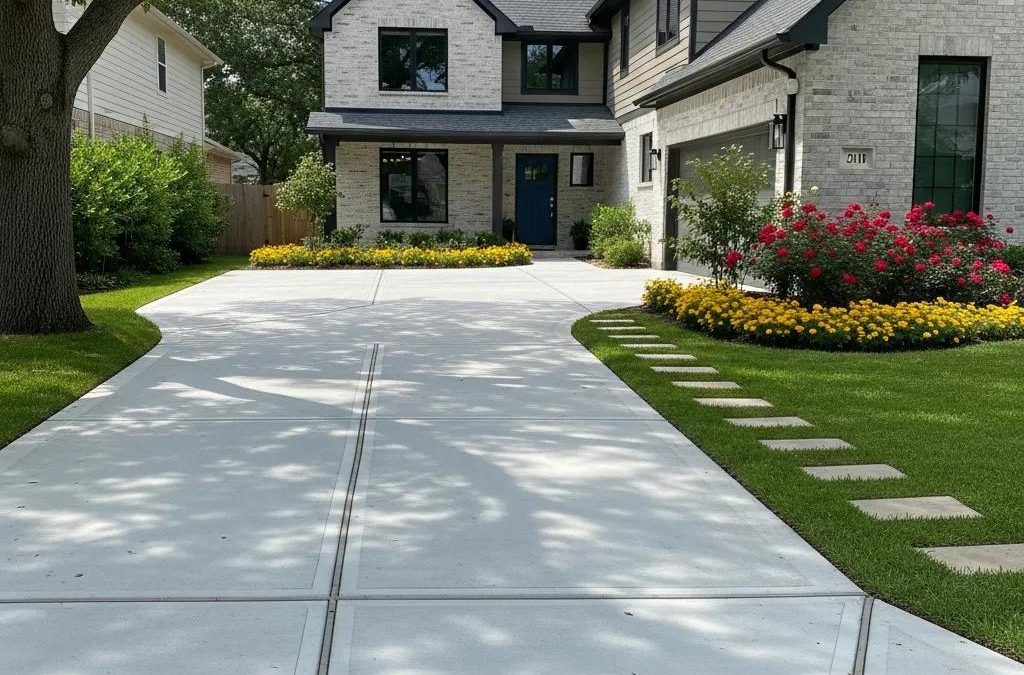
Beautifully finished concrete driveway leading to a modern residential home with landscaped flower beds and greenery, showcasing the durability and aesthetic appeal of concrete for construction projects.

Key Benefits of Concrete for Residential & Commercial Projects

Concrete is a versatile and durable construction material that has been a staple in building projects for decades. This article explores the numerous benefits of using concrete, including its longevity, versatility, and cost-effectiveness. By understanding the advantages of concrete, you can make informed decisions for your residential or commercial projects. Many property owners face challenges in selecting the right materials that offer both durability and aesthetic appeal. Concrete provides a reliable solution that meets these needs while ensuring long-term performance. In this guide, we will delve into the main benefits of concrete, suitable project types, the installation process, maintenance practices, cost comparisons, and environmental benefits.

What Are the Main Benefits of Using Concrete for Your Project?

Concrete offers several key benefits that make it an ideal choice for various construction projects.

  1. Durability: Concrete is known for its strength and longevity, often lasting for decades with minimal maintenance. Its resistance to weathering, erosion, and heavy loads makes it suitable for both residential and commercial applications.
  2. Versatility: This material can be molded into various shapes and sizes, allowing for creative designs in driveways, sidewalks, and foundations. Its adaptability makes it a preferred choice for diverse architectural styles.
  3. Cost-Effectiveness: While the initial investment in concrete may be higher than some alternatives, its durability and low maintenance requirements lead to significant savings over time.

Morici Bros Concrete emphasizes these benefits, providing expert installation and repair services in the Syracuse, NY area, ensuring that your concrete projects are executed with precision and care.

How Does Concrete Durability Enhance Project Longevity?

Concrete’s durability is a critical factor in its appeal. It can withstand extreme weather conditions, including heavy rain, snow, and heat, without significant degradation. Studies show that properly mixed and cured concrete can last 50 to 100 years or more, making it a long-term investment for property owners. Additionally, its resistance to pests and rot further enhances its lifespan, reducing the need for frequent repairs or replacements.

In What Ways Is Concrete Versatile for Various Applications?

Concrete’s versatility allows it to be used in a wide range of applications. From residential driveways and patios to commercial sidewalks and foundations, concrete can be tailored to meet specific project requirements. Innovative uses include decorative concrete for aesthetic appeal and stamped concrete that mimics the look of natural stone or brick. This adaptability makes concrete a go-to material for builders and architects alike.

Which Types of Projects Are Best Suited for Concrete Installation?

Concrete is suitable for various types of projects, each benefiting from its unique properties.

  1. Driveways: Concrete driveways are popular due to their durability and low maintenance. They can withstand heavy vehicles and resist cracking better than asphalt when properly installed.
  2. Sidewalks: Concrete sidewalks provide a stable and long-lasting surface for pedestrian traffic, enhancing safety and accessibility.
  3. Foundations: Concrete is the preferred material for building foundations, offering strength and stability that supports the entire structure.

Morici Bros Concrete specializes in these installations, ensuring that each project meets local standards and client expectations.

Why Choose Concrete for Driveways, Sidewalks, and Foundations?

Concrete driveways are not only durable but also cost-effective in the long run. They require less maintenance compared to other materials, such as asphalt, which can deteriorate over time. Sidewalks made from concrete provide a safe and stable walking surface, while concrete foundations are essential for the structural integrity of buildings, providing a solid base that can withstand various loads.

How Does Concrete Serve Both Residential and Commercial Needs?

Concrete’s adaptability makes it suitable for both residential and commercial projects. In residential settings, it can be used for patios, walkways, and driveways, enhancing curb appeal and functionality. For commercial applications, concrete is often used in parking lots, sidewalks, and building foundations, providing a durable solution that meets high traffic demands.

What Is the Concrete Installation Process and What Should You Expect?

Workers preparing and pouring concrete at a construction site, showcasing the concrete installation process with a mixer, wheelbarrow, and tools for leveling and smoothing surfaces.

Understanding the concrete installation process is crucial for ensuring a successful project.

  1. Preparation: This involves site assessment, excavation, and grading to create a stable base for the concrete.
  2. Mixing: The concrete mix is prepared, ensuring the right proportions of cement, water, and aggregates for optimal strength.
  3. Pouring: The mixed concrete is poured into forms, leveled, and smoothed to achieve the desired finish.
  4. Curing: Proper curing is essential for achieving maximum strength and durability, typically requiring at least 7 days of moisture retention for most mixes.

Morici Bros Concrete brings local expertise to the installation process, ensuring that all steps are executed with precision and adherence to local regulations.

What Are the Key Steps in Professional Concrete Installation?

Professional concrete installation involves several critical steps:

  1. Site Preparation: Clearing and leveling the area to ensure a solid foundation.
  2. Formwork Setup: Constructing forms to hold the concrete in place during curing.
  3. Concrete Pouring: Pouring the concrete mix into the forms and leveling it.
  4. Finishing: Smoothing the surface and adding any desired textures or patterns.
  5. Curing: Allowing the concrete to cure properly to achieve maximum strength, which can take from 7 to 28 days depending on conditions.

These steps are essential for ensuring a high-quality installation that meets the project’s specifications.

How Does Local Expertise Impact Installation Quality in Syracuse, NY?

Local expertise plays a significant role in the quality of concrete installation. Professionals familiar with the regional climate and soil conditions can make informed decisions about the appropriate mix and curing methods. This knowledge helps prevent common issues such as cracking or settling, ensuring that the finished product meets the highest standards of durability and performance.

How Do Concrete Repair and Maintenance Affect Project Durability?

Worker applying sealant to a concrete surface for maintenance and repair, with tools and materials including paint buckets and rollers, emphasizing concrete upkeep for durability.

Regular maintenance and timely repairs are crucial for extending the lifespan of concrete structures.

  1. Inspection: Regular inspections can identify early signs of wear or damage, allowing for proactive maintenance.
  2. Repair Techniques: Common methods include patching cracks, resurfacing, and sealing to protect against moisture infiltration.
  3. Maintenance Practices: Routine cleaning and sealing can prevent damage from freeze-thaw cycles and enhance the appearance of concrete surfaces.

Morici Bros Concrete offers comprehensive repair and maintenance services to ensure your concrete projects remain in optimal condition.

When Is Concrete Repair Necessary and What Are Common Methods?

Concrete repair becomes necessary when visible damage occurs, such as cracks or spalling. Common repair methods include:

  1. Crack Filling: Using epoxy or polyurethane to fill and seal cracks.
  2. Resurfacing: Applying a new layer of concrete or overlay to restore the surface.
  3. Sealing: Applying sealants to protect against moisture and stains.

These methods help maintain the integrity and appearance of concrete surfaces.

What Maintenance Practices Extend Concrete Lifespan?

To extend the lifespan of concrete, consider the following maintenance practices:

  1. Regular Cleaning: Removing debris and stains to prevent deterioration.
  2. Sealing: Applying a sealant every 2 to 3 years to protect against moisture and chemicals.
  3. Prompt Repairs: Addressing any damage immediately to prevent further issues.

Implementing these practices can significantly enhance the durability and longevity of your concrete installations.

How Does Concrete Compare to Other Materials in Cost and Performance?

When evaluating construction materials, concrete often stands out for its cost-effectiveness and performance.

  1. Initial Costs: While concrete may have a higher upfront cost compared to materials like asphalt, its longevity and low maintenance needs result in lower overall costs.
  2. Performance Metrics: Concrete outperforms many alternatives in terms of durability, load-bearing capacity, and resistance to environmental factors.
  3. Long-Term Savings: The reduced need for repairs and replacements translates to significant savings over time.

Morici Bros Concrete provides competitive pricing and high-quality services, ensuring that your investment in concrete pays off in the long run.

What Are the Cost Factors Influencing Concrete Projects?

Several factors influence the cost of concrete projects, including:

  1. Material Quality: Higher quality materials may increase initial costs but enhance durability.
  2. Labor Costs: Skilled labor is essential for proper installation, impacting overall project costs.
  3. Project Size: Larger projects may benefit from economies of scale, reducing per-unit costs.

Understanding these factors can help you budget effectively for your concrete projects.

Why Is Concrete Often More Cost-Effective Than Asphalt and Alternatives?

Concrete is frequently more cost-effective than asphalt and other alternatives due to its durability and low maintenance requirements. Unlike asphalt, which may need resurfacing every 10 to 15 years, concrete can last 30 to 40 years or more with minimal upkeep. Additionally, concrete’s resistance to weathering and heavy loads reduces the likelihood of costly repairs, making it a smart long-term investment.

What Are the Environmental and Sustainability Benefits of Choosing Concrete?

Concrete is increasingly recognized for its environmental benefits, making it a sustainable choice for construction.

  1. Recyclability: Concrete can be recycled and reused in new construction projects, reducing waste.
  2. Energy Efficiency: Concrete structures can improve energy efficiency by providing thermal mass, which helps regulate indoor temperatures.
  3. Sustainable Practices: Modern concrete production incorporates sustainable practices, such as using supplementary cementitious materials and reducing carbon emissions.

Morici Bros Concrete is committed to sustainable practices, ensuring that your projects align with environmental goals.

How Does Concrete Contribute to Sustainable Building Practices?

Concrete contributes to sustainable building practices through its durability and recyclability. By using concrete, builders can create long-lasting structures that require fewer resources over time. Additionally, advancements in concrete technology have led to the development of eco-friendly mixes that reduce environmental impact.

What Recent Advances Improve Concrete’s Eco-Friendly Profile?

Recent advances in concrete technology have focused on enhancing its eco-friendly profile. Innovations include:

  1. Green Concrete: Incorporating recycled materials and reducing carbon emissions during production.
  2. Self-Healing Concrete: Utilizing bacteria or polymers that can repair cracks autonomously, extending the lifespan of structures.
  3. Low-Carbon Alternatives: Developing new formulations that require less energy to produce, further decreasing the environmental footprint.

These advancements position concrete as a leading choice for sustainable construction in the modern era.