Why & How to Seal Your Concrete

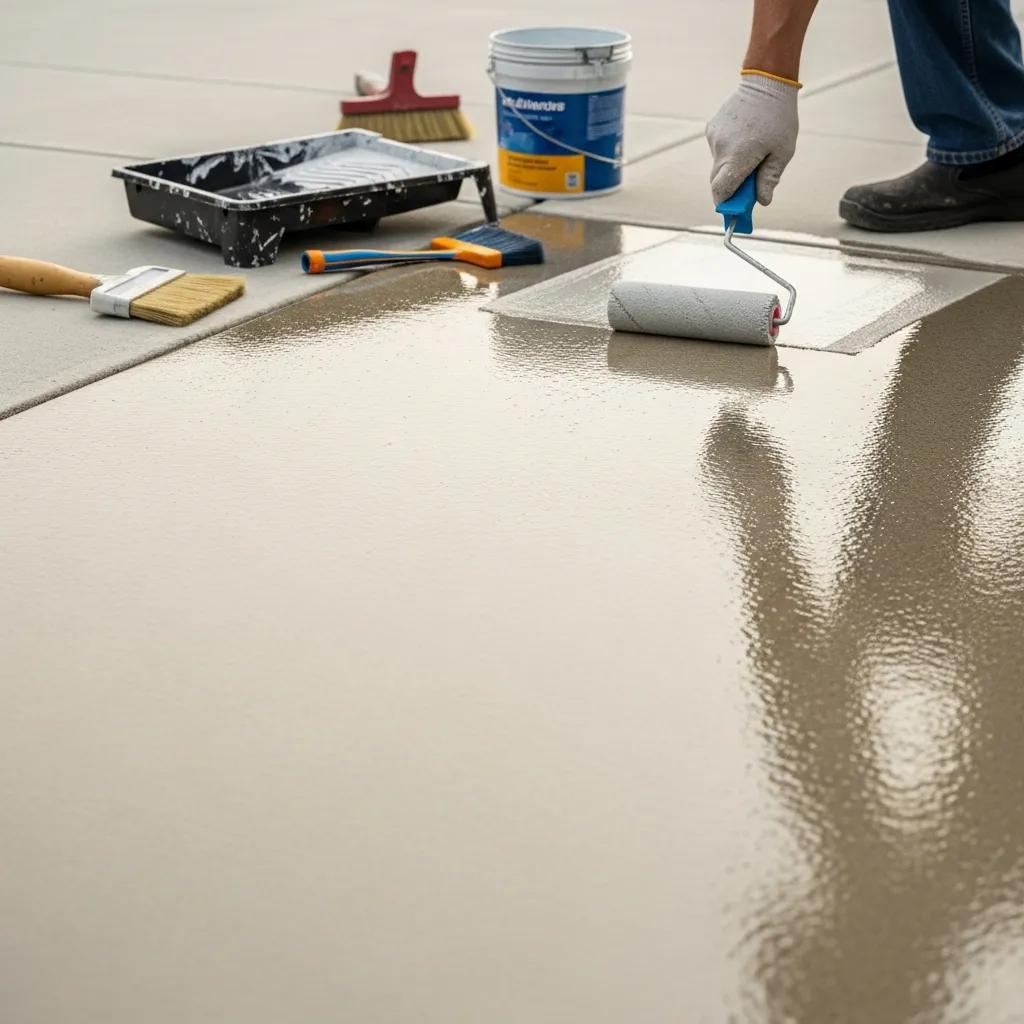
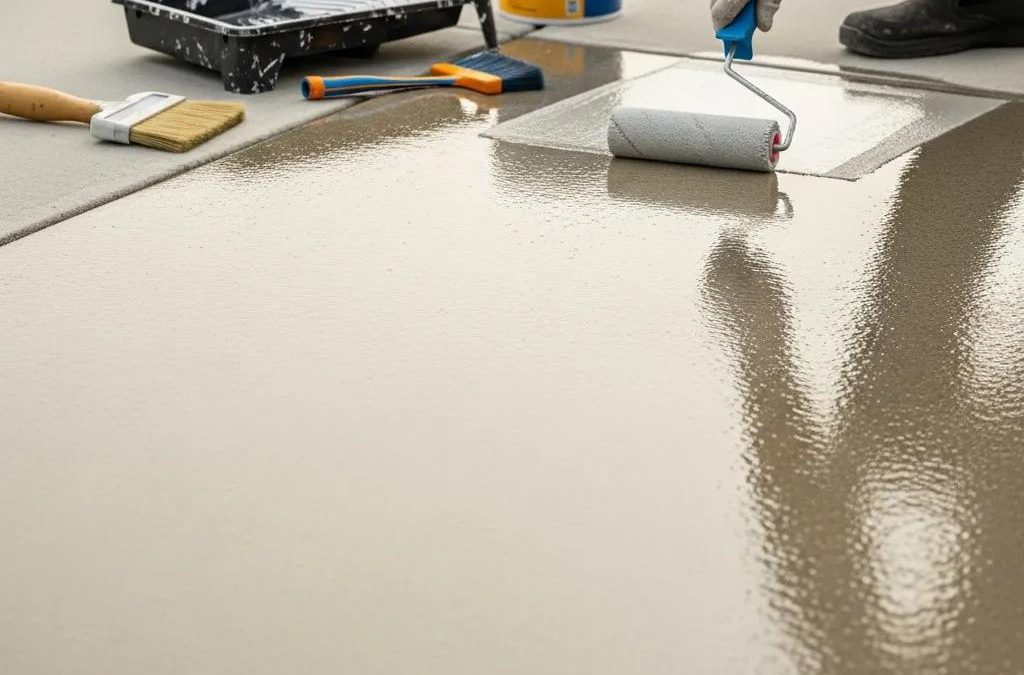
Person applying sealant on freshly sealed concrete surface, showcasing tools like paint roller, brushes, and sealant bucket, emphasizing durability and aesthetic appeal for concrete maintenance.

Why and How to Seal Your Concrete for Lasting Surface Protection

Sealing your concrete surfaces is essential for maintaining their durability and aesthetic appeal. This comprehensive guide will explore the benefits of concrete sealing, the types of sealants available, and the best practices for application. Many homeowners and property managers face challenges with concrete surfaces that can crack, stain, or deteriorate over time. Sealing provides a protective barrier that not only enhances the appearance but also extends the life of the concrete. In this article, we will cover the benefits of sealing, the different types of sealants, application methods, maintenance tips, cost considerations, and the environmental benefits of modern sealants.

What Are the Benefits of Concrete Surface Protection?

Concrete surface protection offers numerous advantages that contribute to the longevity and functionality of your concrete installations. Sealing your concrete can prevent moisture infiltration, which is a primary cause of cracks and damage. Additionally, it enhances the surface’s resistance to stains, chemicals, and UV rays, ensuring that your concrete remains visually appealing and structurally sound over time.

For residents in Syracuse, NY, where winter weather can be harsh, sealing is particularly beneficial. The protective layer acts as a moisture barrier, preventing freeze-thaw cycles from causing significant damage. By investing in concrete sealing, you not only protect your investment but also enhance the overall value of your property.

How Does Sealing Prevent Concrete Cracks and Damage?

Sealing concrete surfaces creates a protective barrier that prevents moisture from penetrating the concrete. This moisture barrier is crucial because water infiltration can lead to cracks, spalling, and other forms of damage. When water seeps into the concrete and freezes, it expands, causing the concrete to crack. Sealants help to mitigate this risk by keeping water out, thus preserving the integrity of the concrete.

Moreover, sealants can enhance the durability of concrete by providing resistance against harmful chemicals and stains. For instance, oil spills or de-icing salts can cause significant damage to unsealed concrete. By applying a sealant, you can protect your surfaces from these potential threats, ensuring they remain in excellent condition for years to come.

Why Is Concrete Waterproofing Essential in Syracuse, NY?

In Syracuse, NY, the climate poses unique challenges for concrete surfaces. The region experiences significant snowfall and freezing temperatures, which can lead to moisture-related issues if concrete is not properly sealed. Waterproofing is essential to prevent water from entering the concrete, which can freeze and expand, causing cracks and surface damage.

Additionally, waterproofing helps to protect against the effects of road salts and other chemicals used during winter months. These substances can deteriorate unsealed concrete, leading to costly repairs. By investing in waterproofing through sealing, property owners can ensure their concrete surfaces withstand the local climate’s challenges.

Which Types of Concrete Sealants Are Best for Your Needs?

Penetrating and topical concrete sealers displayed on a concrete surface, illustrating their differences and applications for effective waterproofing and protection in harsh climates.

Choosing the right type of concrete sealant is crucial for achieving optimal protection and longevity. There are two primary categories of sealants: penetrating sealers and topical sealers. Each type has its unique properties and applications, making it essential to understand their differences.

Penetrating sealers are designed to infiltrate the concrete surface, providing protection from within. They create a chemical barrier that repels water and prevents moisture damage. On the other hand, topical sealers form a protective layer on the surface, offering immediate protection against stains and wear.

Further research highlights the specific mechanism by which penetrating sealers enhance concrete durability and extend its service life.

Penetrating Sealers: Concrete Protection & Service Life Extension

Crystal penetrating sealer materials (PSMs) are commonly used on the surface of concrete to protect the surface from damage and thereby extend its service life. Such materials penetrate into existing pores or cracks and form crystals, which block potential paths through which unknown materials could enter and degrade the concrete.

Evaluation of penetration depth and protective effectiveness of concrete-penetrating sealer materials, 2016

What Are the Differences Between Penetrating and Topical Sealants?

Understanding the differences between penetrating and topical sealants can help you make an informed decision for your concrete surfaces.

Sealant TypeCharacteristicsBest Use Cases
Penetrating SealersInfiltrate concrete, create a chemical barrierIdeal for driveways, patios, and sidewalks
Topical SealersForm a protective layer on the surfaceBest for decorative concrete and floors

Penetrating sealers are often preferred for outdoor applications where moisture is a concern, while topical sealers are suitable for indoor surfaces that require a glossy finish and stain resistance.

How to Choose the Best Concrete Sealers for Driveways, Patios, and Commercial Floors?

When selecting a concrete sealer, consider the specific needs of your surfaces. Here are some factors to keep in mind:

  1. Surface Type: Determine whether your concrete is exposed to heavy traffic, chemicals, or moisture.
  2. Desired Finish: Decide if you want a glossy or matte finish, as this will influence your choice of topical sealers.
  3. Environmental Conditions: Consider the local climate and how it may affect the performance of the sealant.

By evaluating these factors, you can choose the best concrete sealers that meet your needs and ensure long-lasting protection.

How to Apply Concrete Sealants: Step-by-Step Guide

Hands applying concrete sealant using spray, brush, and roller methods on a concrete surface, demonstrating effective application techniques for sealing driveways and patios.

Applying concrete sealants correctly is essential for achieving the desired results. A well-executed application can significantly enhance the effectiveness of the sealant and prolong the life of your concrete surfaces.

What Are the Recommended Application Methods: Spray, Brush, or Roll?

There are several methods for applying concrete sealants, each with its advantages:

  1. Spray Application: Ideal for large areas, providing an even coat without brush marks.
  2. Brush Application: Best for detailed work and edges, ensuring thorough coverage.
  3. Roller Application: Effective for flat surfaces, allowing for quick and uniform application.

Choosing the right method depends on the size of the area and the type of sealant being used. For instance, spray application is often recommended for penetrating sealers, while topical sealers may be better suited for brush or roller application.

How to Prepare Concrete Surfaces Before Sealing?

Proper surface preparation is crucial for the success of the sealing process. Here are the steps to follow:

  1. Clean the Surface: Remove dirt, oil, and debris using a pressure washer or a suitable cleaner.
  2. Repair Cracks: Fill any cracks or holes with a concrete patching compound to ensure a smooth surface.
  3. Allow to Dry: Ensure the surface is completely dry before applying the sealant.

By following these preparation steps, you can enhance the adhesion and effectiveness of the sealant, leading to better long-term results.

How Often Should You Seal Concrete and Maintain Its Durability?

Regular maintenance is key to ensuring the longevity of your sealed concrete surfaces. Understanding how often to reseal and how to maintain your concrete can help you avoid costly repairs.

What Maintenance Tips Extend the Life of Sealed Concrete?

To extend the life of your sealed concrete, consider the following maintenance tips:

  1. Regular Cleaning: Sweep and wash the surface regularly to remove dirt and debris.
  2. Inspect for Damage: Check for signs of wear or damage and address them promptly.
  3. Reapply Sealant: Depending on the type of sealant used, reapply every 2-5 years to maintain protection.

By implementing these maintenance practices, you can ensure your concrete surfaces remain in excellent condition for years to come.

How Long Does Concrete Sealing Last Under Syracuse Climate Conditions?

In Syracuse, the lifespan of concrete sealing can vary based on several factors, including the type of sealant used and environmental conditions. Generally, penetrating sealers can last 3-5 years, while topical sealers may require reapplication every 1-3 years due to wear from UV exposure and foot traffic.

Understanding these timelines can help you plan your maintenance schedule effectively, ensuring your concrete surfaces remain protected against the elements.

What Are the Costs and ROI of Concrete Sealing in Syracuse, NY?

Investing in concrete sealing can provide significant returns in terms of durability and maintenance savings. Understanding the costs associated with sealing can help you make informed decisions.

How Does Concrete Sealing Prevent Costly Repairs?

By sealing your concrete surfaces, you can prevent costly repairs associated with cracks, spalling, and water damage. The initial investment in sealing can save you money in the long run by reducing the need for extensive repairs and replacements.

What Are Typical Pricing Factors for Concrete Sealing Services?

Several factors can influence the cost of concrete sealing services, including:

  1. Surface Area: Larger areas will typically cost more to seal.
  2. Type of Sealant: Different sealants have varying price points, with penetrating sealers often being more affordable than high-end topical options.
  3. Labor Costs: Professional application may incur additional labor costs, depending on the complexity of the job.

By understanding these factors, you can better assess the overall cost and potential return on investment for sealing your concrete surfaces.

What Are the Environmental Benefits of Modern Concrete Sealants?

Modern concrete sealants not only protect your surfaces but also offer environmental benefits. Many sealants are designed to be eco-friendly, reducing their impact on the environment.

How Do Sealants Contribute to Sustainable Concrete Protection?

Eco-friendly sealants help to minimize waste and reduce the need for frequent repairs or replacements. By extending the life of concrete surfaces, these sealants contribute to sustainability efforts by reducing the demand for new materials and the associated environmental impact.

What Recent Industry Data Supports Sealant Effectiveness?

Recent studies have shown that high-quality sealants can significantly enhance the durability and lifespan of concrete surfaces. For instance, research indicates that properly sealed concrete can last up to 50% longer than unsealed surfaces, demonstrating the effectiveness of modern sealing technologies.

Sealant TypeEnvironmental ImpactLongevityEffectiveness
Eco-Friendly SealersLow VOC emissions3-5 yearsHigh
Traditional SealersHigher VOC emissions1-3 yearsModerate