Causes & Solutions for Concrete Cracks

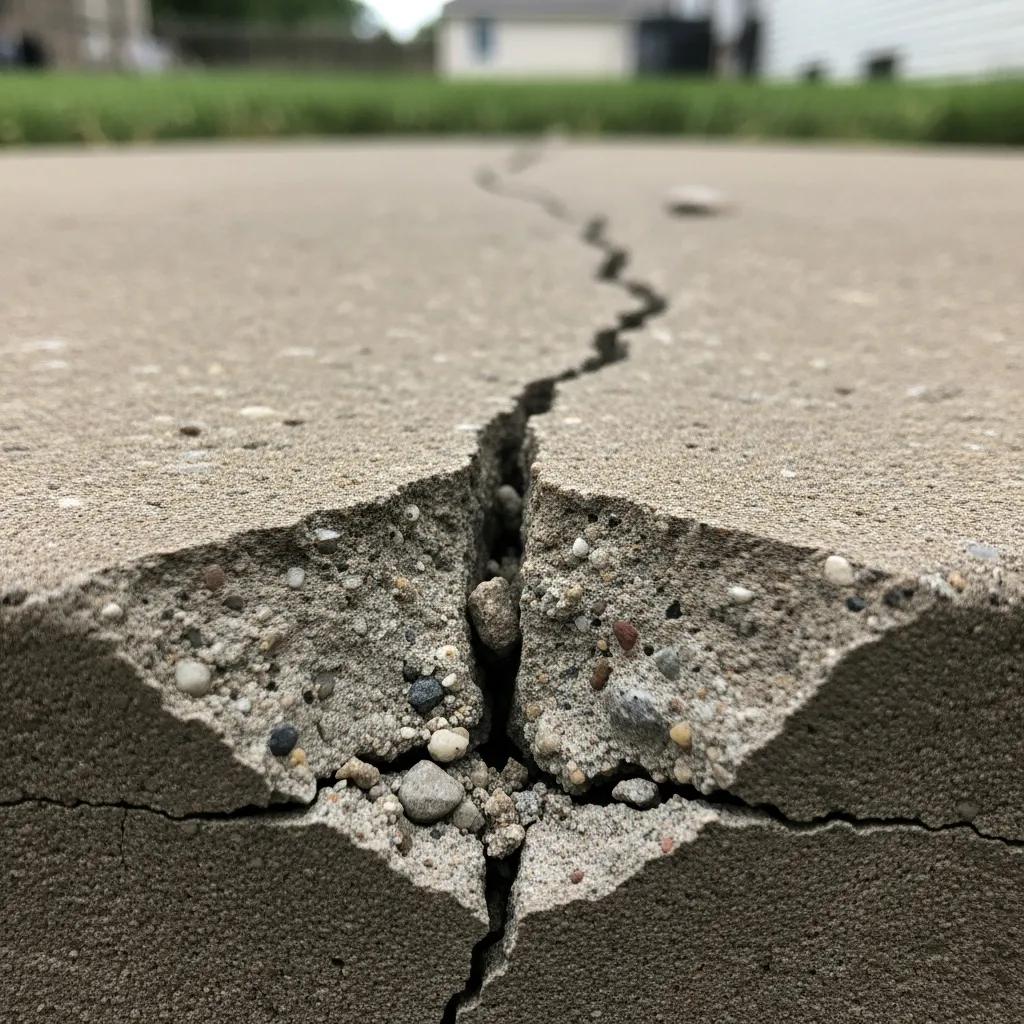
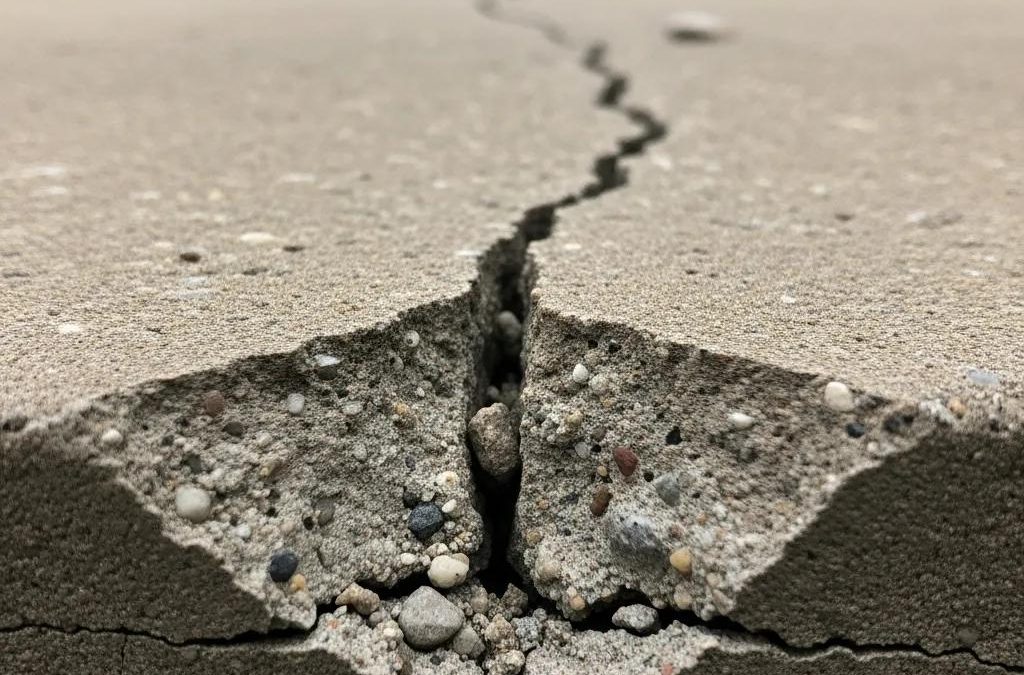
Close-up of a cracked concrete slab, highlighting texture and details of damage, relevant to causes and solutions for concrete cracks.

Causes & Solutions for Concrete Cracks: Comprehensive Guide to Concrete Slab Settlement and Repair Methods

Concrete is a durable material, but it is not immune to cracking. Understanding the causes of concrete cracks and the solutions available is essential for maintaining the integrity of concrete structures. This comprehensive guide will explore the primary reasons behind concrete cracking, including settling issues and environmental factors, as well as effective repair methods. Many property owners face challenges with concrete cracks, which can lead to further structural damage if not addressed promptly. This article will provide insights into the mechanisms of concrete cracking, the most effective repair methods, and preventative measures to avoid future issues. We will also discuss the importance of expansion joint installation and how preventative maintenance can significantly reduce the likelihood of cracks.

What Are the Main Causes of Concrete Cracking?

Concrete cracking can occur due to various factors, including settling, environmental influences, and thermal expansion and contraction. Understanding these causes is crucial for effective prevention and repair. Settling refers to the downward movement of the ground beneath a concrete slab, which can lead to uneven surfaces and cracks. Environmental factors, such as temperature fluctuations and moisture levels, can also contribute to the expansion and contraction of concrete, resulting in cracks. Additionally, improper installation techniques can exacerbate these issues, leading to premature cracking.

How Does Concrete Slab Settlement Lead to Cracks?

Concrete slab settlement occurs when the ground beneath the slab shifts or compresses, causing the slab to sink or become uneven. This movement can create tension within the concrete, leading to cracks. For instance, if a concrete slab is poured on unstable soil, the weight of the slab can cause the soil to compress unevenly, resulting in cracks. Addressing the underlying soil issues through proper grading, compaction, and soil stabilization can help prevent slab settlement and subsequent cracking.

What Role Do Environmental Factors and Thermal Expansion Play?

Environmental factors, such as temperature changes and moisture levels, significantly impact concrete integrity. As temperatures rise, concrete expands; conversely, it contracts when temperatures drop. This thermal expansion and contraction can create stress within the concrete, leading to cracks. Additionally, moisture can infiltrate cracks, freeze, and expand, further exacerbating the damage. Understanding these environmental influences is essential for implementing effective preventative measures.

Which Concrete Crack Repair Methods Are Most Effective?
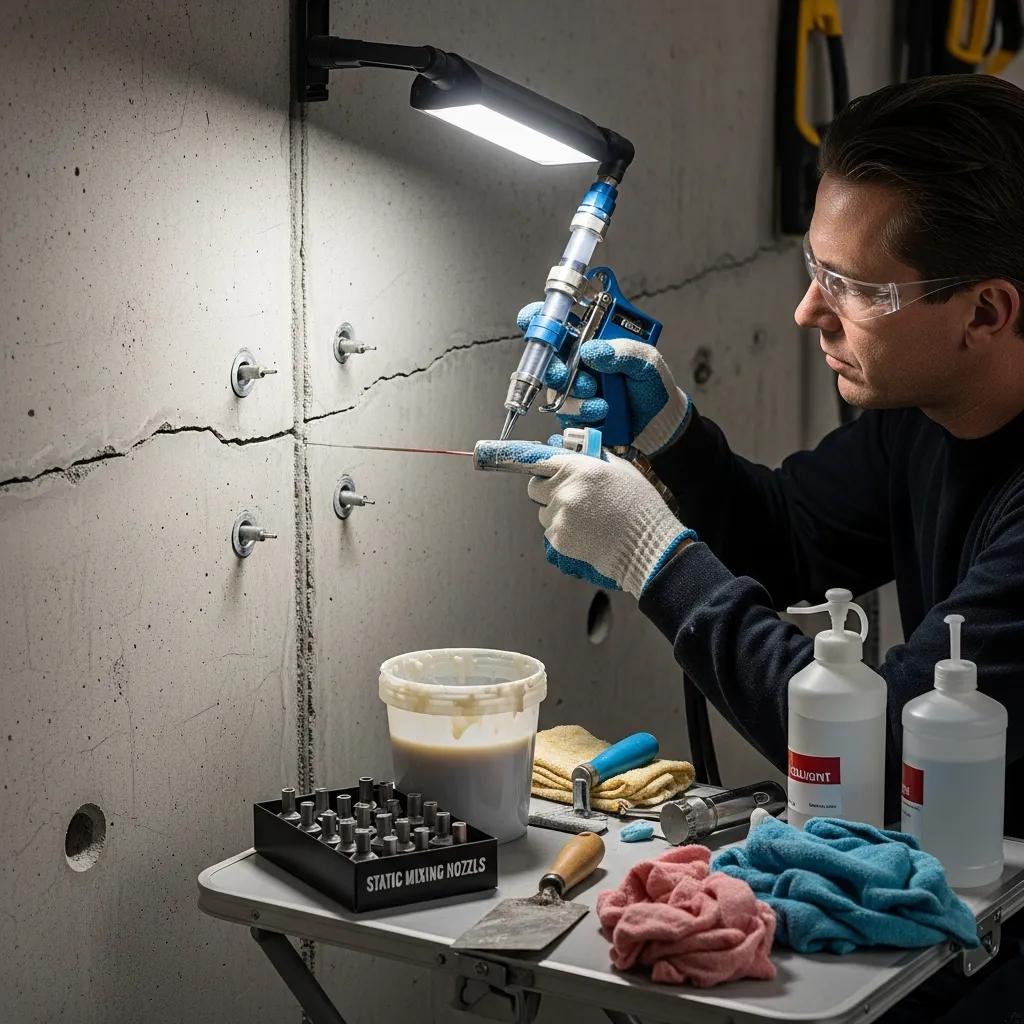
Professional applying epoxy injection for concrete crack repair, demonstrating effective repair methods with tools and materials on a work table.

When it comes to repairing concrete cracks, several methods can be employed, each with its own advantages and suitability depending on the type and severity of the crack. Effective repair methods include epoxy injection, slab leveling, and sealing techniques. These methods not only address existing cracks but also help prevent future issues.

How Does Epoxy Injection Repair Foundation Cracks?

Epoxy injection is a widely used method for repairing foundation cracks. This process involves injecting a specialized epoxy resin into the crack, which bonds the concrete together and restores its structural integrity. The epoxy fills the voids within the crack, preventing water infiltration and further damage. This method is particularly effective for narrow cracks (typically less than 0.25 inches wide) in foundation walls, providing a long-lasting solution.

Further elaborating on epoxy-based solutions, some sources differentiate between injection and gravity feed methods for crack repair.

Epoxy Injection vs. Gravity Feed for Concrete Crack Repair

One of the potentially effective concrete crack repair methods is filling the crack with epoxy resin (“epoxy”). There are two main repair methods using epoxy: (i) epoxy injection; and (ii) gravity feed with epoxy. The primary objective of crack repair by gravity feed with epoxy is to fill and seal the cracks that are not moving – for example, shrinkage cracks and settlement cracks that have stabilised. However, the primary objective of the epoxy injection method is to restore the structural integrity and the resistance to penetration of the concrete element by aggressive liquids.

Crack Repair by Epoxy–Injection Method vs. Gravity Feed Method, 2025

What Are the Benefits of Slab Leveling and Sealing Techniques?

Slab leveling and sealing techniques are essential for maintaining the integrity of concrete surfaces. Slab leveling involves raising sunken concrete slabs to their original position, often using polyurethane foam injections or mudjacking. This method not only restores the appearance of the slab but also prevents further cracking caused by uneven surfaces. Sealing techniques, on the other hand, involve applying a protective sealant to the surface of the concrete, preventing moisture infiltration and reducing the risk of cracking due to environmental factors.

The effectiveness of polyurethane foam injection for addressing settled concrete slabs has been a subject of research.

Polyurethane Foam Injection for Settled Concrete Slabs

AbstractBridge-approach settlement costs hundreds of millions of dollars in repairs annually. Polyurethane-foam injection by two different processes: (1) a patented deep-injection process, and (2) a non-patented process (directly under the slab) were investigated to study the effectiveness of the s

Performance of Settled Bridge-Approach Slabs with Polyurethane-Foam Injection, DH Chen, 2015

Repair MethodDescriptionBenefits
Epoxy InjectionInjecting epoxy resin into cracksRestores structural integrity, prevents water infiltration
Slab LevelingRaising sunken slabs using foam or mudjackingRestores appearance, prevents further cracking
Sealing TechniquesApplying sealant to concrete surfacesProtects against moisture, reduces environmental damage

These repair methods provide effective solutions for addressing concrete cracks, ensuring the longevity and durability of concrete structures.

What Causes Concrete Slab Settlement Cracks and How to Repair Them?
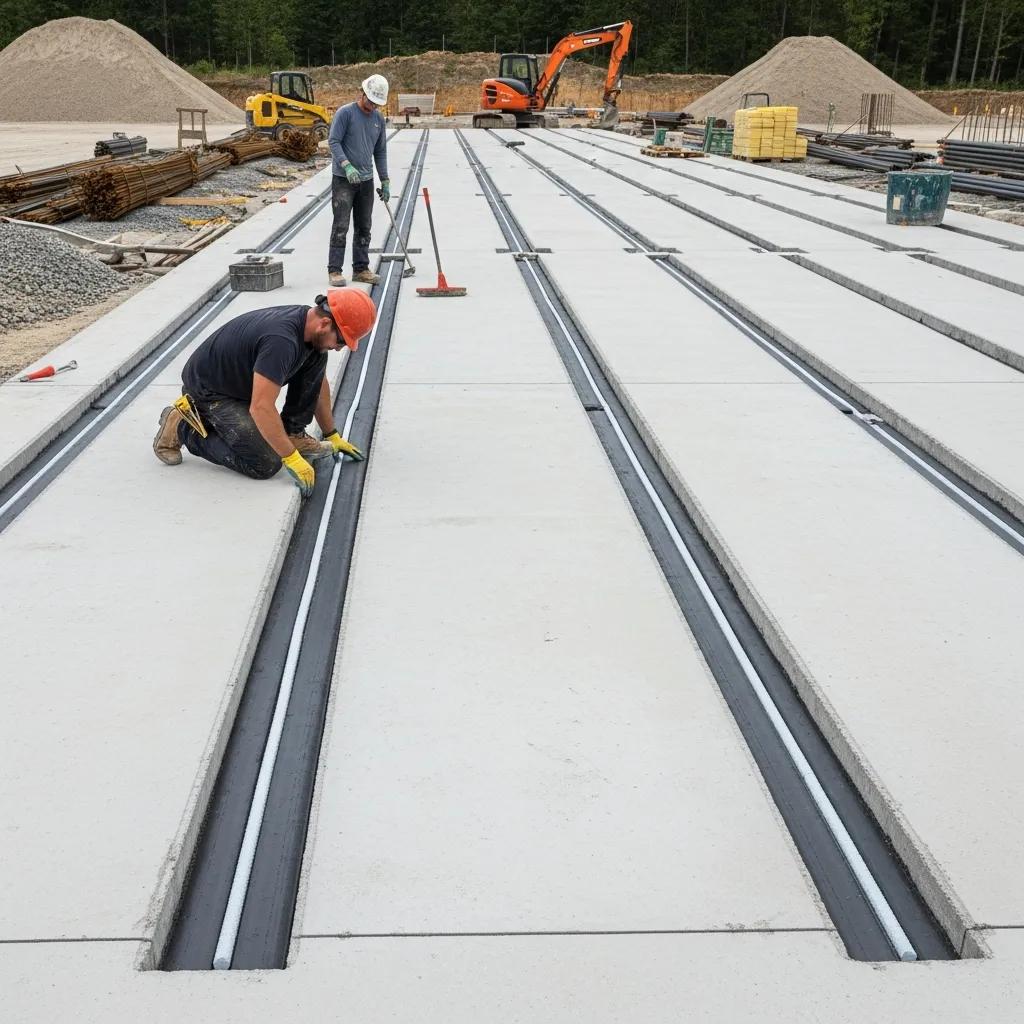
Installation of expansion joints in a concrete slab, emphasizing preventative measures for reducing cracking, with workers applying flexible materials on a construction site.

Expansion joints are critical components in concrete construction, designed to accommodate the natural expansion and contraction of concrete due to temperature changes. Proper installation of expansion joints can significantly reduce the risk of cracking by allowing the concrete to move freely without causing stress on the structure.

What Are Expansion Joints and How Do They Work?

Expansion joints are gaps or spaces between sections of concrete that allow for movement. They are typically filled with flexible materials that can compress and expand with the concrete. This flexibility helps to absorb the stresses caused by temperature fluctuations, preventing cracks from forming. Understanding the function of expansion joints is essential for effective concrete design and maintenance.

How Is Proper Expansion Joint Placement Performed?

Proper placement of expansion joints involves strategic planning during the design phase of a concrete project. Joints should be installed at regular intervals, typically every 8 to 16 feet for sidewalks and slabs, and every 20 to 30 feet for larger slabs, depending on the size, thickness, and type of concrete slab. Additionally, the joints should be located at points of potential stress, such as corners and intersections. Following best practices for expansion joint placement can help ensure the longevity of concrete structures.

How Can Preventative Maintenance Reduce Concrete Crack Formation?

Preventative maintenance is key to reducing the likelihood of concrete cracks. By implementing regular maintenance practices, property owners can address potential issues before they escalate into significant problems. This includes routine inspections, proper drainage management, and timely repairs.

What Are Best Practices for Concrete Joint Maintenance?

Best practices for concrete joint maintenance include regular inspections to identify signs of wear or damage, cleaning joints to remove debris, and applying sealants to protect against moisture infiltration. Additionally, ensuring proper drainage around concrete structures can prevent water accumulation, which can lead to cracking. By following these practices, property owners can extend the lifespan of their concrete surfaces.

How Does Drainage Impact Concrete Crack Prevention?

Effective drainage is crucial for preventing concrete cracks. Poor drainage can lead to water accumulation around concrete structures, increasing the risk of settling and cracking. Implementing proper drainage solutions, such as grading and installing drainage systems, can help direct water away from concrete surfaces, reducing the likelihood of damage.

What Are the Differences Between Commercial and Residential Concrete Crack Repairs?

Concrete crack repairs can vary significantly between commercial and residential properties due to differences in usage, load-bearing requirements, and environmental exposure. Understanding these differences is essential for selecting the appropriate repair methods.

How Do Repair Solutions Vary by Property Type?

Repair solutions for commercial properties often require more robust methods due to higher traffic loads and larger surface areas. For instance, commercial properties may benefit from industrial-grade sealants and advanced leveling techniques. In contrast, residential repairs may focus on aesthetic solutions and simpler methods, such as epoxy injection or basic sealing.

What Local Services Does Morici Bros Concrete Offer in Syracuse NY?

Morici Bros Concrete specializes in concrete installation and repair services in the Syracuse NY area. Their offerings include concrete crack repair, slab leveling, and expansion joint installation, tailored to meet the specific needs of both residential and commercial clients. With local expertise and a focus on quality, Morici Bros Concrete provides effective solutions for addressing concrete cracks and ensuring the longevity of concrete structures.

GDPR compliance logo on blue background, indicating privacy and cookie management for Morici Bros Concrete website.
Privacy Overview

This website uses cookies so that we can provide you with the best user experience possible. Cookie information is stored in your browser and performs functions such as recognising you when you return to our website and helping our team to understand which sections of the website you find most interesting and useful.