
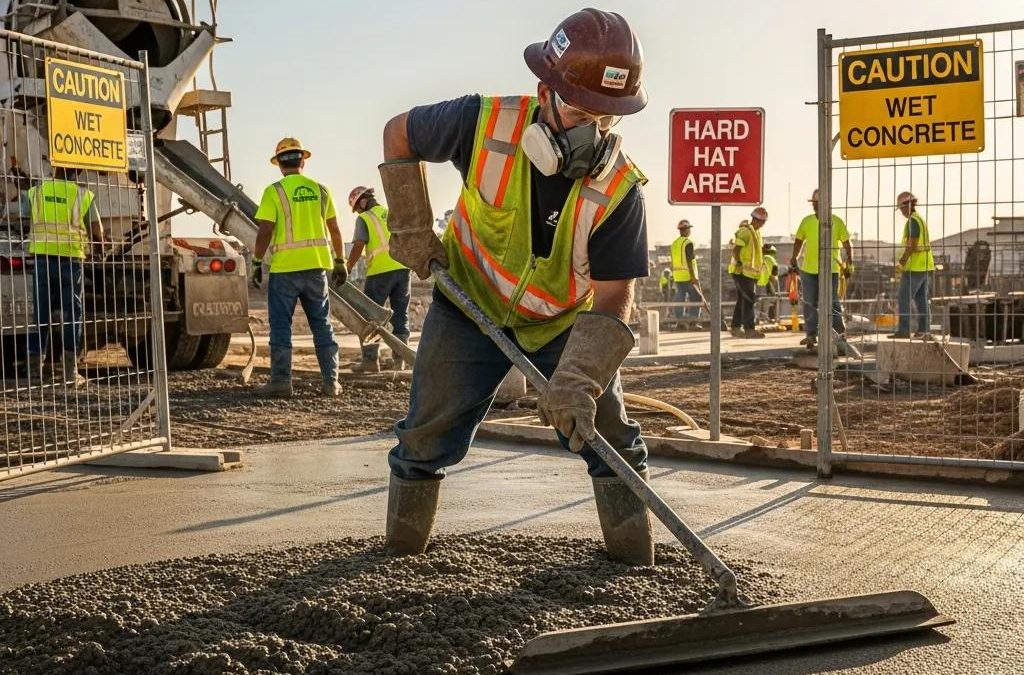
Essential Concrete Safety Tips
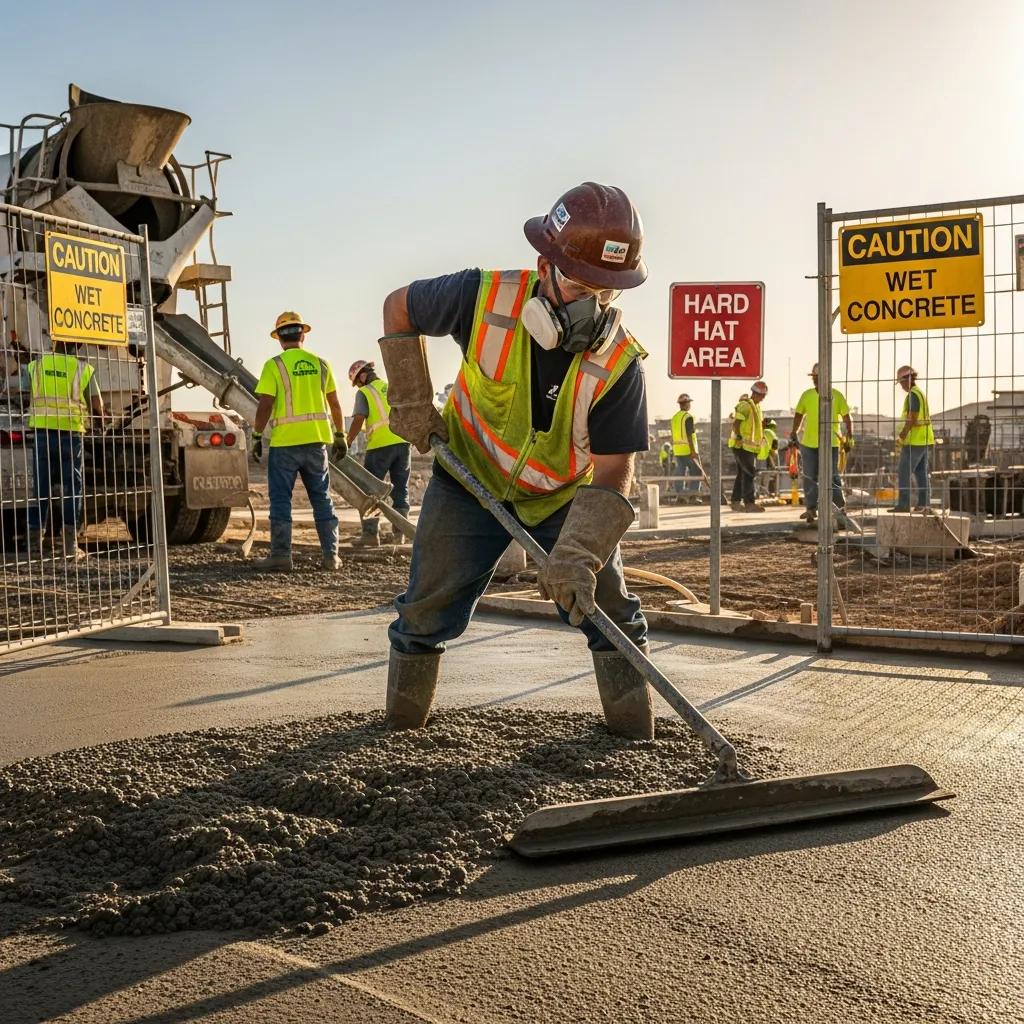
Key Concrete Safety Tips to Protect Workers and Ensure Site Safety
What Personal Protective Equipment Is Required for Safe Concrete Work?
Which Types of PPE Protect Against Concrete Hazards?
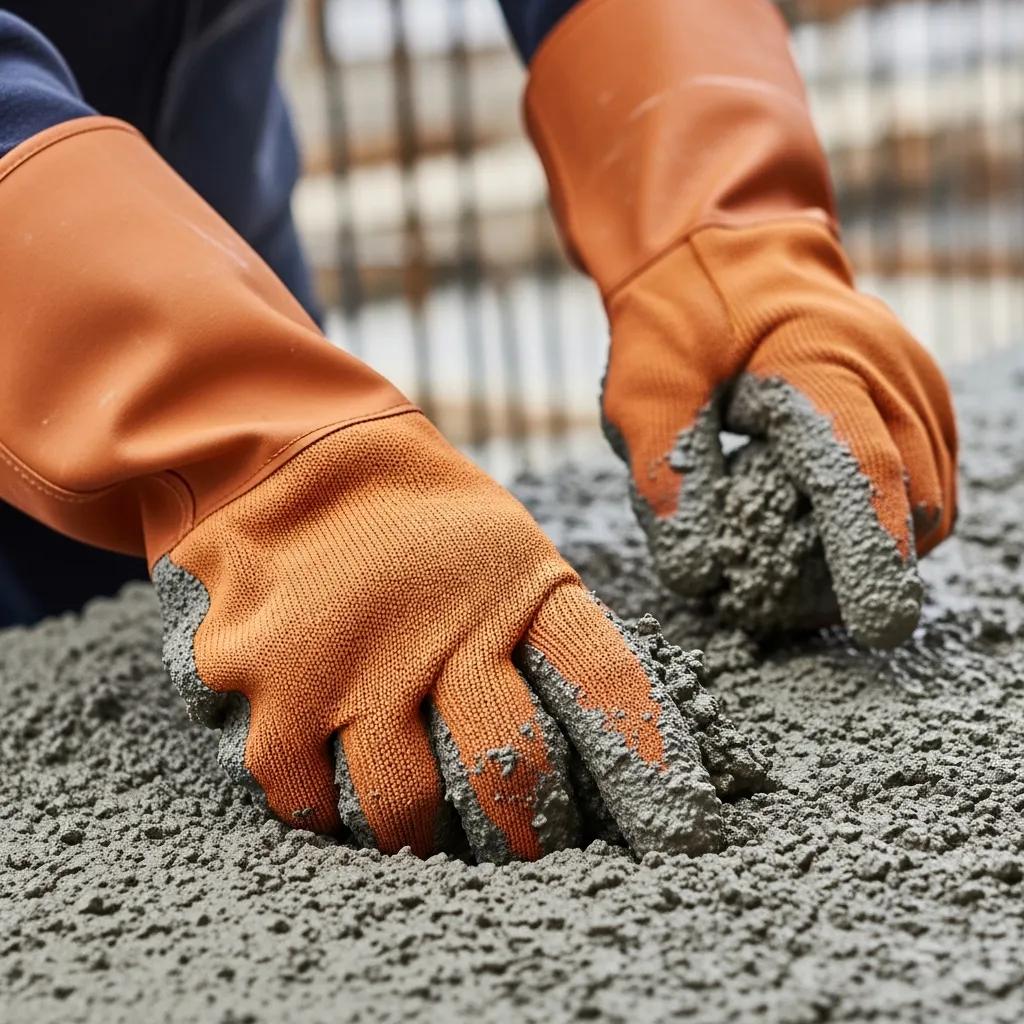
- Gloves: Heavy-duty, waterproof gloves protect against skin abrasions and chemical burns from wet concrete.
- Goggles: Safety goggles or face shields shield the eyes from concrete splashes and dust, preventing irritation and injury.
- Respirators: NIOSH-approved respirators or masks are necessary to protect against inhaling concrete dust and harmful chemicals during mixing, cutting, and pouring.
Concrete Splatter Protection & PPE
The problem of splatter requires employees to wear standard eye protection. The use of long sleeve shirts during summer time work should be tempered to fit the situation in order to prevent skin exposure to concrete.
Health and Safety Working with Concrete, 2002
How to Properly Use and Maintain Concrete Safety Equipment?
- Inspect Regularly: Check PPE for any signs of wear or damage before each use.
- Clean After Use: Clean gloves, goggles, and masks according to manufacturer instructions to prevent contamination.
- Store Properly: Store PPE in a dry, clean area to avoid damage and ensure longevity.
How Can Chemical Burns from Concrete Be Prevented Effectively?
What Are the Common Chemical Hazards in Concrete Handling?
- Calcium hydroxide: A byproduct of cement hydration that can cause skin burns.
- Silica dust: Inhalation can lead to respiratory issues and lung disease, including silicosis.
- Alkaline solutions: Found in wet concrete, these can cause chemical burns upon contact with skin.
Which Safety Measures Minimize the Risk of Concrete Chemical Burns?
- Wear Appropriate PPE: Always use waterproof gloves, long sleeves, and boots to protect skin from contact with wet concrete.
- Training and Awareness: Conduct regular training sessions to educate workers about the hazards and safe handling practices.
- Immediate Cleanup: Promptly wash off any concrete that comes into contact with skin with clean water to prevent burns.
What Are the Essential Concrete Job Site Safety Procedures to Follow?
How to Identify and Manage Common Concrete Job Site Hazards?
- Slips and Falls: Wet surfaces can lead to slips; proper signage, non-slip footwear, and dry pathways can mitigate this risk.
- Heavy Lifting: Improper lifting techniques can cause musculoskeletal injuries; training on safe lifting practices is essential.
- Equipment Safety: Ensure all machinery is well-maintained and operators are trained to use equipment safely.
What Step-by-Step Safety Protocols Ensure a Secure Concrete Work Environment?
- Conduct Daily Safety Briefings: Discuss potential hazards and safety measures before starting work.
- Use Proper Signage: Clearly mark hazardous areas and provide instructions for safe practices.
- Regular Inspections: Perform routine checks of equipment and work areas to identify and address safety concerns.
What Are the Best Practices for Safe Concrete Handling and Mixing?
How to Safely Handle Wet Concrete to Prevent Injuries?
- Use Proper Lifting Techniques: Bend at the knees and keep the load close to the body to avoid strain.
- Wear Non-Slip Footwear: This reduces the risk of slips when walking on wet surfaces.
- Avoid Overexertion: Take breaks to prevent fatigue, which can lead to accidents.
Which Techniques Reduce Exposure to Concrete Dust and Other Risks?
- Use Water During Mixing and Cutting: This helps suppress dust and reduces inhalation risks.
- Implement Dust Control Measures: Use vacuums with HEPA filters or water sprays to minimize airborne dust during cutting or grinding.
- Provide Adequate Ventilation: Ensure work areas are well-ventilated to disperse dust and fumes.
How Should Emergency Response Be Managed for Concrete-Related Injuries?

What Are the Immediate First Aid Steps for Concrete Chemical Burns?
- Rinse with Water: Flush the affected area with copious amounts of water for at least 15 to 20 minutes.
- Remove Contaminated Clothing: Carefully remove any clothing that has come into contact with wet concrete.
- Seek Medical Attention: If the burn is severe, persistent, or covers a large area, seek professional medical help immediately.
When and How to Seek Professional Medical Assistance After Concrete Injuries?
- Severe Burns: If the burn is deep, extensive, or causes significant pain, immediate medical care is necessary.
- Respiratory Issues: Difficulty breathing, persistent coughing, or chest pain after exposure to concrete dust warrants medical evaluation.
- Injuries from Equipment: Any injury involving machinery should be assessed by a medical professional.
| Safety Procedure | Description | Importance |
|---|---|---|
| Daily Safety Briefings | Discuss hazards and safety measures | Enhances awareness |
| Proper Signage | Mark hazardous areas | Prevents accidents |
| Regular Inspections | Check equipment and work areas | Identifies risks |