Understanding Concrete Material Safety

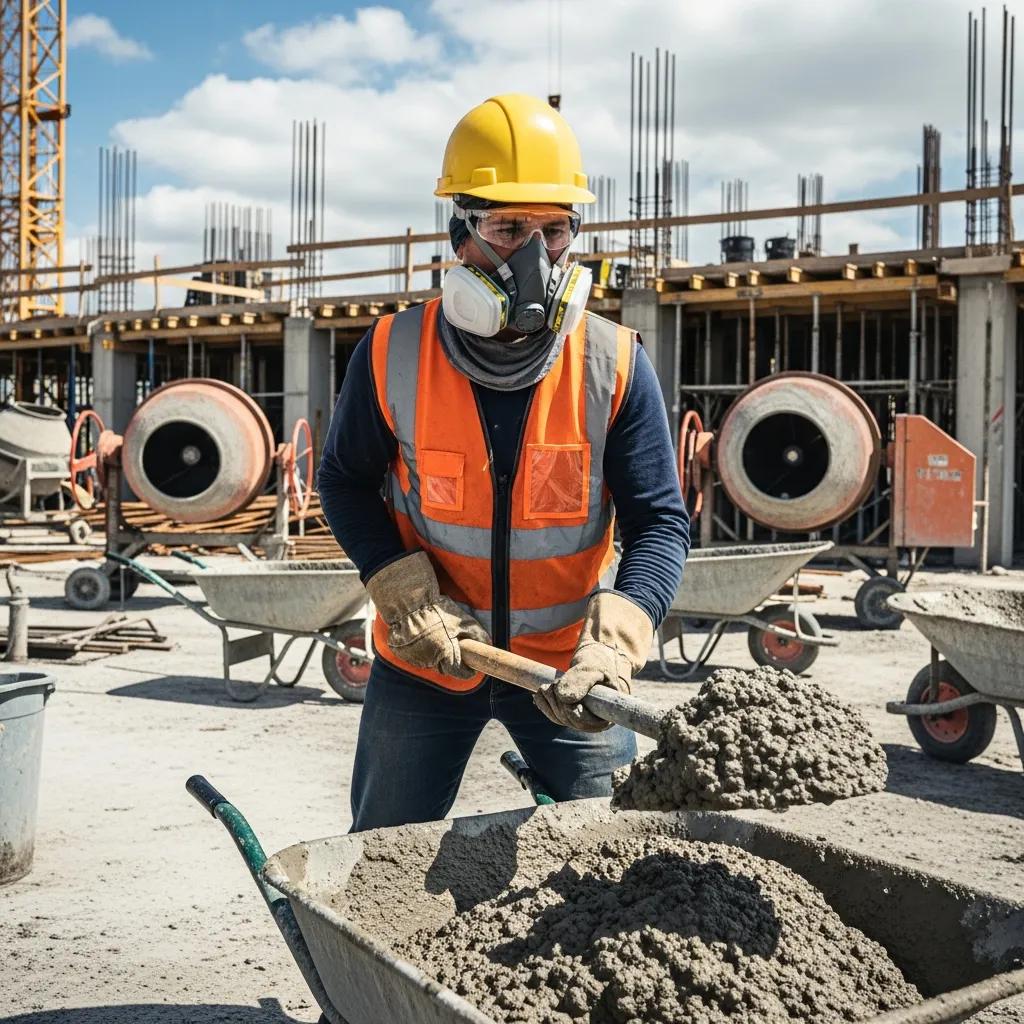
Construction worker in safety gear, including a hard hat and mask, handling concrete materials on a construction site with mixers and wheelbarrows in the background, emphasizing concrete material safety and proper handling practices.

Understanding Concrete Material Safety: Essential Guidelines for Safe Handling and Compliance

Concrete is a widely used construction material, but it poses various safety risks due to its chemical composition. Understanding concrete material safety is crucial for anyone involved in construction, whether as a contractor, worker, or property manager. This article will provide essential guidelines on the chemical hazards associated with concrete, how to read safety data sheets, the necessary personal protective equipment (PPE), best practices for safe handling, regulatory compliance, and emergency response procedures. By following these guidelines, individuals can ensure a safer working environment and comply with safety regulations.

What Are the Chemical Hazards in Concrete Materials?

Concrete materials contain several chemical components that can pose health risks if not handled properly. Understanding these hazards is the first step in ensuring safety on construction sites.

Which Chemicals in Concrete Pose Safety Risks?
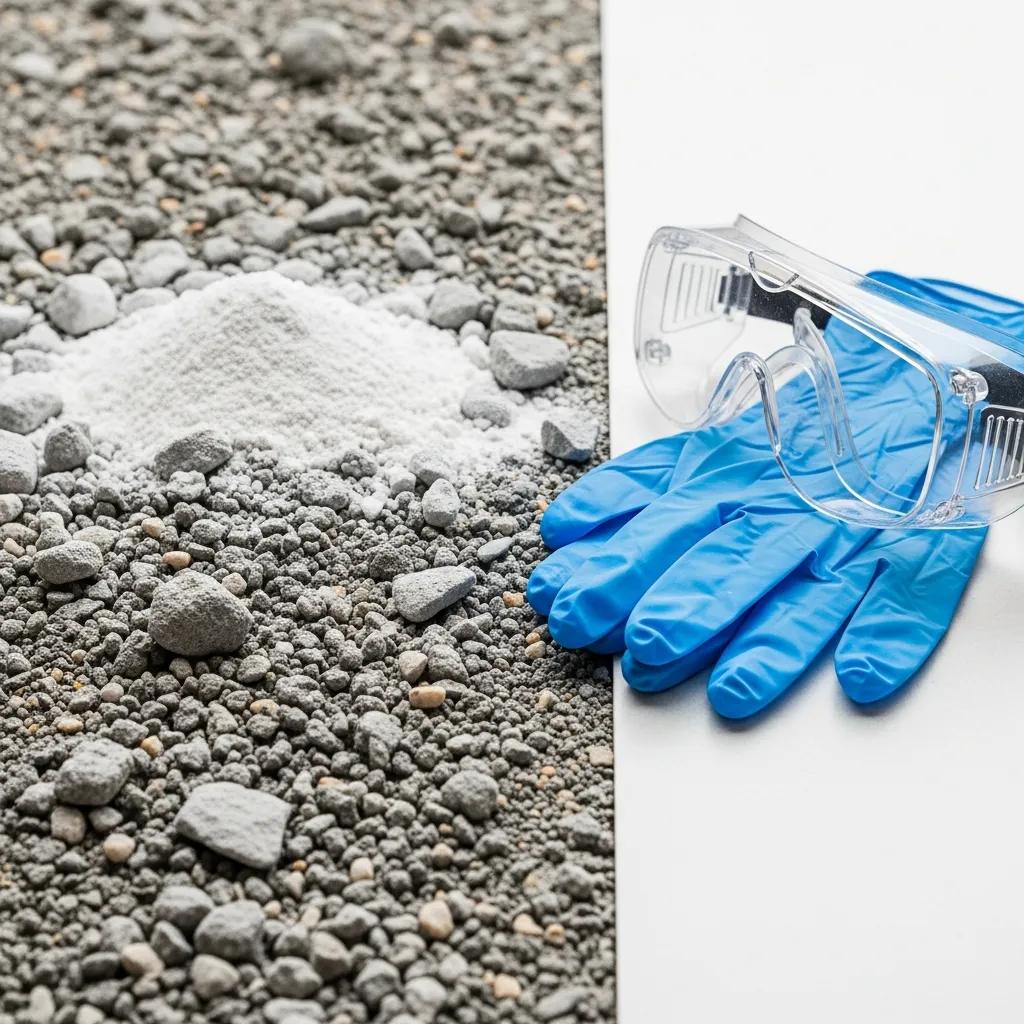
Close-up of concrete materials, including a mound of white powder and gravel, accompanied by blue gloves and safety goggles, emphasizing chemical hazards and personal protective equipment for construction safety.

Concrete is composed of various chemicals, including Portland cement, silica, and additives. These components can release harmful substances during mixing and curing. For instance, Portland cement can cause skin irritation and respiratory issues if inhaled or if wet cement contacts the skin. Additionally, respirable crystalline silica dust, a byproduct of concrete cutting and grinding, is a significant health hazard that can lead to silicosis, a serious lung disease. Awareness of these chemicals and their effects is vital for anyone working with concrete.

How Does Silica Dust Affect Worker Health?

Silica dust is one of the most dangerous components associated with concrete work. When workers inhale respirable crystalline silica particles, it can lead to severe respiratory problems, including silicosis, lung cancer, chronic obstructive pulmonary disease (COPD), and kidney disease. The risk increases with prolonged exposure, making it essential for workers to use appropriate safety measures, such as respirators and dust control methods, to minimize inhalation of silica dust.

How to Read and Use Safety Data Sheets for Concrete Materials?

Safety Data Sheets (SDS) are crucial documents that provide information about the hazards of chemicals used in concrete. Understanding how to read and interpret these sheets is essential for safe handling.

What Information Does an MSDS Provide for Concrete Chemicals?

An SDS includes vital information such as chemical properties, health hazards, safe handling practices, and emergency response measures. Key sections of an SDS include identification, hazard identification, composition, first-aid measures, and exposure controls. Familiarizing oneself with these sections can help workers understand the risks associated with concrete materials and the necessary precautions to take.

How to Interpret Hazard Classifications and Handling Instructions?

Hazard classifications on an SDS indicate the level of risk associated with a chemical. These classifications are often accompanied by handling instructions that outline safe practices for using the material. For example, if a chemical is classified as a respiratory hazard, the SDS will recommend using appropriate PPE, such as masks or respirators, to protect against inhalation. Understanding these classifications is crucial for ensuring safety on the job site.

What Personal Protective Equipment Is Required for Concrete Work?

Personal Protective Equipment (PPE) is essential for protecting workers from the hazards associated with concrete materials. Knowing which PPE to use can significantly reduce the risk of injury.

Which PPE Types Protect Against Concrete Chemical Exposure?
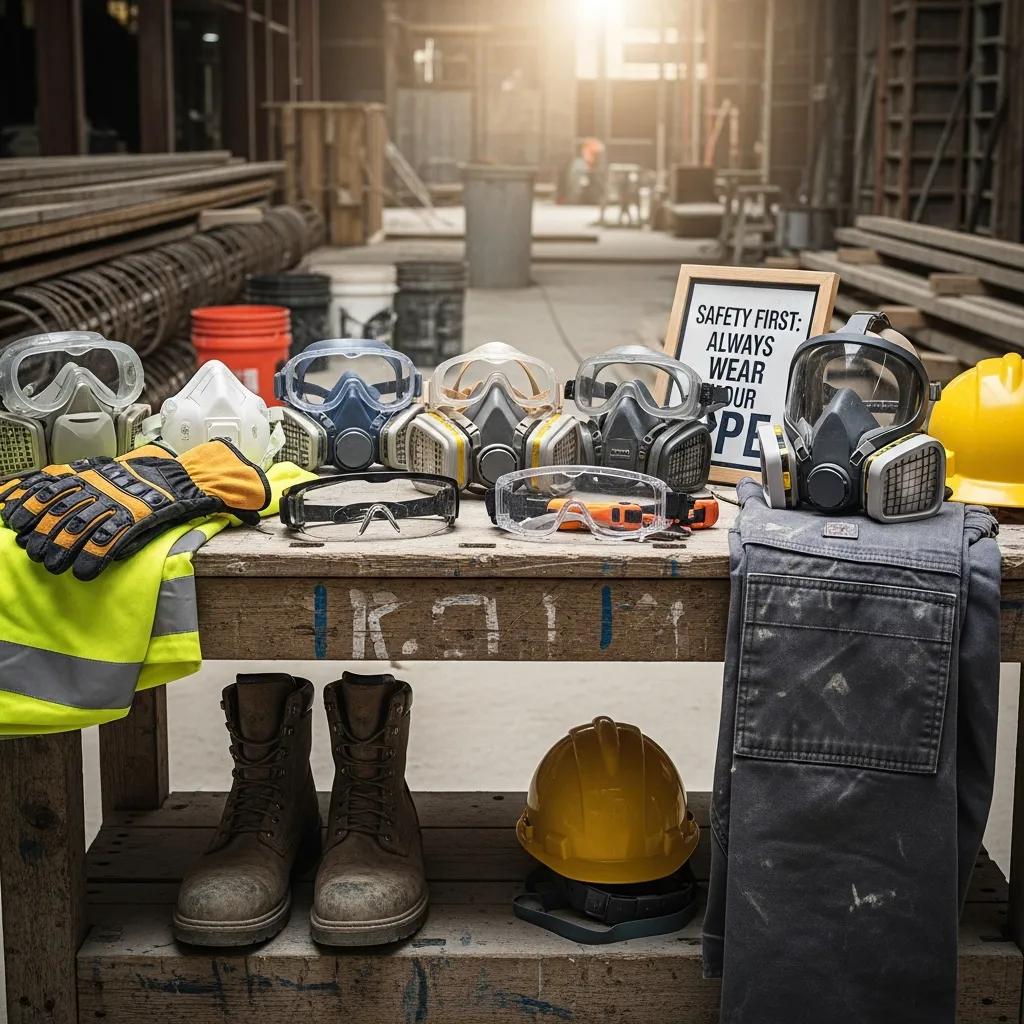
Various types of personal protective equipment (PPE) for concrete work displayed on a workbench, including gloves, safety goggles, respirators, and hard hats, emphasizing the importance of safety in construction environments.

The primary types of PPE required for concrete work include gloves, safety goggles, respirators, and protective clothing. Gloves protect against skin contact with wet concrete, which can cause chemical burns, while safety goggles shield the eyes from dust and splashes. Respirators are crucial for preventing inhalation of harmful dust, particularly respirable crystalline silica. Additionally, wearing long-sleeved clothing can help protect the skin from irritation caused by concrete.

Indeed, the fundamental role of Personal Protective Equipment in safeguarding construction workers from various hazards is widely recognized.

Essential PPE for Construction Worker Safety

Personal Protective Equipment (PPE) is one of the way to protect building construction workers, PPE is any equipment, device or material that worn or used by the workers to protect them from exposure or contact with any harmful material which may cause injury, disease or even death.

A study on the effectiveness of Personal Protective Equipment (PPE) on

Building Construction Workers, SD Rajendran, 2019

How to Properly Use and Maintain PPE on Concrete Projects?

Proper use and maintenance of PPE are vital for ensuring its effectiveness. Workers should ensure that their PPE fits correctly and is in good condition before starting work. Regular inspections should be conducted to check for wear and tear. Additionally, workers should be trained on how to use PPE correctly, including when to replace it and how to clean it after use to maintain its protective qualities.

Concrete Material Safety Guide: Safe Handling and Compliance

Implementing best practices for handling and installing concrete can significantly reduce the risk of accidents and injuries on the job site.

How to Minimize Chemical Exposure During Concrete Mixing and Pouring?

To minimize chemical exposure during concrete mixing and pouring, workers should use wet methods to control dust and reduce silica exposure. Additionally, using enclosed mixing equipment can help contain dust and prevent it from becoming airborne. Ensuring proper ventilation in work areas is also essential to disperse any harmful fumes or dust.

What Procedures Ensure Worker and Client Safety on Site?

Establishing clear safety procedures is crucial for ensuring the safety of both workers and clients on construction sites. This includes conducting regular safety training sessions, implementing a safety checklist before starting work, and ensuring that all workers are aware of emergency procedures. Additionally, maintaining a clean and organized work environment can help prevent accidents and injuries.

Which Regulatory Compliance and Local Safety Standards Apply in Syracuse, NY?

Understanding local regulations and compliance standards is essential for any concrete contractor or worker. In Syracuse, NY, specific regulations govern the safe handling of concrete materials.

What OSHA and Local Regulations Govern Concrete Chemical Safety?

The Occupational Safety and Health Administration (OSHA) sets forth regulations regarding the safe handling of hazardous materials, including concrete. These regulations require employers to provide a safe working environment, which includes proper training, PPE, and access to Safety Data Sheets. Local regulations may also impose additional requirements, such as specific training programs for workers handling concrete. In New York State, OSHA standards and the New York State Department of Labor regulations apply.

How Does Morici Bros Concrete Comply with Safety Protocols?

Morici Bros Concrete adheres to all OSHA regulations and local safety standards to ensure the safety of its workers and clients. The company provides comprehensive training programs for its employees, ensuring they are well-versed in the hazards associated with concrete and the necessary safety measures. Additionally, Morici Bros Concrete regularly reviews and updates its safety protocols to comply with the latest regulations and best practices.

How to Respond to Concrete Chemical Exposure Emergencies?

In the event of a chemical exposure emergency, knowing how to respond quickly and effectively can save lives.

What Are the Symptoms of Concrete Chemical Exposure?

Symptoms of concrete chemical exposure can vary depending on the specific chemical involved. Common symptoms include skin irritation, chemical burns, respiratory distress, and eye irritation. In severe cases, exposure to respirable crystalline silica dust can lead to coughing, shortness of breath, and chest pain. Recognizing these symptoms early is crucial for prompt medical intervention.

What First Aid and Emergency Procedures Should Be Followed?

In case of chemical exposure, the first step is to remove the affected individual from the exposure source. For skin contact, the affected area should be washed immediately with plenty of water and soap. If chemicals enter the eyes, they should be flushed with water for at least 15 minutes. In cases of respiratory distress, seek immediate medical attention. It is essential to have a first aid kit readily available on-site and ensure that all workers are trained in emergency response procedures.

GDPR compliance logo on blue background, indicating privacy and cookie management for Morici Bros Concrete website.
Privacy Overview

This website uses cookies so that we can provide you with the best user experience possible. Cookie information is stored in your browser and performs functions such as recognising you when you return to our website and helping our team to understand which sections of the website you find most interesting and useful.