
How to Assess When Concrete Infrastructure Needs Replacement
How Municipalities Evaluate When to Replace Concrete Infrastructure
Assessing the condition of concrete infrastructure is vital for municipalities to protect public safety and allocate resources efficiently. This article explains methods used to determine when concrete structures need replacement, highlights inspection techniques and failure indicators, and shows how municipal condition rating systems inform replacement decisions. Knowing these processes helps officials plan repairs or replacements with confidence.
What Are the Key Methods for Concrete Infrastructure Inspection?
Municipal inspections use a mix of visual checks, technology-assisted assessments, and routine maintenance reviews to gauge condition and remaining service life. Regular inspections catch problems early, helping extend asset life and protect public safety.
Visual Inspection Techniques for Concrete Condition Assessment
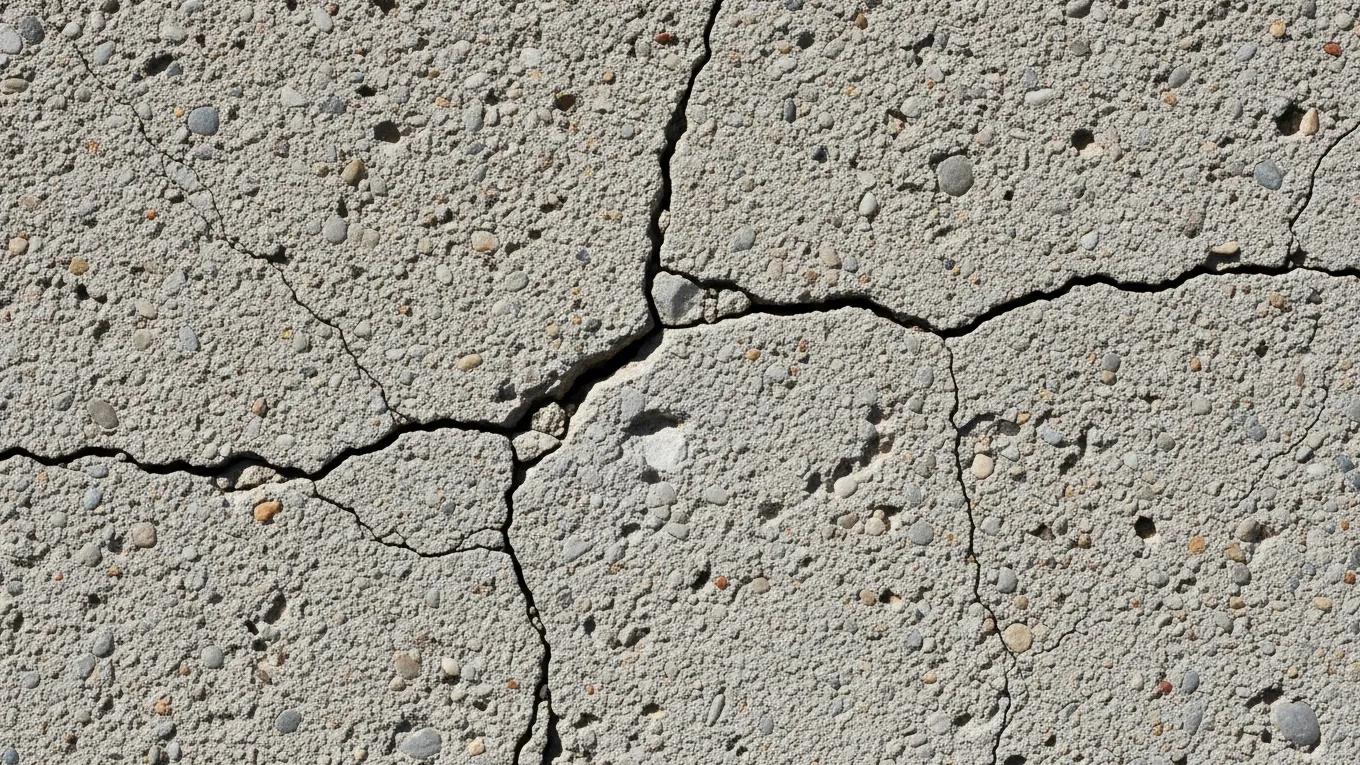
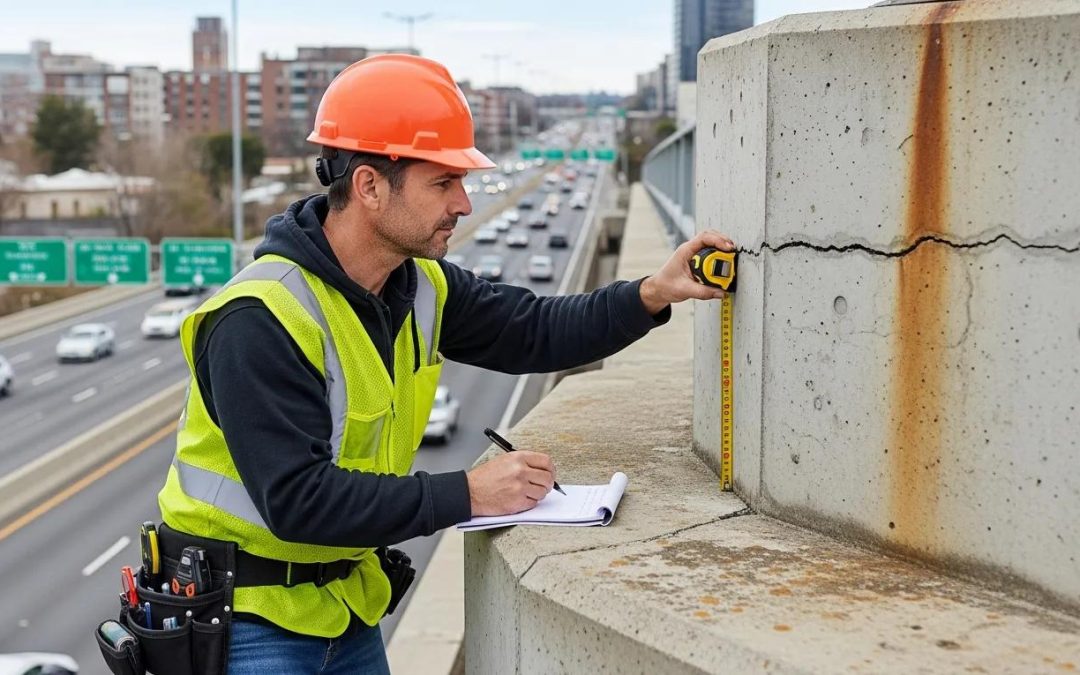
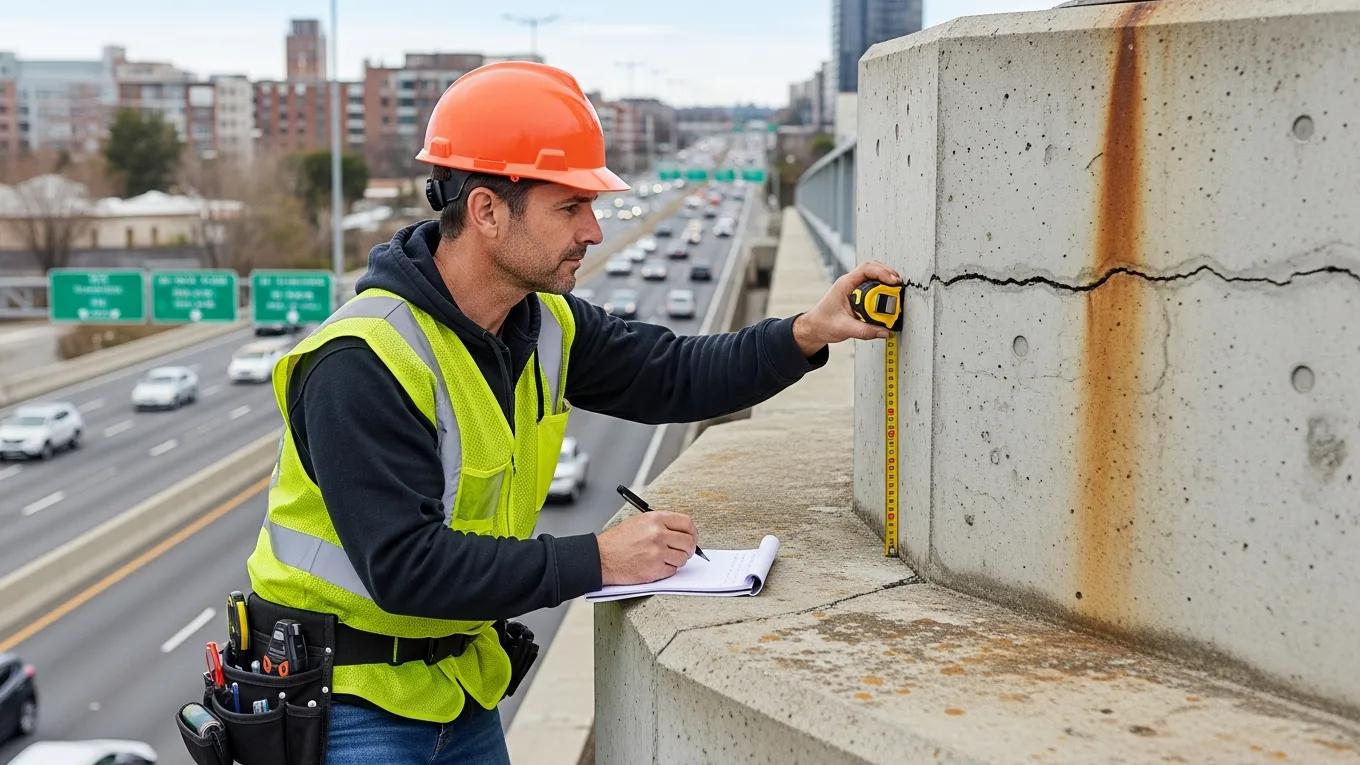
Visual inspections are the initial assessment: inspectors record surface cracks, spalling, staining, and other visible defects, measuring cracks and documenting locations for trend analysis. These observations identify areas needing further testing or immediate repair and are commonly supplemented by nondestructive tools for deeper assessment.
Which Signs Indicate Concrete Infrastructure Requires Replacement?
Common indicators that replacement may be required include extensive cracking, spalling, and uneven surfaces that threaten structural integrity or user safety. Early recognition and professional evaluation limit further damage and avoid costlier replacements.
Morici Bros Concrete LLC stresses professional evaluation and offers free estimates for assessments. To get in touch, visit their contact us page.
Common Deterioration Indicators in Concrete Pavements
Concrete pavements display several deterioration indicators that point to replacement needs. These include:
- Cracking: Various crack patterns — longitudinal, transverse, and alligator — can signal underlying distress.
- Spalling: Flaking or chipping of the surface, often from moisture infiltration and freeze-thaw damage.
- Uneven Surfaces: Settling or heaving that creates hazards for vehicles and pedestrians.
Early recognition enables proactive responses to protect safety and reduce costs.
How Do Municipal Condition Rating Systems Guide Replacement Decisions?

Municipal condition rating systems offer structured evaluations to prioritize repairs and replacements by urgency and available resources. Learn more about the service areas they cover.
Understanding Municipal Concrete Repair Criteria and Rating Scales
Rating scales classify concrete condition from excellent to poor, helping officials decide when to repair or replace. Precise ratings improve resource allocation and planning.
Integrating Lifecycle Analysis in Infrastructure Maintenance
Lifecycle analysis compares long-term costs and benefits of repair versus replacement, factoring initial costs, maintenance, and expected service life. Including lifecycle analysis helps municipalities align decisions with budgets and sustainability goals.
What Factors Influence the Decision Between Concrete Repair and Replacement?
Decisions to repair or replace depend on cost, structural integrity, expected durability, and long-term impacts. Clear assessments help municipalities optimize infrastructure investment.
Cost Considerations and Long-Term Durability Assessments
Cost comparisons should weigh short-term repair expenses against replacement savings over time. Material durability and projected maintenance needs also influence the choice.
Case Studies of Municipal Concrete Infrastructure Projects
Case studies illustrate outcomes: timely repairs can extend service life and reduce costs, while well-timed replacements may deliver longer-term value when degradation is extensive. These examples inform future strategies and project planning.
For detailed information on professional concrete services, contact Morici Bros Concrete LLC to discuss your municipal infrastructure needs.
Frequently Asked Questions
What are the common causes of concrete deterioration?
Concrete deteriorates from environmental exposure, poor construction, and material issues. Typical causes include moisture infiltration, freeze-thaw cycles, chemical exposure, inadequate drainage, heavy traffic, and the use of de-icing salts. Understanding these factors supports preventive maintenance and targeted repairs.
How often should municipalities conduct concrete inspections?
Inspection frequency depends on age, traffic, and environmental conditions. Annual inspections are common, while high-traffic routes or structures showing deterioration require more frequent review to catch issues early and avoid costly replacements.
What role do advanced technologies play in concrete inspections?
Non-destructive tools such as ground-penetrating radar (GPR), ultrasonic testing, and digital imaging provide internal condition data without damaging the structure. These technologies improve diagnostic accuracy and reveal subsurface defects that visual checks cannot detect.
How can municipalities prioritize concrete repair projects?
Prioritization relies on condition rating systems, safety risk, traffic volume, and budget constraints. Applying these criteria helps allocate funds to the most critical repairs first and schedule less-urgent work appropriately.
What are the environmental considerations in concrete replacement?
Environmental considerations include material sustainability, production energy, and demolition waste. Using recycled aggregates and applying lifecycle assessments can reduce environmental impact and support more sustainable replacement choices.
What is the importance of community involvement in infrastructure decisions?
Community involvement fosters transparency and helps align projects with local priorities. Public engagement improves decision-making, increases support for funding, and ensures that infrastructure work responds to community needs.