
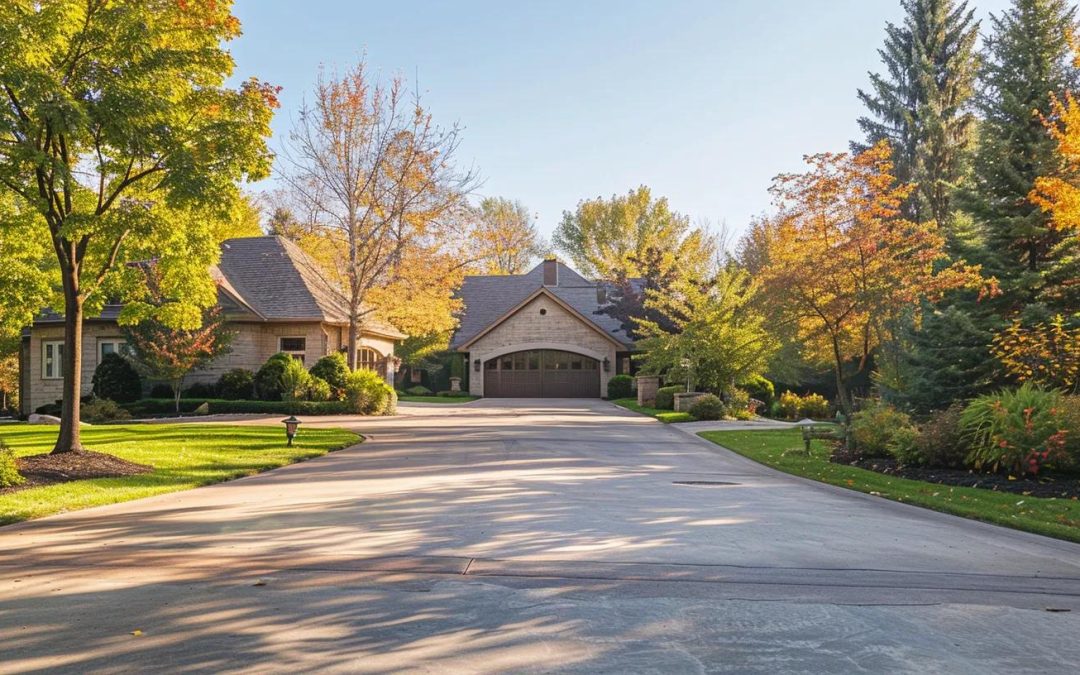
Discover the Lifespan of Concrete Driveways in Wisconsin
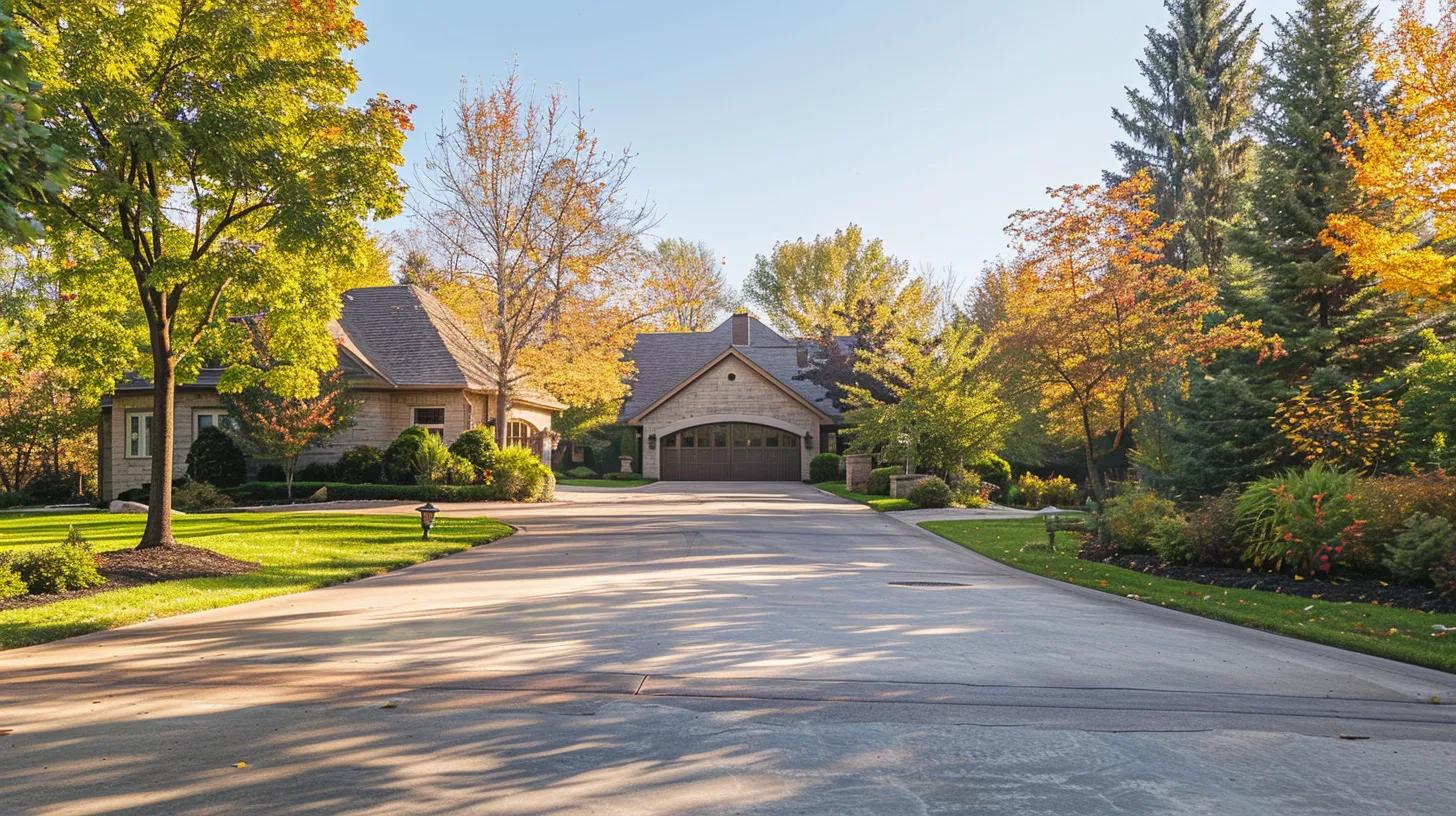
Wisconsin Concrete Driveway Lifespan: Expert Durability Guide
By Steve Morici, Morici Bros Concrete LLC | Milwaukee’s Top
Concrete driveways are a common choice in Wisconsin for their durability and curb appeal. This article summarizes expected lifespans, the main factors that affect durability in a cold climate, and practical maintenance steps homeowners can take to maximize service life.
Longevity and Durability
With proper installation and upkeep, a concrete driveway in Wisconsin typically lasts 25–30 years; under ideal conditions it can approach 40 years. Cold winters, freeze-thaw cycles, and moisture are the primary climate stresses that shorten service life, so planning and material choices matter.
Factors Affecting Durability
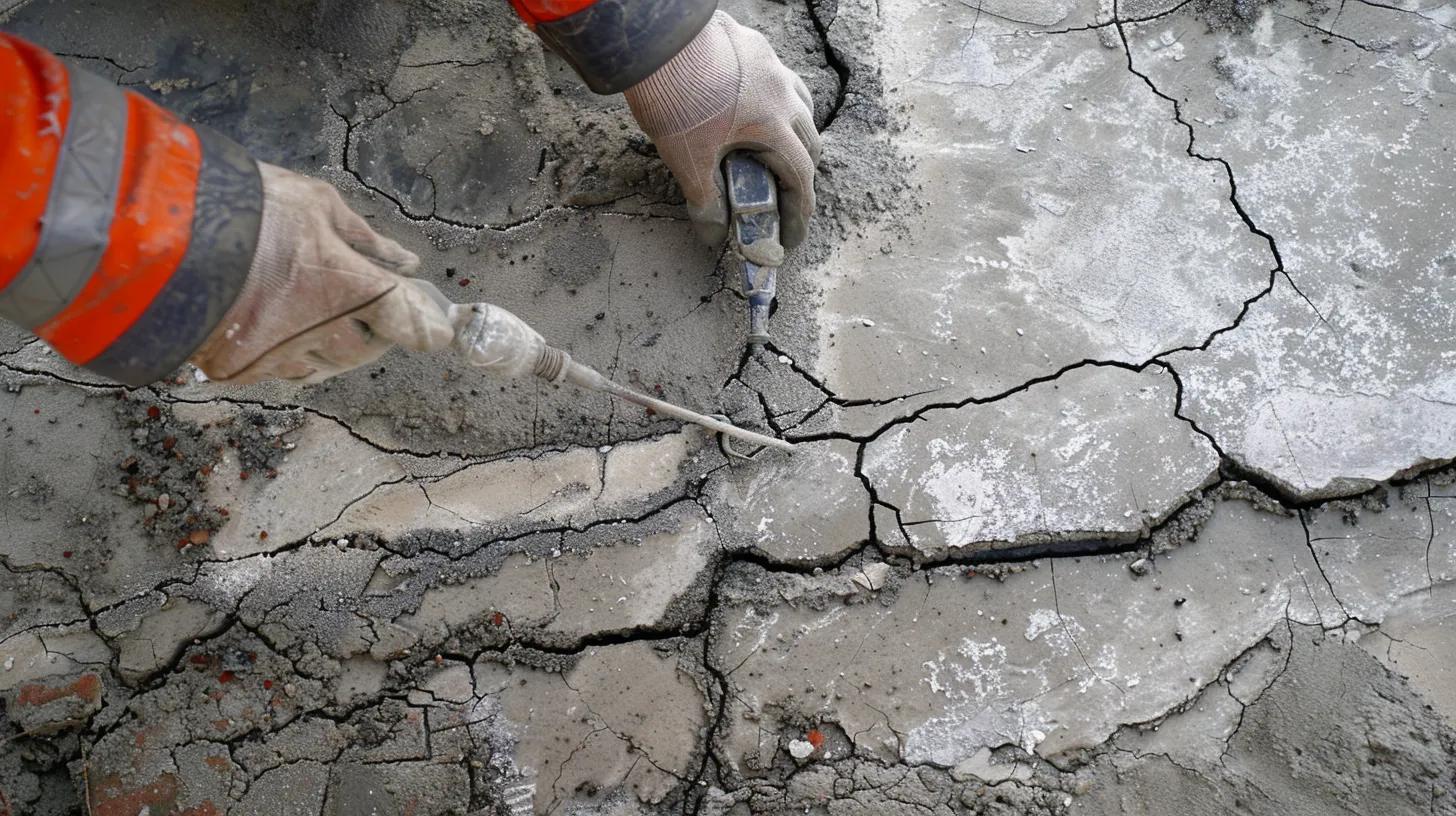
Key influences on how long a driveway lasts include:
- Weather Conditions: Repeated freeze-thaw cycles, standing water and de-icing chemicals accelerate damage.
- Quality of Materials: Proper mix, adequate air entrainment and reinforcement improve resilience.
- Installation Practices: Correct grading, base compaction and curing reduce cracking and settlement.
Addressing these factors at design and construction reduces future repair needs.
Maintenance Practices
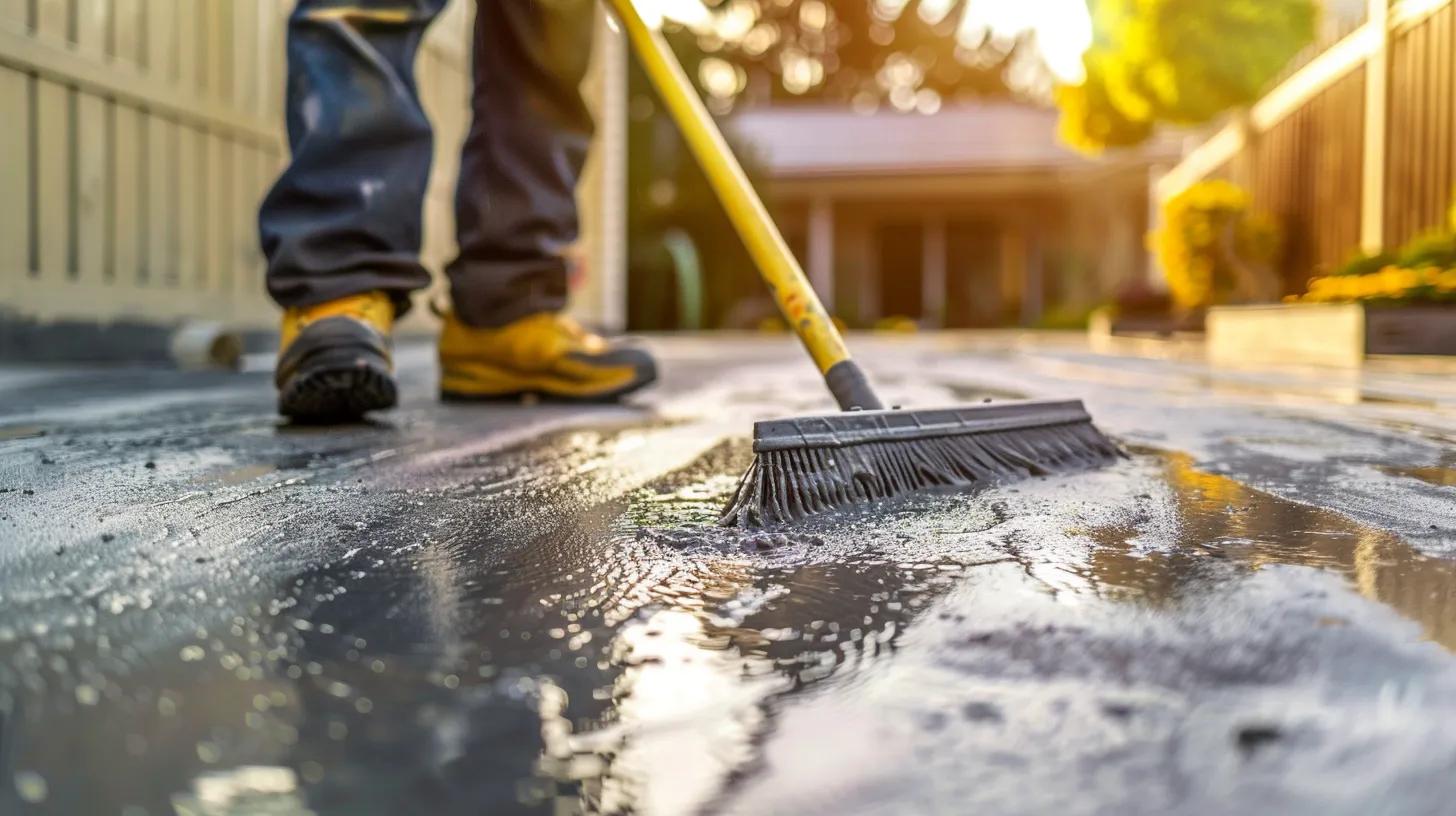
Routine maintenance helps extend a driveway’s life. Focus on three basics:
- Regular Cleaning: Remove debris, oil and salt residue promptly to limit surface wear.
- Sealing: Apply a breathable sealant every 2–5 years to reduce moisture entry and surface scaling.
- Prompt Repairs: Fill small cracks and correct drainage issues before they grow.
Consistent upkeep reduces larger repairs and preserves appearance and function.
The role of protective coatings in enhancing concrete durability against environmental stressors like freeze-thaw cycles and chlorides has been thoroughly examined.
Concrete Coatings for Freeze-Thaw & Chloride Resistance
This study assesses the durability of coated and uncoated concrete surfaces protected with four different coating materials: water-soluble (BW), solvent-based (BR), mineral (MI), and epoxy (EP). The durability assessment includes evaluating the absorption rate of water, pull-off adhesion strength, and coating material thickness. Concrete samples were subjected to immersion in regular water and a 7% urea solution, followed by cyclic freezing and thawing. Furthermore, the diffusion of chloride ions in concrete was evaluated using the impressed voltage method, with the samples exposed to the aging process immersed in a 3.5% NaCl solution.
Effectiveness of various types of coating materials applied in reinforced concrete exposed to freeze–thaw cycles and chlorides, GP Millán Ramírez, 2023
Local contractors such as Morici Bros Concrete LLC specialize in driveway installation and repair with attention to Wisconsin climate needs; their experience can help select mixes and detailing that limit climate-related damage.
Expert Insights
Experts stress good curing and control of moisture during and after placement to achieve design strength and reduce cracking. Regular inspections for cracks, scaling, and settling let you catch problems early; preventive maintenance and timely repairs prolong service life.
What Is the Average Lifespan of a Concrete Driveway in Milwaukee and Wisconsin?
Typical lifespans in Milwaukee and the rest of Wisconsin are 25–30 years. Driveways installed with durable mixes, proper air entrainment and good base work can last longer, though local winters remain the main limiting factor.
How Does Wisconsin’s Freeze-Thaw Cycle Affect Concrete Driveway Durability?
Freeze-thaw damage occurs when water in concrete pores freezes and expands, creating micro-cracks that grow over time. Using freeze-thaw resistant mixes, adequate air entrainment and good drainage are the practical mitigations.
Further research delves into the intricate mechanisms of freeze-thaw damage and explores various strategies for enhancing concrete pavement durability.
Concrete Pavement Freeze-Thaw Durability & Improvement Measures
Focusing on the issues of freeze–thaw durability of concrete pavement, this review summarizes the freeze–thaw mechanism of concrete materials. Recent investigations on the freeze–thaw damage of concrete materials and related improvement measures are also discussed.
Impact of freeze–thaw cycles on the long-term performance of concrete pavement and related improvement measures: A review, W Ma, 2022
What Recent Advances Improve Concrete Driveway Lifespan in Wisconsin?
Recent improvements that boost longevity include:
- Freeze-Thaw Resistant Mixes: Formulations designed to tolerate expansion and contraction.
- High-Strength Concrete: Higher compressive strengths resist loads and abrasion.
- Improved Sealants: Better breathable sealers limit moisture ingress and surface wear.
Combining these advances with proper installation yields the best results.
Which Concrete Mixes Are Best Suited for Wisconsin’s Climate?
Recommended mixes for Wisconsin driveways:
- Freeze-Thaw Resistant Mix: Designed to endure cold cycles and moisture exposure.
- High-Strength Concrete Mix: For heavier loads or frequent vehicle traffic.
- Air-Entrained Concrete: Incorporates microscopic air voids to relieve freeze expansion pressure.
Select a mix with appropriate air content and strength for local site conditions.
What Concrete Mix Designs Enhance Resistance to Freeze-Thaw Damage?
Effective design features include:
- Air-Entrained Concrete: Microbubbles reduce internal pressure from freezing water.
- High-Strength Concrete Mix: Higher compressive strength improves durability under load.
- Fiber-Reinforced Concrete: Fibers limit crack width and improve toughness.
These design choices help maintain slab integrity in cycles of freezing and thawing.
The effectiveness of air-entrained concrete in resisting freeze-thaw cycles has been a subject of detailed scientific investigation.
Air-Entrained Concrete: Freezing & Thawing Resistance
Durability of concrete prisms exposed to repeated cycles of freezing and thawing was determined by measuring the relative dynamic modulus of elasticity of the prisms before and after freeze-thaw cycling and comparing these with corresponding values of reference prisms.
Mechanical properties and freezing and thawing resistance of non-air-entrained, air-entrained, and air-entrained superplasticized concrete using ASTM Test C 666 …, 1982
How Does Local Climate Knowledge Influence Concrete Mix Selection?
Knowing local freeze-thaw intensity, typical moisture exposure and available aggregates or admixtures should guide mix selection. Work with suppliers and contractors to specify air entrainment, appropriate strength and curing practices for your area.
How Can Proper Maintenance Extend the Life of a Wisconsin Concrete Driveway?
Simple, regular steps extend service life:
- Routine Inspections: Look for cracks, scaling, or settling.
- Timely Repairs: Fix small issues before they worsen.
- Sealing: Reapply sealant on schedule to limit moisture damage.
Consistent care reduces the need for major rehabilitation.
What Are Essential Maintenance Practices for Wisconsin Driveways?
Essential actions include regular cleaning, sealing every 2–5 years and addressing drainage or crack issues promptly. These practical steps preserve structural integrity and appearance.
How Should Driveways Be Prepared for Wisconsin Winters?
Before winter:
- Clean debris and clear drains.
- Seal as needed to reduce moisture entry.
- Repair visible cracks and correct drainage to avoid pooled water.
During winter, remove snow promptly and avoid rock salt where possible.
When Should You Repair or Replace a Concrete Driveway in Wisconsin?
Repair when cracks, surface scaling or minor settling appear. Consider replacement when widespread cracking, severe scaling, or major settlement undermine safety or cost more to repair than to replace.
What Are Common Signs Indicating Concrete Driveway Repair Is Needed?
Watch for visible cracks, surface scaling and uneven settling. Early intervention prevents more extensive deterioration and higher costs.
How Does Timely Repair Impact Overall Driveway Longevity?
Addressing damage promptly preserves the slab and subbase, prevents water infiltration and prolongs usable life. Regular maintenance combined with timely repairs is the most cost-effective approach.
To further assist you with your concrete needs, consider reaching out to Morici Bros Concrete for local guidance and services.
For homeowners in specific areas, Morici Bros Concrete serves multiple Wisconsin locations and can advise on local best practices.
Frequently Asked Questions
What are the best times of year to install a concrete driveway in Wisconsin?
Install between late spring and early fall (May–October) when temperatures support proper curing; avoid cold or very wet conditions.
How can I tell if my concrete driveway needs sealing?
If water soaks in instead of beading, if fading or small cracks appear, or stains no longer lift easily, it’s time to reseal.
What should I do if my concrete driveway develops cracks?
Clean cracks and use a patching compound or sealant for small cracks; consult a professional for larger or structural cracks.
Are there eco-friendly options for concrete driveways?
Yes — mixes with recycled content, permeable concrete for reduced runoff, and low-VOC sealants are eco-friendlier choices.
How does snow and ice management affect my concrete driveway?
Use plastic shovels or snow blowers to avoid surface damage, and prefer sand or eco-friendly de-icers rather than rock salt.
What are the benefits of using fiber-reinforced concrete for driveways?
Fibers reduce crack widths, improve toughness and help resist freeze-thaw and load-related distress, often reducing the need for frequent jointing.
How can I improve drainage around my concrete driveway?
Ensure proper grading, install drainage channels or French drains where needed, and use landscaping features (swales, rain gardens) to manage runoff.